
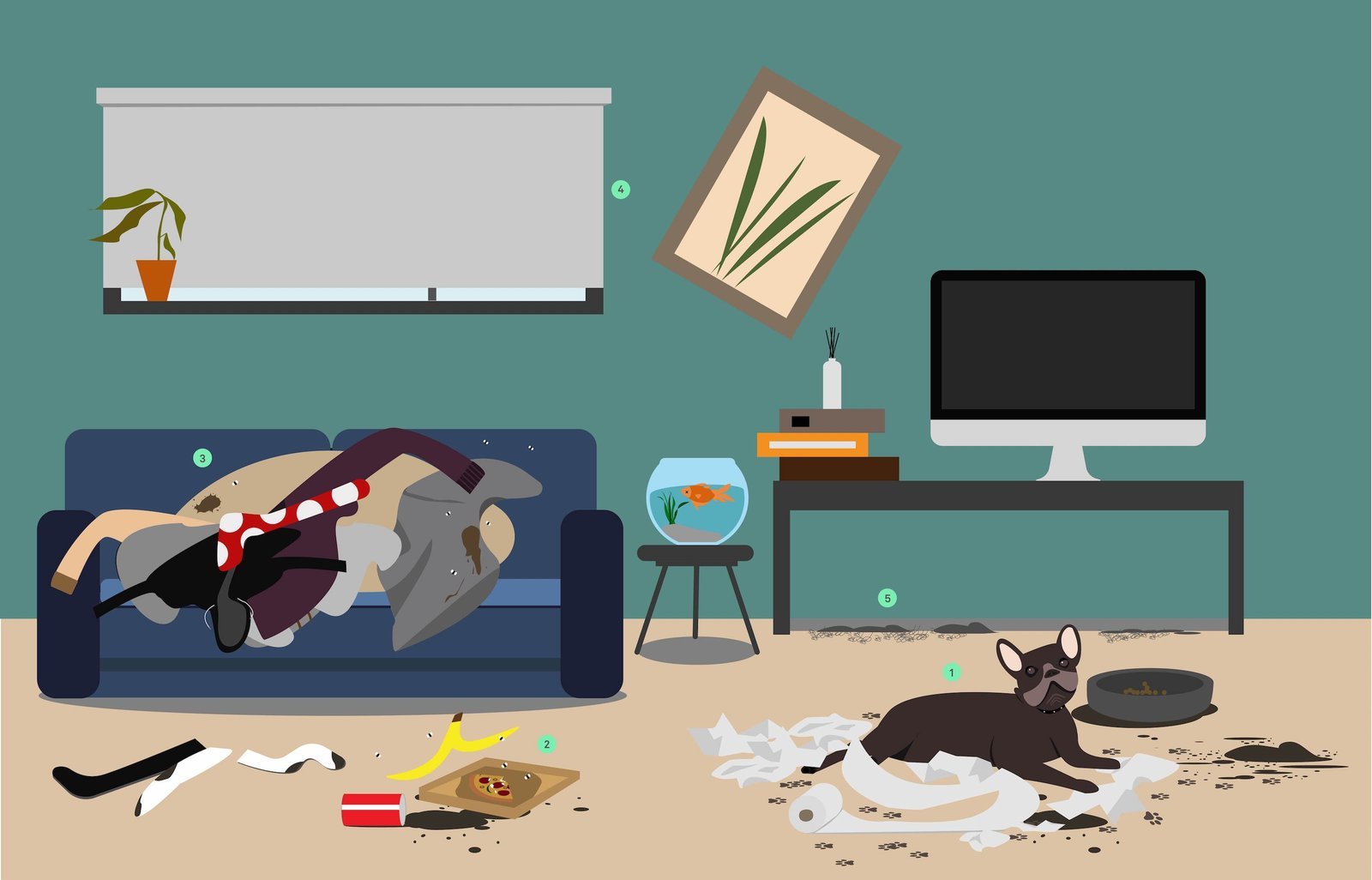
Accumulated moisture in fabrics, poor air circulation, or trapped bacteria in bedding often mean a bedroom smells like sweat after a long night of rest. This odor usually comes from body oils and dead skin cells breaking down on your pillows, mattress, or carpet. Finding the source requires checking these high-traffic areas one by one to determine if the issue is your linens, the air quality, or the mattress itself.
Why your bedroom smells like sweat

You can identify the cause by checking the items listed in the table below. Each source requires a different approach to solve the problem, ranging from simple washing to professional cleaning.
| Item | Best for | Concrete Example |
|---|---|---|
| Bedding | Removing surface oils | Cotton sheets washed weekly |
| Mattress | Deep odor extraction | Baking soda surface treatment |
| Carpet | Trapping foot sweat | Synthetic bedroom rug |
| Pillows | Reducing bacteria buildup | Synthetic fill pillow inserts |
| Curtains | Absorbing airborne moisture | Heavy polyester window drapes |
Bedding
Sheets and pillowcases are the most common source of odors because they directly absorb your body sweat every night. If your bedding is made of synthetic materials like polyester, it holds onto oils more tightly than natural fibers. You should wash your sheets and pillowcases in hot water at least once every seven days to prevent buildup.
- Hot water cycles help break down body oils more effectively than cold water.
- Adding a half-cup of white vinegar to the rinse cycle neutralizes trapped odors.
- Ensure your bedding is completely dry before putting it back on the bed.
- If odors persist after washing, the fabric may have permanent oil saturation.
For example, if you use a high-heat drying cycle for a set of cotton sheets, you might notice the smell fades faster because heat helps release lingering odors.
Mattress
A mattress acts like a sponge, absorbing sweat and skin cells over several years of use. If you don’t use a protective cover, these materials settle deep into the foam or springs. You can refresh the surface by sprinkling a thin layer of baking soda over the entire top, letting it sit for four hours, and then vacuuming it up thoroughly.
- Baking soda absorbs liquid moisture and neutralizes acidic odor molecules.
- Vacuuming with a HEPA filter ensures you remove the powder and trapped skin cells.
- Rotating your mattress every six months prevents uneven saturation in one spot.
- If the mattress has visible yellow staining, it likely contains deep-seated bacterial growth.
If you have a memory foam mattress, it may trap heat and moisture more than traditional spring mattresses, requiring you to use a moisture-wicking mattress protector to block sweat from entering the foam base.
Carpet
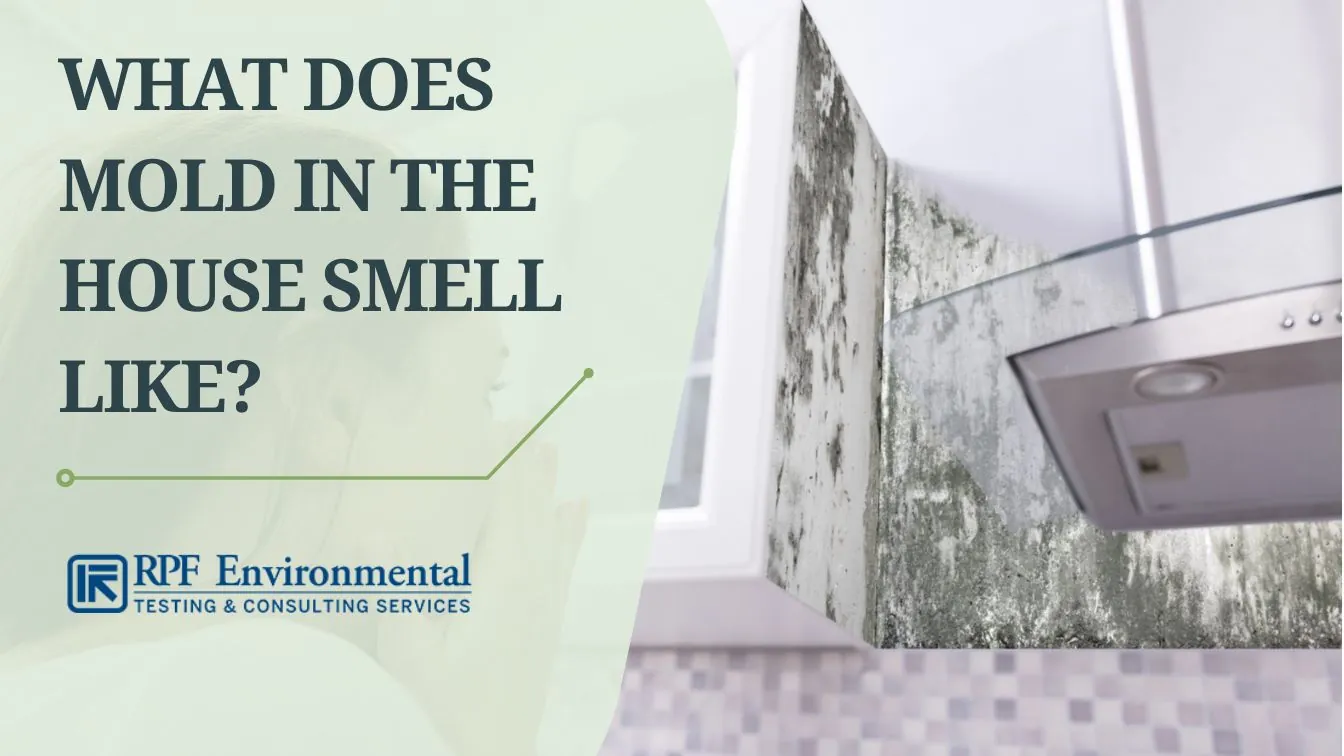
Carpets in bedrooms often trap sweat from bare feet, which eventually turns into a musty or sour smell. This happens because carpet fibers act as a filter for everything on your feet, and the backing can hold moisture against the floorboards. Regular vacuuming helps, but deep cleaning is necessary when the odor becomes noticeable upon entering the room.
- Vacuuming twice weekly reduces the amount of skin and sweat particles in the fibers.
- Steam cleaning the carpet removes deep oils that standard vacuums can’t reach.
- Keeping windows open for one hour daily improves airflow and dries out damp fibers.
- If the carpet backing gets wet from a spill or leak, it can grow mold.
The Environmental Protection Agency recommends keeping indoor humidity levels between 30% and 50% to prevent mold growth in carpets and other household materials.
Pillows
Pillows are often the most overlooked item, yet they collect the most sweat from your head and face. Over time, the internal fill of a pillow can harbor dust mites and bacteria that produce a distinct, unpleasant odor. You should check the care label on your pillows to see if they’re machine washable or if they require professional dry cleaning to maintain their shape.
- Machine washing pillows according to the owner’s manual based on your specific usage keeps bacterial populations low.
- Using a zippered pillow protector prevents sweat from reaching the internal fill.
- Replacing pillows every two years ensures you aren’t sleeping on degraded materials.
- If a pillow remains flat after washing, the inner fibers have likely lost their structure.
For example, if you have a down-alternative pillow, you can typically wash two at a time in a front-loading machine to balance the load and prevent damage.
Other potential odor sources
- Curtains: Heavy fabrics absorb sweat and body odors from the room air. If you notice a smell near your windows, wash the curtains according to the manufacturer’s tag to remove trapped particles.
- Laundry Baskets: A plastic hamper with no ventilation traps dirty, sweaty clothes and creates a concentrated odor. Switch to a mesh or woven basket that allows air to flow through the damp items.
- Closets: If you store sweaty gym clothes in a closet, the smell can easily migrate into the bedroom. Keep a separate, ventilated bin for sports gear to prevent the odor from spreading.
Choosing the right cleaning method

You can decide which method to use by identifying how deep the odor has traveled into your room. If the smell is only present when you’re near the bed, focus your efforts on the bedding and pillows first. If you can smell the odor the moment you walk through the door, the issue likely involves the carpet or the mattress itself.
If you have already washed all linens and the room still smells, the source is likely deep within the mattress or carpet backing. In these cases, superficial cleaning won’t work, and you should consider a professional steam cleaning service.
These methods can be combined; for instance, you might wash your sheets while simultaneously treating the mattress with baking soda. Picking one area to start is better than trying to clean everything at once, as it helps you isolate the specific source of the sweat smell.
Related guides
- How to Remove a Screw With No Head Using Pliers or Extractors in 2026
- How to Remove Mold From Wood Furniture: A Step-by-Step Guide in 2026
- How to Remove Solid Stain From Wood Deck: Step-by-Step Guide in 2026
Frequently asked questions
Can a mattress be saved if it smells like sweat?
Yes, a mattress can often be saved if the odor is surface-level. Use baking soda to neutralize the scent and invest in a waterproof mattress protector to stop future sweat from entering the core. If the mattress has visible mold or deep-seated stains, it’s usually time to replace it.
How often should I wash my sheets to prevent odors?
You should wash your sheets once every seven days to prevent sweat and body oils from building up. If you sweat heavily at night or live in a humid climate, washing them every five days is better. This schedule stops odors before they sink into the fabric fibers.
Is it safe to use commercial odor sprays in the bedroom?
It’s safe to use most commercial sprays, but they only mask odors rather than removing the source. Always check the label to ensure the spray is safe for upholstery or carpet use. If you have respiratory issues, avoid heavy scents and focus on cleaning the source instead.
Why does my bedroom smell sour even after cleaning?
The smell might be coming from deep within the mattress or the carpet backing where cleaning solutions can’t reach. Bacteria can grow in these dark, damp areas if they have been exposed to sweat for a long time. Consider professional cleaning for carpets or replacing a heavily soiled mattress.
Does humidity affect bedroom smells?
Yes, high humidity prevents sweat from evaporating and encourages bacterial growth in fabrics. Keep your room humidity between 30% and 50% to help your bedding and carpet stay dry. If your room feels damp, a small dehumidifier can stop sweat odors from becoming a permanent problem.
Can old pillows cause a sweat smell?
Yes, old pillows collect years of sweat, skin cells, and dust mites that produce a strong, sour odor. If your pillows have reached the end of their recommended lifespan, they’re likely the source of the smell. Replacing your pillows is often more effective than trying to wash very old, degraded foam or fill.
Conclusion
Start by washing all your bedding in hot water and using a vacuum on your mattress and carpet. If you notice a clean, neutral scent after these steps, you have successfully removed the source. If the smell remains strong or returns within 24 hours, contact a professional upholstery or carpet cleaning service to handle the deep-seated bacteria.