
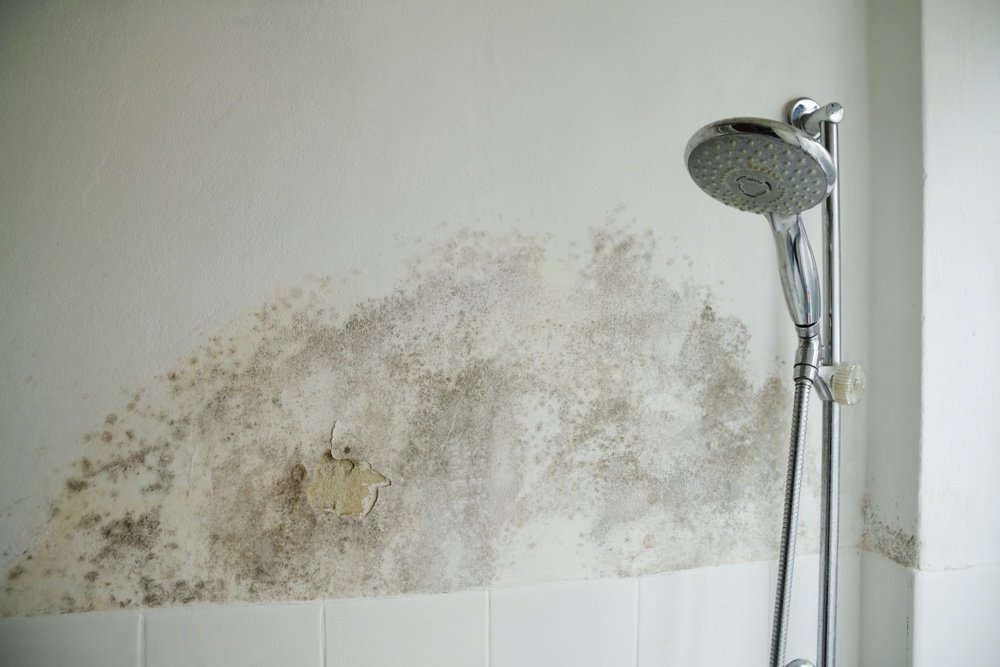
A bathroom smells like mold because moisture has become trapped in porous materials, leading to fungal growth that releases musty spores into the air. This issue typically stems from poor ventilation, hidden leaks behind vanity units, or damp towels left in piles. While surface cleaning often masks the odor, the scent will persist if the underlying water source remains active or if mold has colonized deep inside drywall, insulation, or subflooring.
Where the bathroom mold smell starts
Every home faces different challenges regarding humidity levels and airflow. This table helps you match the common symptoms you see with the likely source of the problem.
| Symptom | Likely Cause | Typical Location |
|---|---|---|
| Musty smell only after showering | Poor ventilation | Exhaust fan or ceiling |
| Dark spots on ceiling | Roof leak | Above the shower |
| Soft or spongy wall | Pipe leak | Behind the vanity |
| Constant damp floor | Grout failure | Around the toilet base |
| Odor near the drain | Sewer gas | Sink or shower trap |
Inadequate bathroom ventilation
If your exhaust fan doesn’t remove steam quickly, the bathroom smells like mold because moisture settles on cold surfaces like mirrors, walls, and ceilings. This environment allows mold spores to germinate within 24 to 48 hours according to the United States Environmental Protection Agency. You should run the fan during your shower and for at least 20 minutes after you finish.
- Check if the fan filter is clogged with dust, which restricts airflow and reduces the motor’s pulling power.
- Test the fan by holding a single square of toilet paper against the grille while it’s running; if it doesn’t stick, the unit isn’t venting properly.
- Ensure the ductwork leads directly outside rather than into the attic, as venting into a crawl space just moves the moisture problem elsewhere.
If you hear a loud grinding noise, the fan motor is likely failing and needs a replacement unit.
Hidden plumbing leaks
A slow leak behind your vanity or inside the wall creates a constant supply of water that feeds mold growth out of sight. This differs from ventilation issues because the smell remains strong even when the room has been dry for days. You must inspect the area under your sink for damp wood or signs of mineral buildup on pipe joints.
- Look for water stains or bubbling paint on the wall directly behind the shower or sink.
- Feel the floor around the base of the toilet; if the tile feels loose or the grout is crumbling, water may be seeping into the subfloor.
- Check the P-trap under the sink for signs of dampness or a slow drip that keeps the cabinet interior wet.
If you find standing water or active leaks, you need to stop using that fixture immediately to prevent further damage to the floor structure.
Deteriorated caulk and grout
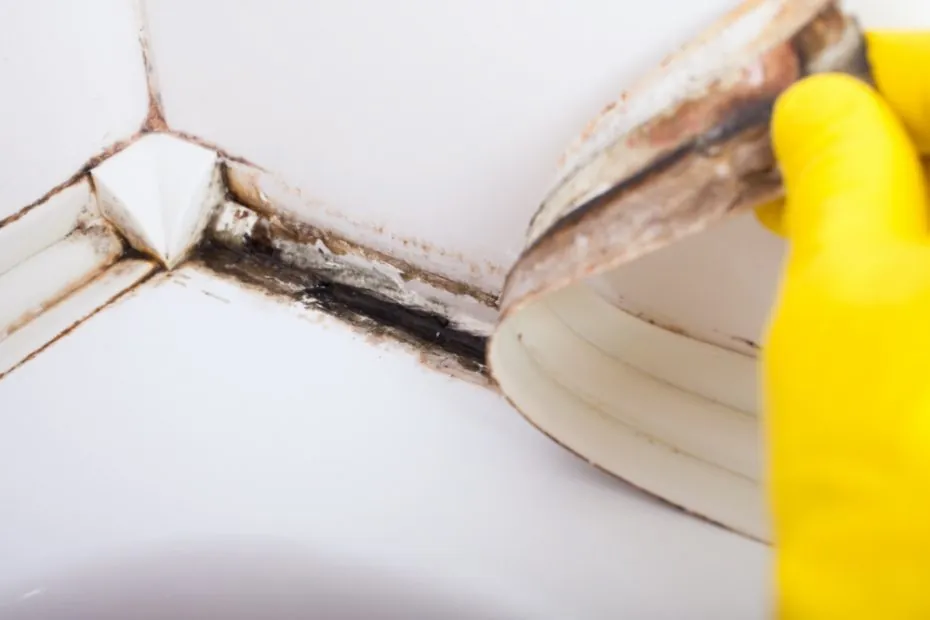
Old caulk around your bathtub or shower often shrinks and pulls away from the wall, allowing water to enter the wall cavity. This creates a dark, damp space where mold thrives behind the tiles. Unlike a leaking pipe, this happens slowly over time, making it hard to notice until the odor becomes unavoidable.
- Remove any caulk that’s black, peeling, or soft to the touch using a plastic scraper.
- Clean the gap thoroughly with a mild detergent and let it dry for at least 24 hours before applying new silicone caulk.
- Inspect grout lines for cracks or missing sections where water could penetrate the wall backing.
If the wall feels soft when you press on it, the mold has likely already compromised the drywall or backer board. You’ll need a professional to replace the water-damaged materials to ensure the structural integrity of your shower.
Clogged drain traps
Sometimes the odor isn’t mold but sewer gas escaping through a dry or blocked drain trap. The P-trap is designed to hold a small amount of water that acts as a seal against gases from the sewer line. If you rarely use a specific shower or sink, the water can evaporate, leaving the pipe open to the air.
- Run water through every drain in the bathroom for 30 seconds to ensure the traps are full.
- Clean the hair and soap scum out of the drain stopper to prevent debris from trapping moisture and bacteria.
- Check for a missing or damaged vent pipe on the roof, which can cause drains to gurgle and lose their water seal.
If the smell persists after cleaning the drain and filling the trap, you might have a blocked sewer vent pipe. This is a job for a licensed plumber who has the tools to clear the roof vents safely.
Other sources of odors
Damp bath mats: Thick fabric mats hold water for hours. Hang them up to dry after every use or switch to a thin, quick-drying rubber mat. If the mat still smells musty after washing, the backing has likely degraded and is trapping bacteria that no detergent can reach.
Dirty laundry: Wet towels left in a hamper become a breeding ground for mold. Always let towels dry on a rack before putting them in the wash. If you smell a sour, vinegar-like scent, you’re dealing with mildew; run a cycle with a cup of white vinegar to strip the fibers.
Soap scum: A thick layer of residue on shower walls traps moisture and supports mold. Scrub the walls weekly with a non-abrasive cleaner. If you see dark spots forming in the grout lines, use a stiff-bristled brush to prevent permanent staining.
How to find your mold source
You can decide which issue is causing the problem by observing when the smell is strongest. If the scent appears only when the room is damp, focus on your ventilation and drying habits. If the smell is constant, you likely have a hidden leak or a saturation issue in the floor or walls. These problems are separate; ventilation issues require better airflow, while leaks require physical repairs to pipes or seals.
If you live in a rental property, always report signs of water damage or mold to your landlord immediately. They’re responsible for structural repairs, and attempting to fix hidden leaks yourself could lead to legal issues or damage to the building’s plumbing system.
Related guides
Frequently Asked Questions
How do I know if it’s mold or just mildew?
Mold is usually fuzzy or slimy and appears in shades of black, green, or white, while mildew is often powdery and grey. Both grow in damp areas, but mold is more destructive to building materials like drywall and wood.
Will a dehumidifier fix the smell?
A portable dehumidifier will reduce the humidity and help dry out the air, but it won’t solve the underlying leak or ventilation failure. Use one as a temporary fix while you identify and repair the source of the moisture.
Is it safe to clean mold myself?
You can safely clean small areas of mold, typically less than 10 square feet, using soap and water or a mild cleaner. If the mold covers a large area, is inside the HVAC system, or is caused by sewage water, you should hire a professional remediation service.
Can I just paint over the mold?
You should never paint over mold because the moisture will cause the paint to bubble and the mold will continue to grow underneath. You must clean and dry the surface completely before applying any primer or paint.
Why does my bathroom smell like mold after I clean it?
The smell often returns because you didn’t kill the roots of the mold or because the moisture source remains active. Ensure you’re using a cleaner intended for mold and that the area is fully dry after you finish scrubbing.
How long does it take for mold to grow?
Mold can begin to grow within 24 to 48 hours if a surface remains wet or humid. Keeping your bathroom dry is the best way to prevent the spores from taking hold in your home.
Conclusion
Start by inspecting your exhaust fan for dust and verifying that it clears steam within a few minutes of use. If the bathroom remains damp, check for leaks under the vanity or around the tub. If you find soft walls or persistent water stains, stop using the affected fixture and contact a professional plumber to prevent further damage to your home.