
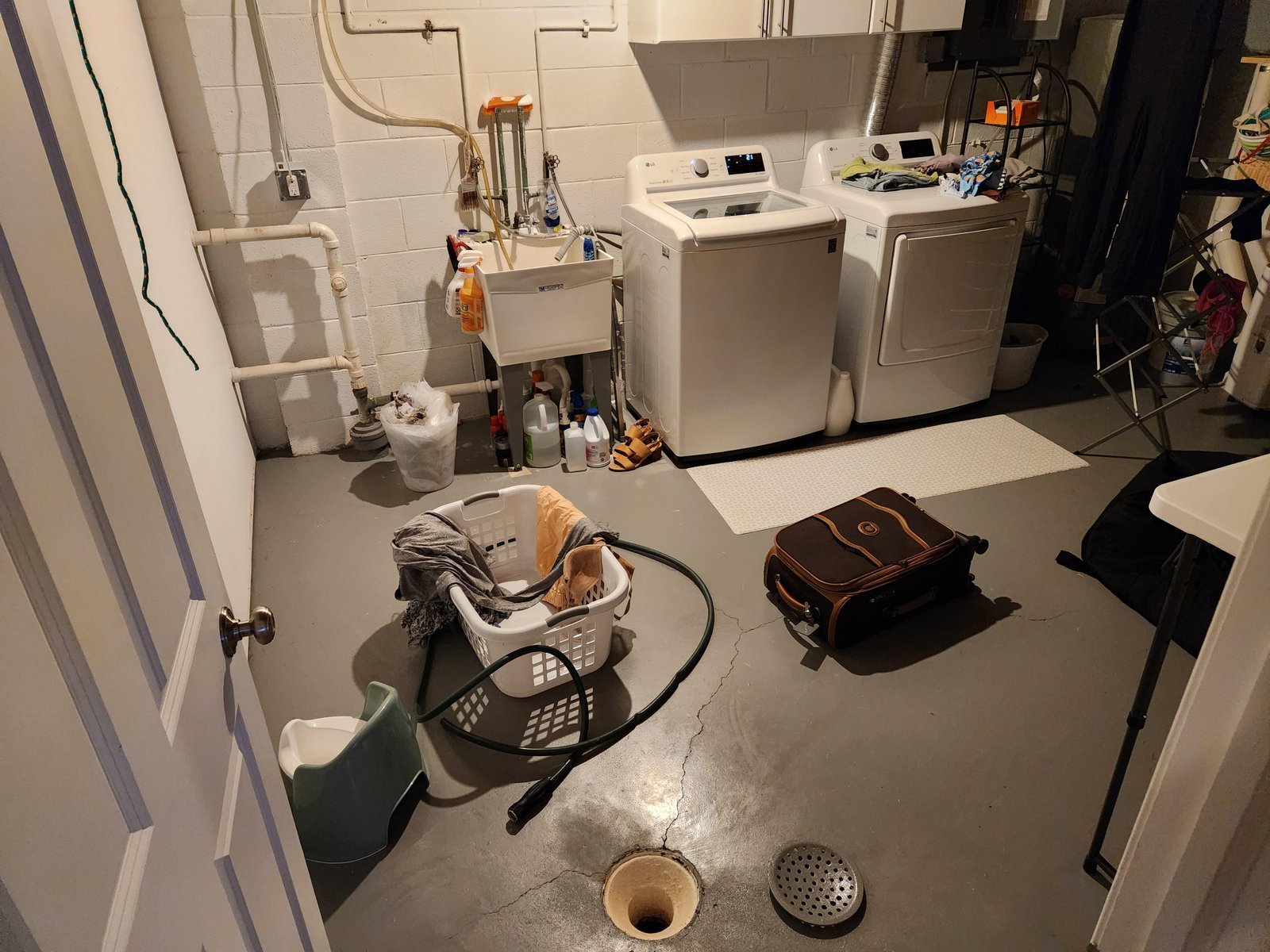
A dry floor drain is the most common reason a basement smells like sewage, as the water seal that blocks sewer gases has evaporated. When this trap dries out, air from the main sewer line moves directly into your home. Other causes include a cracked wax ring under a toilet, a blocked vent pipe on your roof, or a failing sewer ejector pump. Identifying the source early prevents these gases from building up inside your living space.
Why your basement smells like sewage
You can narrow down the issue by checking specific areas where water and waste move through your home. The table below highlights the most frequent culprits and how they present themselves in a typical basement environment.
| Source | Primary Symptom | Identifying Sign |
|---|---|---|
| Floor Drain | Intermittent odor | Drain trap is visibly dry |
| Toilet Seal | Smell near base | Toilet wobbles when pushed |
| Vent Pipe | Stronger when windy | Gurgling sounds in pipes |
| Ejector Pump | Constant damp smell | Pump basin cover is loose |
| Sewer Line | Wet spots on floor | Grass outside is very green |
Dry floor drain
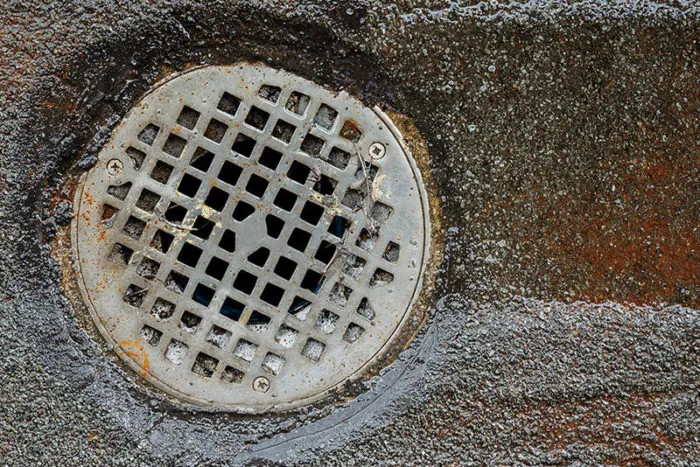
A floor drain acts as a barrier because it holds a small amount of water in a U-shaped pipe, known as a P-trap. When this water stays stagnant for weeks, it eventually evaporates, leaving a clear path for sewer gas to enter the room. If the smell disappears after you pour water into the drain, the dry trap was the only problem.
- Pour 1 gallon of water into the floor drain to refill the P-trap.
- Add 1 tablespoon of mineral oil after the water to slow down future evaporation.
- Check the drain monthly if the basement stays very warm or dry.
If you pour water into the drain and the smell persists after 24 hours, the issue is likely deeper in the sewer line rather than a simple dry trap.
Leaking toilet wax ring
A wax ring creates a gas-tight seal between the toilet base and the drain pipe in the floor. If this ring fails, sewer gas escapes into the basement, often carrying a faint, musty, or rotten egg scent. You can test this by gently rocking the toilet; if it moves even slightly, the wax seal is almost certainly broken.
- Check for water stains on the floor around the base of the toilet.
- Look for any signs of moisture or mold on the nearby subfloor.
- Verify that the bolts holding the toilet down are tight but not cracked.
If the toilet rocks or shows signs of leaking, you must replace the wax ring. This job requires lifting the toilet, which is a heavy task that can lead to broken floor tiles or damaged plumbing pipes if not done carefully. If you aren’t confident lifting heavy fixtures, call a licensed plumber to handle the seal replacement.
Blocked roof vent pipes
Your home plumbing system relies on vent pipes that run up through the roof to allow air to enter the system. These vents prevent the suction that would otherwise pull water out of your P-traps when you flush a toilet or drain a sink. If debris like leaves or bird nests clog these pipes, the air pressure changes and forces gas back through your drains.
- Listen for gurgling sounds in your sinks or toilets when water drains.
- Note if the smell gets worse on windy days or after heavy rainfall.
- Check the exterior roof line for visible debris blocking the pipe openings.
The Environmental Protection Agency notes that maintaining proper ventilation is key to keeping indoor air safe from pollutants. Because this requires climbing onto a roof, it’s a high-risk task. If you suspect a blockage in your vent stack, contact a professional roofing contractor or a plumber who has the correct safety gear for roof work.
Failing sewer ejector pump
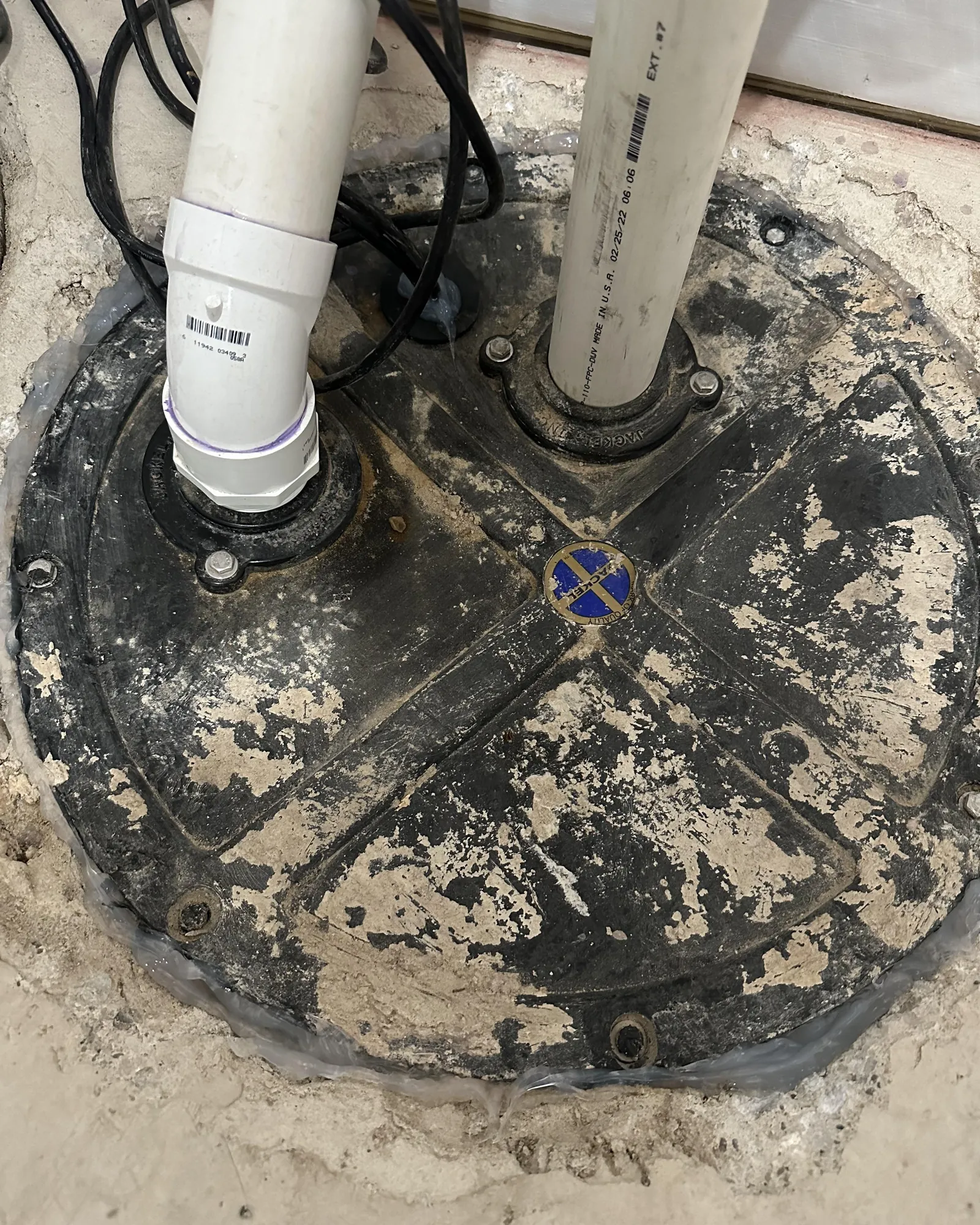
Basements that sit below the level of the main sewer line use an ejector pump to move waste upward. If the seal on the pump basin is loose or the gasket has worn out, gases will vent directly into the basement. This is especially common if you notice the smell is much stronger specifically when the pump cycles on or off.
- Ensure the lid of the pump basin is bolted down tightly.
- Check the rubber grommets where the pipes enter the basin for cracks.
- Verify the vent pipe attached to the pump basin is clear and unobstructed.
If the pump is leaking sewage or making loud grinding noises, stop using the water fixtures connected to it immediately. These pumps handle raw waste, and a failure can lead to a significant sewage backup in your basement. Call a professional plumber to service or replace the pump unit before the system overflows.
Other potential sources
- Sewer line damage: If you see lush, green patches of grass in your yard or wet spots near your foundation, the main sewer pipe outside may be cracked.
- Sump pump issues: Sometimes a sump pump basin collects stagnant, smelly water that isn’t related to sewage, which requires cleaning the pit with a mild soap solution.
- Old pipes: Cast iron pipes can develop pinhole leaks over many decades; if you see rust or small wet spots on your pipes, a plumber needs to assess them.
Choosing the right fix
Your decision depends on where the smell is strongest and whether you see active leaks. If the odor is local to a drain, pouring water is the first step. If the smell is near a toilet, check for movement to see if the wax seal is the culprit. If the smell is pervasive throughout the basement and occurs during flushing, the vent system or the main sewer line is the likely point of failure.
If you find a dry drain, water solves the issue immediately. If you find a loose toilet or a broken pump seal, you must replace the physical parts to stop the gas. These issues are rarely solved by air fresheners or cleaning products, which only mask the scent rather than blocking the gas. Picking one of these fixes usually means you can leave the others alone, as they’re independent parts of your plumbing system.
Related guides
Frequently asked questions
Is it safe to stay in a house that smells like sewage?
No, you should limit your time in the basement and keep the area well-ventilated until a professional identifies the source. Sewer gas contains hydrogen sulfide, which can cause headaches or nausea if you breathe it for long periods. If you feel dizzy or lightheaded, leave the basement immediately and get fresh air.
How long does it take for a floor drain to dry out?
A floor drain typically dries out in two to four weeks depending on the humidity and temperature of your basement. In very dry climates or basements with a dehumidifier running, the water may evaporate in as little as 10 days. You should check these drains at least once a month.
Can a blocked drain cause a sewage smell?
Yes, a partial blockage can trap organic material that decays and produces foul odors. If the smell is coming from a specific sink or tub, try clearing the drain with a plunger or a plastic snake. If the blockage is deep in the main line, you’ll need a professional drain cleaner.
Does a basement smell like sewage mean a sewer backup?
Not always, but it’s a possibility that requires a quick check of your floor drains and cleanout pipes. If you see water or waste coming up through your basement drains, turn off your main water supply immediately. A sewer backup is a health hazard that requires an emergency plumbing service to clear.
How do I know if my sewer vent is blocked?
You can identify a blocked vent by listening for gurgling sounds when you flush toilets or drain sinks. If the water drains slowly or the sinks “burp” air while emptying, the vent is likely restricted. This prevents air from entering the pipes, which causes the system to pull water out of traps.
Is it normal to smell sewage when it rains?
No, it isn’t normal, and it often points to a problem with your vent pipes or a crack in your sewer line. Rain can change the air pressure in your pipes or force water into cracks in your foundation. If this happens, you should have a plumber inspect your main sewer line.
Conclusion
Start by pouring 1 gallon of water into every floor drain in your basement to see if the smell fades. If the odor disappears within a few hours, the dry trap was the only issue. If the smell remains strong or returns quickly, contact a licensed plumber to inspect your sewer vent system and check for hidden pipe leaks.