
Your air conditioning system is designed to be a reliable source of comfort, especially during the sweltering heat of summer. So, when you step into your home expecting a cool reprieve and are instead met with a blast of warm air, it can be a deeply unsettling experience.
This common HVAC problem can disrupt your comfort, lead to high energy bills, and potentially signal a more serious underlying issue. Understanding why your AC is blowing warm air is the first step toward diagnosing and fixing the problem, ensuring your home environment remains pleasant and your system operates efficiently.
This comprehensive guide will walk you through the most common culprits behind an AC blowing warm air, offering practical advice for homeowners. We’ll explore everything from simple troubleshooting steps you can take yourself to identifying when it’s time to call in a professional HVAC technician.
By the end of this article, you’ll have a clearer picture of what might be going wrong with your cooling system and how to get it back to blowing cold air.
Key Takeaways
- Low Refrigerant Levels: A common cause of warm air is a refrigerant leak, which requires professional detection and repair.
- Dirty Air Filters: Clogged filters restrict airflow, preventing the AC from cooling effectively and potentially causing the system to freeze up.
- Thermostat Issues: Incorrect settings or a malfunctioning thermostat can make the AC believe the desired temperature has been reached when it hasn’t.
- Dirty Condenser Coils: Outdoor unit coils covered in dirt and debris reduce the system’s ability to release heat.
- Frozen Evaporator Coils: Caused by poor airflow or low refrigerant, frozen coils block air circulation and cooling.
- Compressor Problems: A faulty compressor is a significant issue that prevents the AC from cooling altogether.
- Ductwork Leaks: Leaky ducts can lose cooled air before it reaches your rooms, making the AC seem like it’s blowing warm.
- Electrical Issues: Tripped breakers, blown fuses, or faulty wiring can shut down components of the AC system.

Credit: www.pigikoinsep.com
Common Reasons Your Ac Is Blowing Warm Air
When your air conditioner inexplicably starts blowing warm air, it’s a signal that something is amiss within the complex system responsible for cooling your home. These systems rely on a delicate balance of components working in harmony to extract heat from your indoor air and dissipate it outside.
Any disruption to this process, whether mechanical, electrical, or related to maintenance, can manifest as warm or even hot air coming from your vents. Let’s break down the most frequent reasons for this frustrating issue.
Dirty Air Filters: The Simplest Culprit
Perhaps the most straightforward and common reason for an AC blowing warm air is a clogged air filter. Your air filter’s primary job is to trap dust, dirt, pollen, and other airborne particles, preventing them from entering your HVAC system and circulating throughout your home. However, over time, these filters become saturated with debris. When a filter gets too dirty, it significantly restricts the amount of air that can pass through the system.
This restricted airflow has several detrimental effects. Firstly, it prevents the evaporator coil, located inside your home, from absorbing heat efficiently. The refrigerant flowing through these coils needs air to pass over them to absorb heat from your living space. With insufficient airflow, the refrigerant doesn’t get warm enough, and the air that does pass over the coil doesn’t get cooled. Secondly, severely restricted airflow can cause the evaporator coil to freeze over. When ice builds up on the coil, it acts as an additional barrier, further blocking airflow and preventing any cooling from occurring. Even if the system continues to run, it will only circulate uncooled air, and once the ice melts, the water can cause further damage.
Pro Tip: Check your air filter monthly and replace it every 1-3 months, depending on the filter type and household conditions (e.g., pets, allergies). A clean filter is crucial for maintaining proper airflow and overall system efficiency.
Refrigerant Leaks: A Critical Issue
Refrigerant, often referred to as Freon, is the lifeblood of your air conditioning system. It’s a chemical compound that circulates through the AC’s coils, undergoing phase changes (from liquid to gas and back) to absorb heat from your indoor air and release it outdoors. If your system has a refrigerant leak, the amount of this critical substance will be insufficient to perform the cooling cycle effectively.
When refrigerant levels drop too low, the AC system cannot absorb heat properly. This means the air passing over the evaporator coil isn’t cooled, and consequently, warm air is blown into your home. You might also notice other symptoms accompanying a refrigerant leak, such as:
- Frost or ice buildup on the refrigerant lines or evaporator coil.
- Hissing or bubbling sounds coming from the AC unit, indicating escaping refrigerant.
- A significant increase in your energy bills, as the system struggles to compensate for the lack of cooling.
- Reduced cooling capacity over time, rather than an abrupt stop.
Addressing a refrigerant leak is not a DIY task. It requires specialized tools and knowledge to safely locate the leak, repair it, and then recharge the system with the correct amount of refrigerant. Attempting to add refrigerant without fixing the leak is a temporary and ultimately harmful solution, as the refrigerant will continue to escape, and overcharging can damage the compressor.
Thermostat Malfunctions Or Incorrect Settings
Your thermostat is the command center for your air conditioning system. It tells the AC when to turn on, when to turn off, and what temperature to maintain. If your thermostat is malfunctioning or set incorrectly, it can easily lead to your AC blowing warm air.
Several thermostat-related issues can cause this problem:
- Incorrect Mode Setting: The most common oversight is accidentally setting the thermostat to “Heat” or “Fan Only” instead of “Cool.” Always double-check that the mode is set to Cool and the fan setting is on Auto (which means the fan only runs when cooling is needed).
- Dead Batteries: Many thermostats, especially digital ones, rely on batteries to maintain their settings and communicate with the HVAC system. If the batteries are low or dead, the thermostat may not be able to send the correct signals, leading to the AC not engaging its cooling function.
- Calibration Issues: Over time, thermostats can lose their calibration, meaning they don’t accurately read the room temperature. If the thermostat thinks the room is cooler than it actually is, it won’t signal the AC to turn on and cool the air.
- Faulty Thermostat: Like any electronic device, thermostats can fail. A broken thermostat might not be able to send the “cool” signal to the AC unit, even if the room is hot. In some cases, a faulty thermostat can even cause the heating system to engage when it shouldn’t.
Example: A homeowner might notice their AC blowing warm air and immediately suspect a major system failure. However, a quick check of the thermostat reveals it was accidentally switched to “Heat” during a recent power flicker. Simply switching it back to “Cool” resolved the issue instantly.
Dirty Condenser Coils: The Outdoor Unit’s Struggle
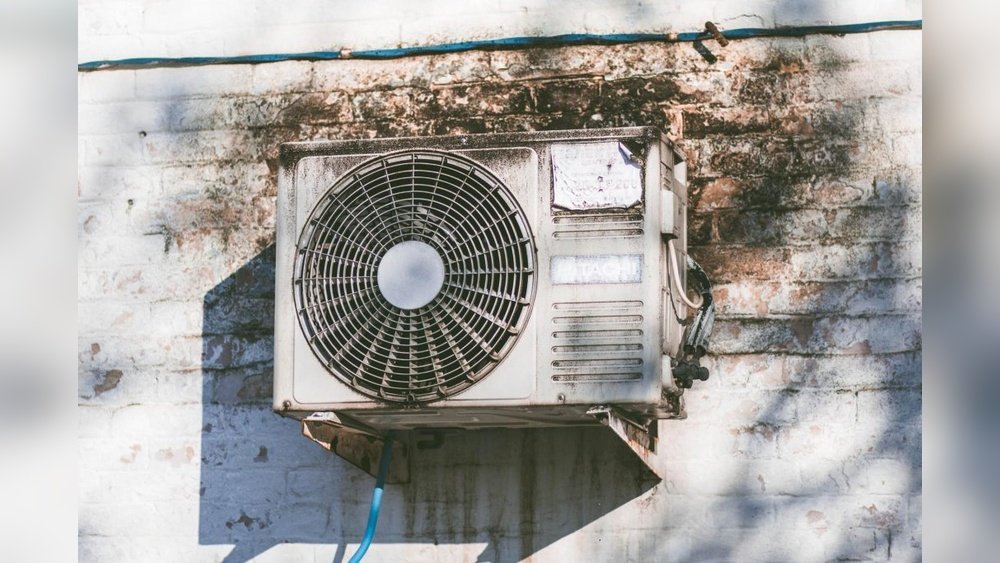
The condenser unit, located outside your home, is responsible for releasing the heat that the AC has absorbed from your indoor air. It contains coils that are exposed to the elements. When these outdoor coils become caked with dirt, grass clippings, leaves, and other debris, their ability to dissipate heat is severely compromised.
Think of the condenser coils like the radiator in your car. If it’s clogged with bugs and dirt, the engine will overheat. Similarly, if your AC’s condenser coils are dirty, the hot refrigerant circulating through them cannot efficiently transfer its heat to the outside air.
This inefficiency forces the system to work harder, leading to reduced cooling performance and potentially causing the system to overheat and shut down. In severe cases, the system might continue to run but will only blow warm air because the heat isn’t being expelled properly.
Regular cleaning of the condenser unit is essential for maintaining its efficiency. This involves gently hosing down the coils to remove surface debris. However, for deep cleaning or if the coils are heavily soiled, it’s best to call a professional.
Frozen Evaporator Coils: A Symptom Of Deeper Problems
As mentioned earlier, frozen evaporator coils are a common cause of warm air blowing from your vents. This occurs when ice builds up on the indoor coil, forming a barrier that prevents air from circulating and absorbing heat. While a dirty air filter is a primary cause, other factors can also lead to coil freezing:
- Low Refrigerant Levels: When refrigerant is low, the pressure within the evaporator coil drops, causing its temperature to fall below freezing. This leads to condensation freezing on the coil.
- Poor Airflow: Insufficient airflow over the evaporator coil, whether due to a dirty filter, a malfunctioning blower motor, or blocked vents, means the coil doesn’t warm up enough. This prolonged cold temperature can cause moisture to freeze.
- Blocked Ducts: If supply or return ducts are significantly blocked or collapsed, airflow can be severely reduced, leading to coil freezing.
- Running the AC in Cold Weather: While less common for warm air issues, attempting to run the AC when outdoor temperatures are too low (typically below 60-65°F or 15-18°C) can cause the system to malfunction and potentially freeze up.
If you suspect your evaporator coils are frozen, the first step is to turn off the AC system completely (but leave the fan running if possible, or turn the fan to ‘On’ at the thermostat) to allow the ice to melt.
This can take several hours. During this time, address the likely cause, such as replacing the air filter. If the problem persists after thawing, it indicates a more significant issue requiring professional attention.
Electrical Issues: Tripped Breakers And Blown Fuses
Your air conditioning system is a complex network of electrical components, including motors, capacitors, relays, and control boards. Any interruption in the electrical supply can prevent the system, or parts of it, from functioning correctly, leading to warm air.
- Tripped Circuit Breaker: AC units draw a significant amount of power. If there’s a power surge, a short circuit, or if the unit draws more power than the circuit is designed for, the circuit breaker for the AC will trip. This cuts off the power supply to prevent damage. You might notice the AC simply stops working altogether, or specific components like the fan or compressor might fail.
- Blown Fuse: Some HVAC systems, particularly older ones or window units, may use fuses instead of or in addition to circuit breakers. A blown fuse means the electrical path is broken, and power cannot reach the system’s components.
- Wiring Problems: Damaged, loose, or corroded wiring connections can interrupt the flow of electricity to essential parts of the AC unit. This can be caused by wear and tear, pests, or improper installation.
If you suspect an electrical issue, the first and safest step is to check your home’s electrical panel for a tripped breaker. If a breaker is tripped, try resetting it ONCE. If it trips again immediately, do not attempt to reset it further, as this indicates a persistent electrical fault that needs professional diagnosis.
Similarly, if your system has fuses, and one appears blown, it’s best to have an HVAC technician replace it and investigate the cause.
Compressor Problems: The Heart Of The Ac
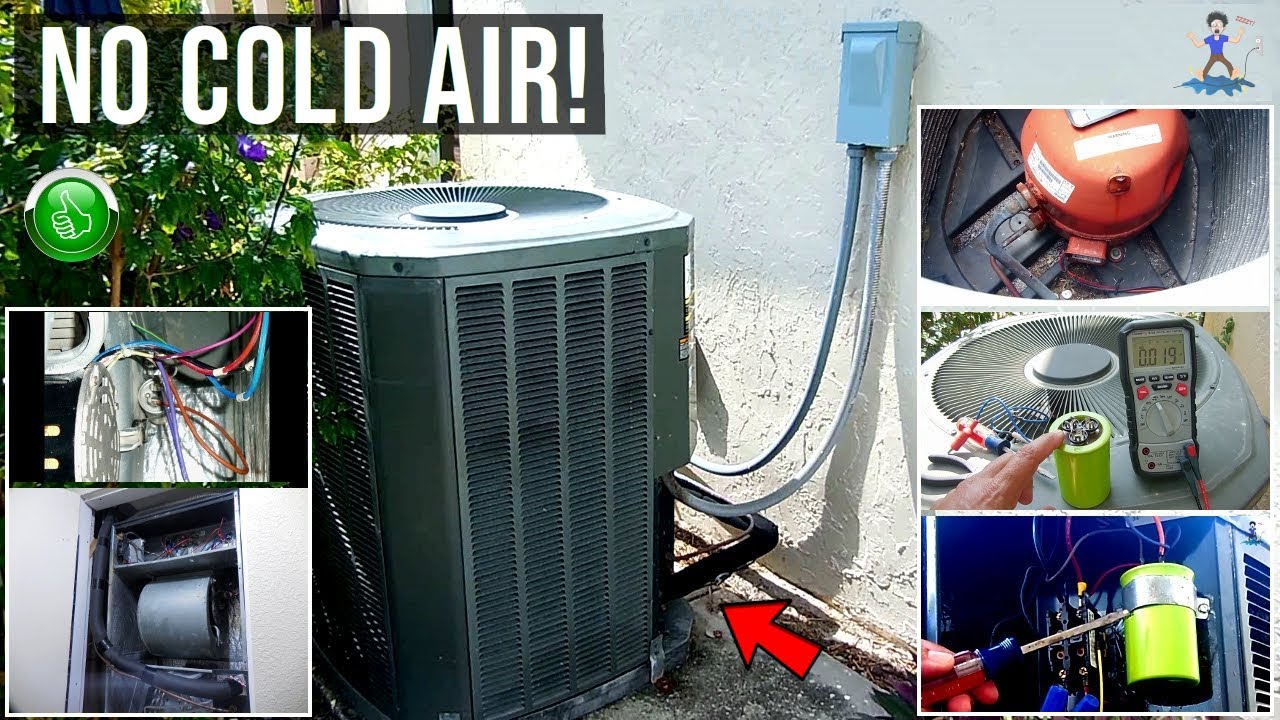
The compressor is often referred to as the “heart” of your air conditioning system. It’s a powerful motor that compresses refrigerant, increasing its temperature and pressure, and circulating it throughout the system to facilitate the cooling process. If the compressor fails or malfunctions, your AC will be unable to cool your home, resulting in warm air being blown from the vents.
Signs of a potential compressor issue include:
- The outdoor unit fan is running, but the compressor isn’t engaging (you might hear a humming sound, but no distinct “thump” or startup noise from the compressor itself).
- The AC unit starts and stops frequently (short cycling).
- An unusual humming or grinding noise coming from the outdoor unit.
- The circuit breaker for the AC trips repeatedly, indicating a power draw issue often associated with a failing compressor.
Compressor failures can be caused by a variety of factors, including electrical problems (like faulty capacitors or starting relays), lack of lubrication, overheating due to poor airflow or low refrigerant, or simply reaching the end of its operational lifespan. Repairing or replacing a compressor is typically one of the most expensive AC repairs, often costing hundreds or even thousands of dollars.
In some cases, if the compressor has failed catastrophically, it might be more cost-effective to replace the entire AC unit.
Ductwork Leaks: Losing Cool Air Before It Reaches You
Your ductwork is the network of tunnels that carries cooled air from your air handler to the various rooms in your house and returns warmer air back to the system. If these ducts have leaks, holes, or are not properly sealed, cooled air can escape into unconditioned spaces like attics, crawl spaces, or wall cavities before it ever reaches your living areas.
Even if your AC is producing cold air perfectly, duct leaks can make it seem like it’s blowing warm. This is because the air that eventually comes out of your vents has lost a significant portion of its coolness during its journey through the compromised ductwork. This leads to uneven cooling throughout the house, higher energy bills, and the AC system running for longer periods trying to compensate for the lost air.
Common causes of duct leaks include:
- Loose connections at joints and seams.
- Tears or punctures in the duct material.
- Poorly sealed register boots where ducts connect to vents.
- Deterioration of duct materials over time.
You might also notice:
- Uneven temperatures between rooms.
- High dust levels in your home.
- Strange noises (whistling or hissing) coming from vents or ceilings.
- Higher than usual energy bills.
Addressing duct leaks often involves sealing them with mastic sealant or specialized metal tape, or in more severe cases, replacing sections of the ductwork. Professional ductwork inspection and sealing services can significantly improve your AC’s efficiency and comfort.

Credit: www.8burger.it
Troubleshooting Steps For An Ac Blowing Warm Air
Before you pick up the phone to call a professional HVAC technician, there are several troubleshooting steps you can take yourself to diagnose the problem. Many common AC issues are surprisingly simple to fix, saving you time and money. Always prioritize safety and consult your system’s manual for specific instructions related to your model.
Check The Thermostat Settings
This is the most basic yet often overlooked step.
- Verify the Mode: Ensure your thermostat is set to Cool. If it’s set to Heat or Fan Only, it won’t engage the cooling cycle.
- Check the Temperature Setting: Make sure the desired temperature is set lower than the current room temperature. For example, if it’s 80°F (27°C) in your home, set the thermostat to 75°F (24°C) or lower to prompt cooling.
- Fan Setting: Confirm the fan is set to Auto. If it’s set to “On,” the fan will run continuously, even when the AC isn’t actively cooling, which can sometimes make it feel like warm air is blowing if the system is struggling.
- Batteries: If you have a digital thermostat, check and replace the batteries if they are low or dead.
Inspect And Replace The Air Filter
A dirty air filter is a prime suspect for restricted airflow and subsequent warm air issues.
- Locate the Filter: Air filters are typically found in the return air duct (the large grille that pulls air into your system) or inside the air handler unit itself.
- Visually Inspect: Pull out the filter and hold it up to a light source. If you can’t see light through it, or if it’s visibly clogged with dust and debris, it needs replacement.
- Replace the Filter: Purchase a new filter of the same size and MERV (Minimum Efficiency Reporting Value) rating as the old one. Ensure you install the new filter with the airflow arrow pointing in the correct direction (usually towards the furnace/air handler).
Examine The Outdoor Unit (condenser)
The outdoor unit plays a crucial role in heat dissipation.
- Clear Debris: Walk around your outdoor condenser unit. Remove any leaves, grass clippings, branches, or other debris that might be blocking the exterior fins. Be careful not to bend the fins.
- Check for Obstructions: Ensure there’s at least 2 feet of clear space around the unit for proper airflow. Trim back any overgrown bushes or plants.
- Listen for Operation: Turn the system to “Cool” and observe the outdoor unit. The fan should be spinning, and you should hear the compressor running (a humming sound). If the fan isn’t spinning or if there are unusual noises, it could indicate a problem.
- Gentle Cleaning (Optional): If the fins appear dirty, you can gently spray them with a garden hose from the outside in. Never use a pressure washer, as it can damage the delicate fins. Turn off the power to the unit at the breaker box before attempting any cleaning.
Check For Ice Buildup
Ice on the indoor or outdoor coils is a sign of a problem.
- Indoor Unit: Look for frost or ice on the refrigerant lines (copper pipes) leading into the indoor air handler or on the evaporator coil itself (often located above the furnace).
- Outdoor Unit: While less common for ice buildup in warm weather, check the larger refrigerant line connecting to the outdoor unit.
- Thawing Process: If you find ice, turn the AC system off at the thermostat, but leave the fan set to “On” or “Auto” to circulate room-temperature air over the coils. This will help melt the ice. This process can take several hours.
- Identify the Cause: Once thawed, try to determine the cause. Was the filter extremely dirty? Was airflow restricted? If the problem recurs, it likely indicates low refrigerant or a mechanical issue that requires professional attention.
Inspect The Circuit Breaker
Electrical issues can halt AC operation.
- Locate the Panel: Find your home’s main electrical panel.
- Identify the AC Breaker: Look for a breaker labeled “AC,” “Air Conditioner,” “HVAC,” or similar. It might be a double breaker.
- Check the Position: If the breaker is in the “Off” position or in a middle “Tripped” position, carefully flip it completely to “Off” and then back to “On.”
- Observe: If the breaker immediately trips again, do not attempt to reset it further. This indicates a serious electrical fault that requires an HVAC technician or electrician.
Listen For Unusual Noises
Pay attention to any sounds your AC system is making.
- Humming: A faint hum might be normal for the compressor. A loud, struggling hum could indicate an electrical issue with the compressor or fan motor.
- Clicking: Repeated clicking might mean the system is trying to start but can’t, possibly due to a faulty capacitor or relay.
- Grinding/Screeching: These noises often indicate serious mechanical problems with the fan motor or compressor.
- Hissing/Bubbling: This can be a sign of a refrigerant leak.
If you hear any of these unusual noises, it’s usually a sign that you should turn off the system and call a professional.
Credit: www.8burger.it
When To Call A Professional Hvac Technician
While DIY troubleshooting can resolve many minor issues, some AC problems are complex, require specialized tools, or involve potentially hazardous components like refrigerants and high-voltage electricity. Knowing when to call a qualified HVAC technician is crucial for ensuring your system is repaired correctly and safely.
Low Refrigerant Levels Or Suspected Leaks
As discussed, refrigerant is essential for cooling. If your system is low on refrigerant, it’s almost always due to a leak somewhere in the sealed refrigerant lines.
- Why you need a pro: Locating refrigerant leaks requires specialized detection equipment (like electronic leak detectors or UV dye). Safely recovering the old refrigerant, repairing the leak (which might involve brazing copper lines), and then recharging the system with the precise amount and type of refrigerant requires EPA certification and specific tools. Simply adding more refrigerant without fixing the leak is illegal, environmentally harmful, and can cause further damage to the compressor.
- Warning signs: Hissing sounds, oily residue around refrigerant lines, gradual loss of cooling, and ice buildup on coils are strong indicators of a leak.
Compressor Failure Or Malfunction
The compressor is the most vital and expensive component of your AC system.
- Why you need a pro: Diagnosing compressor issues involves checking electrical components like capacitors and relays, measuring refrigerant pressures, and assessing the compressor’s internal function. Replacing a compressor is a major repair that requires evacuating the refrigerant, removing the old unit, installing the new one, and then properly recharging the system. This is not a DIY job due to the complexity and specialized tools required.
- Warning signs: Repeatedly tripping breakers, loud humming or grinding noises from the outdoor unit, or the outdoor unit fan running while the compressor remains silent.
Electrical Component Failure (beyond Breakers)
While you can check your circuit breaker, other electrical components can fail.
- Why you need a pro: Capacitors (which help start motors), contactors (which act as switches), relays, and control boards can burn out or fail. These components are often integrated into complex electrical systems. A technician can safely test these parts, identify the faulty one, and replace it with the correct, compatible part. Working with high-voltage electrical systems without proper training and safety