
Most people think that when tupperware smells bad, it’s ruined, but this odor usually comes from trapped food oils or bacteria inside porous plastic. You can fix this by deep cleaning the container with a mixture of baking soda and water to neutralize the trapped scents.
Why your Tupperware still smells
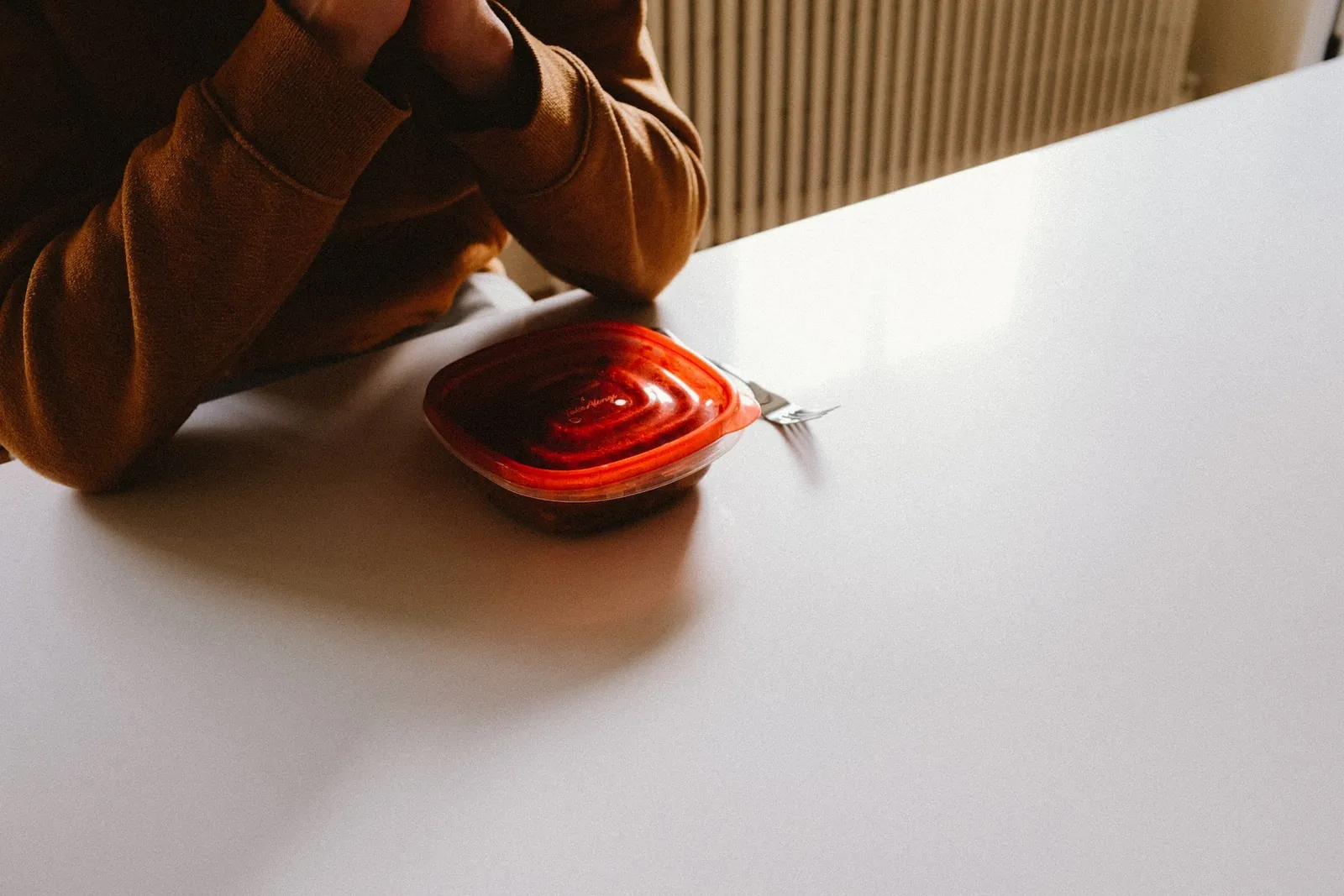
Many people soak their containers in hot water or use strong soaps, but this often fails to reach the particles hiding in tiny surface scratches. Using the right material for the cleaning process ensures you remove the odor without damaging the plastic surface.
| What most people do | What to do instead | Why it matters |
|---|---|---|
| Use boiling water | Use warm soapy water | Prevents plastic warping |
| Scrub with wire pads | Use soft microfiber cloth | Stops deep surface scratches |
| Soak in bleach | Use baking soda paste | Removes odors without toxins |
| Dry with damp cloth | Air dry completely | Prevents mold and mildew |
| Store with lids on | Store with lids off | Allows airflow to circulate |
| Wash once a week | Wash after every use | Stops stains and smells |
If you notice a cloudy film on your plastic, you have likely scrubbed too hard or used a chemical cleaner that etched the surface. Once the plastic is etched, no amount of soaking will remove the odors because the surface area has effectively doubled. In this case, stop trying to salvage the container and recycle it.
Deep cleaning with baking soda paste
The most effective way to remove lingering odors is a baking soda treatment. Baking soda acts as a mild abrasive and a natural deodorizer that draws out smells from the plastic pores. Mix three tablespoons of baking soda with one tablespoon of water to create a thick paste.
Apply this mixture to the inside of the container and let it sit for at least 24 hours. This duration allows the baking soda to absorb and neutralize the odor molecules trapped in the plastic surface. After the wait, rinse the container with warm water and mild dish soap. If the smell persists, repeat the process once more. This method works well for most food-grade plastics, provided they aren’t already cracked or heavily degraded.
Neutralizing odors with newspaper or coffee
Using dry newspaper or fresh coffee grounds is a clever trick for stubborn smells that soap can’t touch. Crumple a few sheets of dry, clean newspaper and stuff them loosely into the smelly container. Close the lid tightly and leave it in a cool, dark place for 48 hours. The paper fibers help absorb the scent molecules from the plastic walls.
If you don’t have newspaper, you can use fresh, dry coffee grounds instead. Place the grounds in a small open bowl inside the container, seal it, and leave it for two days. This process isn’t for containers that are already damaged or peeling, as those materials may hold onto the coffee scent permanently. If you see deep cracks or melting, it’s time to recycle the container rather than trying to clean it.
Proper storage and maintenance habits
Preventing smells before they start is easier than removing them after they settle. Always wash your containers immediately after use to stop food oils from hardening into the plastic. If you store your containers with the lids snapped shut, you create a perfect environment for trapped moisture to turn into a stale odor. Store them with the lids separated or resting loosely on top to allow fresh air to reach the interior surfaces.
If you notice a container is prone to holding smells, reserve it for dry goods like crackers or pasta instead of oily leftovers. This simple change avoids the recurring cycle of odors entirely. Use glass containers for highly acidic or oily foods, as they don’t absorb smells like plastic does.
This is a vital trade-off: plastic is light and cheap, but glass is easier to keep scent-free. When choosing between materials, remember that if the food contains tomato, curry, or heavy garlic, glass is the only way to ensure the container remains odor-neutral for its entire lifespan.
Popular tips you should ignore
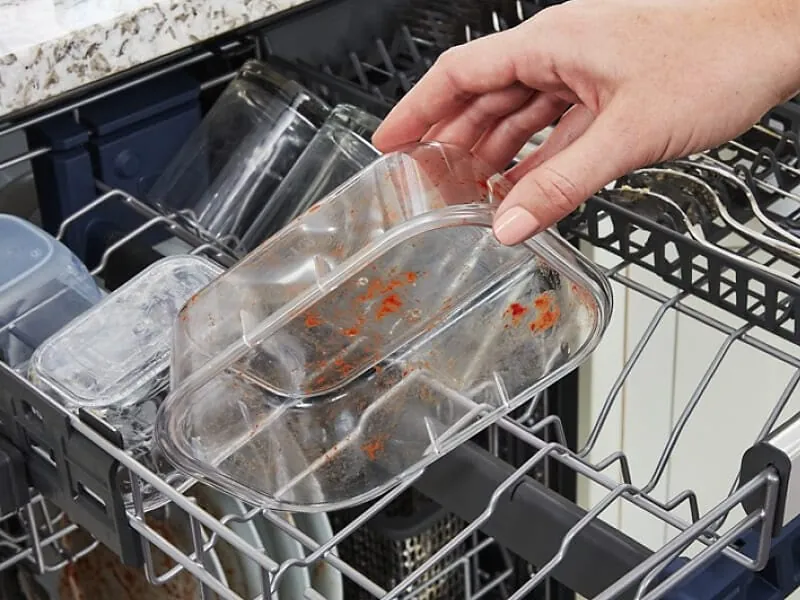
Putting containers in the dishwasher on high heat melts the surface at a molecular level. This creates microscopic pits where odors settle permanently. If your container feels tacky after a cycle, the plastic has already begun to degrade.
If you smell a sour tang after rinsing, stop using it immediately. Instead, use a paste of baking soda and water to neutralize odors without damaging the material.
Leaving containers in direct sunlight to deodorize causes rapid polymer breakdown. You’ll notice the plastic turning opaque or chalky within a few hours. Once this happens, the container is no longer food-safe because it will shed microplastics into your meals.
Harsh chemical sprays are designed for non-porous surfaces like glass or tile. When used on plastic, these chemicals seep into the material. You end up eating the cleaner along with your leftovers. Always stick to food-grade detergents.
The right way to refresh your containers
Wash the container with warm water and mild dish soap to remove surface debris. If the plastic feels tacky or oily, use a degreasing soap to ensure the paste adheres properly.
Create a paste using 3 tablespoons of baking soda and 1 tablespoon of water. Coat the entire interior surface of the container with this thick mixture.
Seal the container or cover it, letting it sit for 24 hours at room temperature. If you’re treating a container that held particularly pungent food like garlic or curry, leave it in a well-ventilated area for those 24 hours.
Rinse the container thoroughly with warm water until no grit remains on the plastic. If you feel a powdery residue, rinse again. Air dry the container completely upside down in a well-ventilated area for 12 hours. Never seal a damp container, as trapped moisture creates the perfect environment for mold.
Related guides
- Dog Smells Like Fish From Back End: Causes and Solutions
- 7 Best Digital Picture Frames for Your Home Photo Display in 2026
Frequently asked questions
Can I use bleach to remove smells?
Bleach is generally not recommended because it can degrade the plastic surface and leave behind chemical residues. If you must use it, dilute one tablespoon of bleach in one gallon of water and soak for only 30 minutes. Always wash the container thoroughly with soap afterward to ensure no bleach remains on the surface.
Why do my containers smell after washing?
Your containers smell because food oils have penetrated the microscopic pores of the plastic. This happens when food sits in the container for too long or when the plastic is aged and scratched. These oils remain trapped even after a standard wash, which is why a deep cleaning method like baking soda is necessary.
How long can I keep food in plastic?
You should aim to store leftovers for no more than three to four days in the refrigerator. Keeping food longer increases the chance of bacteria growth and makes it much harder to remove the resulting odors from the plastic. Always check the container for signs of wear or cracking before storing food inside.
Does the microwave cause the smell?
The microwave is a common cause of odor problems because high heat causes plastic to expand and release trapped oils. If you use plastic in the microwave, ensure it’s labeled as microwave-safe and avoid heating oily or fatty foods in it. These foods reach temperatures that can soften the plastic and cause permanent scent absorption.
Is it safe to keep using smelly plastic?
It’s safe to use the container if it’s clean and has no visible signs of damage like deep cracks or melting. If the smell is very strong even after cleaning, it may indicate that bacteria have colonized deep within the plastic. In that case, it’s safer to recycle the container and replace it with a new one.
How often should I deep clean my containers?
You should deep clean your containers every few months or whenever you notice a faint, lingering scent. Regular cleaning after each use is the best way to prevent the need for a deep clean. If you use the container for pungent foods like garlic or curry, give it a baking soda rinse immediately after you empty it.
Conclusion
If these simple tricks don’t work, it’s likely time to recycle those old containers and replace them with glass alternatives. Glass doesn’t hold onto odors or stains, so you won’t have to worry about lingering smells in the future. You’ll definitely enjoy having a fresh, clean kitchen that’s ready for your next meal.