
You can resolve the issue when your toenails smell bad by cleaning the area under and around the nail plate with mild soap and water twice daily. This odor usually comes from trapped moisture and bacteria buildup beneath the nail or inside the nail bed. If you notice persistent redness, swelling, or yellowing, the cause is often a fungal infection that requires professional medical care.
Why toenails start to smell
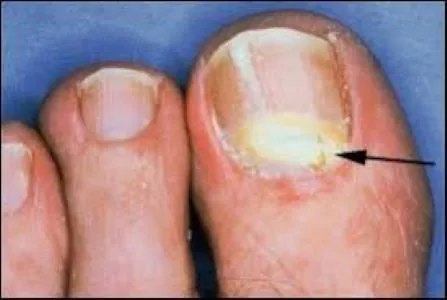
The primary reason for this smell is the accumulation of dead skin cells, sweat, and debris in the small gap between the nail and the skin. Your feet are naturally warm and dark, which creates a perfect environment for bacteria and fungi to grow. When these organisms break down the organic material trapped under the nail, they release sulfur-containing compounds that create a distinct, unpleasant odor.
Another factor is the type of footwear you wear. Shoes that don’t breathe well trap sweat against your toes, keeping the area damp for hours. If you wear the same pair of shoes every day, they never fully dry out, allowing moisture levels to remain high.
This constant dampness softens the skin under the nail, making it easier for bacteria to colonize the area. According to the American Academy of Dermatology Association, persistent odor or changes in nail appearance are common indicators of a fungal infection that needs treatment.
Clean the nail bed thoroughly
To clear the odor, use a soft-bristled nail brush and gentle soap to scrub the area around the nail fold. You must be careful not to push the nail plate upward, as this can cause pain or damage the nail bed. If you feel sharp pain while cleaning, stop immediately and consult a podiatrist.
After washing, dry your toes completely with a clean towel. Moisture left between the toes or under the nail is the most common reason the smell returns. If you have thick, overgrown nails that are hard to clean, you should see a doctor or a medical pedicurist to have them trimmed safely. Don’t try to dig deep under the nail with metal tools, as this can break the skin and lead to a secondary infection.
Change your footwear habits

Switching your shoes every day is the most effective way to keep the area dry. When you rotate between two or three pairs, each pair has at least 24 hours to air out and lose the moisture absorbed during the day. If you work in a job that requires boots, consider using a shoe dryer to remove humidity overnight.
You should also choose socks made of moisture-wicking materials like merino wool or synthetic blends instead of pure cotton. Cotton absorbs sweat and holds it against your skin, which keeps the toe area wet. If you notice your feet getting damp during the day, change your socks during your lunch break. This simple change reduces the food source for the bacteria that cause the smell.
Use antifungal treatments if necessary
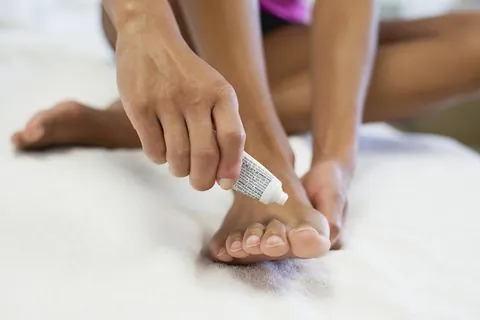
If cleaning and drying don’t remove the smell after two weeks, you might have a deeper fungal growth. Over-the-counter antifungal creams or lacquers can help, but they only work if the infection is minor and stays on the surface. If the nail is thick, discolored, or crumbling, these products will likely fail because they can’t penetrate the nail plate.
For severe cases, you need a prescription medication from a doctor. This is the only way to kill the fungus from the inside out. Don’t wait for the nail to fall off or become painful before seeking help. A podiatrist can evaluate the health of your nail bed and decide if you need oral medication or a professional cleaning procedure to resolve the issue permanently.
Myths about foot hygiene
Soaking feet in vinegar or bleach to kill odors is a dangerous myth. These harsh substances strip away your natural skin barrier, leading to chemical burns that create open wounds for bacteria to thrive. If your feet smell, focus on moisture management rather than chemical sterilization.
Cutting toenails as short as possible often causes ingrown nails. You should always leave a small white margin of nail visible, as this prevents the nail edge from digging into the soft tissue of the toe as it grows.
Applying heavy perfumes or powders to mask a scent is counterproductive. These products trap moisture against the skin, which feeds the bacteria responsible for the odor. If you notice a persistent, foul smell, consult a healthcare professional to determine if the cause is a fungal or bacterial infection.
Scrubbing with steel tools damages the delicate nail plate. Use a soft pumice stone instead to remove dead skin gently.
Keeping your feet dry and healthy
| If you’re doing this | Do this instead | Why |
|---|---|---|
| Wearing cotton socks | Wear moisture-wicking wool | Cotton holds sweat against skin |
| Wearing the same shoes | Rotate shoes every day | Shoes need time to dry out |
| Trimming nails very short | Trim straight across | Prevents painful ingrown nails |
| Using harsh disinfectants | Use mild soap and water | Disinfectants can burn the skin |
If you feel dampness between your toes after a hike, apply a dusting of talc-free foot powder before putting on fresh socks. This simple step prevents the friction that leads to blisters.
Most people make the mistake of ignoring minor skin cracks, assuming they will heal overnight. If the skin is white and soggy, you must air dry your feet for at least twenty minutes before sleeping. If the skin is red and peeling, you’re likely dealing with a fungal infection that requires an over-the-counter antifungal cream.
Apply this rule: if your shoes remain damp to the touch twelve hours after wear, they aren’t drying fast enough. In this case, remove the insoles entirely to increase airflow. Investing in a second pair of boots is cheaper than treating a persistent case of athlete’s foot.
Related guides
Frequently asked questions
Can I use tea tree oil to stop the smell?
Yes, some people find that tea tree oil helps mask the odor, but it doesn’t fix a deep infection. It has natural antiseptic properties, yet it can’t penetrate a thick nail plate to kill fungus. If you use it, apply a small drop to the skin around the nail. If your skin turns red or itches, wash it off immediately and stop using it.
How long does it take for the smell to go away?
It typically takes about 1 to 2 weeks of consistent cleaning and drying to notice the smell fading. If you have an active fungal infection, the odor won’t fully disappear until the infection is treated. You should see a doctor if the smell persists for more than a month despite daily cleaning efforts.
Is it safe to dig out the gunk under my nail?
No, it isn’t safe to use sharp tools to dig under your nail. Doing this creates small wounds in the nail bed, which allows more bacteria and fungus to enter. Use a soft brush or a washcloth instead. If there’s hard debris that won’t come out, see a podiatrist to have it removed safely without damaging your skin.
Why do my toenails smell like cheese?
The smell of cheese often comes from a buildup of dead skin, sweat, and bacteria trapped under the nail. These bacteria produce organic acids as they break down the skin cells in your nail bed. This is a common sign that the area under your nail isn’t staying dry enough during the day.
What happens if I ignore the smell?
If you ignore the smell, you risk developing a more severe fungal infection or a painful bacterial infection called paronychia. This can cause the nail to become thick, yellow, and brittle over time. In some cases, the infection can spread to the surrounding skin, making it painful to wear shoes or walk comfortably.
How do I know if the smell is a fungus?
You likely have a fungus if your nail is discolored, thickened, or brittle along with the bad smell. A healthy nail should be clear and smooth. If you see white or yellow spots under the nail, that’s a strong indicator of a fungal presence. Only a doctor can confirm this with a lab test of nail clippings.
Conclusion
If you don’t see any improvement after a few weeks of consistent care, it’s time to schedule an appointment with a podiatrist. They’ll help you determine if you’ve got a stubborn infection that needs prescription treatment. Don’t wait too long, as getting the right advice will help your feet feel healthy again.