
Cleaning the unit or checking for leaks is the best way to stop a radiator smells bad issue, as trapped debris or heating fluid is usually the culprit. Most of the time, the odor comes from dust burning off the metal surface when the heat turns on for the first time in the season. If the smell is sweet or chemical, you likely have a small leak in the system.
Why your radiator smells bad
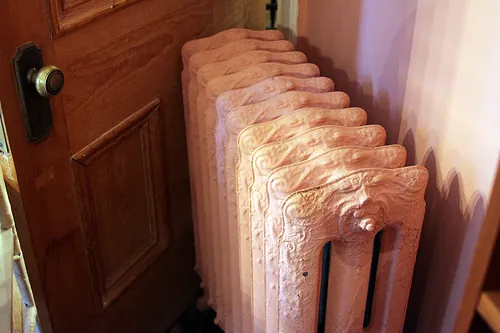
The most common reason for an odor is the accumulation of dust and pet hair on the fins or behind the unit. When the metal warms up, these particles bake, releasing a burnt smell into the room. This is harmless but can be bothersome until the dust is fully cleared away. Another cause is the presence of stagnant water or moisture trapped near the base.
If you notice a distinct, sweet, or syrupy scent, this often points to a leak of antifreeze or glycol from the heating system. These chemicals are used in some hydronic systems to prevent freezing and corrosion. You should also consider if the smell is coming from the paint or finish on the radiator. If the unit was recently repainted, the heat can cause the new paint to off-gas for several days.
Vacuum and wipe the fins
This fix is for anyone dealing with a burning dust smell that happens when the heat first kicks on. Start by turning the radiator off and letting it cool completely to avoid burns. Use a long, thin vacuum attachment to reach deep between the metal fins where dust settles. If you can’t reach the center, use a damp cloth wrapped around a ruler or a specialized radiator brush to push the debris out.
Wipe the exterior surfaces with a mixture of warm water and mild dish soap to remove lingering grime. If the smell persists after a deep clean, the dust might be trapped inside the wall cavity behind the unit.
You should only use water and mild soap; avoid harsh chemical cleaners that could damage the metal finish or create fumes when heated. If you see signs of heavy rust or significant metal decay, consult a professional plumber to evaluate the structural integrity of the unit.
Bleed the trapped air
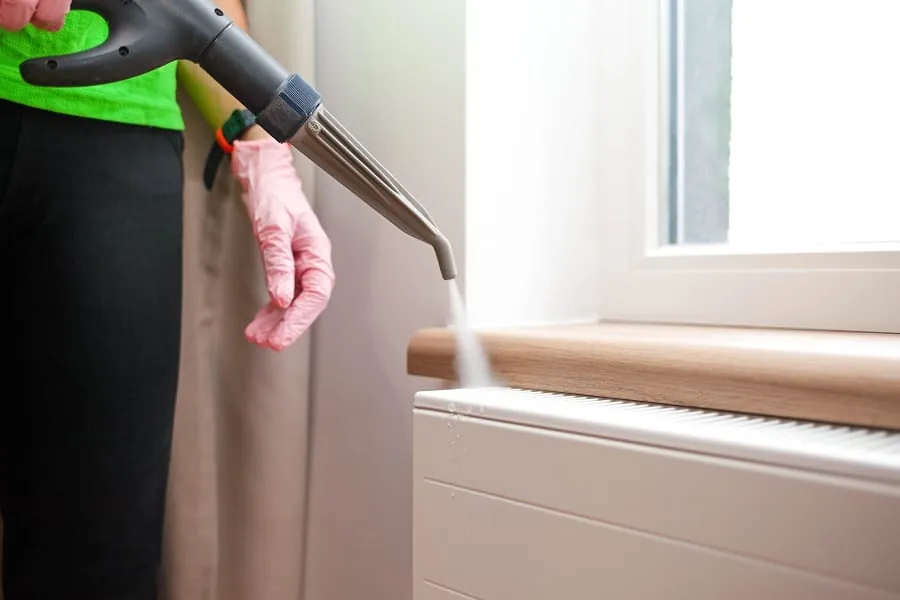
This method is for systems that make gurgling sounds or have cold spots along with an odd smell. Air trapped in the pipes can cause the water to circulate poorly, which leads to overheating and potential odors from the fluid. You’ll need a radiator key, which is available at most hardware stores, and a small container to catch any drips. Locate the bleed valve, usually found at the top corner of the radiator.
Slowly turn the key counter-clockwise until you hear a hissing sound of escaping air. Keep the container ready, as a small amount of water will eventually follow the air. Once a steady stream of water flows, tighten the valve back up firmly.
This process helps the system run more efficiently and prevents localized overheating. If you have a pressurized system, check your boiler’s pressure gauge after bleeding, as you may need to add water to maintain the recommended range for your specific model.
Inspect for active leaks
This approach is for cases where the smell is strong, persistent, and doesn’t go away after cleaning. Check the joints, valves, and the floor directly beneath the radiator for damp spots or discolored residue. A leak can allow heating fluid to drip onto the hot surface, creating a pungent chemical odor. If you find a wet spot, place a dry paper towel on it to see if the liquid is clear or colored.
If the leak is coming from the valve, try tightening the packing nut with a wrench. If the leak continues, you should call a heating technician to replace the valve or the seal. Never attempt to solder or weld a leaking pipe yourself unless you’re trained, as this carries a high risk of fire or severe burns. If the system loses pressure quickly, shut off the supply to that unit to prevent further damage to your floors or walls.
Common odor myths to avoid
- Using aerosol air fresheners directly on the unit: Spraying chemicals onto a hot radiator can cause the residue to burn and create toxic fumes.
- Painting over rust to hide the smell: This traps moisture underneath and will eventually cause the metal to corrode faster, worsening the underlying leak.
- Pouring bleach into the system: Household cleaners aren’t designed for heating loops and can cause severe corrosion to your pipes and boiler.
- Ignoring a sweet smell: Many people assume it’s just the heat, but a sweet scent is a warning sign of a glycol leak that needs repair.
Keep your radiator smelling fresh
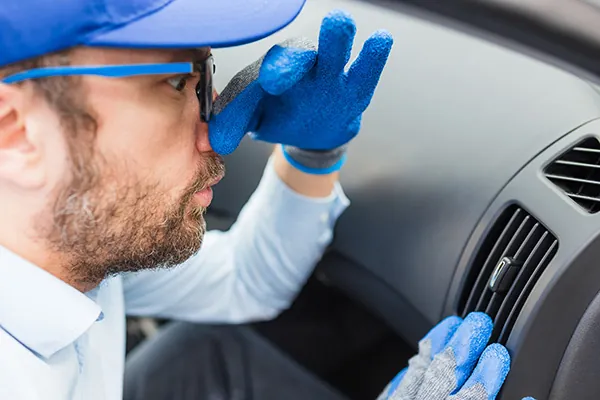
You can prevent most odors by keeping the area around your heating unit clear of debris and performing seasonal checks. If you’re currently doing one thing, change your habits to match the recommended care below.
| If you’re doing this | Do this instead | Why |
|---|---|---|
| Leaving dust on fins | Vacuum them monthly | Prevents burning smells |
| Using harsh cleaners | Use mild soap | Protects the metal finish |
| Ignoring gurgling | Bleed the radiator | Removes trapped air pockets |
| Hiding damp spots | Inspect for leaks | Prevents floor damage |
Related guides
Frequently asked questions
How long does the burning smell last?
The burning smell usually lasts for 2 to 4 hours of continuous operation when you first turn the heat on for the season. If the smell continues after the initial burn-off period, it means there’s still dust trapped deep inside the fins or an active leak of heating fluid that requires your attention.
Is it safe to breathe in radiator smells?
Most radiator smells caused by burning dust aren’t dangerous, but they can irritate your throat or eyes. If the smell is sharp, chemical, or sweet, you should open a window to ventilate the room and contact a professional. These odors often indicate a leak of hazardous heating chemicals that shouldn’t be inhaled in an enclosed space.
Why does my radiator smell like rotten eggs?
A rotten egg smell is often caused by bacteria growing in stagnant water if your system hasn’t been used in a long time. This is common in older, gravity-fed heating systems that haven’t been flushed recently. You should have a professional technician flush the system to remove the bacteria and ensure the water quality is safe.
How often should I clean my radiators?
You should clean your radiators at least twice a year, once before the heating season starts and once in the middle of winter. Regular cleaning prevents the buildup of dust and pet dander that causes odors. If you have pets that shed heavily, you may need to clean the units more frequently to keep the air quality high.
What happens if I ignore a radiator leak?
Ignoring a leak will lead to water damage on your floors, carpets, and walls, and it will eventually cause your boiler to lose pressure. If the system loses too much pressure, the boiler may fail to heat your home entirely. A small, inexpensive valve repair today is much cheaper than replacing damaged flooring or an entire boiler unit later.
Can I use a hair dryer to clean inside?
You can use a hair dryer on a cool setting to blow dust out of the fins, but never use it on a high heat setting. High heat can damage the paint finish. Always use a vacuum with a narrow attachment to pull the dust out instead of blowing it into the room.
Conclusion
To keep your home environment comfortable, prioritize regular maintenance and quick inspections of your heating equipment. If the scent is unusual or persists despite your best cleaning efforts, don’t hesitate to contact a professional heating technician. Taking action early protects both your comfort and your home.