
You can remove the odor by washing your bedding in hot water with a mild detergent, using vinegar only in the rinse cycle. Most people find that a pillow smells bad because sweat, skin oils, and dead skin cells soak into the fabric and stuffing over time. Regular cleaning stops this buildup before it creates a permanent scent.
Why your pillow smells
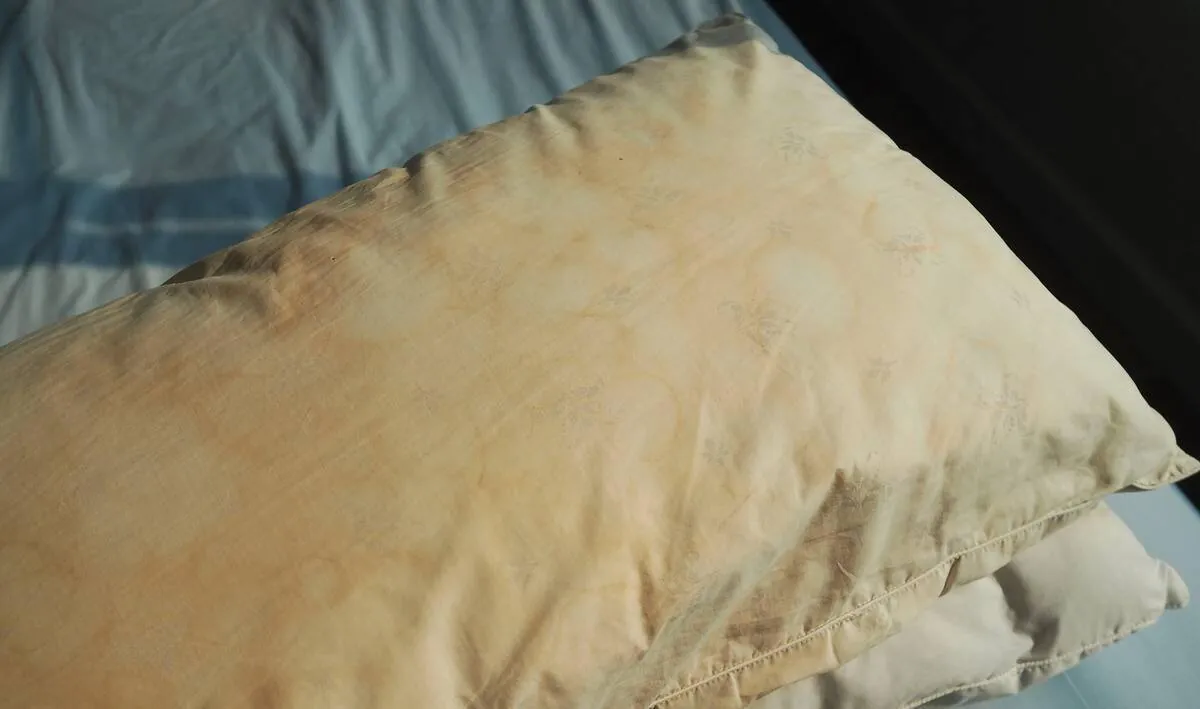
The primary reason for a lingering scent is the accumulation of organic material. As you sleep, your body sheds skin cells and releases sweat, which filters through the pillowcase and into the pillow core. These materials provide a perfect environment for bacteria and dust mites to thrive, leading to that distinct, musty odor.
Moisture is the biggest factor here. If you live in a humid climate or tend to sweat heavily at night, your pillow stays damp for longer periods. This moisture encourages the growth of mold or mildew inside the fibers. Even if your pillow looks clean on the outside, the inner stuffing often holds onto these particles.
If you ignore these smells, they can become trapped deep within the foam or feathers. This makes them much harder to remove later on.
Wash synthetic and down pillows
To clean synthetic or down pillows, check the care label first to ensure they’re machine washable. Most standard fiber-filled or down pillows can go into your washing machine on a gentle cycle. Use a mild liquid detergent and set the machine to a warm water temperature, as this helps break down the oils that cause the smell.
If you have a top-loading machine, wash two pillows at once to keep the machine balanced. After washing, place them in the dryer on a low heat setting with a pair of clean tennis balls or dryer balls. These balls help fluff the stuffing and prevent it from clumping while it dries.
Never use high heat, as this can melt synthetic fibers or damage the natural oils in down feathers. If you’re unsure about your specific model, check the manufacturer’s website for their official cleaning guidelines.
Deodorize memory foam pillows

Memory foam requires a different approach because you can’t submerge it in water. If you put foam in a washing machine, it will crumble and lose its shape permanently. Instead, take off the cover and wash it separately in your machine. For the foam core, use a handheld vacuum to remove any loose dust or skin cells from the surface.
Next, sprinkle a generous layer of baking soda over the entire surface of the foam. Let it sit for at least two hours to absorb the trapped odors, then vacuum the powder away thoroughly. If the smell persists, place the foam in a well-ventilated area out of direct sunlight for a full day.
Direct sun can degrade the foam structure, so keep it in the shade. This method is safe for most standard memory foam, but always verify the specific foam type with the maker if you have a premium or specialized cooling model.
Use a protective pillow protector
A zippered pillow protector acts as a barrier between your skin and the pillow itself. This is the best way to keep your pillow fresh for months, as it blocks sweat and oils from reaching the stuffing. Choose one made from a breathable, moisture-wicking fabric so it doesn’t trap heat while you sleep.
This fix is ideal for anyone who wants to spend less time washing their actual pillows. If you have a high-end down pillow that’s difficult to clean, the protector is an essential investment. It’s much easier to toss a thin protector into the laundry every two weeks than it’s to dry a bulky pillow. If you notice the smell returning, simply swap the protector for a clean one. It’s a simple habit that saves the life of your pillow.
Common mistakes to avoid
Never use bleach to remove odors. It permanently damages synthetic fibers and triggers yellowing on memory foam or down. If your pillow looks dingy, use a half-cup of white vinegar in the rinse cycle instead.
Rushing the drying process is a common mistake that costs you the entire pillow. Even a teaspoon of trapped moisture creates a breeding ground for mold that spreads within hours. If the center feels cool or heavy after a cycle, it’s still damp.
Always check the care tag for specific temperature limits. Some luxury materials lose their warranty the moment they touch water. If the tag is missing, assume the pillow is dry-clean only to avoid ruining the internal structure.
Masking smells with heavy perfumes adds unnecessary chemicals to the fabric. These residues trap dust and irritate your skin over time. If the odor persists after a deep clean, the foam has likely degraded and requires replacement.
Keep your pillows fresh
The best way to stop the problem is to replace your pillow covers often and use a protector. If you’re currently struggling with a bad scent, use this table to choose the right path for your specific pillow type.
| If you’re doing this | Do this instead | Why |
|---|---|---|
| Washing foam in water | Vacuum and baking soda | Water ruins foam structure |
| Using high heat drying | Low heat with wool balls | High heat shrinks stuffing |
| Skipping the protector | Use a zippered cover | It stops oil from soaking in |
| Ignoring wet hair | Dry hair before bed | Moisture breeds bacteria |
Related guides
Frequently asked questions
Can I put my pillow in the dryer?
Yes, you can put most synthetic and down pillows in the dryer on a low heat setting. Always include clean tennis balls or dryer balls to help keep the stuffing from clumping together. Avoid using high heat, which can damage the materials. If you have a memory foam pillow, never put it in the dryer because the heat will destroy the foam.
How often should I wash my pillows?
You should aim to wash your pillows every three to six months, depending on how much you sweat at night. If you use a quality pillow protector and wash that cover every two weeks, you can often go longer between deep cleans. If you notice a faint musty smell, it’s time to wash them regardless of the calendar.
Is it safe to use vinegar on pillows?
Yes, it’s safe to use a half-cup of white vinegar in the wash cycle for most standard pillows. Vinegar is a natural deodorizer that helps break down buildup without the harsh chemicals found in traditional cleaners. Always ensure you run an extra rinse cycle to remove any lingering vinegar scent before putting the pillows into the dryer.
Why does my pillow smell like chemicals?
New memory foam pillows often have a distinct chemical odor known as off-gassing. This happens during the manufacturing process and is normal for most new foam products. The smell should fade on its own within 48 to 72 hours if you keep the pillow in a well-ventilated room. If the smell persists after a week, contact the manufacturer for a potential replacement.
Can I use baking soda on all pillows?
Yes, baking soda is a safe, dry way to deodorize any type of pillow, including memory foam and down. Simply sprinkle it on, let it sit for two hours, and vacuum it off. It works by absorbing moisture and neutralizing acidic odors trapped in the fabric. It’s a gentle method that doesn’t require water, making it perfect for delicate items.
How long does a pillow last?
A standard pillow typically lasts for a limited period before it loses its support and begins to hold onto too many allergens.
Conclusion
If your cushion still feels stale after a deep clean, it’s likely time for a replacement. Old stuffing loses its support and traps odors that won’t wash away. Treat yourself to a fresh, breathable upgrade soon, and you’ll sleep much better knowing your head is resting on something clean and supportive.