
To remove an oven smells bad, you should heat the appliance to 450°F for 30 minutes to burn off leftover food particles, then wipe the interior once it cools down. The most common cause is old grease or food drips stuck to the oven walls or heating elements. If the smell persists, you likely have carbonized debris trapped in the crevices that needs a manual scrub with a gentle abrasive.
Why your oven has a lingering odor
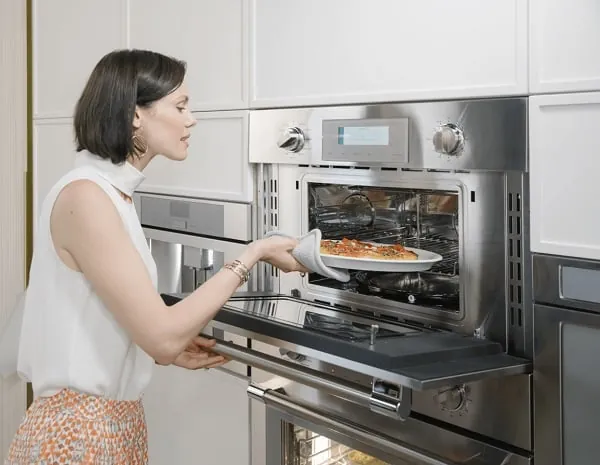
The primary reason for an unpleasant scent is the accumulation of food residue. When you cook, splatters of oil and bits of food land on the base or sides of the oven. Each time you turn the unit on, these leftovers heat up and release volatile organic compounds into the air. This process is essentially a slow, incomplete combustion of organic material.
Another cause is the presence of cleaning product residue. If you used a harsh chemical cleaner but didn’t rinse it thoroughly, the heat will vaporize the leftover chemicals, creating a sharp or plastic-like smell. Additionally, if you have a new oven, the factory-applied protective coating or insulation can off-gas during the first few uses.
This is a normal part of the break-in process and usually disappears after a few hours of operation at high heat. Always check your manufacturer’s cleaning guidelines to see if specific materials in your model require unique care or if they advise against certain chemical agents.
Heat the oven to burn off debris
This method is best for small, dried-on food spills that are difficult to reach. Set your oven to 450°F and let it run for 30 to 60 minutes. The high temperature turns most organic spills into dry ash, which you can easily sweep out with a dry cloth or a soft brush once the oven is completely cool.
If you have a self-cleaning oven, you might be tempted to use that feature. However, if your oven is heavily soiled, the self-clean cycle can produce thick smoke that lingers in your home for hours. If the spill is fresh or liquid, don’t use the high-heat method immediately, as it may cause the spill to catch fire.
Always remove large, loose chunks of food by hand before starting any heat-based cleaning process. If you notice a persistent chemical smell during this process, turn the oven off immediately and ventilate the room by opening nearby windows.
Scrub the interior with baking soda
This method works well for removing stubborn, greasy stains that heat alone can’t move. Mix one cup of baking soda with three tablespoons of water to create a thick paste. Spread this paste over the interior surfaces, avoiding the heating elements and any vents. Let the mixture sit for at least 12 hours, or overnight, to break down the hardened grease.
After the time has passed, use a damp cloth or a plastic scraper to remove the paste. You’ll see the grease lift away with the baking soda. Wipe the surfaces down with a clean, damp cloth until no white residue remains. This isn’t for people who need an instant fix, as the chemical reaction requires time to soften the debris.
If you accidentally get paste on the heating elements, ensure you wipe it off completely with a dry cloth before turning the oven back on, as the residue can cause smoking during your next cook.
Clean the racks and heating elements
Sometimes the smell doesn’t come from the oven walls, but from the accessories inside. Remove the metal racks and soak them in a sink filled with hot, soapy water for one hour. Use a non-scratch scrub brush to remove any burnt-on fat. While the racks soak, look at the heating elements at the bottom or top of the oven.
If you see black, charred bits on the elements, gently wipe them with a dry cloth. Never use water or soap on the heating elements, as this can damage the electrical components or cause a short circuit.
If the elements appear damaged, frayed, or have white powdery patches, this is a sign they may need replacement by a professional technician. If you only notice the smell when the fan is running, the issue might be in the convection fan cover, which often collects dust and grease.
Common mistakes that cause odors
Leaving foil on the bottom of the oven creates a heat trap that burns food particles and ruins the finish. If you notice a metallic, acrid smell after cooking, check the bottom immediately. Any discoloration indicates the foil is trapping heat, which can permanently damage the oven’s porcelain enamel floor.
Using abrasive steel wool on the oven interior scratches the enamel. These microscopic grooves create more surface area for future grease to stick, making every subsequent cleaning harder. If you see deep scratches, switch to a nylon scrub brush to prevent further degradation.
Cleaning the oven while it’s still hot causes chemical vapors to release suddenly. These fumes can irritate your lungs and eyes. Always wait until the interior reaches room temperature before applying any degreaser.
Forgetting to clean the door seal allows crumbs to build up in the rubber fold. This causes a sour smell every time you open the door. Wipe this gasket weekly with a damp cloth.
Running a self-clean cycle with racks inside warps the metal. This ruins the sliding mechanism, making the racks stick or tilt during use. Always remove them beforehand.
Preventing future oven smells

The best way to keep your oven fresh is to clean it regularly rather than waiting for a strong odor to appear. A simple wipe-down after every use prevents grease from hardening into a permanent layer.
| If you’re doing this | Do this instead | Why |
|---|---|---|
| Leaving spills for weeks | Wipe spills after each use | Prevents carbonization and smoke |
| Using oven cleaners monthly | Wipe with soapy water weekly | Keeps grease from building up |
| Forgetting the door seal | Clean the seal with a damp cloth | Stops crumbs from rotting in folds |
| Covering the bottom with foil | Use a dedicated oven liner | Allows airflow and prevents burning |
Related guides
Frequently asked questions
Can I use vinegar to remove oven smells?
Yes, you can spray a mixture of equal parts white vinegar and water on the interior walls to cut through light grease. Let it sit for 15 minutes before wiping it away with a clean cloth. If the smell is very strong, vinegar helps neutralize the odor, but it won’t remove heavy, burnt-on carbon deposits as effectively as a baking soda paste.
Is it safe to use my oven if it smells like gas?
No, if you smell a sulfur or rotten egg scent, you must turn off the oven, leave the house immediately, and call your gas provider. This indicates a potential gas leak, which is a serious safety hazard. Don’t attempt to use the oven or turn on any lights until a professional has inspected the line and confirmed it’s safe.
How long does the smell last after cleaning?
The smell should disappear within 30 minutes of the first time you heat the oven after cleaning. If it lasts longer, you likely missed a spot of grease or left behind some cleaning product residue. Ensure the oven is completely dry before heating it, as steam can sometimes trap smells inside the insulation and make them linger for longer than expected.
Why does my oven smell when I turn it on?
The smell happens because heat causes old, hidden food particles and grease to melt and burn off the surfaces. This is a common issue in most kitchens. If the smell is accompanied by visible smoke, you have a significant amount of food debris that needs to be manually cleaned before you use the oven for cooking again to avoid affecting your food’s flavor.
How often should I deep clean my oven?
You should deep clean your oven every three to six months, depending on how often you cook. If you frequently roast meats or bake items that splatter, you may need to clean it every three months. If you only use the oven for light baking or reheating, a deep cleaning twice a year is usually enough to prevent bad odors from forming.
Conclusion
If the odor still lingers after a deep clean, check your oven’s filter or vent for trapped particles. Replacing these small parts often solves the issue for good. You’ll find that keeping the interior wiped down after each use prevents these smells from coming back, so you won’t have to worry again.