
An old house smell is usually caused by trapped moisture, dust, or decaying organic matter that builds up in floorboards, walls, and old fabrics over many years. It happens because surfaces absorb odors like a sponge, releasing them slowly whenever the air gets humid or warm. Fixing it requires finding the hidden source of the trapped air, cleaning the affected materials, and improving the home’s natural airflow.
Sources of musty indoor odors
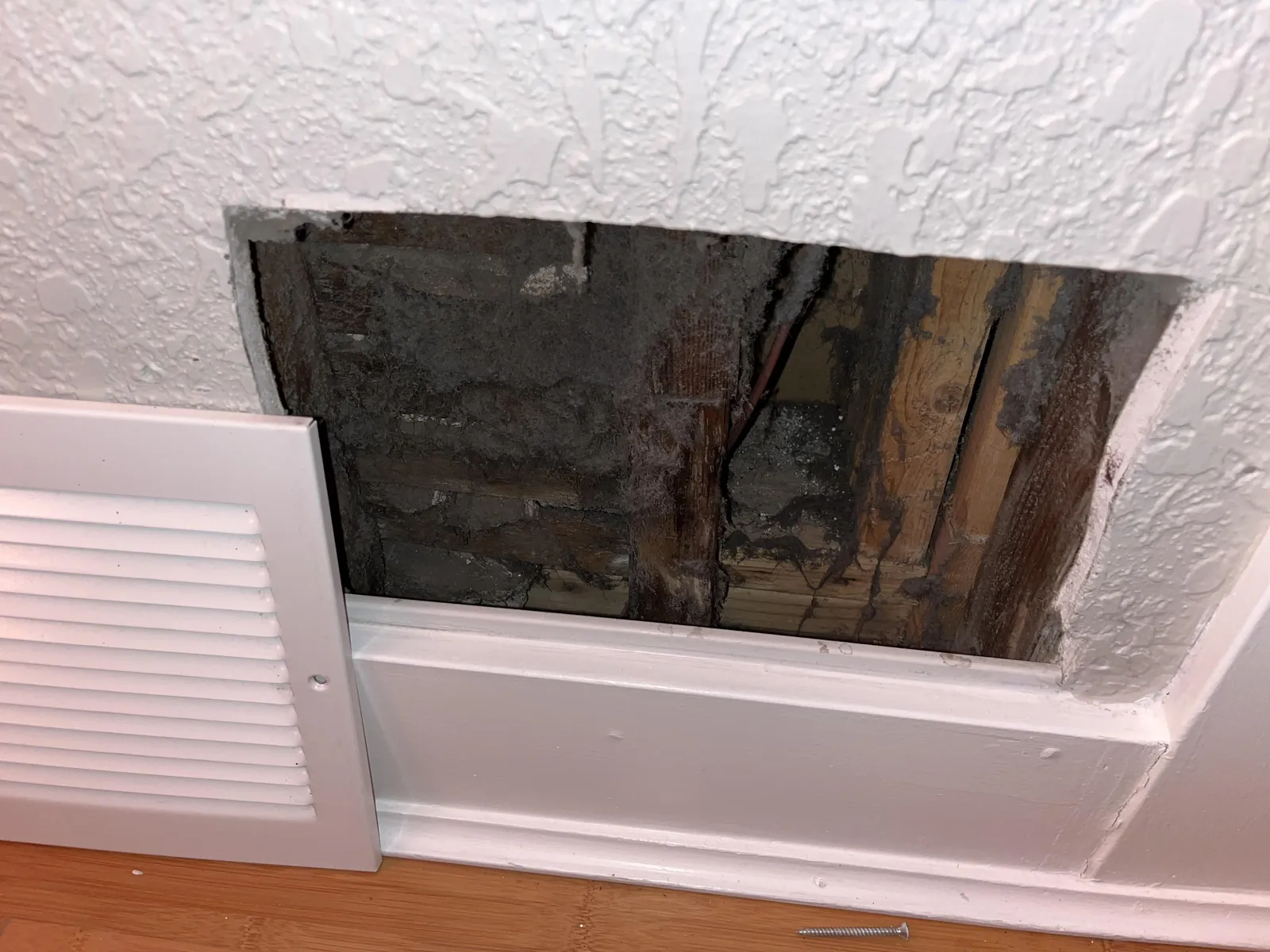
You can identify common problem areas by checking materials that hold onto scents. When these parts are ignored, odors persist even after you clean the surface air.
| Part or input | What it does | What you notice when it goes wrong |
|---|---|---|
| Floorboards | Holds dust and moisture | Strong smell when walking across room |
| Wall cavities | Traps stale air | Odor gets worse near electrical outlets |
| Carpet padding | Absorbs spills and humidity | Smell remains after vacuuming the surface |
| Attic space | Collects heat and moisture | Heavy, damp scent in upper levels |
| Basement walls | Seeps moisture into air | Sharp, earthy scent near the foundation |
| HVAC ducts | Circulates trapped dust | Odor spreads through house when running |
Eliminating odors in your home
Follow these steps to clear the air in your home. This process assumes a standard 1,500-square-foot house; for larger homes, allow extra time for each phase.
- Open every window for 4 hours to replace stale air with fresh oxygen. This helps reduce the concentration of trapped particles that cause the smell.
- Vacuum all carpets and fabric surfaces using a machine with a HEPA filter. Do this twice in each room to remove deep dust that holds onto odors.
- Wash hard surfaces with a mixture of 1 cup of white vinegar per 1 gallon of warm water. This neutralizes acidic odors without leaving harsh chemical scents.
- Place small bowls of baking soda in closets and corners for 48 hours. The soda absorbs lingering moisture and odors that are floating in the air.
- Check for dampness under sinks or near baseboards once a week. If you find wet wood or drywall, you must dry the area immediately to stop decay.
- Replace air filters in your heating or cooling system as needed based on your specific usage. Consult your owner’s manual for the manufacturer’s recommended maintenance schedule. A clean filter prevents dust from building up and circulating through your living spaces.
Why old house smells persist

Old houses often develop specific smells because of how they were built compared to modern homes. Older construction methods often lack the vapor barriers found in newer homes, allowing moisture from the ground or outside air to move through walls. This moisture settles into porous building materials like wood, plaster, and insulation. Over several decades, these materials act as a reservoir for organic particles. When the humidity rises, these particles release odors back into the room.
The problem is rarely one single thing. It’s usually a combination of dust, age, and moisture. If the smell is localized to one corner, it might be a small leak in a pipe or a window seal. If the smell is everywhere, it’s likely the accumulation of decades of dust in the walls or under the floorboards.
Distinguishing between a “dusty” smell and a “moldy” smell is important. A dusty smell is usually dry and goes away after a deep cleaning. A moldy smell is sharp, damp, and often stays even after you clean. If you smell mold even after cleaning, the issue is likely hidden behind a wall or under a floor. In these cases, superficial cleaning won’t work, and you must address the moisture source to stop the growth.
Controlling your environment
Things you can change
- Adjust your indoor humidity levels to stay between 30% and 50%.
- Increase airflow by using fans to move air in stagnant corners.
- Replace old, worn-out carpet padding that traps years of dust.
- Seal small gaps in windows or doors to stop outside moisture.
Things fixed by design
- The original foundation material that naturally pulls in ground moisture.
- The internal wall structure that prevents you from easily cleaning cavities.
- The age and porosity of original wood floors that absorb scents.
If you find signs of significant mold or structural rot, stop all DIY efforts immediately. These issues often require a professional inspector or a certified remediation specialist to handle safely. Attempting to remove large amounts of mold without proper equipment can spread spores throughout your home and cause health risks.
Habits for a fresher home

Maintaining a fresh environment requires consistent habits that prevent odor buildup. Prioritize cross-ventilation by opening windows on opposite sides of the house for at least 30 minutes every morning. This flushes out the stale air that accumulated overnight. If your floor plan prevents a direct breeze, place a box fan in one window facing outward to force the air exchange.
Keep your indoor humidity below 50% using a dehumidifier if you live in a damp climate. This prevents moisture from settling into your drywall and wood surfaces, which is the primary cause of musty odors. If you notice condensation on your windows during the morning, your humidity level is likely too high and requires immediate adjustment.
Clean your floors and surfaces with mild, non-toxic cleaners every 2 weeks. Skip heavy perfumes or air fresheners, as they only mask the smell and add volatile organic compounds to the air. Instead, use a solution of white vinegar and water to help reduce odors.
Check your basement or crawl space every month for signs of water entry. If you see standing water, fix the exterior drainage before it causes structural damage. Ignoring a small leak today often leads to expensive mold remediation costs within a single season.
Related guides
- How to Remove Gorilla Glue From Wood: A Simple Step-by-Step Fix in 2026
- How to Remove a Screw With No Head Using Pliers or Extractors in 2026
- How to Remove JB Weld: Proven Removal and Cleaning Methods in 2026
Frequently asked questions
Can I get rid of an old house smell permanently?
Yes, you can remove the smell permanently if you find and stop the source of the moisture or decay. If the smell comes from years of trapped dust, deep cleaning and better airflow will fix it. If the smell comes from chronic water leaks, you must repair the plumbing or roof to keep it away.
How long does it take for the smell to go away?
The smell usually fades within 1 to 2 weeks after you remove the source and deep clean the room. This assumes you keep the windows open or use a dehumidifier to lower the humidity. If the smell remains after 2 weeks, you likely have a hidden source that you haven’t found yet.
Is it safe to live in a house that smells old?
It’s safe if the smell is just dust or age, but it isn’t safe if the smell is caused by active mold growth. You can check the safety of your air by looking for visible mold or feeling for damp walls. If you have respiratory issues, consult a professional to ensure your indoor air quality is safe.
Why does the smell get worse when it rains?
The smell gets worse because the humidity in the air rises, causing materials like wood and plaster to release trapped scents. As moisture enters the house, it “pushes” the odors out of the pores of the materials. This is a common sign that moisture is trapped in your floors or wall cavities.
Does painting the walls help hide the smell?
Painting the walls can trap odors temporarily, but it won’t fix the underlying issue if there’s moisture present. If you paint over a damp surface, the paint will likely peel or bubble within a few months. Always solve the moisture problem before applying any paint or sealant to your walls.
How do I know if the smell is mold?
The smell is likely mold if it’s sharp, earthy, and feels “heavy” in your throat. You can confirm this by looking for dark spots on walls, ceilings, or near window frames. If you find visible mold, you must address the moisture source to stop the smell.
Conclusion
Once you’ve cleared the air, you’ll start to notice the true character of your home again. It’s a rewarding process that makes your space feel fresh and welcoming. Why not open your windows wide this weekend and let a gentle breeze finish the job? You’ll love how much lighter your rooms feel.