
Dealing with crawl space smells is more than just a nuisance; it’s often a signal that your home’s foundation or air quality is compromised. Whether you detect a musty, earthy odor or something more pungent like sewage or rotting organic material, identifying the root cause is the first step toward reclaiming your indoor air. Because the air in your crawl space naturally rises into your living area through a process called the stack effect, addressing these odors promptly is essential for maintaining a healthy household environment.
Key Takeaways
- Identify the source immediately, as odors often stem from standing water, mold growth, or pest intrusion.
- Seal all foundation vents and cracks to prevent humid outdoor air from entering the space.
- Install a high-capacity dehumidifier to keep relative humidity levels consistently below 60 percent.
- Consult a professional if you suspect sewage leaks or dangerous animal nesting materials.
- Encapsulate the crawl space with a heavy-duty vapor barrier to block ground moisture permanently.
Why Do Crawl Spaces Smell?
Most odors originating from beneath a home are caused by excess moisture. When moisture levels remain high, building materials like wood joists and subflooring become breeding grounds for fungi and bacteria. Other common culprits include dead rodents, decaying debris, or plumbing leaks. If the smell is sharp and chemical, it could indicate a gas leak or a problem with your HVAC ductwork, which requires immediate professional intervention.
Common Odor Sources
| Source Type | Typical Smell | Primary Cause |
|---|---|---|
| Mold/Mildew | Musty or earthy | High humidity/leaks |
| Dead Animals | Putrid/decaying | Rodent infestation |
| Sewage | Rotten eggs/fecal | Broken sewer line |
| Stagnant Water | Damp/swampy | Poor drainage/grading |
| Chemicals | Sharp/acrid | HVAC duct contaminants |
Troubleshooting Your Crawl Space
To find the source, you must perform a physical inspection. Equip yourself with a bright LED flashlight, a moisture meter, and a disposable respirator mask. Look for dark patches on the insulation, which indicate moisture accumulation. Check the perimeter walls for signs of water entry, such as white mineral deposits or mud streaks. If you notice a high concentration of pests, you may need an exterminator before you can effectively seal the area.
How to Eliminate Musty Odors
Eliminating the musty scent requires a two-pronged approach: removing the moisture source and cleaning the affected surfaces. First, ensure that your gutters and downspouts are directing water at least ten feet away from the home’s foundation. Next, remove any debris, such as old insulation or construction scraps, that may be trapping moisture. If the wood joists show signs of mold, they may require professional cleaning or treatment with an EPA-registered fungicide.
Pro Tip: Always wear protective gear, including a mask and gloves, when handling moldy materials or debris to avoid inhaling harmful spores.
The Role of Vapor Barriers
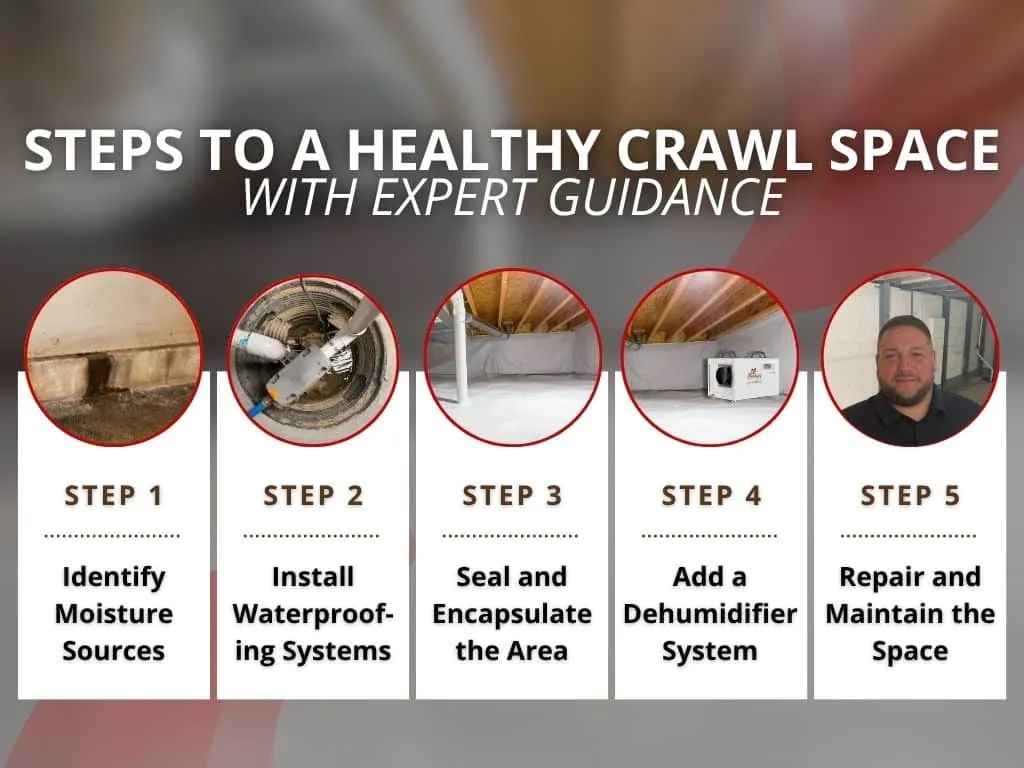
A vapor barrier is a heavy-duty plastic liner that covers the dirt floor of your crawl space. By preventing ground moisture from evaporating into the air, the barrier acts as the primary defense against dampness. For maximum effectiveness, the barrier should be at least 12 to 20 mils thick and installed with sealed seams.
Is Dehumidification Always Necessary?
Yes, in most climates, a dedicated crawl space dehumidifier is required to maintain optimal air quality. While a vapor barrier stops ground moisture, it doesn’t address humidity coming through foundation vents. A high-quality dehumidifier will pull excess moisture from the air and drain it outside through a condensate line. This process keeps the humidity levels low, which starves mold of the moisture it needs to colonize your subflooring.
Recommended Equipment Types
- Commercial Dehumidifiers: Models like the Santa Fe or Aprilaire series are designed for harsh crawl space environments.
- Encapsulation Liners: Heavy-duty polyethylene sheets with reinforced fibers to prevent tearing.
- Sump Pumps: Essential if your crawl space is prone to actual standing water or flooding.
- Drainage Matting: Placed under the vapor barrier to allow water to flow toward a sump pump.
Questions About Crawl Space Sealing
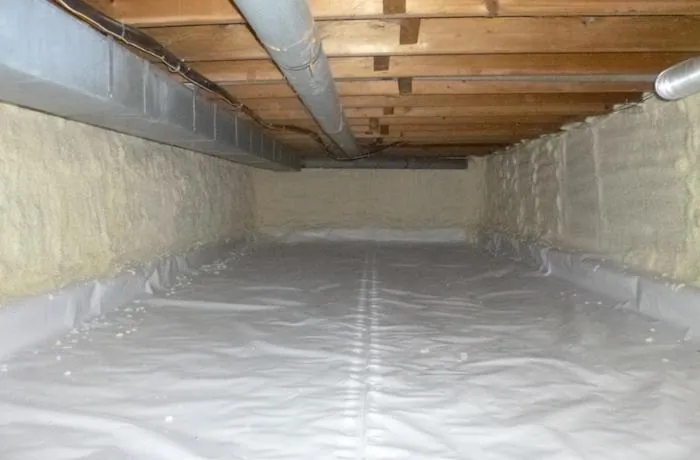
Sealing the crawl space, often called encapsulation, involves closing all foundation vents and creating a conditioned space. This prevents humid outside air from entering and condensing on cool pipes and ducts. Once sealed, the crawl space becomes part of your home’s conditioned envelope, significantly reducing the energy required to heat or cool the living space above.
Should You Hire a Professional?
While some tasks like clearing debris can be done by a homeowner, complex issues like structural rot or sewage contamination require experts. If you find standing water that isn’t related to a minor leak, or if you suspect a structural issue, don’t attempt a DIY fix. A professional contractor can assess the foundation integrity and ensure that the encapsulation process is done correctly to avoid trapping moisture inside the walls.
Maintaining a Clean Crawl Space
Once the odor is gone, maintenance is key to keeping it that way. Schedule a biannual check of your crawl space to ensure the dehumidifier is running correctly and the vapor barrier remains intact. Check for any new signs of pest activity, such as droppings or chewed wires. A consistent maintenance schedule prevents small problems from escalating into expensive repairs that could impact your home’s value.
Related guides
Frequently Asked Questions
Is a musty smell in my crawl space dangerous?
While a musty smell itself isn’t inherently toxic, it indicates the presence of mold. Mold releases spores that can trigger respiratory issues, allergies, and asthma attacks in sensitive individuals. Prolonged exposure to poor air quality originating from a crawl space can lead to long-term health problems, making it critical to address the moisture issue as soon as you detect the odor.
Can I just spray air freshener under there?
No, using air fresheners or ozone generators is a temporary fix that masks the scent without addressing the root cause. These products don’t remove mold spores or stop the moisture buildup that causes the smell. Instead of masking the odor, focus on remediation steps like installing a dehumidifier, fixing leaks, and ensuring proper ventilation to permanently resolve the issue.
How much does professional crawl space repair cost?
Depending on the scope of the work, such as installing a new vapor barrier, a dehumidifier, or addressing drainage, costs typically range from $1,500 to $15,000. Simple encapsulation projects for smaller homes fall on the lower end, while major structural repairs, drainage system installations, and full-scale mold remediation for larger homes will reach the higher end of the spectrum.
Will closing my crawl space vents stop the smell?
Closing vents is a vital part of encapsulation, but it only works if you also address the moisture source. If you seal the vents without installing a dehumidifier or a vapor barrier, you might actually trap moisture inside, which can lead to increased mold growth and structural rot. You must control the humidity levels before sealing the vents to ensure the space remains dry.
How do I know if I have a sewage leak?
A sewage leak has a distinct, pungent, and persistent odor that differs significantly from the earthy, damp smell of mold. If you notice this smell, check your plumbing pipes for signs of corrosion, leaks, or wet spots on the ground beneath the pipes. Because sewage contains pathogens, you should contact a professional plumber immediately to inspect and repair the line to protect your family’s health.
Conclusion
Taking the time to investigate and resolve the source of your crawl space odors will protect your home’s structural integrity and improve your indoor air quality. Start by performing a visual inspection to identify obvious signs of water damage or debris. Once the source is identified, contact a qualified contractor to discuss the most effective long-term solution for your specific home.