

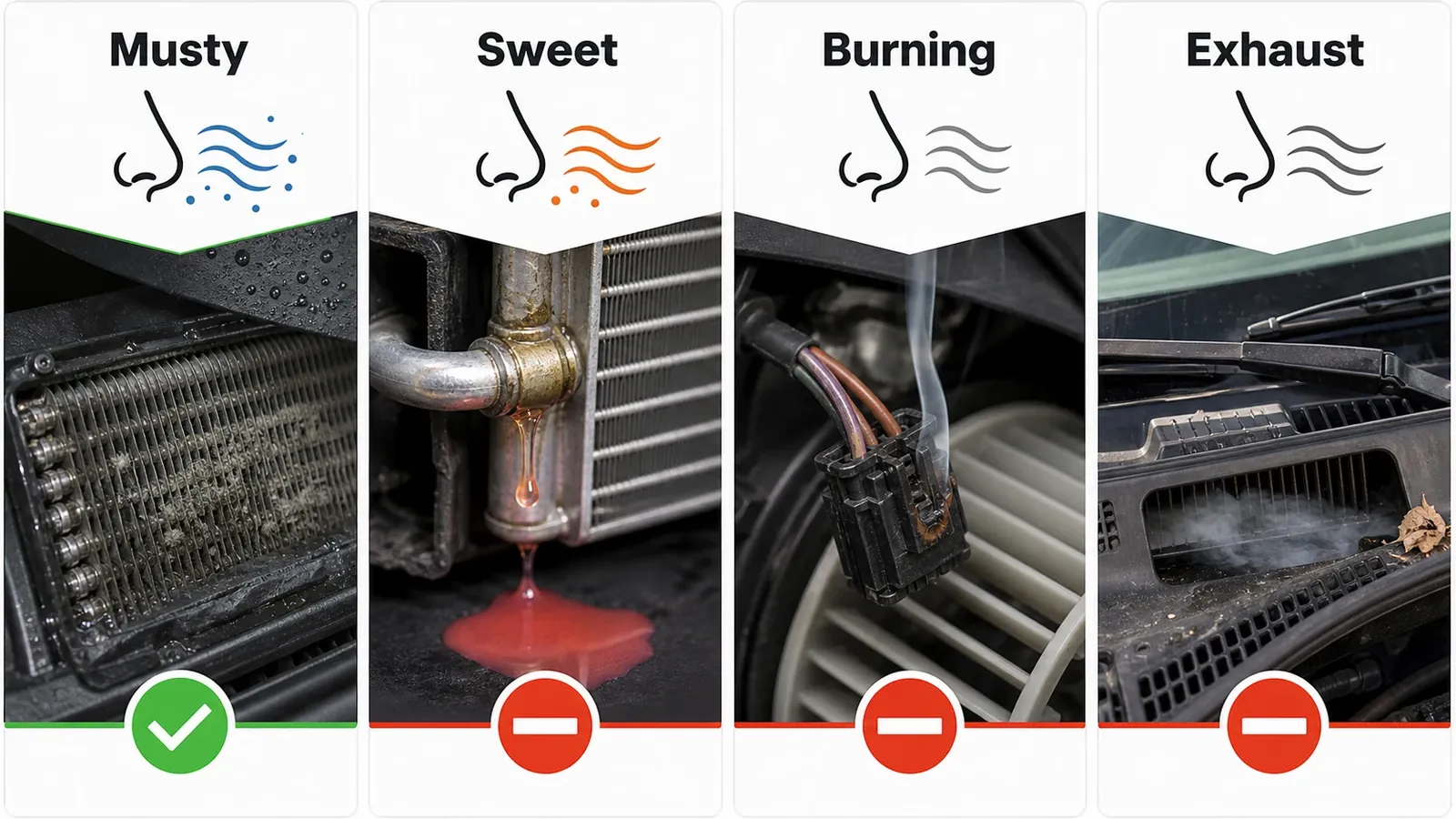
When you notice your car smells sweet, it’s rarely a sign of a fresh air freshener or a clean interior. Instead, this specific odor is often a warning sign that your vehicle is leaking engine coolant, which contains ethylene glycol or propylene glycol. These chemical compounds have a distinct, sugary scent that becomes more pronounced as your engine warms up and the liquid begins to evaporate or burn off hot engine components. Ignoring this scent can lead to significant mechanical failure, as your engine relies on this fluid to maintain safe operating temperatures.
Key Takeaways

- A sweet smell is the primary indicator of a coolant leak within your vehicle’s cooling system.
- Check your dashboard temperature gauge frequently; a spike indicates an immediate risk of engine overheating.
- Look for puddles of neon green, bright orange, or pink fluid under the front of your car.
- Never attempt to open a hot radiator cap, as the pressurized steam can cause severe burns.
- Repairing a cooling system leak typically costs between $300 and $1,200 depending on the specific part failure.
Why Does My Car Smell Sweet?
The primary culprit behind a sugary odor is a leak in the heater core or the radiator. The heater core acts like a small radiator inside your dashboard, circulating hot coolant to warm your cabin. If this component develops a pinhole leak, the sweet-smelling vapor is blown directly through your air vents.
Alternatively, a cracked radiator hose or a failing water pump can leak coolant onto the hot engine block, creating a plume of sweet-scented steam. Because coolant is essential for heat dissipation, a reduction in fluid volume can cause your engine to reach critical temperatures, leading to a warped cylinder head or a blown head gasket.
Identifying the Source of Leaks
To pinpoint the leak, you need to inspect the engine bay while the vehicle is parked on a clean, dry surface. Use a flashlight to examine the radiator, hoses, and the area around the water pump for signs of moisture. If the coolant is leaking from the heater core, you might notice the passenger-side floor mat feels damp or greasy.
| Component | Common Symptom | Typical Repair Cost Range |
|---|---|---|
| Radiator | Puddles under front bumper | $400 – $900 |
| Heater Core | Foggy windshield/Damp carpet | $600 – $1,200 |
| Cooling Hoses | Visible cracks or weeping | $150 – $450 |
| Water Pump | Whining noise/Fluid drip | $300 – $800 |
Is It Safe To Drive?
Driving with a coolant leak is generally unsafe. The Environmental Protection Agency notes that engine coolant is toxic to humans and animals, and its presence inside the cabin poses a health risk. Beyond the toxicity, the mechanical risk is high. If your coolant level drops too low, the engine will overheat, which can cause catastrophic internal damage.
If you must drive, keep a close watch on your temperature gauge. If the needle moves toward the red zone, pull over immediately, turn off the engine, and allow it to cool down completely before attempting to add more fluid or seeking a tow.
Checking Your Coolant Levels

Before checking your levels, ensure the engine is cold to the touch. Locate the coolant reservoir, which is usually a translucent plastic tank with “Full” and “Low” markings. If the level is below the minimum line, you likely have a leak that requires professional attention.
When refilling, always use the specific type of coolant recommended in your owner’s manual, such as long-life organic acid or traditional inorganic additive formulas. Mixing incompatible fluids can cause sludge to form in your radiator, leading to even more complex blockages.
Warning: Never mix different colors of coolant, as this can create a chemical reaction that reduces the fluid’s effectiveness and potentially clogs your radiator passages.
Signs Of A Failing Heater Core
A failing heater core is often accompanied by symptoms beyond the sweet smell. If your windshield fogs up frequently while the defroster is on, this is a classic sign of coolant vapor condensing on the glass.
You may also notice that your cabin heat is inconsistent or completely absent, even when the engine is at normal operating temperature. This happens because air pockets have replaced the coolant that should be circulating through the core. You might also hear a gurgling sound coming from the dashboard area as the liquid struggles to flow through the damaged system.
How To Inspect Your Hoses
Coolant hoses are made of rubber, which degrades over time due to heat cycles and chemical exposure. To check their condition, wait for the engine to cool, then squeeze the main upper and lower radiator hoses. They should be firm but flexible.
If they feel mushy, brittle, or have visible cracks, they’re nearing the end of their service life and should be replaced. Look for white crusty deposits around the hose clamps, which indicate a slow, persistent leak that’s evaporating before it can form a puddle on the ground.
Professional Diagnostics And Repairs
If you can’t find the leak visually, a mechanic can perform a pressure test. This involves attaching a hand-pump tool to your radiator filler neck to pressurize the cooling system. By forcing air into the system, the mechanic can force coolant out of even the smallest pinhole leaks, making them easy to identify.
This process is highly accurate and prevents the need to replace expensive parts on a hunch. Always ask for a comprehensive cooling system inspection to ensure that one leaking hose isn’t masking a secondary issue, such as a failing thermostat housing or a cracked radiator tank.
Can I Fix This Myself?
Replacing a radiator hose is a straightforward task that requires basic hand tools like a screwdriver or pliers. However, replacing a heater core is one of the most labor-intensive jobs in automotive repair, as it often requires removing the entire dashboard assembly. If you’re comfortable with advanced mechanical procedures, you can save on labor, but for most owners, professional service is recommended to avoid damaging interior electronics or trim pieces.
| Repair Difficulty | Necessary Tools | Estimated Time |
|---|---|---|
| Radiator Hose | Pliers, Catch pan, Coolant | 1 – 2 Hours |
| Radiator Unit | Wrench set, Jack, Stands | 3 – 5 Hours |
| Heater Core | Trim tools, Socket set | 6 – 12 Hours |
Pro Tip: If you notice a sweet smell but can’t find an external leak, check your oil dipstick. If the oil appears milky or frothy, this is a sign of a blown head gasket, which allows coolant to mix with engine oil. This is a severe issue that requires immediate repair to prevent total engine failure.
Related guides
Frequently Asked Questions
Is the sweet smell in my car toxic?
Yes, engine coolant contains ethylene glycol, which is toxic if inhaled in high concentrations or ingested. The sweet scent is actually a chemical property designed to make the fluid distinct, but it’s dangerous to breathe for extended periods inside a closed vehicle cabin. If you smell it strongly, keep your windows open to ensure adequate ventilation until you can have the leak repaired by a qualified professional.
Why does my windshield fog up?
A foggy windshield in the presence of a sweet smell usually indicates a leaking heater core. The coolant vaporizes, enters the ventilation system, and is blown onto the windshield. Unlike standard condensation, this film is often oily or greasy and difficult to wipe away with a dry cloth. This confirms that your climate control system is compromised and requires immediate inspection to prevent further interior damage.
Can I just add more coolant?
Adding coolant is a temporary stopgap measure, not a permanent solution. While it may keep your engine from overheating for a short time, it doesn’t stop the leak from growing. Eventually, the leak will become large enough that the engine will lose all its coolant rapidly, leading to a breakdown. Use this method only to reach a repair shop safely after ensuring the engine isn’t currently overheating.
Does the color of the fluid matter?
Yes, the color helps identify the type of coolant, but it also helps you see where the leak is coming from. Manufacturers use specific dyes to distinguish between formulas. If you see bright green, orange, or pink fluid on your driveway, it’s definitely coolant. Regardless of the color, any fluid that isn’t water dripping from your air conditioning drain should be inspected immediately by a mechanic.
How long can I drive with a small leak?
You shouldn’t drive with a known coolant leak for any length of time. Even a small leak can turn into a major rupture without warning, especially under high-pressure conditions like highway driving or heavy traffic. The risk of the engine overheating and causing thousands of dollars in damage far outweighs the convenience of delaying a repair. It’s always safer to arrange for a tow to a shop.
Conclusion
Addressing a sweet-smelling car promptly is the best way to prevent a minor leak from becoming a major engine repair. Check your coolant levels, inspect your hoses for visible signs of wear, and monitor your dashboard temperature closely. For the most accurate diagnosis, take your vehicle to a certified technician who can perform a pressure test to find the exact location of the failure.