
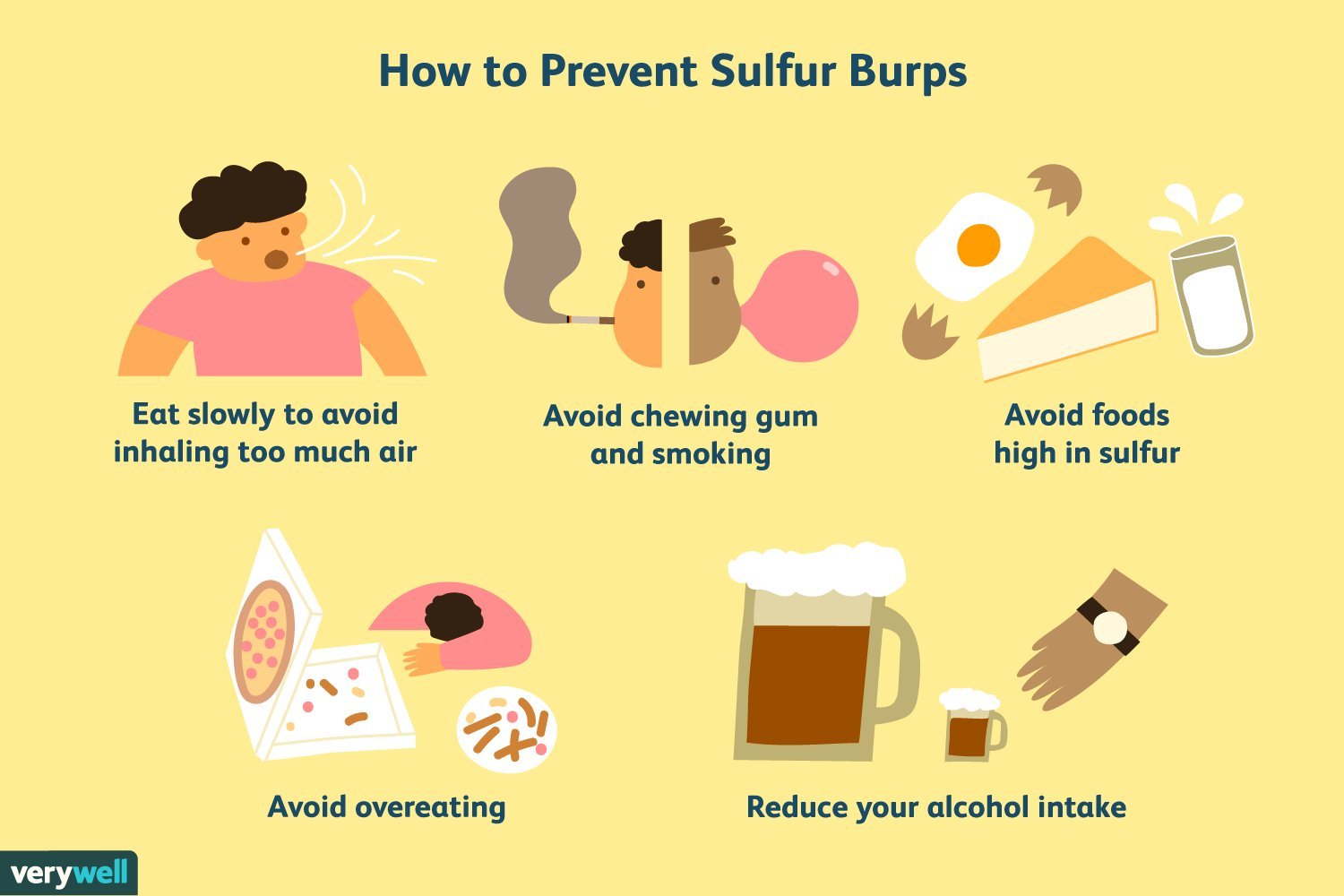
Experiencing the moment when your burps smell bad can be alarming, but it’s a common indicator of how your digestive system is processing specific foods or reacting to internal imbalances. While most instances are transient and related to dietary choices, persistent foul odors—often compared to rotten eggs—are frequently linked to the production of hydrogen sulfide gas in the gastrointestinal tract. Understanding the underlying mechanisms of why this happens allows you to make informed adjustments to your lifestyle and nutrition, effectively managing or eliminating the issue through targeted changes in your daily habits.
Key Takeaways
- Sulfur-rich foods like eggs, broccoli, and garlic are primary triggers for foul-smelling gas.
- Persistent odors may indicate an overgrowth of bacteria or a food sensitivity issue.
- Drinking sufficient water and eating smaller, frequent meals supports better digestion.
- Tracking your symptoms in a food diary helps pinpoint specific dietary culprits.
- Consult a healthcare provider if foul burps are accompanied by persistent abdominal pain.
What Causes Foul-Smelling Burps?
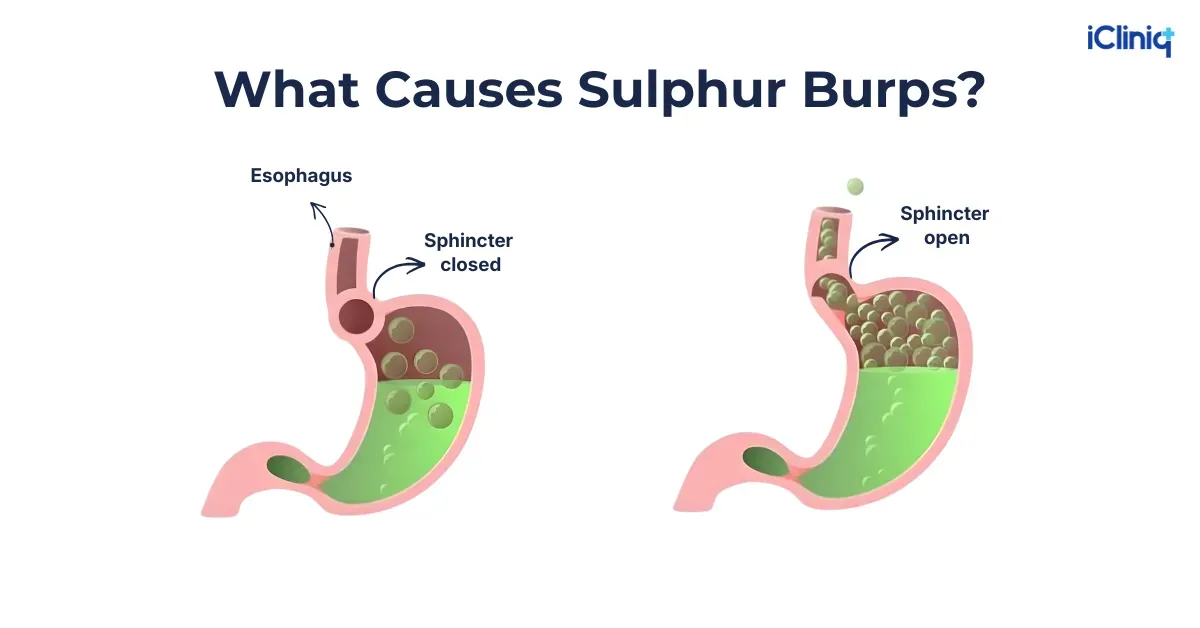
The physiological process behind unpleasant odors in your breath or burps usually involves the breakdown of sulfur-containing compounds. When bacteria in your digestive system ferment these compounds, they produce hydrogen sulfide gas, which has a distinct, pungent aroma. Several factors can exacerbate this process, turning a normal bodily function into an uncomfortable social experience.
Common culprits include:
- High-sulfur foods: Eating large quantities of cruciferous vegetables or proteins.
- Slow digestion: When food lingers in the stomach, it provides more time for bacterial fermentation.
- Medications: Certain prescription drugs can alter gut motility or the natural flora of your stomach.
- H. pylori infection: This bacterium can interfere with normal stomach acid production and function.
- Digestive disorders: Conditions like GERD or IBS can contribute to gas accumulation.
Dietary Triggers and Management
Managing your intake of specific ingredients is often the fastest way to reduce the frequency of foul burps. By identifying which items cause the most significant reaction, you can create a balanced diet that remains nutritious without triggering odor-producing fermentation.
| Food Category | Specific Culprits | Recommended Alternatives |
|---|---|---|
| Vegetables | Broccoli, Cauliflower, Cabbage | Spinach, Zucchini, Carrots |
| Proteins | Eggs, Red Meat, Dairy | Chicken, Tofu, White Fish |
| Seasonings | Garlic, Onions, Chives | Ginger, Turmeric, Fresh Herbs |
| Beverages | Carbonated Soda, Beer | Herbal Tea, Still Water |
Is It Your Digestive Speed?
If your digestive system slows down, food remains in the stomach longer than intended. This delay is known as gastroparesis or simply delayed gastric emptying. As the food sits, it undergoes fermentation by the natural bacteria present in the gut. This process is a significant contributor to why your burps smell bad after a heavy meal.
Pro Tip: Eating smaller, more frequent meals throughout the day can prevent your stomach from becoming overloaded, which keeps the digestive process moving at an efficient pace.
When Should You See a Doctor?

Occasional foul burps are rarely a medical emergency, but chronic occurrences may signal an underlying health condition that requires professional intervention. If you notice accompanying symptoms such as unintentional weight loss, persistent diarrhea, blood in your stool, or severe abdominal cramping, you should seek medical advice promptly. According to the National Institute of Diabetes and Digestive and Kidney Diseases, chronic digestive issues require a thorough evaluation to rule out conditions like gastroparesis or severe bacterial imbalances.
Common Lifestyle Adjustments
Beyond changing what you eat, how you eat plays a vital role in your digestive health. Adopting mindful habits can reduce the amount of air you swallow, known as aerophagia, which often contributes to bloating and burping.
- Chew thoroughly: Breaking down food into smaller pieces before swallowing aids digestion.
- Hydration: Drink water between meals rather than during them to avoid diluting stomach acid.
- Post-meal activity: A light, ten-minute walk after eating can stimulate digestion and reduce gas buildup.
- Avoid straws: Using straws increases the volume of air swallowed, which must eventually be released.
- Limit carbonation: Sparkling water and sodas introduce excess gas directly into your stomach.
Supplements and Natural Aids
Many people find relief by incorporating natural aids that support stomach acid levels or soothe the digestive tract. These aren’t cures, but they can help manage the symptoms while you investigate the root cause.
- Ginger root: Known for stimulating digestive enzymes and reducing nausea.
- Probiotic yogurt: Contains live cultures that support a healthy gut microbiome.
- Peppermint oil: May help relax the muscles of the digestive tract.
- Apple cider vinegar: Some believe it assists in balancing stomach acidity, though evidence varies.
- Digestive enzymes: Supplements containing amylase or lipase can help break down complex foods.
Tracking Your Symptoms Effectively
Maintaining a detailed food and symptom journal is one of the most effective ways to identify patterns. By recording exactly what you ate, the time of day, and the severity of the odors, you can present clear data to your physician if the problem persists.
| Data Point | Purpose | Example Entry |
|---|---|---|
| Time of Day | Identify fasting or meal patterns | 12:30 PM |
| Food Ingested | Pinpoint potential sulfur triggers | Broccoli and chicken |
| Symptom Severity | Track progress over time | Moderate odor |
| Activity Level | Check for post-meal movement | Sedentary after eating |
Why Do Sulfur Burps Happen?
The primary chemical culprit is hydrogen sulfide. When you consume foods high in sulfur, such as eggs or certain dairy products, the bacteria in your colon and stomach interact with these proteins. If digestion is sluggish, the gas produced has more time to accumulate and eventually escape through a burp. This is a normal byproduct of human metabolism, but it becomes noticeable when the concentration of sulfur compounds is high.
Warning: Avoid relying solely on over-the-counter antacids for long-term relief, as these can sometimes mask or exacerbate underlying issues by altering your stomach’s natural pH balance.
Related guides
Frequently Asked Questions
Why do my burps smell like rotten eggs?
Burps that smell like rotten eggs are typically caused by the production of hydrogen sulfide gas in your digestive tract. This occurs when bacteria in your gut break down sulfur-rich foods, such as eggs, meat, or cruciferous vegetables. If digestion is slow or incomplete, the gas builds up and is released, carrying the characteristic sulfurous odor.
Can stress cause foul-smelling burps?
Yes, stress can significantly impact your digestion. When you’re stressed, your body diverts blood flow away from the digestive system, which can slow down gastric emptying. This delay allows for increased fermentation of food by gut bacteria, potentially leading to more gas and foul-smelling burps. Managing stress through relaxation techniques can often improve overall digestive function.
Does drinking water help with bad burps?
Drinking plenty of water throughout the day can support healthy digestion and help move food through your system more efficiently. However, it’s generally better to drink water between meals rather than during them, as large amounts of liquid consumed alongside food can dilute stomach acid and potentially slow down the breakdown of proteins, which may indirectly contribute to gas.
Should I cut out all sulfur-rich foods?
You don’t need to eliminate all sulfur-rich foods, as many are highly nutritious and essential for a balanced diet. Instead, try identifying which specific foods trigger your symptoms by using a food diary. You might find that you can tolerate small portions of broccoli or eggs, but that large quantities cause issues. Moderation and variety are usually more effective than complete restriction.
When should I see a doctor for burps?
You should consult a healthcare provider if your foul-smelling burps are persistent, occur daily for several weeks, or are accompanied by “red flag” symptoms. These include unintentional weight loss, persistent vomiting, black or tarry stools, severe abdominal pain, or difficulty swallowing. These symptoms may suggest an infection, such as H. pylori, or a more serious underlying gastrointestinal disorder that requires professional diagnostic testing.
Conclusion
Addressing the issue of foul burps requires a systematic approach to your diet and habits. By tracking your triggers, prioritizing digestive movement, and consulting with medical professionals if symptoms persist, you can regain control over your gut health. Start by keeping a simple food log for one week to identify the specific items that precede your symptoms, then adjust your intake accordingly to find lasting relief.