
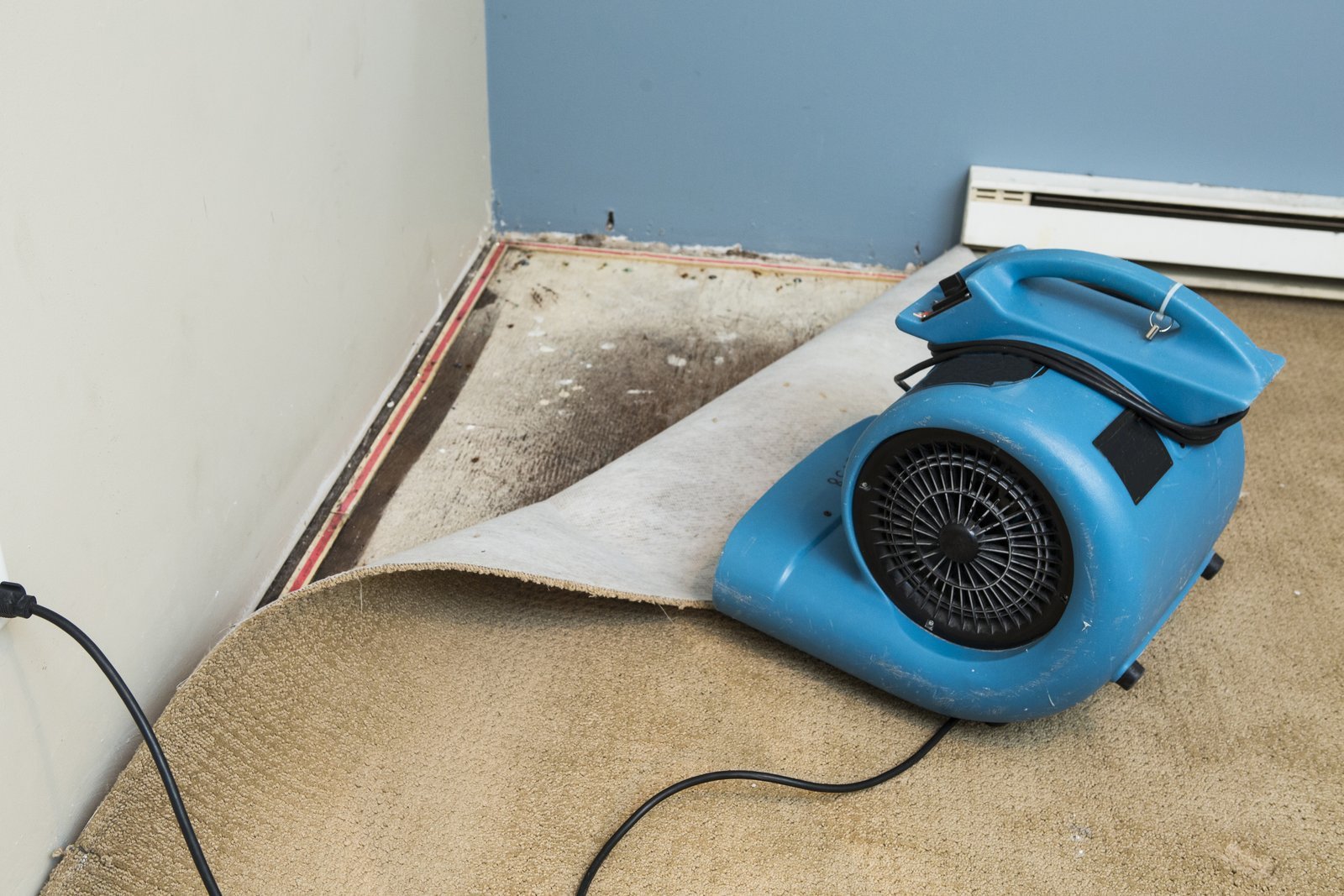
Waking up to a room that feels stagnant or damp is a common household frustration, and many homeowners find themselves searching for why their bedroom smells musty. This unpleasant odor often points to trapped moisture, lack of ventilation, or the buildup of organic particles in fabrics and carpets. Addressing this issue requires a systematic approach to identifying the source, eliminating the trapped spores, and improving the overall airflow within your personal sanctuary. By tackling the root causes rather than just masking the scent, you can ensure a fresher, healthier sleeping environment.
Key Takeaways
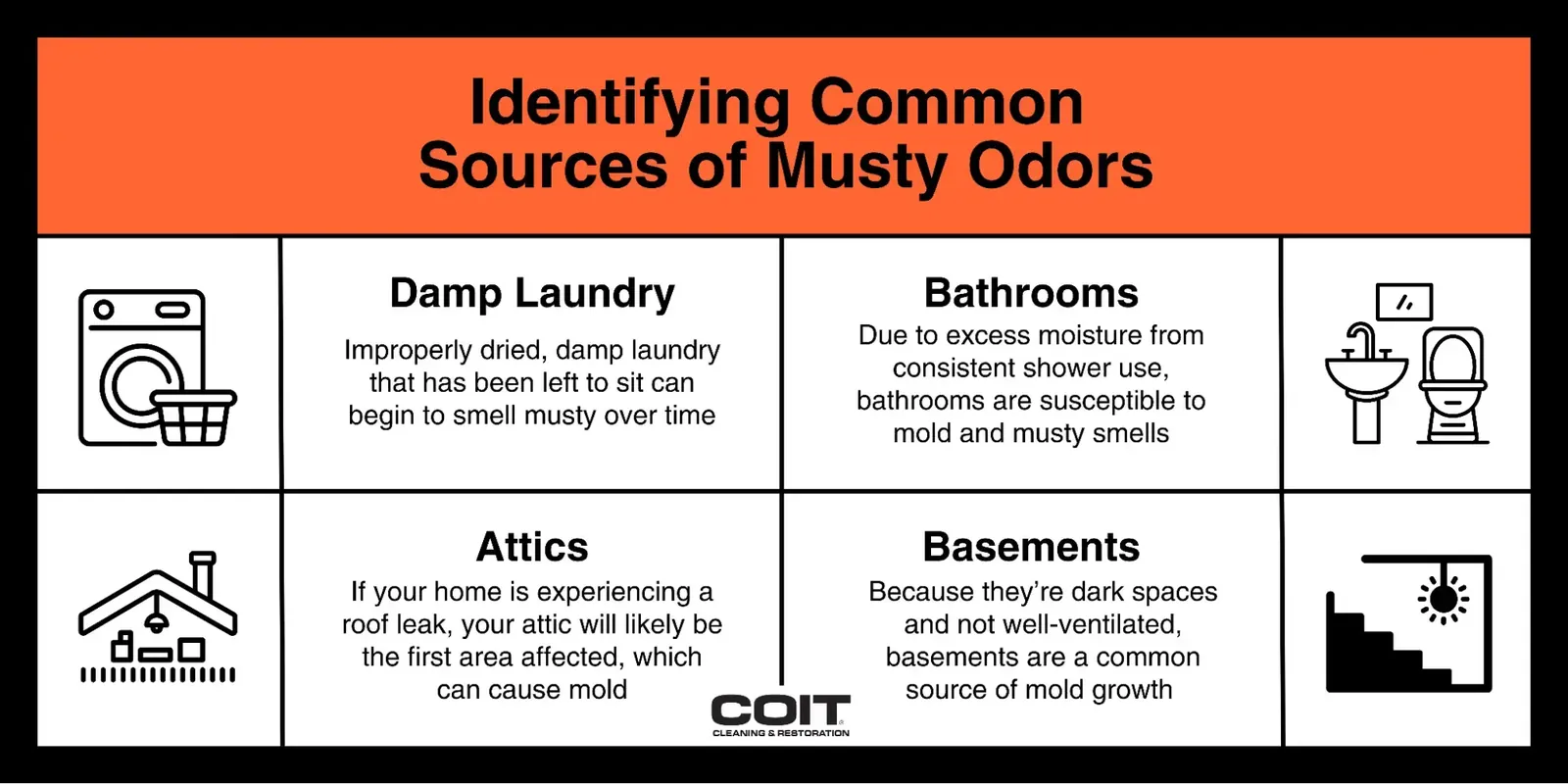
- Identify the exact source of the odor, which is often hiding in carpets, closets, or damp corners.
- Control indoor humidity levels to prevent the growth of mold and mildew on surfaces.
- Use natural or mechanical ventilation to cycle out stale air and replace it with fresh, dry air.
- Clean soft surfaces frequently to remove trapped dust, skin cells, and pet dander.
- Address structural leaks or plumbing issues immediately to stop moisture from feeding fungal growth.
Where Does The Odor Come From?
The most common culprits for a persistent stale smell are typically items that absorb moisture. If your room lacks adequate airflow, these materials become breeding grounds for microorganisms.
- Carpeting and Rugs: These fibers trap dust, moisture, and pet dander, which decompose over time.
- Closets and Wardrobes: Stored clothing, especially if put away slightly damp, creates a localized pocket of humidity.
- Mattress and Bedding: Over time, mattresses accumulate dead skin cells and sweat, which can foster a musty scent if not aired out.
- Window Frames: Condensation on cold glass can seep into wood sills, causing rot and mildew.
- HVAC Vents: Dust buildup inside air ducts can hold moisture and disperse stale odors every time the system runs.
Why Is Humidity The Primary Enemy?
Excess moisture is the catalyst for almost all musty smells. According to the United States Environmental Protection Agency, controlling moisture is the most critical factor in preventing mold growth. When humidity levels consistently stay above 60%, the environment becomes perfect for spores to germinate on organic materials like drywall, fabric, and wood.
| Humidity Level | Impact on Room Air | Recommended Action |
|---|---|---|
| Below 30% | Too dry; causes irritation | Use a humidifier sparingly |
| 30% to 50% | Ideal for comfort | Maintain current ventilation |
| Above 60% | Promotes mold and odors | Use a dehumidifier immediately |
How To Improve Bedroom Airflow
Stagnant air allows odors to settle and intensify. By creating a cross-breeze, you can physically push stale air out of the room.
- Open Windows: Even fifteen minutes of cross-ventilation daily helps exchange indoor air for fresh outdoor air.
- Ceiling Fans: Run fans in a counter-clockwise direction to pull warm, stale air upward and circulate it toward exhaust points.
- Clear The Vents: Ensure furniture, curtains, or rugs aren’t blocking your supply or return air registers.
- Door Gaps: Keeping the bedroom door open when not in use prevents the room from becoming an isolated, unventilated box.
Cleaning Strategies For Persistent Odors
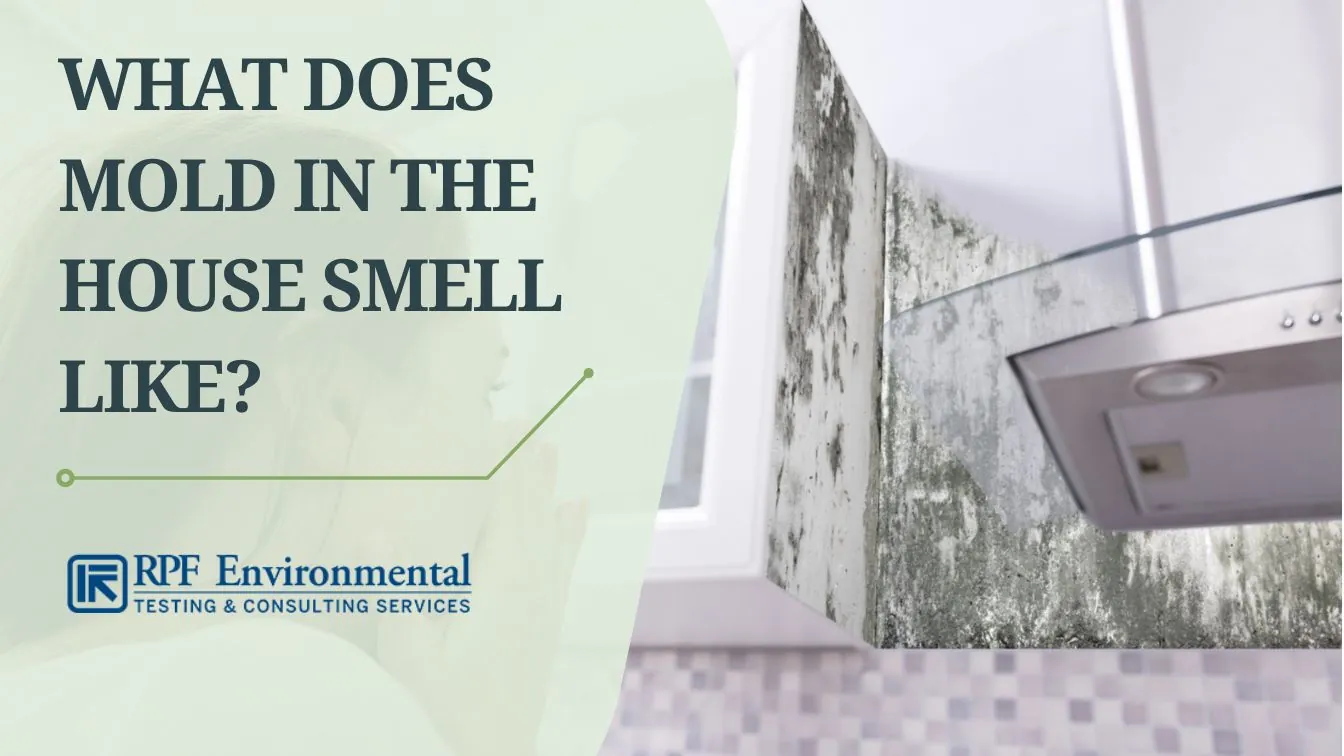
Deep cleaning is often necessary to remove the physical particles causing the smell. Focus on these specific areas to neutralize the scent at the source.
- Deep Clean Carpets: Use a steam cleaner with an enzymatic cleaner to reach deep into fibers.
- Wash Bedding Hot: Use the hottest water setting recommended by the fabric care label to kill bacteria.
- Dust Everything: Use a microfiber cloth to remove dust from ceiling fans, light fixtures, and baseboards.
- Clean The Mattress: Sprinkle baking soda over the entire mattress, let it sit for two hours, and vacuum it thoroughly.
Choosing A Dehumidifier For A Musty Bedroom
When passive ventilation isn’t enough, a mechanical solution is required. When shopping for a device, look for the following features to ensure it handles your specific square footage.
- Capacity: Choose a unit rated for the size of your bedroom, usually measured in pints per day.
- Auto-Shutoff: This prevents the unit from overflowing and damaging your flooring.
- Washable Filters: Regularly cleaning the filter prevents the machine itself from becoming a source of stale air.
- Noise Levels: Look for models with a “quiet” or “night” mode if you plan to run it while sleeping.
Natural Deodorizing Methods
If you prefer to avoid synthetic fragrances, several natural materials are excellent at absorbing odors.
- Activated Charcoal: Place bags of activated charcoal in closets or under the bed; they act as a natural sponge for moisture and odors.
- Baking Soda: Keep an open box in the back of your closet to neutralize lingering smells.
- White Vinegar: Use a mixture of water and white vinegar to wipe down hard surfaces like baseboards or window sills.
- Essential Oils: Diffusing tea tree or eucalyptus oil can provide a fresh scent while offering mild antimicrobial properties.
When To Call A Professional
Sometimes the smell is a symptom of a larger structural issue that can’t be fixed with cleaning.
- Water Stains: Visible discoloration on ceilings or walls indicates an active roof or pipe leak.
- Persistent Dampness: If a dehumidifier fills up within a few hours, you likely have a significant moisture infiltration issue.
- Allergic Reactions: If you experience sneezing, coughing, or eye irritation only when in the bedroom, there may be hidden toxic mold.
- Musty HVAC: If the smell is strongest when the heat or air conditioning kicks on, the ducts may require professional cleaning or repair.
Essential Maintenance Schedule
Consistency is key to preventing the return of odors. Use this table to keep your bedroom environment fresh throughout the year.
| Task | Frequency | Purpose |
|---|---|---|
| Wash bedding | Weekly | Remove skin cells and sweat |
| Vacuum floors | Weekly | Eliminate dust and spores |
| Check for leaks | Monthly | Prevent water damage |
| Clean HVAC filter | Quarterly | Ensure efficient airflow |
| Deep clean carpet | Biannually | Remove deep-seated contaminants |
Troubleshooting Your Bedroom Environment

If the odor persists despite cleaning, use this checklist to isolate the problem.
Warning: Always wear an N95 mask if you suspect you’re cleaning up a significant patch of mold to avoid inhaling spores.
- Check the closet: Remove all clothes and sniff the walls. If the smell is stronger inside, your clothes or the wall material are damp.
- Inspect the window: Look for black spots on the seals or wood. This is a sign of condensation buildup.
- Check under the bed: Dust bunnies and old storage bins are common collectors of moisture and stale smells.
- Check the curtains: Heavy drapes are notorious for absorbing ambient odors; take them down and have them professionally cleaned.
Frequently Asked Questions
Can a mattress cause a musty smell?
Yes, mattresses absorb moisture, sweat, and dead skin cells over time. If a room has high humidity, the mattress can trap that moisture, creating a perfect environment for mold or mildew. Rotating your mattress and using a breathable, waterproof mattress protector can help prevent this issue. If the smell is deep-set and persistent, the mattress might need professional cleaning or replacement.
Is a musty smell in a bedroom dangerous?
A musty smell usually indicates the presence of mold or mildew, which can trigger respiratory issues, allergies, or asthma symptoms in sensitive individuals. While not every musty smell indicates a toxic infestation, it’s a sign that your indoor air quality is compromised. If you notice health symptoms worsening while in the room, it’s important to investigate the source immediately to protect your health.
How long does it take to remove the odor?
If the smell is caused by surface-level dust or minor humidity, you may notice an improvement within 24 to 48 hours after deep cleaning and running a dehumidifier. However, if the source is a hidden leak inside a wall or deep within old carpet padding, the odor will persist until that specific material is removed or repaired. Consistency is vital for a lasting result.
Should I use ozone generators for odors?
Ozone generators are generally not recommended for residential use while people or pets are present. They can be harmful to lung tissue and may damage rubber or plastic materials in the room. It’s safer to focus on source removal, mechanical dehumidification, and proper ventilation. If you believe a professional service is necessary, ensure they’re certified and use safe, industry-standard remediation techniques rather than ozone.
Does painting over mold fix the smell?
Painting over mold is only a temporary cosmetic fix and won’t solve the underlying moisture issue. The mold will continue to grow behind the new layer of paint, and the musty smell will eventually return. You must identify and stop the water source, kill the existing mold with an appropriate cleaning agent, and ensure the area is completely dry before applying any sealant or paint.
Conclusion
To begin your journey toward a fresher home, start today by opening your windows for an hour to cycle the air. If the smell remains, purchase a reliable hygrometer to measure your room’s humidity levels. Once you know if your humidity is above the recommended range, invest in a dehumidifier to keep the air dry and prevent the odor from returning.