
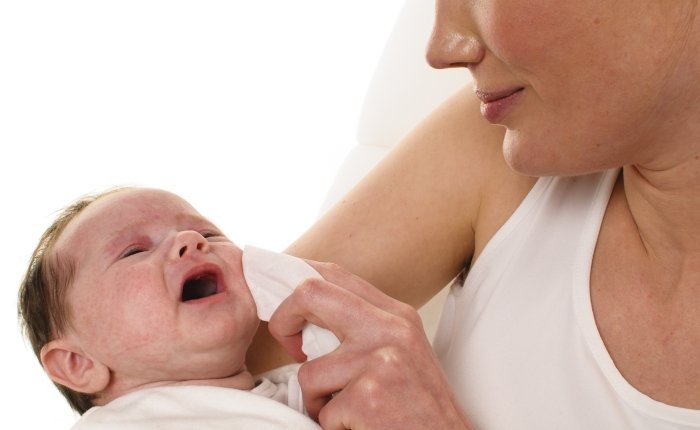
A baby smells sour most often because of trapped milk residue in the skin folds or spit-up on clothing. This is usually harmless and doesn’t mean your child is sick. You can confirm this by gently wiping the neck, armpits, and skin creases with a damp cloth to see if the odor disappears within a few minutes. If the smell remains after cleaning, check for other symptoms like fever or rashes.
Why your baby smells sour

When you notice a change in your baby’s scent, it’s helpful to look for the source quickly. Most odors are related to routine care, but some require a change in your washing or feeding habits.
| What you notice | What it usually means | What to do first |
|---|---|---|
| Milk in neck folds | Trapped moisture or spit-up | Wipe with damp cloth |
| Sour smelling breath | Normal milk digestion | Clean gums with gauze |
| Odor on clothes | Dried formula or breastmilk | Change into fresh clothes |
| Musty smell in hair | Sweat or cradle cap | Wash with mild soap |
| Sour skin near diaper | Diaper rash or moisture | Change diaper more often |
| Strong, sharp sourness | Potential thrush or infection | See a pediatrician |
If the smell persists after a bath, check the fabric of their clothing. Synthetic fibers trap odors that cotton releases easily.
Many parents mistake a sweet, fruity odor for simple hygiene issues. This scent can indicate metabolic changes that require medical testing. If you notice this specific smell, contact your doctor within twenty-four hours. Never use scented lotions to mask these changes. These products irritate sensitive skin and often hide the very clues you need to identify a brewing infection.
Milk residue in skin folds
The most common cause of a sour scent is milk that has dripped into the deep creases of a baby’s neck or armpits. Babies have sensitive skin and short necks, which makes it easy for spit-up or milk to pool in these areas. Over a few hours, the warm, moist environment allows bacteria to grow, which creates that distinct sour smell.
You can confirm this cause if the odor is concentrated only in the skin folds. To fix it, use a soft, damp washcloth to clean the creases during every bath or diaper change. Always pat these areas completely dry afterward, as moisture is the main factor that encourages odor-causing bacteria to return.
If you notice redness or broken skin in these folds, you should consult your pediatrician about potential yeast infections. If the skin looks normal but the smell persists, you’re likely missing a hidden fold or the milk is trapped deep in a skin crease.
Spit-up on clothing and bibs

Clothing and fabric bibs often soak up small amounts of spit-up that you might not notice immediately. Because formula and breastmilk contain proteins and fats, they begin to ferment as they sit on fabric, producing a sour, acidic odor. This can happen if a bib stays damp for more than 30 minutes after a feeding.
You can tell this is the cause if the baby’s skin smells fresh after a bath, but the sour smell returns as soon as they wear their clothes or bib again. The fix is to change the baby’s bib immediately after every feeding and wash clothes in hot water to remove stubborn milk proteins.
If your baby spits up frequently, try keeping a dry cloth under their chin to catch the excess milk. This prevents the moisture from soaking into the fabric of their shirt or onesie. If the smell is on the fabric but not the baby, your laundry detergent might not be strong enough to break down the milk fats.
Digestion and oral bacteria
Sometimes the sour smell comes from the baby’s mouth or the way they digest their food. When milk mixes with natural oral bacteria, it can create a temporary sour scent, especially after a nap or long period between feedings. This is rarely a cause for concern unless the baby seems uncomfortable or has white patches in their mouth.
To tell this apart from the other causes, smell the baby’s breath directly. If the odor comes from the mouth rather than the skin or clothes, it’s likely related to digestion. You can clean their gums gently with a piece of damp, clean gauze to remove leftover milk.
If the baby is otherwise happy and gaining weight, this smell is usually normal for their age. If you see white, curd-like spots on their tongue or inner cheeks that don’t wipe away, this could be oral thrush. In this case, stop home cleaning and contact your pediatrician for an antifungal treatment.
When to see a doctor
While most sour smells are normal, stop home treatments if you notice signs of illness. Contact a medical professional if you observe any of the following:
The baby has a fever over 100.4°F, which often indicates an underlying infection. If the temperature remains elevated for more than 24 hours, seek care even if other symptoms are absent.
You see bright red, raw, or oozing skin in the creases that doesn’t clear up after two days of gentle cleaning. If the redness spreads beyond the folds or develops yellow crusting, it suggests a bacterial infection requiring prescription ointment rather than barrier cream.
The baby refuses to feed or seems to be in pain when you touch the sour-smelling area. A lingering, foul odor resembling rotting fruit or ammonia is distinct from a normal milk scent and warrants a prompt check.
Monitor hydration closely. If the baby shows lethargy or produces fewer than six wet diapers in a 24-hour period, they’re at risk of dehydration. This requires an immediate evaluation, as the smell may be a secondary symptom of a systemic issue rather than a simple hygiene concern.
Related guides
- Can You Cut MDF With a Table Saw: Tips for Clean Results in 2026
- How to Use Mineral Spirits on Wood for Cleaning and Prep in 2026
- How to Clean Polyurethane Brush: The Best Solvent Methods in 2026
Frequently asked questions
Can a sour smell mean my baby is dehydrated?
No, a sour smell isn’t a sign of dehydration. Dehydration is measured by the number of wet diapers, which should be at least 6 per 24-hour period for a healthy infant. If you’re worried about hydration, check the color of their urine and contact your doctor if it appears very dark.
How often should I bathe my baby to stop the smell?
You should bathe your baby 2 to 3 times per week to prevent odors, as daily baths can dry out their sensitive skin. If you notice a sour smell between baths, use a damp cloth to spot-clean the neck and armpit creases daily. This is usually enough to keep the area fresh and clean.
Is it safe to use baby powder to stop the odor?
It isn’t recommended to use baby powder, as the fine particles can be inhaled and cause lung irritation. If you want to keep the skin dry, use a clean, dry cotton cloth to pat the creases after cleaning. Never apply powder near a baby’s face or directly onto broken skin.
What happens if I ignore the sour smell?
If you ignore the smell, the trapped moisture can lead to skin irritation or a fungal rash. A rash usually appears as bright red patches with small bumps in the skin folds. If you see this, keep the area dry and call your pediatrician, as it may require a medicated cream to heal.
Does the type of formula change how the baby smells?
Yes, certain formulas can cause a stronger sour scent on the skin and in the stool compared to breastmilk. This happens because of the different proteins and fats in the formula. If the baby is healthy and growing, this change in odor is normal and doesn’t require a change in diet.
How long does it take for the smell to go away?
The smell should disappear within 5 to 10 minutes after you clean the skin and change the baby’s clothing. If the odor remains after a thorough cleaning and a change of clothes, the source might be deeper in the skin folds or related to an internal issue. Monitor the baby for other symptoms.
Conclusion
If you’re still worried about your little one’s health, don’t hesitate to reach out to your pediatrician. They’ll be happy to put your mind at ease and check that everything is just right. It’s always better to ask if you’re unsure, so you can get back to enjoying those sweet newborn snuggles.