
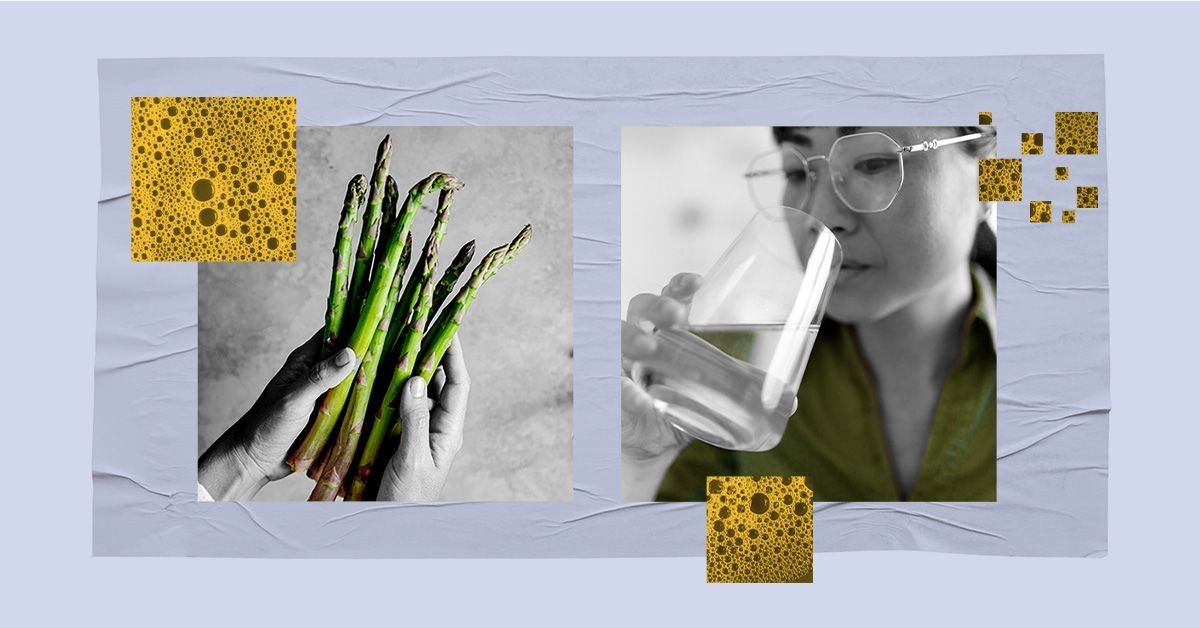
Dehydration, certain foods like asparagus or garlic, and urinary tract infections are the most common reasons why urine smells like sulfur for many people. This odor usually indicates that your body is breaking down compounds containing sulfur, which are then excreted through your kidneys. While often related to your recent diet or hydration levels, a persistent change in smell can sometimes signal an underlying health condition that requires medical attention.
Why your urine smells like sulfur

Identifying the source of the smell helps you determine if you should change your diet or contact a healthcare provider. The following table summarizes the primary factors that influence the scent of your urine.
| Cause | Best for identifying | Example |
|---|---|---|
| Dehydration | Checking fluid intake | Dark yellow urine |
| Asparagus | Tracking recent meals | Eating cooked asparagus |
| Urinary infection | Spotting illness signs | Pain during urination |
| Medication | Reviewing daily pills | Taking sulfur-based antibiotics |
| Vitamin B complex | Assessing supplement use | High-dose B complex |
Dehydration and fluid levels
Dehydration is the most frequent cause of concentrated, strong-smelling urine because your kidneys aren’t diluting waste products enough. When you don’t drink enough water, the concentration of ammonia and other compounds rises, which may produce a sharp or sulfur-like scent. If your urine is dark yellow or amber, your body is likely signaling a need for more fluids.
- Drink 8 to 10 glasses of water daily to maintain proper hydration.
- Monitor the color of your urine; it should be pale yellow or clear.
- Increase fluid intake immediately if you notice a strong, pungent odor after a period of limited drinking.
If you’re wondering how much water you need, check your thirst levels and the frequency of your bathroom trips. A healthy adult typically needs about 2.7 to 3.7 liters of total water per day from all beverages and foods, according to the National Academies of Sciences, Engineering, and Medicine.
Dietary triggers
Certain foods contain sulfur compounds that your body breaks down during digestion, leading to a temporary change in the scent of your urine. Asparagus is the most well-known culprit, but garlic, onions, and cruciferous vegetables like broccoli or Brussels sprouts can also have this effect. These smells are usually harmless and disappear once the food has fully passed through your digestive system, typically within 6 to 12 hours.
- Limit your intake of known triggers if you find the smell bothersome.
- Pair sulfur-rich vegetables with plenty of water to help flush your system.
- Track your meals in a food journal to see if the odor correlates with specific dishes.
If you eat a large serving of roasted garlic or asparagus, expect the smell to persist for the next two or three bathroom visits. If the odor continues for more than 24 hours after your last intake of these foods, the cause is likely not dietary.
Urinary tract infections

A urinary tract infection occurs when bacteria enter the urinary system and multiply, often causing a foul or sulfur-like smell. This condition frequently comes with other symptoms such as a persistent urge to urinate, a burning sensation, or cloudy urine. If you suspect an infection, you must avoid home remedies and seek professional medical advice immediately for proper testing and treatment.
- Watch for signs of pain or burning during urination.
- Check for visible cloudiness or blood in your urine sample.
- Seek medical help if you develop a fever or lower back pain.
If you experience these symptoms, don’t attempt to self-treat with over-the-counter supplements. Only a doctor can confirm an infection through a urinalysis and prescribe the necessary antibiotics to clear the bacteria. Ignoring these signs can lead to the infection spreading to your kidneys, which is a serious health risk.
Medications and supplements
Certain prescription drugs, such as sulfonamide antibiotics, or high-dose vitamin supplements can alter the chemical balance of your urine. When your kidneys filter these substances, the metabolites can produce a distinct, sulfur-like aroma that isn’t present when you aren’t taking the medication. This is a common side effect and usually doesn’t indicate a problem with your health.
- Read the patient information leaflet that comes with your medication.
- Note if the smell began shortly after starting a new supplement or prescription.
- Consult your pharmacist to see if your specific drug is known to affect urine scent.
If you’re taking a new supplement, try stopping it for 48 hours to see if the odor subsides. If the smell remains after you stop the supplement, you should consider other causes, such as hydration or infection. Never stop taking a prescribed medication without first talking to your doctor.
Other potential causes
- Diabetes: High levels of sugar in the urine can lead to a sweet or unusual smell, which may be mistaken for sulfur. If you have a family history of diabetes, monitor for increased thirst and frequent urination.
- Liver issues: Certain liver conditions can change the way your body processes waste, potentially causing a strong, musty, or sulfurous odor. This often presents alongside jaundice or abdominal pain.
- Kidney stones: These can sometimes cause localized irritation and infection, leading to changes in the smell of your urine. If you experience intense, sharp pain in your back or side, seek urgent medical care.
How to choose the right path
Deciding on the next step depends on whether you have other symptoms like pain, fever, or cloudy urine. If the odor is the only change and you have recently eaten sulfur-rich foods, increase your water intake and wait 24 hours to see if it clears. If the smell persists without dietary triggers, or if you feel pain during urination, you should schedule a visit with your primary care provider.
If you have a fever or severe back pain, go to an urgent care clinic or emergency room immediately, as these are signs that the issue requires professional intervention. These symptoms indicate that the problem is beyond a simple dietary reaction and needs a clinical diagnosis.
Related guides
Frequently asked questions
How long does the sulfur smell last after eating asparagus?
The smell typically lasts for 6 to 12 hours after eating asparagus, depending on your metabolism and how much water you drink. If you drink extra water, you can often dilute the compounds faster, reducing the duration of the odor.
Is it safe to ignore a sulfur smell in urine?
It isn’t safe to ignore the smell if it lasts longer than 24 hours or comes with other symptoms like pain or fever. While diet often causes temporary odors, persistent changes can indicate a urinary tract infection or other medical issues that require a doctor’s evaluation.
Can vitamins cause my urine to smell like sulfur?
Yes, certain vitamins, particularly B-complex supplements, can change the scent of your urine. The smell is usually harmless and occurs because your body is excreting the excess vitamins it doesn’t need. If the smell is very strong, check the dosage on your supplement bottle to ensure you’re within limits.
Does dehydration make urine smell like sulfur?
Dehydration makes urine more concentrated, which often intensifies its natural odor and can make it smell sharp or sulfur-like. If your urine is dark yellow, drinking more water throughout the day is the first step to see if the smell returns to a normal, less pungent state.
What happens if I have an infection?
If you have a urinary tract infection, you need professional medical treatment to clear the bacteria. A doctor will typically perform a urinalysis to confirm the infection and prescribe antibiotics. If left untreated, the infection can move to your kidneys and cause more severe health problems.
Does diabetes cause sulfur-smelling urine?
Diabetes can cause urine to smell unusual, often described as sweet or fruity, though some people may perceive it as sulfurous. If you have other symptoms like extreme thirst, fatigue, or unexplained weight loss, you should see a doctor for a blood glucose test to rule out diabetes.
Conclusion
Start by increasing your water intake for 24 hours and noting any changes in your diet or supplements. If the odor disappears, your body was likely reacting to what you ate or drank. If the smell continues or you develop pain, fever, or cloudy urine, stop home monitoring and contact your doctor for a professional medical assessment.