
You can fix an attic smells musty problem by improving ventilation and removing damp materials, which are the primary drivers of mold growth. The most common cause is trapped moisture from roof leaks, high humidity, or poor air circulation. When warm air rises into a cool, unventilated attic, it hits cold surfaces and turns into liquid water. This constant dampness creates the ideal environment for fungi to thrive and release a stale, earthy odor.
Why your attic smells musty
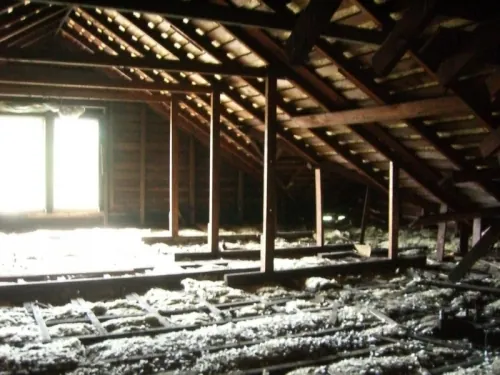
The main reason for a bad smell is the presence of excess moisture that can’t escape. In many homes, the attic lacks enough vents to cycle air properly. When the temperature inside the attic is significantly higher than the outside air, water vapor condenses on rafters, insulation, and cardboard boxes. This process is known as condensation, and it happens whenever moist air contacts a surface that’s below the dew point.
Another cause is a small, unnoticed roof leak. Even a tiny hole around a pipe flashing or a loose shingle allows rainwater to soak into wooden joists. Once the wood stays wet for more than 48 hours, mold begins to colonize the fibers.
You can verify the source of your humidity by checking the Environmental Protection Agency guidance on mold to see how moisture levels affect indoor air quality. If the smell is stronger near the eaves, your soffit vents are likely blocked by insulation.
Improve air circulation and venting
To clear the air, you must ensure that your attic vents aren’t obstructed. Many homeowners accidentally push fiberglass insulation too far into the edges of the eaves, which blocks the soffit vents. Use baffles or vent chutes to keep a clear channel for air to flow from the bottom of the roof up to the ridge vent. Proper cross-ventilation pushes moist air out before it can settle on your belongings.
If your attic has no vents, you might need to install a powered gable fan or a ridge vent system. This is a job for a professional roofer if your attic lacks existing structural openings. If you’re climbing into the attic to check the vents, always wear an N95 respirator mask to avoid breathing in mold spores. If you feel dizzy or notice heavy dust, leave the area immediately and wait for the space to air out completely.
Remove wet items and debris

Sometimes the smell comes from stored items rather than the structure of the house itself. Cardboard boxes, old clothes, and paper documents act as sponges, soaking up humidity and becoming breeding grounds for odors. If you find items that feel damp to the touch, they must be discarded. Cleaning them is rarely effective because mold roots penetrate porous materials like cardboard and fabric deep enough to survive surface wiping.
Move your remaining belongings into plastic, airtight bins with rubber seals. This prevents them from absorbing any future moisture that might enter the space. If you have old insulation that’s matted down or darkened, it has likely lost its ability to resist moisture and should be replaced. If you aren’t comfortable handling old insulation, contact a professional abatement contractor to ensure it’s removed safely without spreading dust throughout your living space.
Dry out the wooden surfaces
After you stop the water source, you must dry the wooden structure to stop the smell from returning. Use a dehumidifier in the attic if you have a power outlet available, or set up high-velocity fans to move air across the floor joists. The wood needs to reach a moisture content below 15% to be considered dry enough to prevent mold growth. You can measure this using a handheld moisture meter from any hardware store.
If you see dark spots on the wood that don’t go away after a week of drying, you may need a specialized cleaner. Use a wood-safe mold inhibitor, but never mix chemicals like bleach with other cleaning agents, as this creates dangerous fumes. If the mold covers more than 10 square feet of your attic, don’t attempt to clean it yourself. Hire a licensed remediation expert who has the proper gear to handle large-scale infestations safely.
Avoid these common mistakes
Spraying air fresheners only masks the scent and does nothing to stop the mold, which leads to worse air quality as spores continue to circulate. If you can smell a musty odor, you must find the moisture source immediately rather than simply masking the symptoms.
Closing vents to save heat traps moisture inside, causing hidden rot that costs thousands to repair. If your windows show condensation in the morning, your ventilation is already insufficient; opening a window for ten minutes is a better way to drop humidity than sealing the room.
Bleach is mostly water and actually feeds mold roots deep in porous wood rather than killing them. Use a dedicated fungicidal cleaner instead. If the mold covers an area larger than ten square feet, professional remediation is required to prevent structural failure.
Ignoring the roof while you scrub walls is a waste of time. Water will return with the next rain. Always trace the leak upward.
Stop moisture at the source
The difference between a dry attic and a smelly one is usually how well the air moves through the space. Compare your current setup to the recommended practices below to see where you might need to make changes.
| If you’re doing this | Do this instead | Why |
|---|---|---|
| Storing in cardboard | Use plastic bins | Plastic resists moisture |
| Blocking soffit vents | Install vent baffles | Maintains airflow paths |
| Ignoring small leaks | Patch roof flashing | Stops water at entry |
| Using fans only | Use a dehumidifier | Removes excess humidity |
| Leaving wet wood | Dry with fans/heat | Inhibits mold growth |
Related guides
Frequently asked questions
Can I just use an ozone generator?
No, ozone generators aren’t recommended for home use because they can damage electrical wiring and are harmful to breathe. They don’t remove the source of the mold, which is the moisture trapped in the wood or insulation. You should focus on ventilation and removing the damp materials instead of trying to clear the air with chemicals or machines.
How do I know if the mold is dangerous?
You can’t tell if mold is dangerous just by looking at it, so treat all mold as a health risk. Any mold growing in your home should be removed, regardless of the species, because it can cause respiratory irritation. If you have asthma or allergies, you should hire a professional to handle the removal to avoid breathing in any spores during the process.
How long does it take for the smell to go away?
The smell usually fades within 3 to 7 days after you remove the wet items and lower the humidity levels. If the smell persists for more than two weeks, you likely have a hidden leak or a patch of mold that you missed. Use a moisture meter to check the wood joists in the area where the smell is strongest to find the remaining damp spot.
Is it safe to go into a musty attic?
It isn’t safe to enter a musty attic without a respirator mask, as you could be breathing in high concentrations of mold spores. If you must go up, wear an N95 mask and protective clothing to keep the spores off your skin. If you feel any throat irritation, coughing, or difficulty breathing, you should exit the attic immediately and leave the space to ventilate.
What happens if I ignore the smell?
Addressing moisture immediately prevents wood rot that compromises your roof’s structural integrity. Left untreated, moisture leads to mold growth that spreads into your living areas, resulting in significantly higher repair costs. Acting early is essential to avoid replacing damaged rafters, drywall, or insulation once the rot sets in.
Conclusion
If you aren’t sure where the moisture is coming from, it’s a good idea to hire a professional for a quick inspection. They’ll spot hidden leaks you might miss, ensuring your home stays fresh and dry for years to come. Don’t wait, as catching these issues early really makes a difference.