
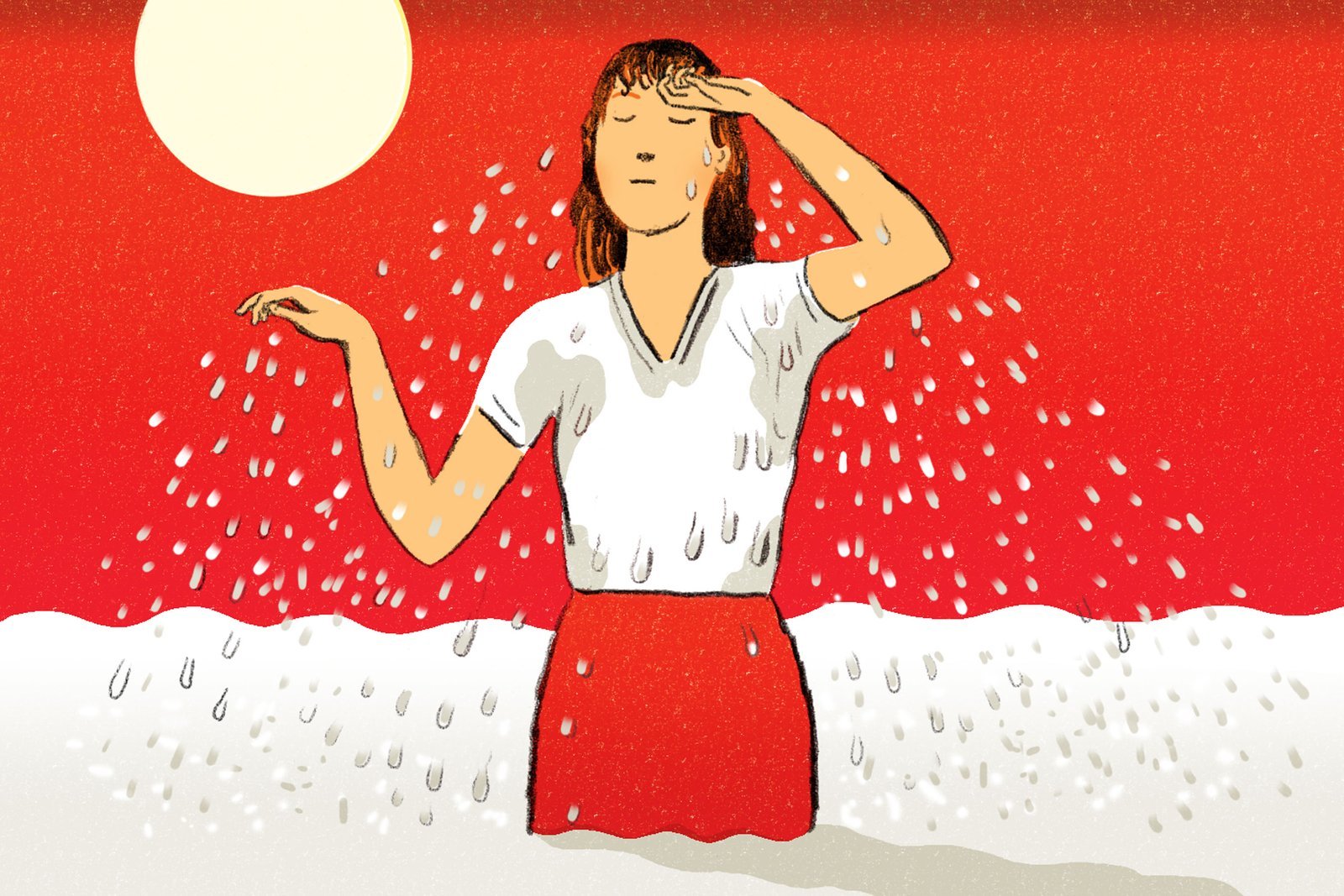
When your sweat smells like ammonia, it’s usually because your body is breaking down protein for energy instead of relying on carbohydrates or fat. This process creates ammonia as a byproduct, which is then released through your sweat glands. While this is often a temporary result of exercise intensity or diet, it can sometimes indicate that your body is under stress or missing specific nutrients.
Causes of why sweat smells like ammonia

The primary reason for this odor is the breakdown of amino acids during physical activity. When your primary fuel sources—glycogen and fat—are low, your muscles begin to use protein, which contains nitrogen. This nitrogen combines with hydrogen to form ammonia, leading to that distinct, sharp smell.
| Cause | What happens | Common sign |
|---|---|---|
| Low carbohydrates | Body burns protein for fuel | Intense workout fatigue |
| High protein diet | Excess nitrogen needs excretion | Stronger scent after meals |
| Dehydration | Less water to dilute sweat | Very concentrated, sharp odor |
| Intense exercise | Rapid muscle fiber breakdown | Smell peaks during exertion |
| Metabolic stress | Body struggles to recover | Lingering smell after rest |
Low carbohydrate intake
Your body relies on glycogen stored in your muscles to power through long or intense workouts. If you start a session with low glycogen levels, your muscles quickly turn to amino acids for energy. This shift causes an increase in nitrogen-based waste products, which your body must remove. If you notice this smell regularly, it suggests your pre-workout meals lack enough complex carbohydrates to sustain your effort.
- Increases the rate of protein oxidation during exercise.
- Forces the liver to process more ammonia than usual.
- Leads to a noticeable scent even during moderate effort.
If you’re training for over 60 minutes, aim to consume 30 to 60 grams of carbohydrates per hour to spare your muscle protein. You can test this by adding a small banana or a sports drink before your next session. If the smell disappears, your glycogen stores were likely the issue.
High protein intake
Consuming more protein than your body can use for muscle repair forces your system to break down the excess. The nitrogen byproduct from this breakdown must be processed by the kidneys and excreted. When your intake is very high, the concentration of nitrogen in your system rises, and some of it exits through your sweat. This is common in people following strict high-protein diets without adjusting their water intake.
- Creates a higher baseline of nitrogen waste in the blood.
- Increases the workload on your metabolic system.
- Produces a sharper, more pungent smell during light activity.
A typical adult generally needs about 0.8 grams of protein per kilogram of body weight, according to Dietary Guidelines for Americans. If you eat significantly more than this, monitor your hydration closely. If you consistently eat high protein and experience this smell, try lowering your intake slightly to see if the odor decreases within three days.
Dehydration and concentration

Sweat is mostly water, but it also contains minerals, urea, and small amounts of ammonia. When you’re dehydrated, your body produces a lower volume of sweat, making the concentration of these substances much higher. This makes the ammonia scent seem stronger, even if your actual ammonia production hasn’t changed. Proper hydration helps flush these compounds out through your kidneys rather than your skin.
- Reduces the volume of sweat produced by the glands.
- Increases the concentration of waste products on the skin.
- Makes the odor feel more intense and persistent.
If you’re sweating heavily, you should replace the fluid you lose. A simple way to check your status is to look at your urine color; it should be a pale yellow. If it’s dark, you’re likely dehydrated. Drink 16 to 20 ounces of water for every pound of body weight lost during a workout.
Intense exercise duration
Long-duration exercise, such as marathon training or high-intensity interval training, puts unique stress on your metabolic pathways. As your workout length increases, your body moves through different fuel-burning stages, eventually reaching a point where protein breakdown becomes inevitable. People who suddenly increase their training volume often notice this smell as their body adapts to the new physical demands.
- Accelerates the depletion of muscle glycogen stores.
- Increases the total amount of ammonia produced by muscles.
- Requires longer recovery periods for metabolic balance.
If you’re pushing your limits, allow for at least one full day of rest between high-intensity sessions. If you feel dizzy, weak, or notice the smell persists for hours after you finish, your intensity is likely too high for your current fitness level.
Other potential factors
- Kidney function: If your kidneys aren’t filtering waste efficiently, ammonia can build up in your system. This is a medical concern that requires a professional assessment if the smell is constant.
- Liver health: The liver is responsible for converting ammonia into urea. If it’s struggling, ammonia levels in the blood rise, leading to a strong odor in your sweat.
- Medications: Certain prescription drugs can alter your body’s metabolic processes or change how you sweat. Check your medication labels for side effects related to perspiration or metabolism.
How to manage the odor
The best way to decide if this is a dietary issue or a training issue is to change one variable at a time. If you suspect your diet, increase your complex carbohydrates before training and observe the result.
If you suspect your training volume, reduce your session time by 20% to see if the smell fades. If you’re struggling to keep up with your goals or feel the smell is getting worse despite these changes, it’s time to consult a doctor.
Related guides
Frequently asked questions
Does a strong ammonia smell mean I am burning fat?
No, it means you’re burning protein. Burning fat creates ketones, which have a fruity or acetone-like smell, not ammonia. If you smell ammonia, your body has run out of its preferred fuel sources and is breaking down muscle tissue to keep you moving during your workout.
Is it safe to continue exercising if I smell ammonia?
It’s usually safe if you feel fine, but it’s a sign that you should adjust your nutrition. If you feel dizzy, unusually tired, or notice the smell even when you aren’t exercising, stop your training and consult a doctor to rule out any underlying health issues.
Can supplements cause sweat to smell like ammonia?
Yes, certain amino acid supplements, especially those containing high levels of leucine or other branched-chain amino acids, can contribute to the smell. Because these are direct protein sources, taking them without enough carbohydrates can lead to a quick spike in ammonia production during your exercise session.
How long does the ammonia smell last after a workout?
The smell should fade within 30 to 60 minutes after you shower. If the odor lingers on your skin or clothes for hours, it suggests your body is still processing high levels of nitrogen. Ensure you’re drinking enough water to help your kidneys clear the excess waste from your blood.
Does the smell of ammonia mean I have diabetes?
Not necessarily, but metabolic issues can sometimes present with unusual body odors. Diabetes is typically linked to a sweet or fruity smell due to ketones. If you have any concerns about your blood sugar levels or metabolic health, speak with a medical professional to get a proper blood panel done.
Should I change my deodorant if I smell ammonia?
No, changing your deodorant won’t stop the smell because the odor is coming from your blood and metabolic waste, not bacteria on your skin. Deodorant only masks surface-level odors. To stop the smell, you must address the internal cause, such as your carbohydrate intake or your hydration levels.
Conclusion
Start by eating a small, carbohydrate-rich snack about 30 minutes before your next workout. If the ammonia smell disappears, your body has the fuel it needs to avoid burning muscle protein. If the smell persists or you feel persistent fatigue, stop your current training routine and schedule an appointment with your doctor to check your kidney and liver function.