
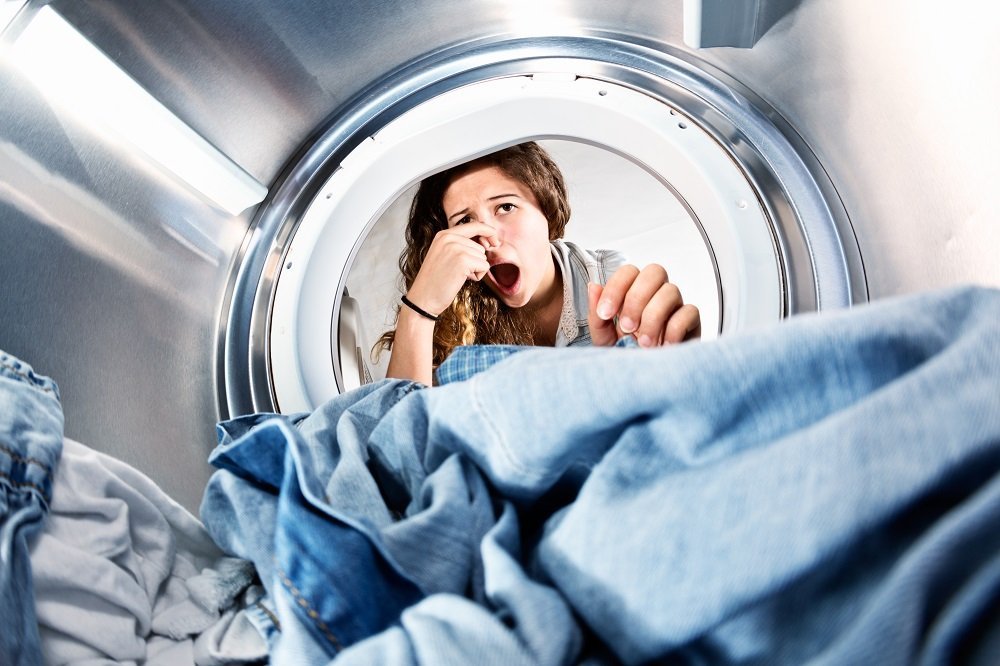
You can fix a washing machine smells bad by running a hot water cycle with a cup of white vinegar or a dedicated cleaner to remove mold and soap scum. This issue usually happens because residue from detergent and fabric softener builds up in the rubber door seal, creating a home for bacteria. Frequent cold water washes often make this buildup worse over time.
Why your washing machine smells
The primary reason for these smells is the accumulation of organic matter inside the machine. During every wash, tiny bits of skin, dirt, and undissolved detergent get trapped in the drum and the folds of the rubber door gasket. If you live in a humid climate, this moisture allows mold and mildew to grow rapidly.
Another common cause is the use of too much detergent. Modern high-efficiency machines use very little water, so they can’t rinse away excess suds. This leftover soap creates a sticky film that traps odors and provides food for bacteria.
If you have hard water, this problem happens faster because mineral deposits combine with the soap to form a stubborn sludge. You can check your local water quality report to see if you have high mineral content, which might explain why you need to clean your machine more often than the manufacturer suggests.
Run a deep cleaning cycle
To start, empty the drum and select the hottest water setting available, such as a “sanitize” or “tub clean” cycle. Add two cups of white distilled vinegar to the detergent dispenser and start the machine. The acid in the vinegar helps break down mineral deposits and kills mold spores hiding in the drum. If your machine doesn’t have a specific tub clean setting, a standard heavy-duty cycle works well.
If you prefer a stronger approach, use a commercial washing machine cleaner tablet instead of vinegar. These products contain specific surfactants designed to lift heavy buildup from the outer tub where you can’t reach. Once the cycle finishes, leave the door wide open to let the interior dry out completely. If the smell persists after one run, repeat the process with a fresh dose of cleaner. Never mix vinegar with bleach, as this creates a harmful gas.
Scrub the rubber door seal
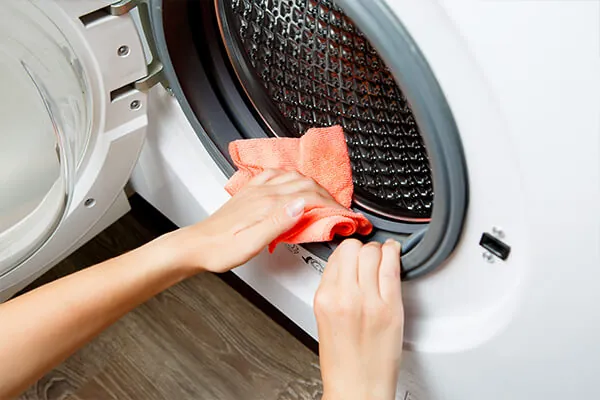
The rubber gasket around the door is the most common place for hidden mold. Open the door and pull back the folds of the rubber carefully to see what is hiding inside. You’ll often find hair, coins, or a thick black slime that causes the odor. Use a clean cloth soaked in warm, soapy water to wipe out all the loose debris from the grooves.
If you see stubborn black spots, use a mixture of one part bleach to ten parts water on a cloth. Gently wipe the affected areas and let them sit for a few minutes before rinsing thoroughly with fresh water. If the gasket is torn or cracked, cleaning will only provide a temporary fix. In that case, you must replace the seal to stop the moisture from leaking into the frame.
Check the drain pump filter
Most front-load machines have a small filter near the bottom front that catches objects like buttons or coins. If this filter gets clogged, water can’t drain properly, which causes stagnant water to sit in the system and smell like rotten eggs. Place a shallow tray or a thick towel on the floor, as water will spill out when you open the cover.
Unscrew the filter cap slowly to let the water drain into your tray. Once the water stops flowing, remove the filter entirely and rinse it under a sink faucet to clear out all lint and sludge. Check the housing cavity for any debris before putting the filter back in place. Tighten the cap firmly to prevent leaks during your next wash. If you can’t turn the cap, don’t force it with tools, as this may break the plastic housing.
Common mistakes to avoid
Never leave damp laundry in the drum for more than an hour. Mold spores can begin to colonize wet fabrics in as little as sixty minutes, creating a musty odor that may require re-washing the load.
Excess detergent creates a permanent, sticky film on the drum and seals. Always measure soap using the lines on the cap; using more than the manufacturer recommends doesn’t clean clothes better, but it does force the pump to work harder, shortening its lifespan by years.
Skip fabric softeners entirely. These waxy agents leave a heavy coating inside the pipes that traps lint and bacteria. If your clothes feel stiff, use a half-cup of white vinegar in the rinse cycle instead.
Keep the door slightly ajar between loads. If you have small children or pets, install a magnetic door latch to allow airflow while preventing the door from swinging fully open. This simple habit prevents the rubber gasket from developing black mold.
Stop odors from returning
To keep your machine fresh, you must change how you handle your laundry routine. A few small habits will prevent the buildup of bacteria and soap scum that leads to bad smells.
| If you’re doing this | Do this instead | Why |
|---|---|---|
| Using high-suds soap | Switch to HE detergent | It’s designed for low-water machines |
| Washing only in cold | Run one hot cycle weekly | Hot water kills bacteria and dissolves oil |
| Leaving the door shut | Keep the door ajar | Airflow prevents mold and mildew growth |
| Using liquid softener | Use white vinegar | Vinegar softens clothes without wax buildup |
Related guides
Frequently asked questions
How often should I clean my washing machine?
You should run a cleaning cycle once every month to prevent buildup. If you do more than five loads of laundry per week, or if you have very hard water, you may need to clean it every two weeks. Regular maintenance stops the smell before it becomes strong enough to transfer to your clean clothes.
Is it safe to use bleach to clean the drum?
Yes, you can use a small amount of bleach, but only if your machine’s manual explicitly allows it. Use no more than one cup, and always run a secondary rinse cycle afterward to ensure all chemical residue is gone. Follow your manufacturer’s instructions regarding the use of bleach, as excessive or undiluted use can potentially damage stainless steel components.
Why does my machine smell like sewage?
A sewage smell usually indicates a problem with your home’s plumbing rather than the machine itself. Check if the drain hose is inserted too far into the standpipe, which can cause a siphon effect. This pulls sewer gas back into the machine. You should consult a licensed plumber if you notice this odor even when the machine is clean.
Can I use vinegar and baking soda together?
No, mixing these two creates a chemical reaction that’s mostly just water and salt, which doesn’t help clean the machine. While the bubbling looks effective, it neutralizes the cleaning power of the vinegar before it can break down the soap scum. Use them separately or stick to a single, high-quality cleaning agent for the best results.
How long does a deep clean take?
A full cleaning cycle typically takes between 60 and 90 minutes, depending on your machine’s model and settings. Some machines have a pre-programmed cycle that runs for a set time, while others require you to manually set the temperature and duration. Always check your user manual to see the recommended time for your specific unit’s maintenance cycle.
What happens if I ignore the smell?
Ignoring the smell will eventually lead to permanent mold growth that can ruin your clothes and irritate your skin. Over time, the sludge can also damage the internal pump and sensors, leading to expensive repairs. If the smell is constant, it’s a clear sign that the machine’s internal components are heavily coated in bacteria that require deep, manual cleaning.
Conclusion
The best way to ensure your clothes stay fresh is to focus on airflow and proper soap usage. If you stick to these habits, you’ll rarely need to perform deep cleans, and your machine will last much longer without any unwanted odors.