
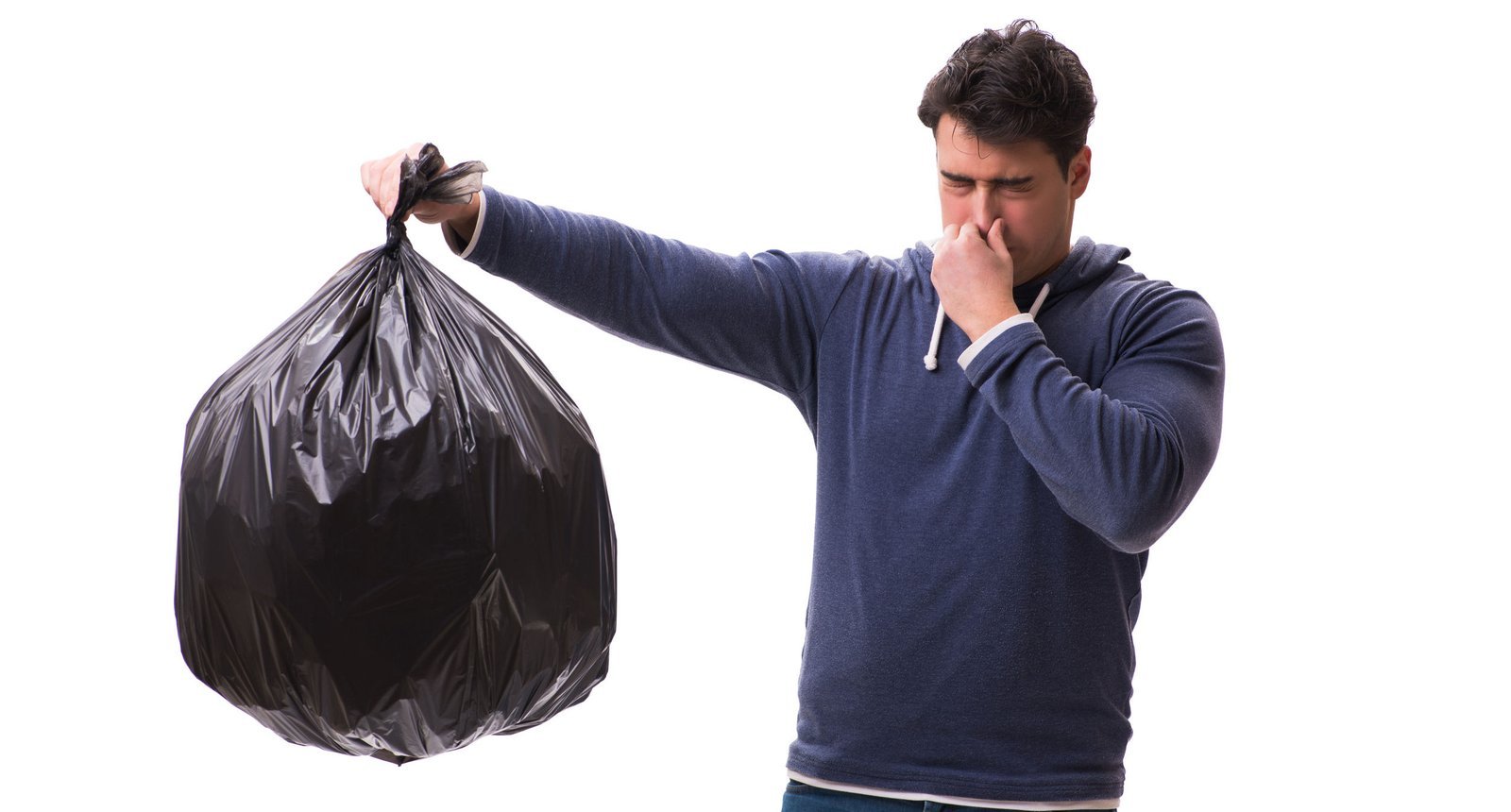
You clean a trash can that smells bad by scrubbing the interior with a mixture of hot water and liquid dish soap to remove food residue. This odor usually happens because bacteria grow on organic waste stuck to the bin walls or the bottom. If you see visible mold or thick grime, you must use a stronger disinfectant to kill the germs.
Why your trash smells
The primary cause of bad odors is the breakdown of organic material by bacteria and yeast. When you throw away food scraps, small amounts of juices or particles often stick to the sides of the bin. Over time, these tiny spots create a home for microbes that release foul gases as they feed. This happens faster in warm kitchens because heat speeds up the biological processes that cause decay.
Another common reason is a buildup of moisture at the bottom of the liner. If your trash bag has a small leak or if you throw away wet items like coffee grounds or leftover soup, liquid pools in the base. This dark, damp area is the perfect environment for bacteria to thrive. Even if you take the trash out every day, these lingering liquids continue to release smells until you physically wash the container.
Scrub the interior with soap
To deep clean your container, take it outside or into a large shower area. Fill the bin with 2 gallons of hot water and 2 tablespoons of grease-cutting dish soap. Use a long-handled scrub brush to reach the bottom and clean every side, paying close attention to the corners where old debris hides. If you have a plastic bin, don’t use a wire brush, as this can create tiny scratches that trap bacteria later.
After scrubbing, rinse the bin thoroughly with a hose or showerhead. It’s vital to let the container dry completely in the sun before you put a new bag inside. If you put a bag in while the plastic is still damp, you’re inviting mildew to grow on the bin walls. If your bin is made of stainless steel, use only a soft cloth to avoid damaging the finish.
Neutralize odors with baking soda
If the bin still smells after washing, apply a layer of baking soda to the bottom. Baking soda acts as a natural deodorizer by neutralizing acidic odors caused by rotting food. Sprinkle about half a cup across the base of the bin before you insert a fresh trash bag. This simple step absorbs any moisture that might leak through the bag in the future.
This method works best for plastic bins that have held onto stubborn smells. If you have a metal bin, check the manufacturer’s care instructions first, as some finishes may react to the abrasive nature of baking soda. If the smell persists even after using baking soda, the odors might be trapped deep within the plastic material itself. In such cases, replacing the bin is often the only way to stop the smell permanently.
Use odor-absorbing inserts
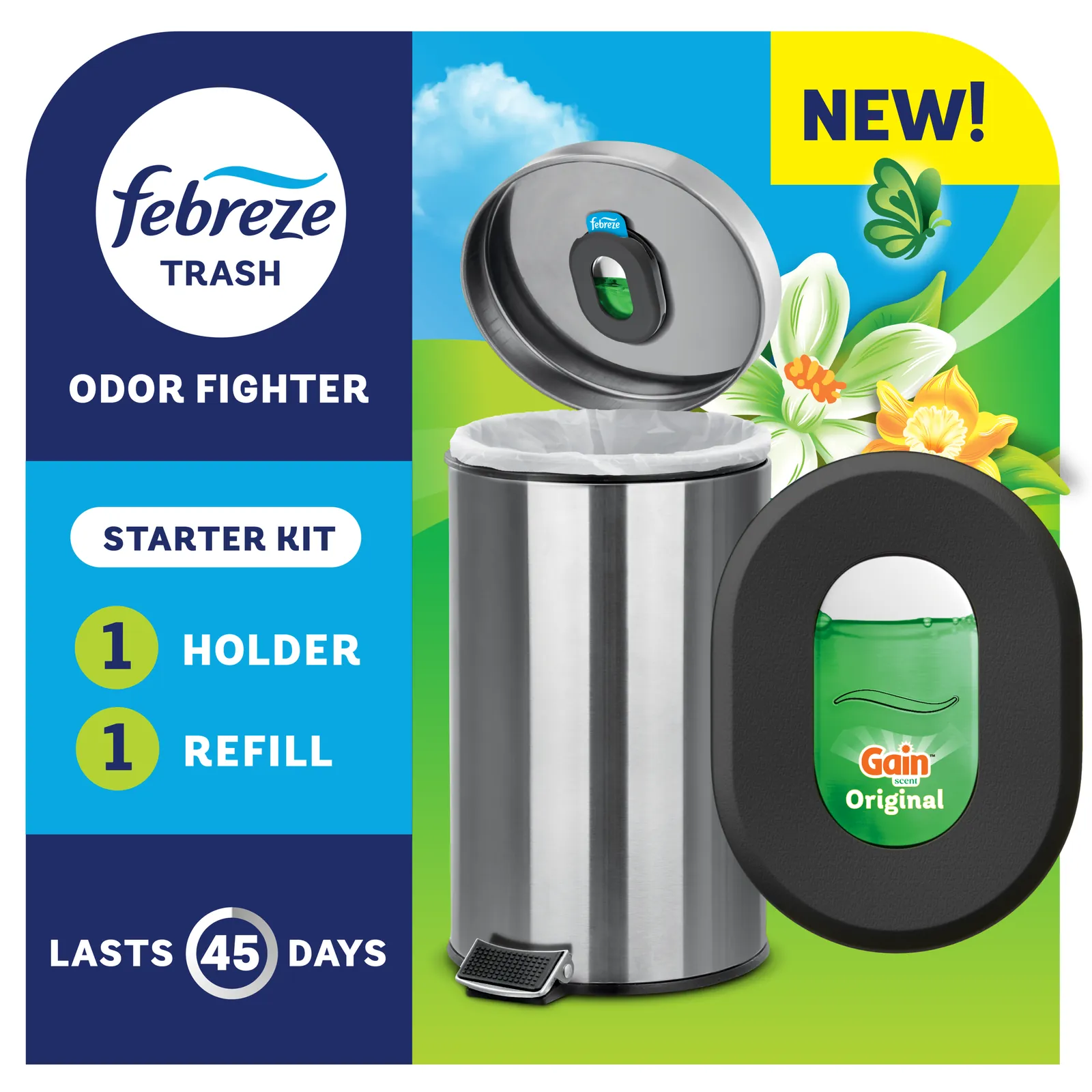
For bins that see heavy use, consider attaching an adhesive odor-absorbing pod to the underside of the lid. These products contain activated charcoal or other filtering agents that trap smells before they enter your kitchen air. You should replace these inserts every 30 days to ensure they keep working effectively. This is a great choice for households that generate a large volume of food waste.
However, these inserts aren’t a substitute for regular cleaning. If you have a large family or a high-traffic kitchen, you might need to clean the bin every 2 weeks to stay ahead of the grime. If you notice the smell returning in less than 5 days, you likely have a hidden crack in the bin or a bag that’s consistently leaking. In that case, check the bag quality or consider using a double-bagging technique for wet waste.
What not to do with your bin
- Don’t use bleach on colored plastic bins, as it can cause permanent spotting or weaken the material over time.
- Avoid spraying heavy air fresheners directly into the bin, as these only mask the scent instead of removing the source of the bacteria.
- Don’t leave wet food waste sitting in the bin for more than 24 hours, as this is the primary reason smells develop.
- Avoid using abrasive steel wool pads, as they will scratch the interior surface and create more places for bacteria to hide.
How to stop the smell from returning
Changing your habits is the most effective way to keep your kitchen smelling fresh. If you’re currently tossing loose scraps into your trash, move to a system that prevents leaks.
| If you’re doing this | Do this instead | Why |
|---|---|---|
| Throwing food loose | Use a sealed compost bin | Keeps liquids inside a smaller, washable container |
| Using thin bags | Use heavy-duty, leak-proof bags | Prevents juice from dripping onto the bin walls |
| Washing once a month | Rinse the bin every 2 weeks | Stops bacteria before they colonize the surface |
| Ignoring wet items | Bag wet waste separately | Keeps the main bin dry and odor-free |
Related guides
- How to Clean Polyurethane Brush: The Best Solvent Methods in 2026
- How to Clean Acrylic Paint Brushes: A Simple Step-by-Step Guide in 2026
- Can You Cut MDF With a Table Saw: Tips for Clean Results in 2026
Frequently asked questions
Can I use vinegar to clean my trash can?
Yes, vinegar is an excellent natural cleaner for trash cans because its acidity breaks down stubborn grime and kills many types of surface bacteria. Mix 1 cup of white vinegar with 1 gallon of warm water to create your cleaning solution. Always rinse the bin with fresh water after using vinegar to ensure the lingering scent of the acid doesn’t mix with other odors.
How often should I wash my trash can?
You should wash your trash can at least once every 2 weeks to prevent bacteria buildup. If you frequently throw away raw meat scraps or liquid-heavy items, you may need to wash it once a week. If you notice a persistent smell even after taking the trash out, that’s your sign to perform a deep clean immediately to stop the growth of mold.
Is it safe to use bleach in my trash can?
No, bleach is often too harsh for household plastic bins and can cause damage or discoloration. If you must disinfect, use a solution approved for household surfaces that’s labeled as safe for plastic. Always wear gloves when handling disinfectants and ensure the area is well-ventilated to avoid breathing in chemical fumes while you scrub the interior of the bin.
Why does my trash can smell even after cleaning?
The smell often stays because microscopic debris remains trapped in the seams or hinges of the lid. Check the underside of the lid and the rim where the bag rests, as these areas are frequently missed during cleaning. If the bin is old, the plastic may have become porous, meaning it has absorbed odors that no amount of scrubbing will remove.
How long do odor-absorbing pods last?
Most odor-absorbing pods last for 30 days before the activated charcoal becomes saturated and stops working. If your kitchen is particularly humid or if you throw away very strong-smelling food, you might find they stop working sooner. When you no longer notice the effect, replace the pod with a fresh one to maintain the barrier against smells.
What is the best way to line a trash can?
The best way to line a bin is to use a bag that’s slightly larger than the container so it doesn’t pull away from the edges. Always tuck the excess bag material neatly over the rim to prevent it from falling into the bin when you drop items inside. If your bag tends to slip, use a clip or a rubber band to secure the top edge.
Conclusion
Keeping your bin clean is a simple chore that makes a big difference in your home environment. By addressing the source of the waste and washing the container regularly, you can easily prevent foul odors from taking hold. If you find yourself cleaning the bin more than once a week, evaluate the bags you use and consider separating wet food waste to keep the main container dry.