
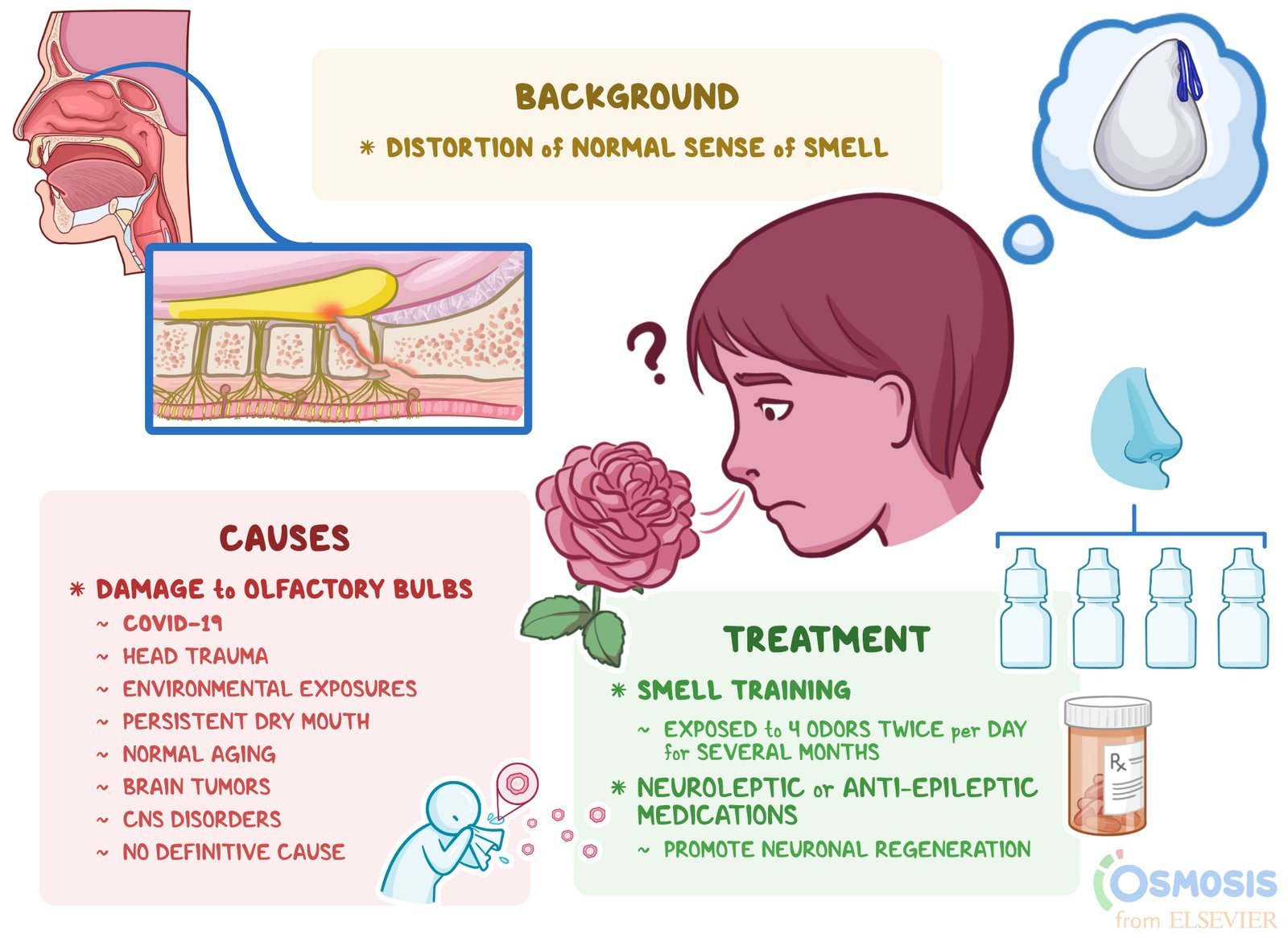
Viral infections are the most common reason for a sudden loss of smell. Most of the time, this happens because inflammation from a cold or flu blocks the nose or damages the delicate cells that detect odors. In a small number of cases, it can point to other health issues that need a doctor’s help. You can confirm the cause by noting if you have other symptoms like a runny nose or fever.
Main causes of smell loss
| Cause | How common | How to confirm it | Fix it yourself? |
|---|---|---|---|
| Viral illness | Very common | Runny nose or fever | Yes |
| Nasal polyps | Common | Persistent stuffy nose | No |
| Sinus infection | Common | Facial pain or pressure | Yes with care |
| Head injury | Rare | History of recent trauma | No |
| Chronic allergies | Common | Sneezing and itchy eyes | Yes |
| Medications | Rare | Check medicine side effects | No |
Most people mistake a temporary cold for permanent damage. If your smell returns within two weeks of your fever breaking, it was likely simple inflammation. If the loss persists beyond a month, you’re likely dealing with post-viral olfactory dysfunction.
You can distinguish polyps from allergies by the duration of your congestion. Allergies fluctuate with the seasons or environment, while polyps create a constant, one-sided blockage that never fully clears. If you can’t breathe through one nostril regardless of how much antihistamine you take, see an ENT.
Don’t ignore head trauma even if you feel fine otherwise. A blow to the back of the head can shear the olfactory nerves. If you lost your sense of smell after a fall, the damage is often permanent. Seek a neurologist immediately to prevent further complications. Finally, always check your prescription labels for ACE inhibitors or antidepressants, which can dull your senses without warning.
Viral infections and sinus congestion
Viral infections, such as the common cold or influenza, are the primary drivers of olfactory loss. These viruses trigger inflammation in the nasal passages, which swells the tissues and prevents odor molecules from reaching the sensory nerves. This is often temporary and resolves once the underlying infection clears up.
If you have a cold, you may notice your sense of smell returns gradually over 7 to 14 days as the congestion fades. To help your body recover, focus on rest and hydration.
If you don’t see any improvement after two weeks of being healthy, you should consult a doctor. This is a common point where people make the mistake of waiting too long; if you have no other symptoms of illness but still can’t smell, it’s time to seek professional advice.
Nasal polyps and chronic inflammation
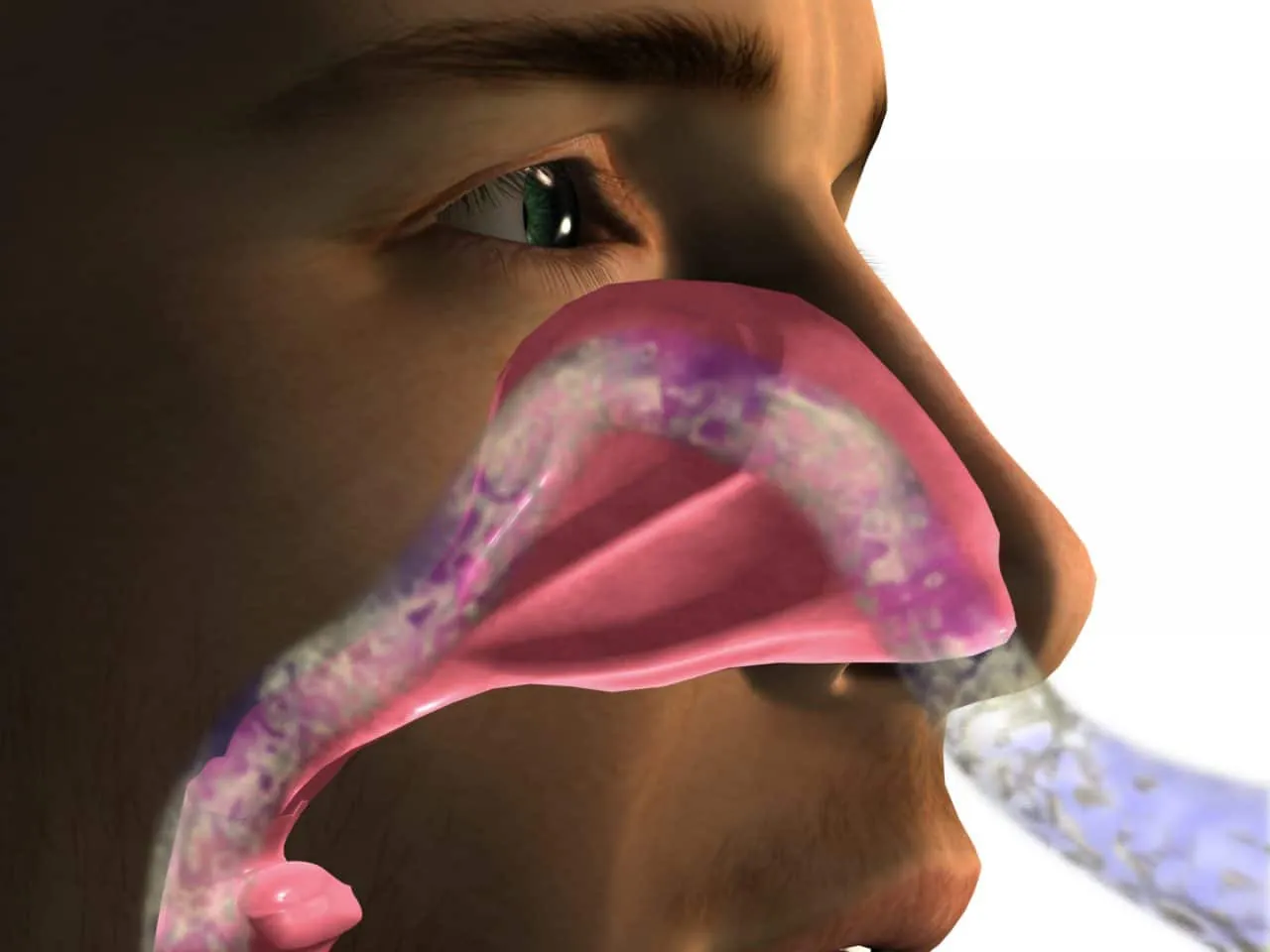
Nasal polyps are soft, painless growths on the lining of your nasal passages or sinuses. They develop from chronic inflammation caused by asthma, recurring infections, or allergies. These growths can physically block the path of air, making it difficult for you to smell or breathe through your nose.
You can often tell if polyps are the cause because the congestion feels constant rather than tied to a single cold. If you feel like your nose is always “stuffed up” even when you aren’t sick, this is a strong sign. A doctor uses a small camera to look inside your nose to confirm if polyps are present. Treatment often involves corticosteroid sprays or, in some cases, a minor procedure to remove them.
Allergies and environmental irritants
Allergies cause the immune system to react to things like pollen, dust, or pet dander. This reaction releases chemicals that cause swelling in the nose, which can temporarily dull your sense of smell. Unlike a virus, this often happens seasonally or when you’re around specific triggers.
If your loss of smell happens only during spring or while cleaning, you’re likely dealing with an allergic reaction. The National Institute on Deafness and Other Communication Disorders notes that allergies are a leading cause of temporary olfactory dysfunction. Managing your environment by using air purifiers or taking over-the-counter antihistamines can often restore your sense of smell. If you try these for 10 days and see no change, you should talk to a specialist to rule out other issues.
Less common factors
Head trauma often severs the olfactory nerves, leading to permanent anosmia. If you experienced a concussion and notice a metallic taste or complete absence of scent, consult a neurologist immediately. Early intervention may determine if the damage is axonal or merely inflammatory.
Many prescription medications, particularly ACE inhibitors for blood pressure, list smell loss as a rare side effect. If your symptoms began within three weeks of starting a new regimen, request an alternative class of drug from your physician.
Parkinson’s disease frequently manifests as a gradual, years-long decline in olfactory sensitivity. This often precedes motor tremors by a decade.
Exposure to toxic chemicals like ammonia or concentrated pesticides causes immediate chemical burns. If you experience burning sensations or nosebleeds after contact, flush the nasal passages with saline and seek emergency care.
What fixing the problem involves

Addressing a loss of smell requires a mix of patience and professional diagnostic tools. If the cause is a simple viral infection, the fix is usually just waiting for your body to heal, which costs only time. If you have polyps or chronic allergies, you may need prescription nasal sprays or allergy shots. The cost for these varies based on your insurance plan and your local pharmacy’s pricing.
You should always check your own insurance policy to see which specialists are covered before booking an appointment. For persistent issues, an ENT (ear, nose, and throat) doctor is the person to see. They have the equipment to look deep into your nasal cavity. Never try to clear blockages with sharp objects or unverified home remedies, as this can cause permanent damage to your nasal lining.
Related guides
Frequently asked questions
Can a loss of smell come back on its own?
Yes, it often returns on its own once the underlying inflammation or infection clears up. This recovery usually takes two weeks for simple viruses, though it can take longer if the nerves were irritated. If you notice no progress after several weeks, schedule a visit with your primary care provider.
How long does it take to get my smell back?
It takes 7 to 14 days for most people recovering from a viral cold. The exact time depends on how much swelling remains in your nasal passages. If you have had no improvement after 30 days, it’s important to see a specialist to investigate other causes like polyps.
Is it safe to use nasal sprays for smell loss?
It’s safe only if you follow the instructions on the package or your doctor’s advice. You should never use decongestant sprays for more than 3 days, as they can cause “rebound congestion.” This makes your nose feel more blocked than it was before you started using the medication.
Does it matter if I can’t smell anything at all?
It matters because your sense of smell is tied to your ability to taste food and detect danger. A complete loss of smell, known as anosmia, can affect your appetite and safety. If you can’t smell smoke or spoiled food, you should speak with a doctor to discuss potential management strategies.
What happens if I ignore a persistent loss of smell?
You risk missing an early sign of a chronic condition that could be treated effectively if caught early. While many cases are harmless, a persistent loss of smell is a clear signal from your body. A professional checkup provides clarity and ensures you aren’t missing a treatable underlying health issue.
Why is my smell worse in the morning?
It’s worse because mucus and fluids collect in your nasal passages while you lie flat at night. This increases the physical blockage near your sensory cells. Most people find that their smell improves throughout the day as they stand up, move around, and clear their nose through normal breathing.
Conclusion
If your loss of smell persists, keep a log of when it happens and any other symptoms you feel. Sharing this information with your doctor helps them identify the cause much faster. Your sense of smell is a vital part of your health, so take any long-term changes seriously.