
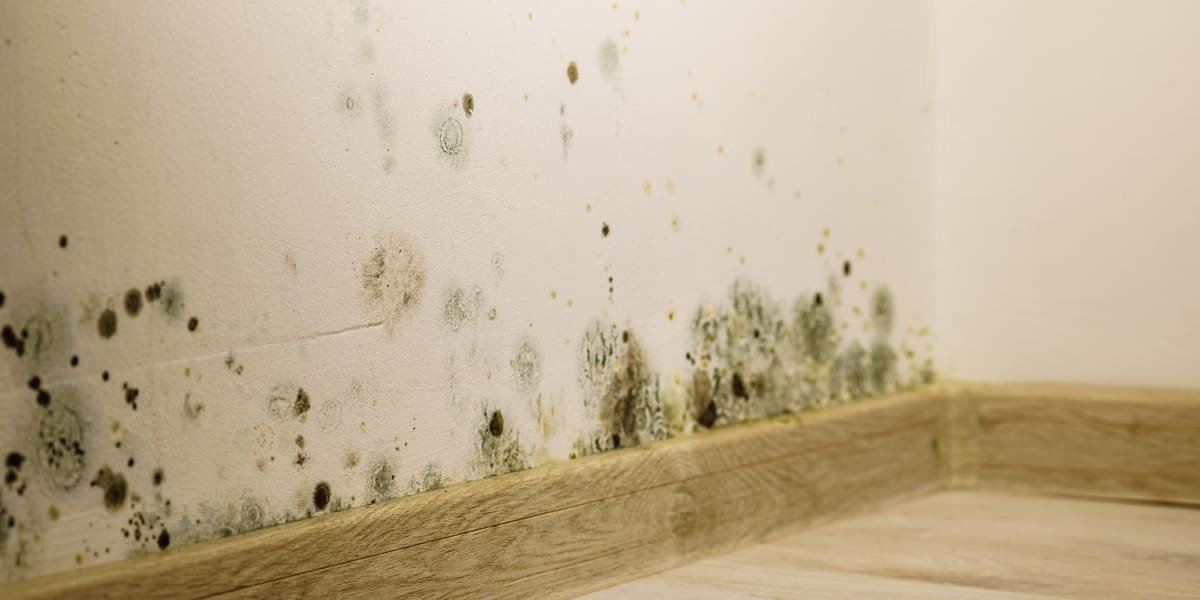
Yes, mold smell health risks are primarily linked to respiratory irritation, allergic reactions, and potential asthma flare-ups in sensitive people. The scent you detect isn’t the mold itself, but the volatile organic compounds (VOCs) released during its growth. If you ignore this smell, you may face ongoing health issues or structural damage to your property. Always address the source of moisture immediately to prevent the colony from spreading further into your walls or belongings.
How Mold Smells Affect Your Health Risks
Not every situation involving a musty odor carries the same level of danger to your health. You must identify if the smell comes from a localized source, like a damp towel, or a systemic problem, like a hidden leak in your wall.
| Situation | Safe? | Why |
|---|---|---|
| Musty old books | With care | Surface spores cause allergies. |
| Damp bathroom towels | Yes | Dry them to stop growth. |
| Visible wall patches | No | Indicates deep structural moisture. |
| Basement floor leaks | No | High risk of foundation damage. |
| Persistent HVAC odor | No | Spores spread through your home. |
| Furniture from storage | With care | Clean it thoroughly outdoors first. |
If the odor persists after you remove the suspected item, assume the moisture source is hidden behind your drywall. A simple rule applies: if the smell follows you into another room, your HVAC system is likely circulating spores. If the smell stays in one corner, the issue is contained.
Most people mistakenly use bleach to clean porous materials like drywall. This is a costly error because bleach can’t penetrate deep enough to kill root-like hyphae. Instead, the water content in bleach often feeds the remaining mold. If you see discoloration larger than a dinner plate, stop scrubbing and call a professional. You’re dealing with a colony that has already compromised the structural integrity of your building materials.
Understanding the Actual Health Harm
The primary health risk from living in a space with a strong mold odor is the development of respiratory symptoms. According to the United States Environmental Protection Agency, exposure to moldy environments can lead to nasal stuffiness, throat irritation, coughing, and eye irritation. These effects are most common in people who already have mold allergies or asthma. While these symptoms are rarely fatal, they can significantly lower your quality of life if the mold source remains active.
The likelihood of severe health complications depends on your personal sensitivity and the concentration of spores in the air. If you’re immunocompromised or have chronic lung disease, you face a higher risk of serious infections. Most people will simply experience discomfort, but the long-term presence of mold can make a home feel unlivable.
You should check the official guidance from your local public health department to see if there are specific regional mold concerns in your area. They often provide information on how to test your indoor air quality if you suspect the concentration of spores is becoming dangerous to your household.
Signs You Must Act Immediately
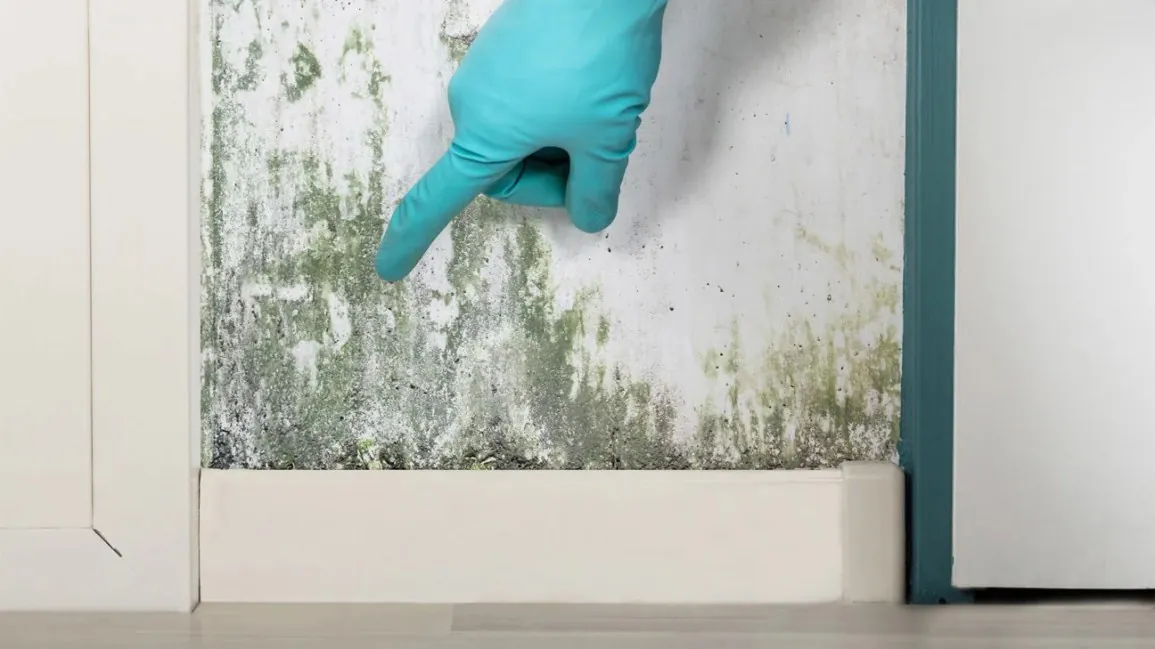
If you notice these specific indicators, you need to stop living in or using the affected area until it’s cleaned:
- Visible fuzzy or slimy patches on walls or ceilings, which show an active, spreading colony.
- Persistent respiratory distress, such as wheezing or tightness in your chest, that only happens when you’re inside.
- Signs of water damage like peeling paint or warped wood, which provide the fuel mold needs to grow.
- A strong, earthy smell that lingers even after you have deep-cleaned the area and improved the ventilation.
- Water stains that have changed color, which suggest the moisture has been present for a long time.
If you find black, slimy, or widespread growth covering more than 10 square feet, don’t attempt to clean it yourself. Hire a professional remediation service, as they have the protective equipment to handle large-scale infestations safely.
The Safer Way to Remove Odors
Find the moisture source first, such as a leaking pipe or high humidity, and fix it to stop new growth. If you can smell dampness but can’t find the leak, check behind baseboards or inside wall cavities where condensation often hides.
Wear protective gear, including an N95 respirator, gloves, and goggles, to avoid breathing in spores during the cleanup. Don’t use a standard cloth mask; it won’t filter microscopic mold particles.
Seal the room with plastic sheeting if the area is large to prevent spores from traveling to other parts of your home. Use duct tape to secure the edges of the plastic to the floor and walls.
Remove porous items like carpet or drywall that have been wet for more than 48 hours, as they can’t be fully cleaned. If the material feels soft or crumbles under pressure, it’s permanently compromised.
Scrub hard, non-porous surfaces with a mixture of dish soap and water until all visible growth is gone. Avoid bleach, which often fails to penetrate porous surfaces and may actually feed the mold roots.
Dry the area completely using fans and dehumidifiers to ensure no moisture remains for new spores to colonize. Aim for a humidity level below 50 percent to prevent regrowth.
Handling Existing Mold Problems
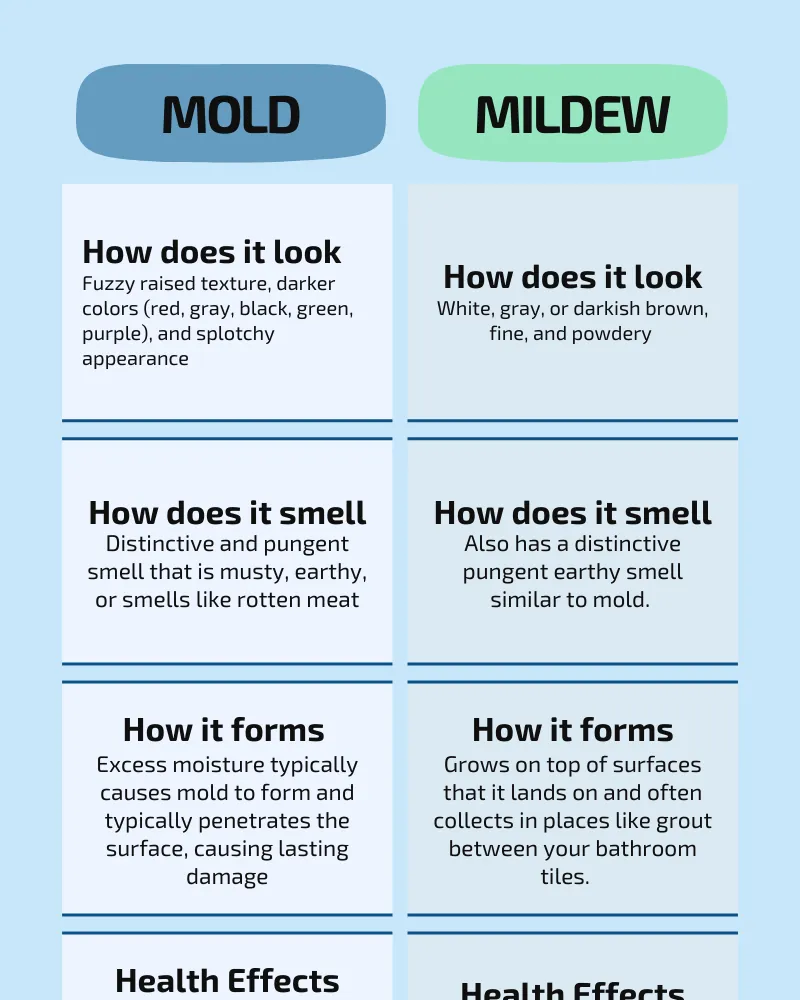
If you have already discovered mold in your home, your first step is to isolate the area. Keep pets and children away from the room to prevent accidental contact or inhalation of spores. If the area is small, you can use a vacuum with a HEPA filter to collect loose dust, but be careful not to stir up the mold into the air.
If you’re a renter, notify your landlord immediately in writing so they can arrange for professional repair. If you own the home, you must decide if you can handle the cleanup or if the size of the growth requires a professional. Once the remediation is complete, use a dehumidifier to keep indoor humidity below 50 percent. If the smell returns, it means the water source is still active and you need to call a plumber or a moisture control expert.
Frequently Asked Questions
Can a mold smell make you sick?
Yes, breathing in mold spores can cause symptoms like coughing, wheezing, and skin rashes in many people. These reactions happen because your immune system identifies the spores as invaders and triggers an allergic response to protect your body from the microscopic particles.
How long does it take for mold to grow?
Mold can begin to grow within 24 to 48 hours of a surface becoming wet. If the area remains damp, the colony will continue to expand until the moisture source is removed and the area is fully dried out.
Is it safe to sleep in a room with a moldy smell?
No, it isn’t safe to sleep in a room with a persistent mold smell because you’ll be exposed to spores for several hours. Continuous exposure to high concentrations of airborne mold can lead to chronic respiratory irritation and sleep disturbances.
What happens if you ignore a mold smell?
If you ignore the smell, the mold will continue to eat away at organic materials like wood and drywall. This can lead to significant structural damage to your home and make the eventual cost of professional remediation much higher.
Does a mold smell mean there’s toxic black mold?
No, the smell doesn’t indicate the toxicity of the specific mold species present in your home. All types of indoor mold can cause health issues, so you should treat any musty odor as a sign that you need to fix a moisture problem.
How can I tell if my home is moldy?
You can detect mold by looking for visible growth, feeling for dampness, or noticing a persistent, musty odor. If you suspect an issue but can’t see it, check behind furniture, under sinks, and inside closets where moisture often collects without being noticed.
Does cleaning the smell remove the mold?
No, cleaning the smell with air fresheners or candles only masks the scent without removing the underlying cause. You must physically remove the mold colonies and repair the moisture source to permanently stop the odor from returning to your living space.
Conclusion
If you’re concerned about your personal health, consult your primary care doctor to discuss any symptoms you’re experiencing. They can help you determine if your environment is contributing to your condition and provide advice on how to protect your health while you work to resolve the mold issue in your home.