
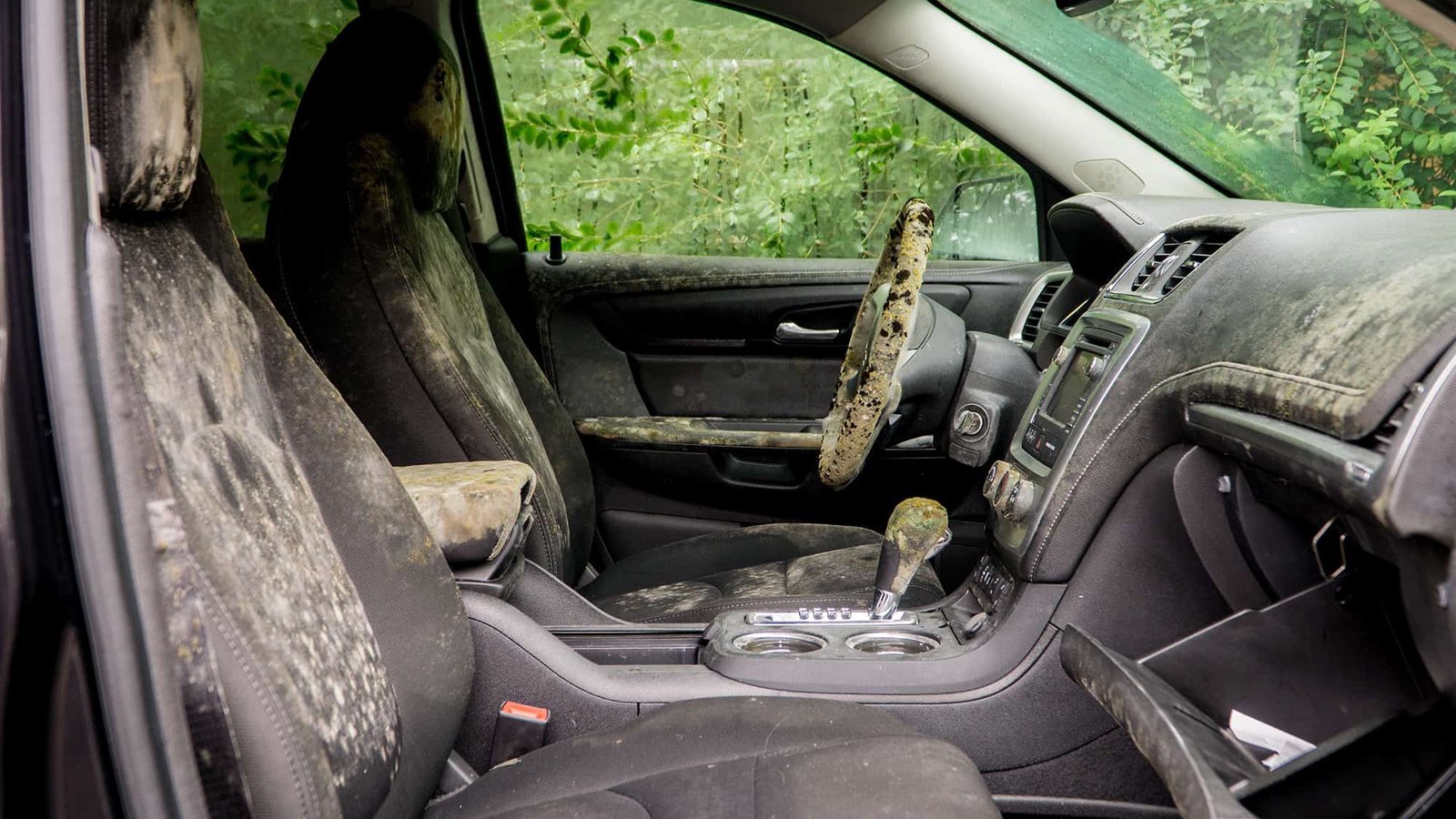
You can remove a mold smell in car interiors by drying the upholstery and treating the ventilation system with an antimicrobial spray. This odor is most often caused by trapped moisture in the cabin air filter or condensation inside the heating and cooling ducts. If you notice a damp, earthy scent, check your floor mats and trunk area immediately for hidden water leaks.
Why your car smells like mold
The primary reason for a persistent musty odor is the accumulation of moisture within the vehicle’s HVAC system. When you run your air conditioning, the evaporator core cools the air, which naturally creates condensation. If the drain tube for this system becomes blocked with debris or leaves, water pools inside the housing. This standing water creates a perfect environment for spores to grow.
Another common source is a dirty cabin air filter. These filters trap pollen, dust, and organic matter from the outside air. If the filter gets wet from a leak near the windshield cowl, the organic debris begins to rot.
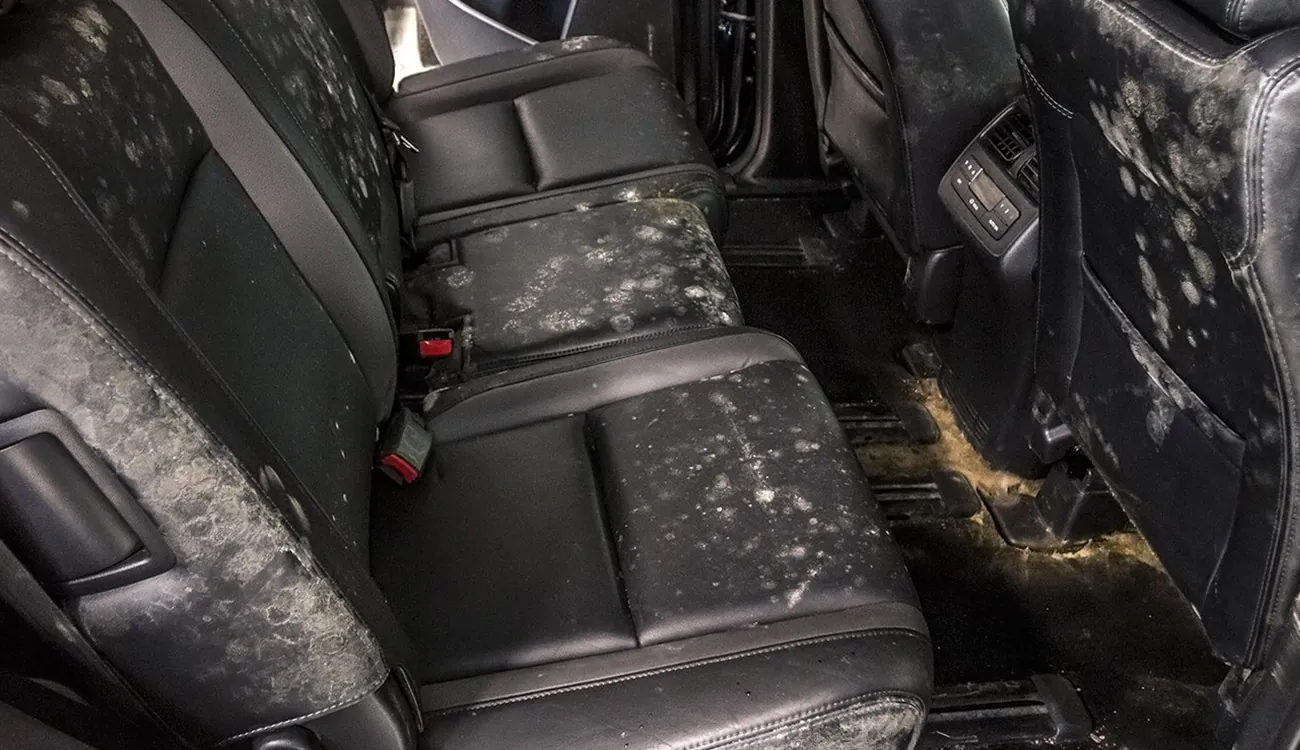
According to the United States Environmental Protection Agency, exposure to mold can cause irritation or allergic reactions, so addressing the source of the moisture is vital for your health. If you see visible dark spots on your seats or carpets, the problem has likely moved beyond the ventilation system and into the vehicle’s fabric.
Clean the ventilation system
To treat your vents, you should purchase an automotive-specific evaporator cleaner or a foaming antimicrobial spray. Start by locating the cabin air filter, which is usually behind the glove box or under the hood near the windshield. Remove the old filter and inspect it for signs of water damage or dark patches. If it looks dirty or damp, discard it immediately and replace it with a new one.
Once the filter is out, ensure the fan is turned off before inserting the nozzle of your cleaner into the intake vent. Spray the foam according to the container instructions, allowing it to coat the evaporator core and kill any existing spores.
Keep the windows open during this process to ensure proper ventilation. After the recommended wait time, run the fan on the highest setting with the windows open to clear the cleaner residue. If the smell persists after a full drying cycle, the infestation may have reached deep into the blower motor housing.
Dry the vehicle upholstery
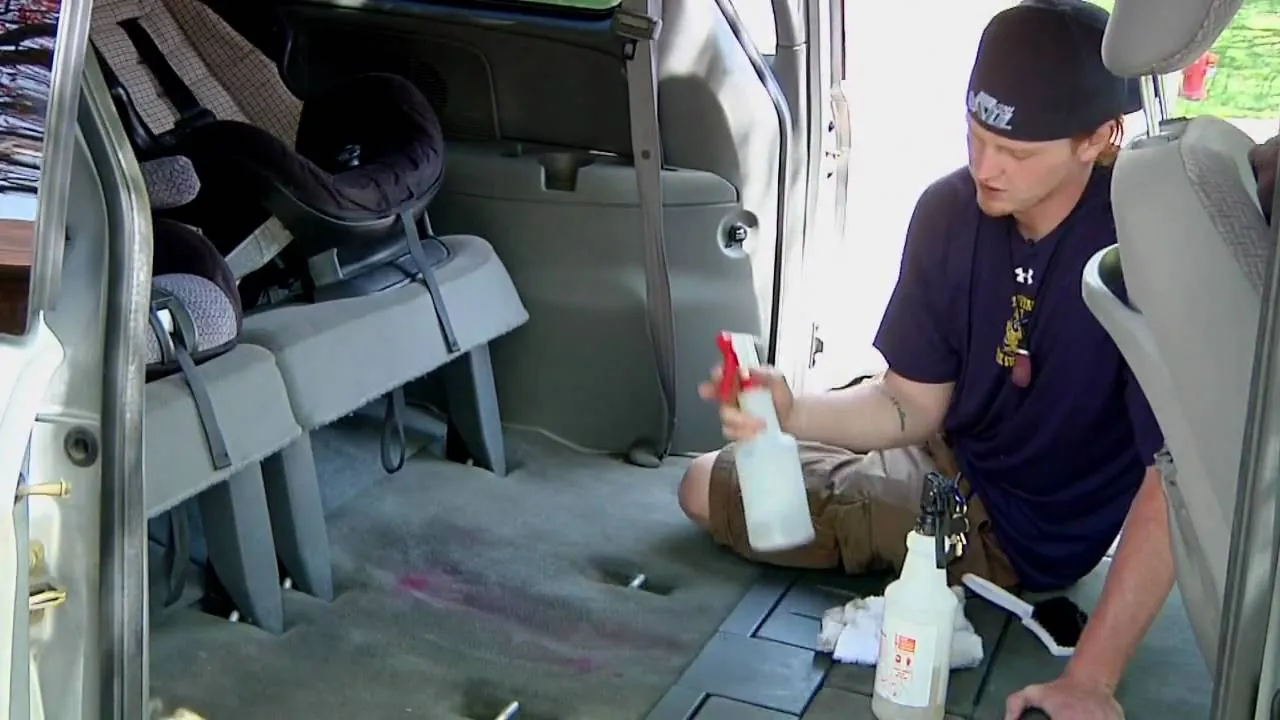
If the smell lingers after cleaning the vents, the moisture is likely trapped in your floor mats or carpet padding. Remove all floor mats and place them in direct sunlight for several hours to kill any surface spores.
Use a wet-dry vacuum to pull as much moisture as possible from the carpet fibers. This is only effective if you can reach the padding underneath; if the padding is soaked, you may need to lift the carpet to let the metal floor dry.
Don’t use a standard household steam cleaner on car upholstery, as it often adds too much water and makes the problem worse. Instead, use a specialized upholstery cleaner that dries quickly and leaves no residue. If you have a leather interior, stick to leather-specific cleaners to avoid drying out the material. If the padding remains wet after two days of drying, you should visit a professional detailer to prevent permanent damage to the floor pan.
Use a high-capacity dehumidifier
For severe cases where the entire cabin feels damp, you should place a portable dehumidifier or several moisture-absorbing desiccant bags inside the car overnight. This is effective if you have a slow leak in a window seal or door gasket that you can’t fix immediately.
Close all windows and doors tightly while the device is inside to pull humidity from the air. This isn’t for people who leave their car parked in high-humidity areas for weeks without driving, as the bags will saturate quickly and stop working.
Check the moisture bags daily; if they feel heavy or look full, replace them. If the cabin remains damp after three days of using these products, you likely have a significant leak in your sunroof or door seals. This is a job for a professional mechanic, as you’ll need to replace the rubber seals to stop the water from entering the cabin again.
Avoiding ineffective odor treatments
- Masking with air fresheners: Hanging a scent tree or spraying perfume only covers the smell and does nothing to stop the underlying biological growth.
- Using ozone generators: While these machines kill spores, they can also damage the rubber seals and electronic components inside your dashboard if used for too long.
- Leaving windows cracked: While this helps airflow, it allows more moisture and allergens to enter the vehicle, which often makes the dampness worse in rainy climates.
- Applying baking soda directly: Pouring powder onto seats is hard to remove, and it can clog the fibers while failing to reach the source of the rot underneath.
Preventing future moisture buildup
The best way to stop the scent from returning is to manage the moisture levels inside your car daily. If you park outside, keep the area around the windshield cowl clear of leaves and debris that block water drainage.
| If you’re doing this | Do this instead | Why |
|---|---|---|
| Leaving wet gym clothes inside | Remove all damp items daily | Prevents spores from attaching to fabric |
| Ignoring a foggy windshield | Check for coolant or water leaks | Fog indicates excess humidity in the air |
| Using “recirculate” mode always | Use fresh air mode on dry days | Allows moisture to escape the cabin |
| Leaving windows open in rain | Keep windows fully sealed | Stops water from soaking the padding |
Related guides
- How to Remove Mold From Wood Furniture: A Step-by-Step Guide in 2026
- How to Remove JB Weld: Proven Removal and Cleaning Methods in 2026
Frequently asked questions
Can I use vinegar to remove mold smells?
No, you should avoid using vinegar on car interiors because the acidic smell is difficult to remove and can damage sensitive leather or plastic finishes. Use an automotive-grade antimicrobial cleaner instead, which is designed to be safe for vehicle surfaces. Vinegar doesn’t contain the necessary chemical agents to permanently kill deep-rooted spores in foam padding or carpet backing.
How long does it take for the smell to go away?
The odor usually fades within 24 to 48 hours after you have removed the moisture source and replaced the cabin air filter. If the smell is still present after two days of dry, ventilated parking, you have likely missed a hidden source of water. Check the spare tire well and under the front floor mats for standing water.
Is it safe to drive with a mold smell in the car?
No, it isn’t recommended to drive for long periods if the smell is strong, as it indicates a high concentration of spores in the air you’re breathing. If you have asthma or severe allergies, you should use a mask until the vehicle is fully cleaned. Prolonged exposure to poor air quality in a confined space can trigger respiratory distress.
How much does professional mold removal cost?
Professional remediation is generally inexpensive compared to the alternative, depending on the size of the vehicle and the severity of the infestation. This price assumes a standard interior cleaning and HVAC treatment; for complex cases involving carpet removal or seat disassembly, the cost will increase significantly. Always ask the shop if they provide a guarantee against the smell returning.
What happens if I ignore the smell?
Ignoring the smell will eventually lead to permanent damage to your vehicle’s interior, including rust on the floor pan and rot in the seat cushions. Once the spores penetrate the foam padding, they’re nearly impossible to remove without replacing the entire seat or carpet. This also lowers the resale value of your car significantly due to the permanent damage.
Does a cabin air filter change fix the smell?
A filter change fixes the smell only if the mold was restricted to the filter media itself. If the spores have already spread to the evaporator core or the ductwork, you must also use an antimicrobial foam cleaner. The filter is the first line of defense, but it can’t clean the components located deeper inside the dashboard assembly.
Conclusion
If you find that your floor carpets remain wet even after cleaning the vents and using a dehumidifier, take your vehicle to a body shop to check for blocked sunroof drains or failing door seals. These structural leaks are common in older vehicles and require mechanical repair rather than cleaning to stop the moisture from returning.