
A faulty electrical component or overheating plastic is usually the reason why your house smells like vinegar. This specific scent often happens when ozone or chemical gases escape from a melting part, most commonly inside a kitchen appliance or a heating unit. You can confirm the source by sniffing near your devices when they’re running to see if the sharp, acidic odor gets stronger.
Common reasons your house smells like vinegar

| Cause | How common | How to confirm it | Fix it yourself? |
|---|---|---|---|
| Overheating electrical wire | Very common | Check for burning smell | No |
| Dirty HVAC drain line | Common | Look for standing water | Yes |
| Melting plastic casing | Common | Inspect plastic for marks | No |
| Mold in ventilation | Regular | Check for visible spots | Yes |
| Chemical cleaners | Rare | Note recent cleaning | Yes |
| Battery leakage | Rare | Check battery compartments | Yes |
If you smell vinegar near an outlet, kill the main breaker immediately. A faint, sharp scent often signals that wire insulation is melting under heat, which precedes a fire. Don’t touch the wall plate if it feels warm to the touch.
For HVAC systems, the odor usually stems from algae buildup in the condensate pan. If you see standing water, use a wet-dry vacuum to clear the blockage from the drain line exit point. If the smell persists after two days, the blockage is likely deeper in the pipe.
Distinguish between mold and electrical issues by checking the timing. If the scent only appears when the fan runs, the source is trapped moisture in the ducts. If the smell lingers constantly, inspect nearby electronics for charred plastic. Never assume the smell is harmless; if you can’t locate a physical source, call a professional electrician to test the circuit load.
Overheating electrical components
An electrical component that’s failing often releases a sharp, acidic gas that mimics the smell of vinegar. This typically occurs when insulation on wires begins to melt due to a short circuit or a loose connection. The heat causes the synthetic materials in the wire coating to release chemical vapors into the air.
You can confirm this by walking through the home and checking if the smell is localized near a specific wall outlet or a large appliance. If the smell is stronger near an outlet, unplug any devices connected to it immediately.
If the odor is coming from inside a machine like a microwave or a computer, turn it off and pull the plug from the wall. This is a fire hazard that requires professional attention. Don’t attempt to open the casing of any electrical device, as you risk electric shock or further damage to the unit. If you smell smoke or see scorch marks, call a licensed electrician to inspect your wiring.
Clogged HVAC condensate lines
The Environmental Protection Agency offers guidance on mold control to help you understand how moisture leads to these odors.
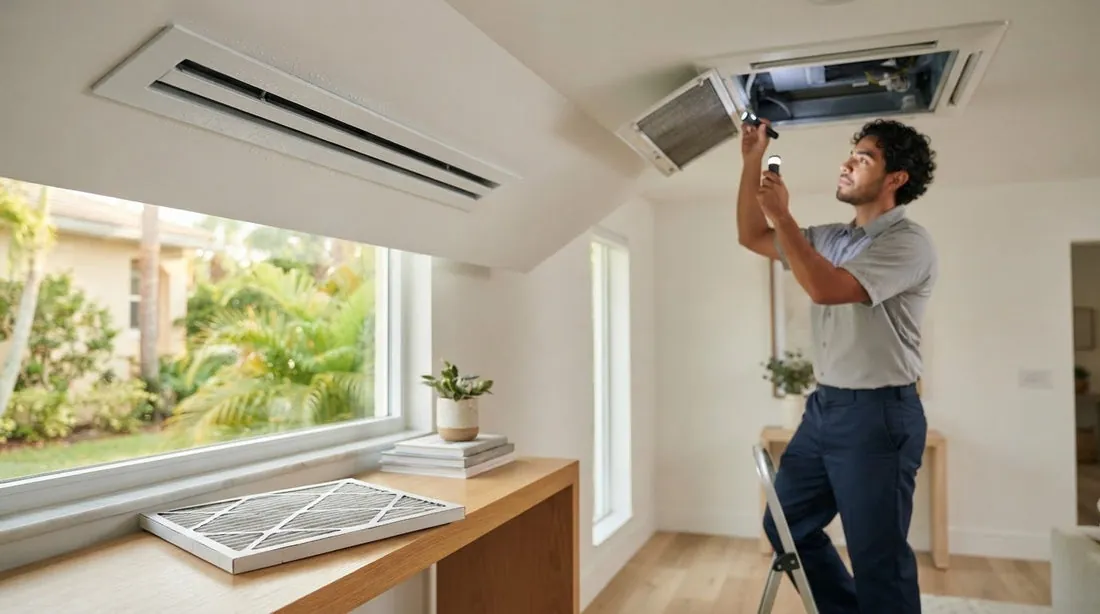
To check if this is the cause, look for the drain pan located near your indoor air handler unit. If you see murky water or slime, the line is likely clogged. You can often fix this by using a shop vacuum to pull debris out of the drain line from the outside exit point.
If the smell persists after you clear the water and the line, the mold may be deeper inside the ducts. If you aren’t comfortable handling HVAC equipment or if the system is hard to reach, hire a professional technician to perform a deep cleaning.
Mold growth in air ducts
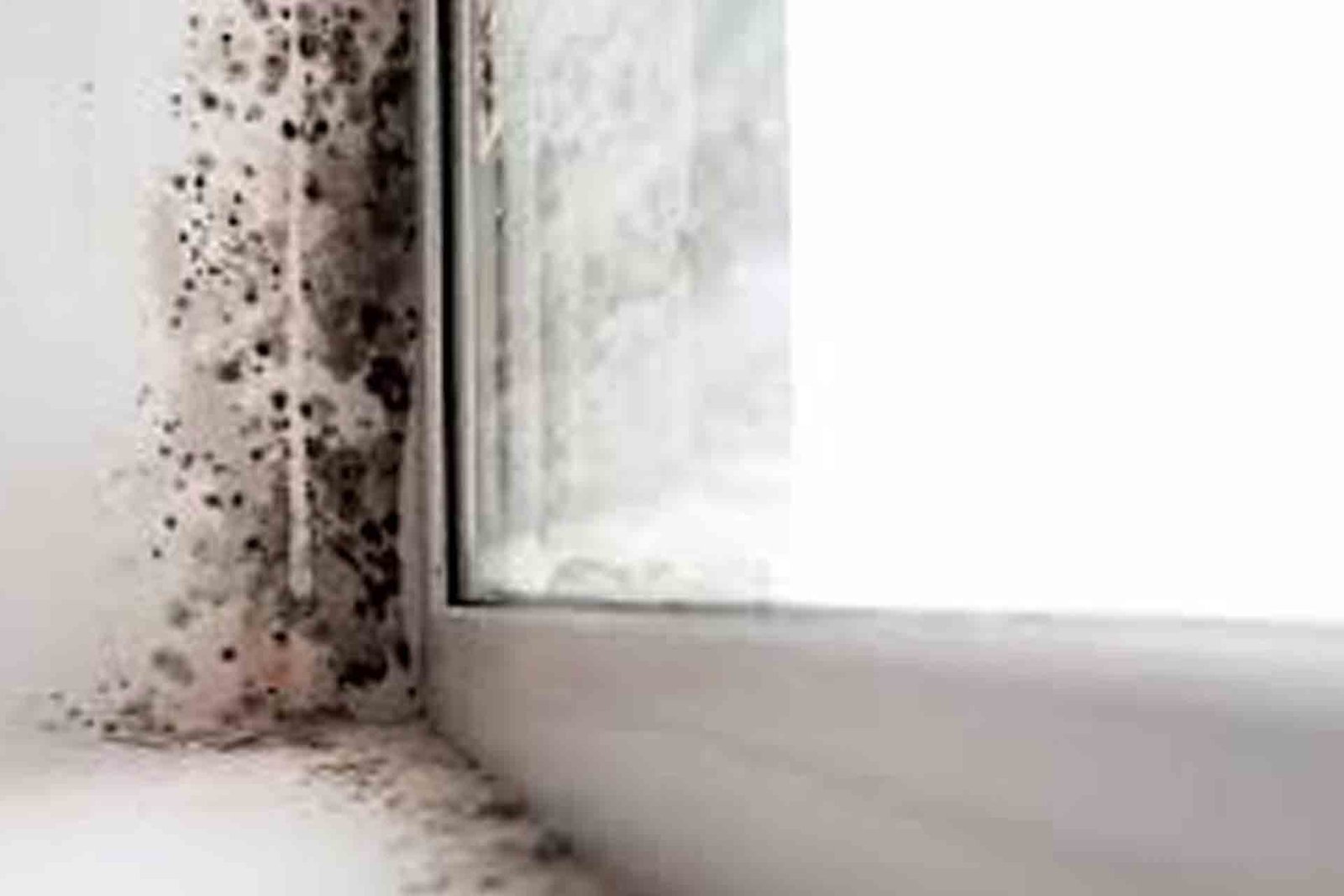
Mold growing inside your ventilation system can produce a sour, acidic odor that travels through your entire home. This happens when high humidity levels inside the ducts allow mold spores to settle and multiply on the interior surfaces. You can tell if this is the cause by checking the air vents for visible dark spots or fuzzy growth.
If you find mold on the vent covers, you can clean them with a mild soap and water solution. However, if the mold is inside the ductwork, you can’t reach it safely with standard household tools.
If the smell is present in every room and stays constant even when the air conditioner is off, you likely have a larger infestation. Contact a professional air duct cleaning service to inspect the internal system. Don’t use chemical sprays or foggers inside your ducts, as these can be toxic when circulated by your heating and cooling system.
Rare household sources of vinegar smells
Leaking batteries in smoke detectors, remotes, and clocks often release a sharp, metallic vinegar scent as electrolyte fluids corrode. If you detect this odor, inspect the terminals immediately; white, crusty deposits indicate a breach that can permanently damage the device’s circuitry if left unchecked.
A strong vinegar-based floor cleaner leaves a lingering scent for several hours, particularly in rooms with low airflow. If the smell persists beyond one full day, you’re likely dealing with a chemical reaction between the cleaner and the floor finish rather than simple evaporation.
Blocked sewer vent pipes on your roof force gases back into the home, creating a sour, acidic smell. You can distinguish this from other sources by checking if the odor intensifies during heavy rainfall or high winds.
Concentrated pet urine on carpet or upholstery develops a sharp, acidic odor that mimics vinegar during bacterial breakdown. If the smell returns after cleaning, the stain has likely reached the subfloor padding.
What a repair usually involves

Fixing a vinegar smell depends on the severity of the underlying issue. If the cause is a simple clog in a drain line, the cost is just your time and the use of a wet-dry vacuum. If the issue is a faulty electrical connection or mold in the ductwork, you’ll need to pay for a professional service call.
The cost for these repairs varies based on the complexity of the system and the labor rates in your local area. You should always ask for a written quote before any work starts. If you’re unsure about the age or condition of your HVAC system, check the manual or the manufacturer’s website for maintenance schedules.
Related guides
Frequently Asked Questions
How do I know if the smell is dangerous?
The smell is dangerous if it’s accompanied by smoke, heat, or visible melting on an electrical device. If you feel any warmth near an outlet or appliance, turn off the power at the breaker box immediately. Don’t use the device again until a professional confirms it’s safe.
Can I use air fresheners to hide the smell?
Air fresheners won’t remove the smell and may make it harder to identify the source. It’s better to leave the windows open to ventilate the home while you search for the origin. Masking the odor prevents you from noticing if the underlying problem is getting worse.
How long does it take for the smell to go away?
The smell usually fades within a few hours once you remove the source of the odor. If the cause is a dirty drain line or mold, the smell will vanish as soon as you clean the affected area. If the odor remains after cleaning, the source is likely still present.
Is it safe to stay in the house?
It’s safe to stay in the house unless you see smoke or feel extreme heat coming from your electrical system. If you experience burning eyes, coughing, or difficulty breathing, you should leave the building and seek fresh air. Contact a professional to inspect the air quality if these symptoms continue.
Why does the smell only happen in the kitchen?
The smell is likely coming from a kitchen appliance like a refrigerator or dishwasher that has a clogged drain or a failing motor. These machines often have small plastic parts that can overheat and release an acidic smell. Check the back of your refrigerator for any debris or moisture near the compressor.
Does a vinegar smell mean I have a gas leak?
A vinegar smell doesn’t typically indicate a natural gas leak, which usually smells like rotten eggs or sulfur. However, if you’re ever unsure about a strange odor in your home, it’s safest to leave the building and call your utility provider. They have the tools to detect gas leaks quickly.
Conclusion
If you can’t pinpoint the exact location, don’t ignore the warning sign. It’s best to call a licensed electrician today to inspect your wiring and appliances. They’ll help you find the hidden problem before it becomes a fire hazard, so you can finally breathe easy in your home again.