
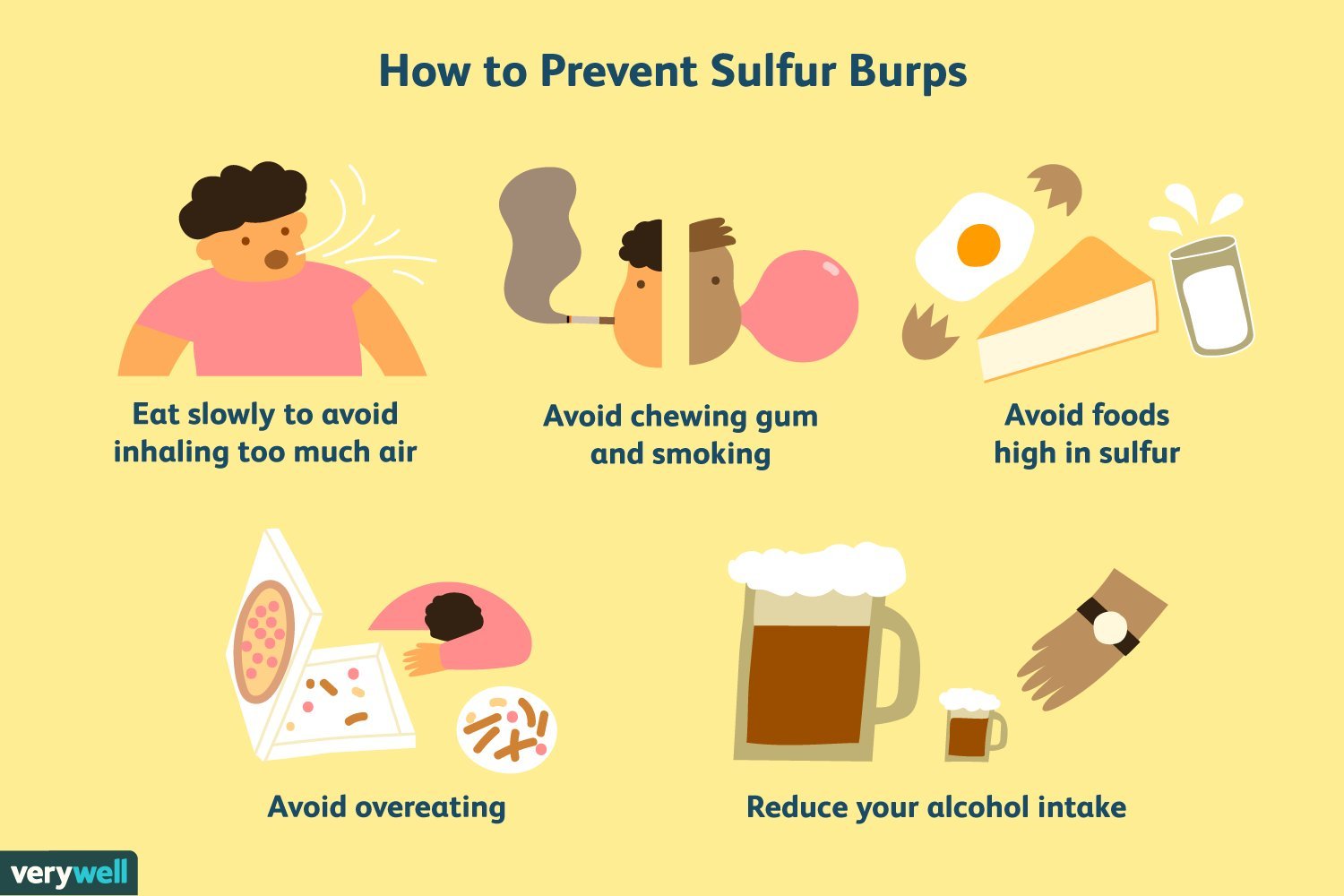
The most common reason your breath smells like sulfur is the buildup of bacteria in your mouth that produces volatile sulfur compounds. This occurs when food particles decay on your tongue or between your teeth, often due to poor oral hygiene or dry mouth. If you notice this smell, you should start by improving your daily cleaning routine and checking your hydration levels, as these simple changes often resolve the issue within a few days of consistent effort.
Causes of bad breath symptoms
You can identify the likely source of your breath odor by comparing your symptoms against these common triggers. While many cases are related to oral health, some indicate underlying conditions that require medical attention.
| Cause | Best For | Concrete Example |
|---|---|---|
| Tongue bacteria | Daily cleaning | White coating on tongue |
| Gum disease | Professional care | Bleeding while brushing |
| Dry mouth | Hydration check | Sticky feeling in mouth |
| Sinus infection | Medical assessment | Thick nasal discharge |
| Tonsil stones | Throat examination | Small white debris |
| Acid reflux | Dietary changes | Heartburn after meals |
Tongue bacteria
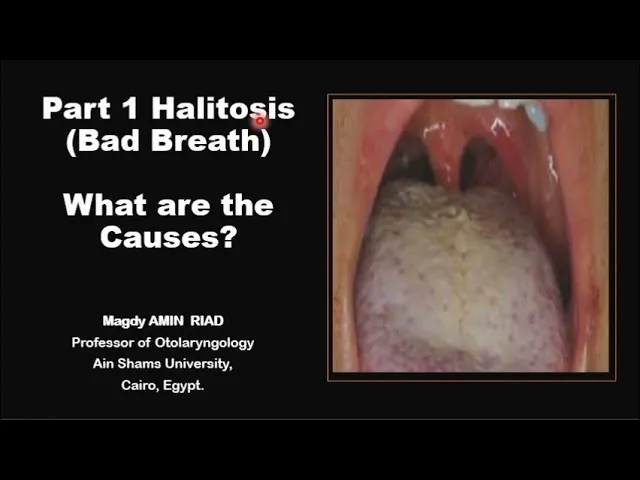
Bacteria living on the back of your tongue are the primary producers of sulfur-like odors. These microbes break down proteins from food residue and mucus, releasing gases that smell like rotten eggs. This condition is most common in people who don’t clean their tongue daily, as the rough surface acts as a trap for these odor-causing particles.
- Removes trapped food particles that feed bacteria.
- Reduces the volume of volatile sulfur compounds.
- Prevents the formation of a thick bacterial biofilm.
If your breath remains foul after you brush your tongue for one week, you should look for signs of gum inflammation. A simple way to check your tongue is to scrape the back surface with a clean plastic spoon; if the residue smells strong, you have found the source.
Gum disease
Persistent sulfur breath often signals that bacteria have settled deep under the gum line where a toothbrush can’t reach. This stage of oral health decline, known as periodontitis, creates pockets where debris collects and rots undisturbed. If you see blood on your floss or notice your gums look red and swollen, you need a professional cleaning to remove the hardened plaque.
- Eliminates hidden pockets of anaerobic bacteria.
- Stops the decay of tissue trapped under gums.
- Reduces the risk of tooth loss from infection.
If you have deep pockets around your teeth, you must visit a dentist for a professional scaling. According to the National Institute of Dental and Craniofacial Research, untreated gum disease can lead to serious infections that spread beyond the mouth. Regular dental checkups are the only way to clear these deep areas safely.
Dry mouth
A lack of saliva allows sulfur-producing bacteria to multiply because saliva acts as a natural cleanser for your mouth. When your mouth feels dry, your body can’t wash away the food particles or neutralize the acids that create bad smells. This is a common issue for people taking certain prescription medications or those who breathe through their mouths while sleeping.
- Neutralizes acids that support bacterial growth.
- Flushes away food debris before it rots.
- Maintains a healthy balance of oral microflora.
If your mouth feels dry, drink at least 2 liters of water daily and consider using a humidifier in your bedroom. This assumes you’re in a standard climate; if you live in a very dry or high-altitude environment, you may need to increase your intake to keep your mouth moist.
Sinus infection
An infection in your sinuses can cause sulfur-smelling breath because mucus drips down the back of your throat. This mucus provides a rich food source for bacteria, which then release foul-smelling gases that you exhale. If you also have a stuffy nose or pain in your face, the odor is likely coming from your nasal passages rather than your teeth.
- Clears the post-nasal drip that feeds bacteria.
- Reduces the inflammation causing the nasal blockage.
- Eliminates the source of the sulfur odor.
If you have yellow or green mucus, you should see your primary care doctor for a checkup. They can determine if you need antibiotics or if a saline rinse will clear the infection. Don’t attempt to treat a sinus infection with oral hygiene products, as they won’t reach the nasal cavities where the problem actually exists.
Tonsil stones and acid reflux
- Tonsil stones: These are small, calcified deposits that form in the crevices of your tonsils. They trap bacteria and debris, which release a strong sulfur smell when they break down. You can often see them as white or yellow spots at the back of your throat.
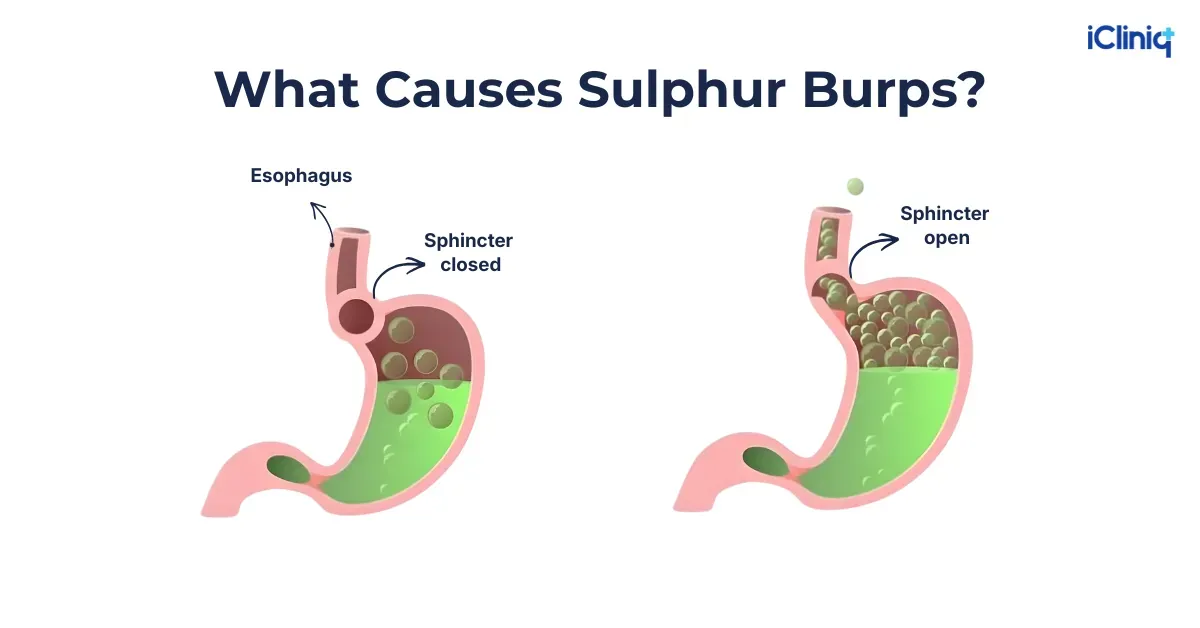
- Acid reflux: This occurs when stomach acid flows back into your esophagus, carrying a sour or sulfur-like smell. If you experience this after eating or when lying down, you should adjust your meal times and avoid triggers like caffeine or spicy foods.
How to identify why your breath smells like sulfur

You can narrow down the cause by testing your own mouth and throat environment. If you smell your breath after cleaning your tongue and it still persists, focus on your gums and throat. If you see bleeding gums, the problem is likely periodontal; if you see white spots on your tonsils, you’re likely dealing with tonsil stones.
If you have a dry mouth or take new medications, these are the most likely culprits for the change in your breath. You should avoid using heavy mouthwashes that contain alcohol, as these often make dryness worse and irritate the sensitive tissues in your mouth. If you suspect an infection in your sinuses or tonsils, you must stop trying to solve this with oral care and consult a medical professional for a diagnosis.
Related guides
Frequently asked questions
Can mouthwash stop sulfur breath?
Mouthwash only masks the smell for a short time and doesn’t fix the root cause. If you use a product with alcohol, it may even increase dryness, which allows sulfur-producing bacteria to return faster. You must remove the physical bacteria from your tongue and teeth to see a real result.
How long does it take for breath to improve?
Most people see a change in breath quality within 3 to 5 days of improving their oral hygiene. This assumes you’re cleaning your tongue and flossing daily. If the smell doesn’t change after one week, you should visit a dentist to check for underlying infections or gum disease.
Is it safe to remove tonsil stones myself?
It isn’t safe to dig into your tonsils to remove stones, as this carries a high risk of injury and infection. You should gently gargle with warm salt water to help them dislodge naturally. If they’re large or cause you pain, you must see a doctor for safe removal.
Does water intake stop sulfur breath?
Increased water intake stops sulfur breath by keeping your mouth moist and washing away food particles. You should aim for 2 liters of water daily to maintain proper saliva flow. If you’re in a hot climate or exercise often, you may need to increase this amount to stay hydrated.
What happens if I ignore sulfur breath?
Ignoring the smell often allows gum disease or infections to worsen, which can lead to tooth loss or systemic health issues. You should treat the odor as a warning sign from your body. Consistent care is required to stop the progression of the bacteria that cause the foul smell.
Does diet cause sulfur breath?
Certain foods like garlic, onions, and some spices contain sulfur compounds that enter your bloodstream and are exhaled through your lungs. This smell is temporary and usually fades within 24 hours of eating. If the smell lasts longer than a day, it’s likely coming from bacteria in your mouth.
Conclusion
Start by cleaning your tongue and flossing between your teeth twice every day. You should notice a decrease in the sulfur smell within a few days of starting this routine. If you continue to notice a persistent odor, or if you see bleeding gums and white spots on your tonsils, it’s time to stop home care and visit a dentist or doctor for an evaluation.