
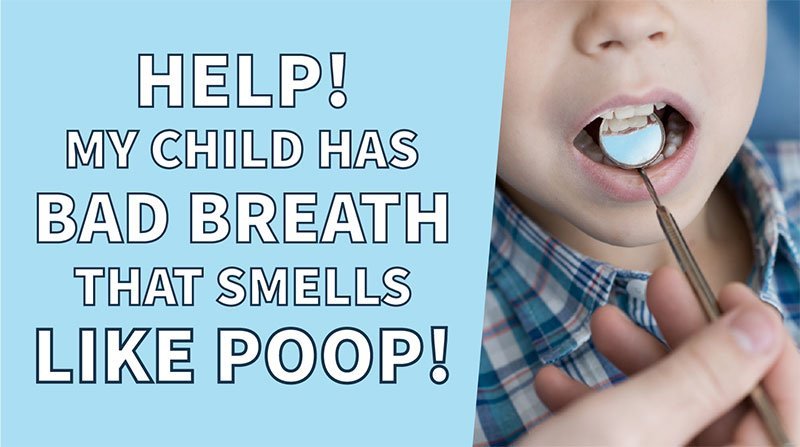
Poor oral hygiene, sinus infections, or digestive issues are common reasons why someone might find their breath smells like poop. This specific odor often results from volatile sulfur compounds or bacteria trapped in the mouth, though it can occasionally signal a blockage or infection deeper in the digestive tract. Identifying the source requires checking your own dental habits first, as the mouth is the most likely origin point for persistent, unpleasant odors.
Why your breath smells like poop
Finding the source of the odor helps you decide if you can manage it at home or if you need a doctor. The table below outlines the most frequent culprits behind this specific smell.
| Problem | Best for | Example |
|---|---|---|
| Dental decay | Identifying hidden tooth rot | Cavities between back teeth |
| Sinus infection | Checking for nasal drainage | Thick, yellow mucus buildup |
| Tonsil stones | Removing trapped debris | White spots on tonsils |
| GERD | Managing stomach acid flow | Burning sensation in chest |
| Gum disease | Treating inflamed, red tissue | Bleeding during daily flossing |
Poor oral hygiene
Most cases of bad breath start with bacteria accumulating on the teeth, tongue, or gums. When you don’t clean these areas, bacteria break down food particles and release foul-smelling gases.
- Brushing twice daily removes the plaque that causes odors.
- Flossing daily clears food from tight spaces where your brush can’t reach.
- Cleaning the back of your tongue removes the primary site for odor-causing bacteria.
- Drinking water throughout the day keeps your mouth moist and washes away food.
If you brush and floss regularly but the smell stays, you might have a hidden cavity. Use a small mirror to look for dark spots on your teeth. If you see them, schedule an appointment with your dentist.
Chronic sinus infections
Infections in the sinuses can cause mucus to drip down the back of your throat, creating a foul smell. This post-nasal drip provides a constant food source for bacteria in your throat and mouth. If you have a persistent runny nose or facial pressure, the cause is likely medical rather than dental.
- Steam inhalation helps loosen thick mucus in the nasal passages.
- Saline rinses flush out bacteria and debris from the sinus cavities.
- Staying hydrated thins mucus, making it easier for your body to drain.
- Avoiding smoke or strong perfumes prevents further irritation to your sinuses.
If you have a fever or thick, discolored drainage for more than 10 days, see a primary care doctor. They can determine if you need antibiotics to clear the infection.
Tonsil stones

Tonsil stones are small, hard deposits of calcified debris that form in the crevices of your tonsils. These stones often contain bacteria that produce a strong, fecal-like odor when they break down. If you feel like something is stuck in your throat or have frequent sore throats, you may have these deposits.
- Gargling with warm salt water helps dislodge smaller stones.
- Using a gentle water flosser on a low setting can clear out deep crevices.
- Maintaining good oral hygiene prevents new debris from building up in the tonsils.
- Staying hydrated prevents the buildup of mucus that contributes to stone formation.
If you have difficulty swallowing or see large, painful white masses on your tonsils, consult an ear, nose, and throat specialist. Attempting to remove large stones yourself can cause injury or severe irritation to the delicate tissue.
Gastrointestinal issues
Conditions like acid reflux or gastroesophageal reflux disease (GERD) can allow stomach gases or acid to rise into the esophagus. This creates an odor that mimics the smell of the digestive tract. If you notice a sour taste in your mouth along with the smell, GERD is a likely suspect.
- Eating smaller, frequent meals instead of large ones reduces pressure on the stomach.
- Avoiding spicy or acidic foods prevents the triggers that cause acid to rise.
- Waiting at least 2 hours after eating before lying down helps keep stomach contents down.
- Sleeping with your head slightly elevated can prevent acid reflux during the night.
If you have persistent heartburn or difficulty swallowing, speak with your doctor. They can evaluate your digestive health and recommend lifestyle changes or medication to manage the reflux.
Other potential sources
-
Dry mouth: Saliva acts as a natural rinse for oral bacteria. If your medication list includes antihistamines or antidepressants, expect a chronic decrease in saliva production. When your mouth feels like sandpaper, bacteria thrive and release sulfur compounds. Drink at least 64 ounces of water daily to compensate.
-
Tobacco use: Smoking creates a dual threat by drying oral tissues and depositing tar on the tongue. This residue traps odors that standard brushing can’t reach. If you smoke, use a tongue scraper twice daily to physically remove the buildup.
-
Dietary choices: Sulfur-rich foods like garlic and onions enter your bloodstream after digestion. These compounds eventually reach your lungs, meaning the odor is exhaled from your breath, not just your mouth. If you consume these foods, chewing fresh parsley can help neutralize the scent.
Choosing the right path
Deciding on the next step depends on whether the smell comes from your mouth or your body.
If you have symptoms like fever, facial pain, or chronic heartburn, you should prioritize a visit to your doctor. You can combine dental cleaning with lifestyle changes, but you can’t fix an infection or a digestive issue with a toothbrush alone.
Check your tongue for a white or yellow coating. If the coating is thick, use a scraper twice daily for one week. If the smell remains, the cause is systemic. People often mistake tonsil stones for bad breath; check the back of your throat for small, white debris. If you find them, gargling with warm salt water daily usually resolves the odor.
Related guides
- Dog Smells Like Fish From Back End: Causes and Solutions
- How to Remove Gorilla Glue From Wood: A Simple Step-by-Step Fix in 2026
Frequently asked questions
Can bad breath be a sign of a serious illness?
Yes, persistent bad breath can sometimes signal issues like diabetes, liver disease, or kidney problems. If you have tried improving your hygiene and the smell remains, see a doctor to rule out underlying conditions.
Does drinking more water help with bad breath?
Yes, drinking water helps by washing away food particles and keeping your mouth moist. Aim for at least 8 glasses of water per day to maintain healthy saliva production and reduce bacterial growth.
How do I know if my bad breath is from my stomach?
If you have symptoms like heartburn, regurgitation, or a sour taste, the cause is likely digestive. See a doctor if these symptoms happen more than twice a week to discuss potential treatment options.
Is it safe to remove tonsil stones at home?
It’s safe to use a saltwater gargle, but don’t use sharp objects to poke at your tonsils. If you can’t remove them with a gentle gargle, see an ear, nose, and throat doctor to avoid injury.
Why does my breath smell like poop after waking up?
Morning breath happens because your mouth produces less saliva while you sleep, allowing bacteria to multiply. Brushing and flossing before bed will significantly reduce this effect when you wake up.
Does flossing really make a big difference?
Yes, flossing removes the bacteria and rotting food particles that your toothbrush misses between your teeth. If you don’t floss, those hidden spots remain a constant source of foul odors.
Conclusion
Start by upgrading your dental routine to include twice-daily brushing and daily flossing for one week. If the smell disappears, you have found the cause and the solution. If the odor remains unchanged despite these efforts, it’s time to stop guessing and schedule an appointment with your dentist or primary care doctor to check for infections or digestive health concerns.