
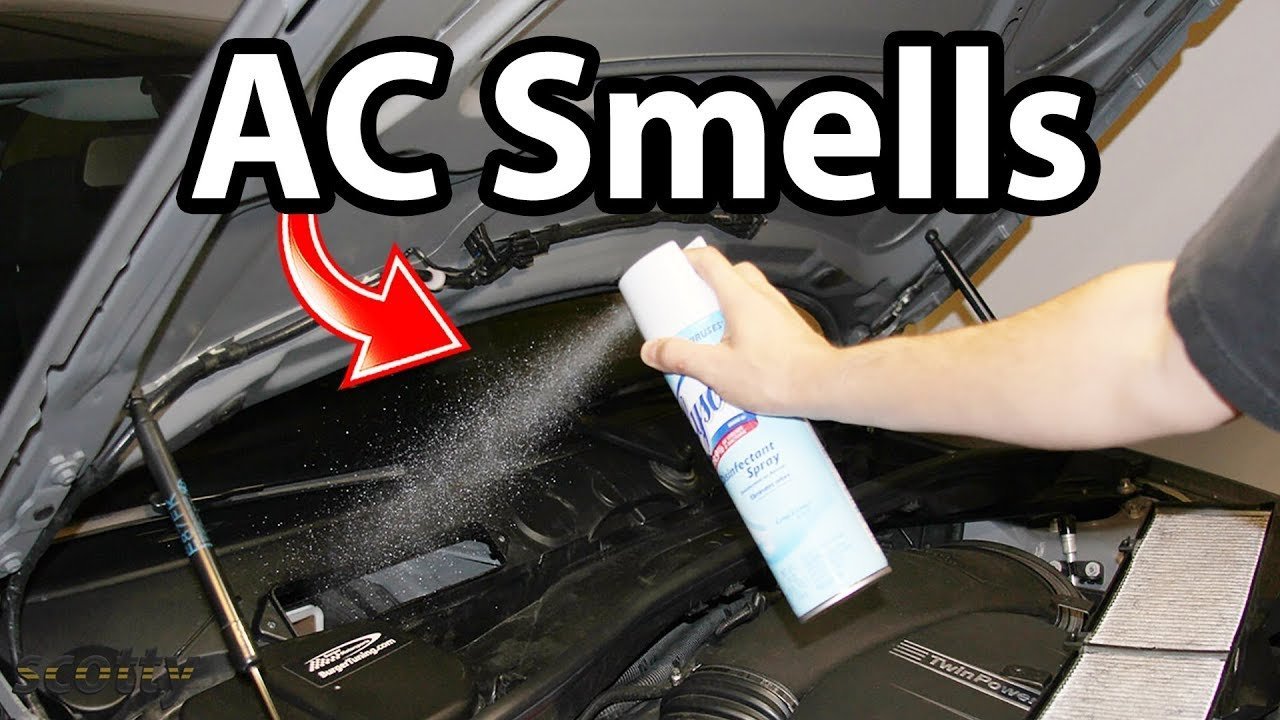
Mold or bacteria growing on the evaporator coil is the most common reason you find that a car ac smells bad when you first turn it on. This issue is generally safe to manage, though it can trigger allergies or respiratory discomfort if left alone for a long time. You can confirm this by checking for a damp, musty odor that fades after the first few minutes of airflow.
Signs your car smells bad

When the air from your vents carries a strange scent, it usually points to organic buildup or a trapped foreign object. The following table helps you identify what your nose is telling you about the system.
| What you notice | What it usually means | What to do first |
|---|---|---|
| Musty or mildew scent | Mold on evaporator | Run heat on high |
| Sweet, syrupy smell | Coolant leak | Check coolant level |
| Rotten egg odor | Battery issue | Inspect battery case |
| Burning rubber | Belt or hose friction | Check belt tension |
| Musty smell only at start | Condensation buildup | Dry out the vents |
If the sweet, syrupy scent persists after you top off the coolant, check your floor mats. A damp carpet on the passenger side confirms a leaking heater core, which requires immediate professional repair.
Distinguish between a temporary odor and a persistent one by tracking the duration. If a smell vanishes after five minutes of driving, it’s likely external road debris burning off the exhaust. If the scent remains constant or intensifies, the issue is internal to your system.
Many drivers ignore a faint burning smell, assuming it’s just road grime. This mistake often leads to a snapped serpentine belt, leaving you stranded. If you smell burning, pull over and inspect the engine bay. If the belt feels loose or shows fraying edges, don’t drive further.
Mold growth on the evaporator
Mold thrives in the dark, damp environment of your car’s air conditioning evaporator core. When you turn off the engine, moisture remains on the cooling fins, providing a perfect breeding ground for fungi. You can usually confirm this by running your fan on the highest setting for 5 minutes without the AC compressor engaged. If the smell eventually disappears as the vents dry out, mold is the culprit.
To fix this, you should use an EPA-registered antimicrobial spray designed for automotive HVAC systems. You must spray this product directly into the intake vents while the fan is running to ensure it reaches the evaporator core. This process effectively kills the spores and removes the odor at its source.
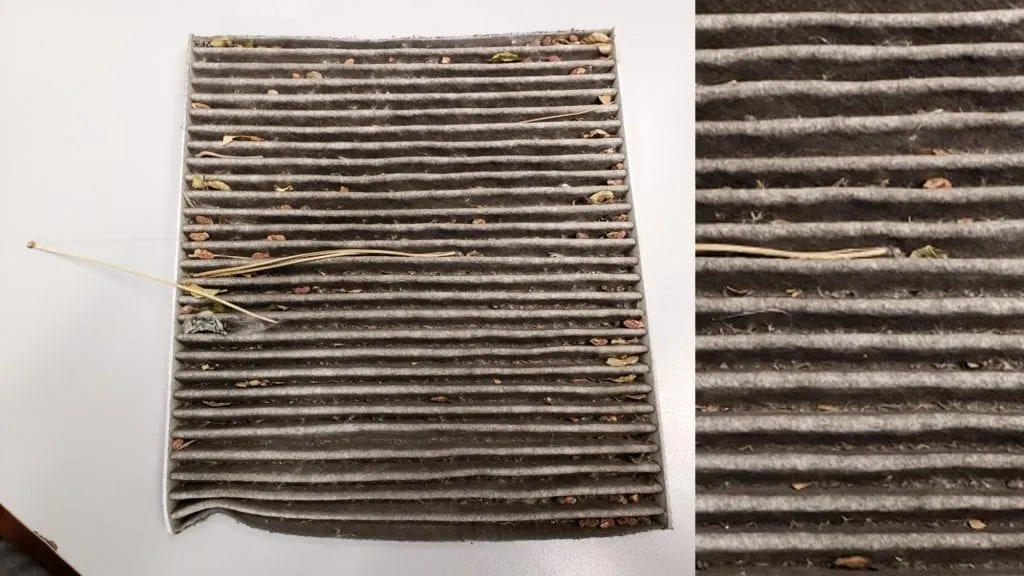
If you have a pollen filter, replace it immediately, as it often traps spores that continue to release smells into the cabin. According to the United States Environmental Protection Agency, mold exposure can lead to nasal congestion or throat irritation in sensitive individuals.
Coolant leaks in the heater core

A sweet, syrupy smell coming from your vents often indicates a leak in the heater core, which sits near the evaporator. This happens when the seal fails or the core develops a pinhole, allowing hot antifreeze to mist into your cabin air. You can confirm this by looking at your windshield; if it feels greasy or develops a thin film that’s hard to wipe off, you likely have a coolant leak.
Check your coolant reservoir level immediately. If the level is consistently dropping, you must take the car to a professional for a pressure test. Don’t ignore this, as breathing in heated antifreeze mist is harmful and the leak will eventually lead to engine overheating. This cause differs from mold because it often results in steam or fog appearing on the inside of the glass during cold mornings.
Trapped debris in the intake
Sometimes the smell is simply the result of decaying organic matter like leaves or twigs caught in the cabin air intake. This usually occurs if you park under trees frequently and the mesh cover over your cowl is damaged or missing. You can verify this by opening the hood and checking the area near the base of the windshield for visible debris.
Remove any leaves or dirt you find by hand, then use a vacuum to clear the intake vents. This is a simple task that costs nothing but a few minutes of your time. If the smell persists after cleaning, the debris may have already entered the blower motor housing. In this case, you’ll need to access the blower fan under the dashboard to clean it manually.
Most drivers mistake this odor for a failing cabin filter, but replacing the filter won’t solve the issue if the fan blades are still caked in rot. If you hear a light ticking or thumping sound when the fan is on high, debris is likely obstructing the blades. You must clear this immediately to prevent the motor from burning out under the added physical strain.
When to seek professional repair
You must stop your DIY efforts and consult a certified mechanic if you notice any of these signs:
- The smell is accompanied by smoke or visible electrical sparks from the dash.
- Your engine temperature gauge rises into the red zone, indicating a major cooling system fault.
- The cabin air smells like raw fuel, which is a fire hazard requiring immediate inspection.
- You can’t reach the blower motor or heater core without removing the entire dashboard.
Any repair involving the removal of the dashboard requires specialized training and tools to avoid damaging airbag sensors. If you aren’t comfortable working with electrical components or pressurized cooling lines, let a professional handle the repair to keep your vehicle safe.
If you find yourself spending more than four hours on a task that involves removing structural trim or sensitive wiring harnesses, stop immediately. Attempting to force these components often snaps plastic clips that cost hundreds to replace.
If the repair requires draining your air conditioning system, you must visit a shop. Federal law prohibits venting refrigerant into the atmosphere, and you lack the vacuum pump required to recharge the system safely.
Related guides
Frequently asked questions
Can I just spray air freshener into the vents?
No, spraying air freshener only masks the smell and doesn’t kill the underlying mold or bacteria. You need an antimicrobial cleaner to remove the source of the odor, or the scent will return as soon as the freshener fades. Always use products specifically labeled for automotive HVAC use.
How long does an ac cleaning treatment last?
A professional or DIY antimicrobial treatment lasts for a duration that depends on your local humidity and how often you use the AC; consult your owner’s manual for the recommended service frequency.
Is it safe to drive with a musty car ac?
It’s generally safe for short periods, but it may cause respiratory irritation if you have allergies or asthma. If the smell is sweet or smells like burning, you should stop driving the vehicle and have it inspected, as those signs indicate mechanical issues rather than simple mold.
How much does it cost to fix a bad ac smell?
The cost is inexpensive relative to the alternative of a full repair. The exact price depends on whether you only need a filter change and spray, or if a mechanical part like the heater core or blower motor has actually failed.
Why does the smell go away after a few minutes?
The smell fades because the moving air and the heat from the engine eventually dry out the moisture on the evaporator coils. Once the surface is dry, the active growth of mold is slowed, which is why the scent is often strongest right when you first start the car.
Does changing the cabin air filter fix the smell?
Changing the filter helps if the filter itself is dirty, but it won’t remove mold growing on the evaporator core. You should replace the cabin air filter as a first step, but if the musty smell remains, you must also use an antimicrobial cleaner on the cooling fins.
Conclusion
If the damp scent persists after you’ve tried a few quick fixes, it’s best to visit a local mechanic. They’ll have the professional tools to deep-clean your system’s vents and replace the cabin filter properly. Don’t ignore the problem, as you’ll want your car’s air to stay fresh and healthy all year long.