
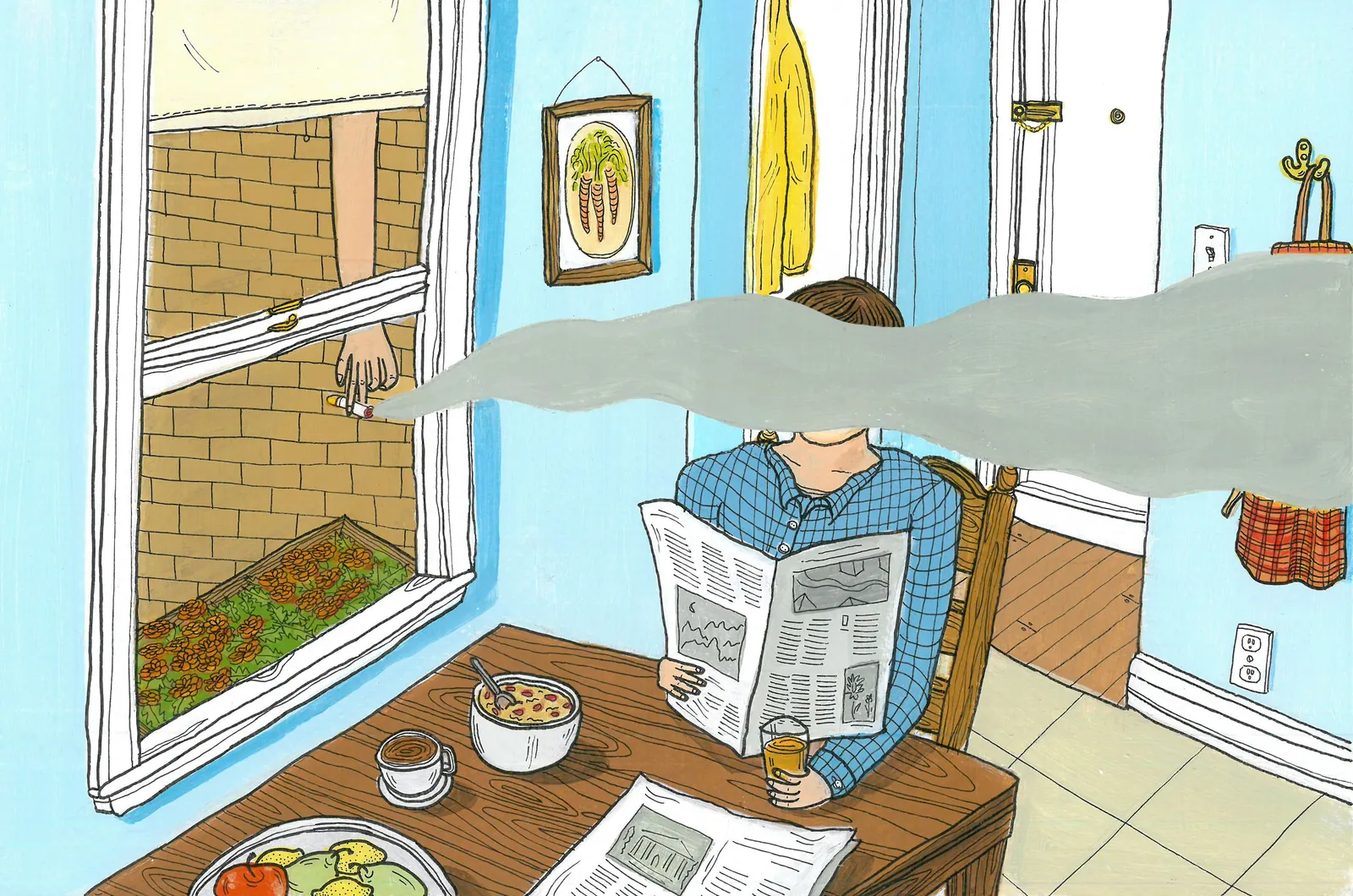
You can stop an apartment smells like neighbors situation by sealing gaps around your pipes and vents, as these shared air paths are the most common source of unwanted odors. Air travels through buildings via tiny cracks in walls, floorboards, and electrical outlets. If the smell is constant, check your baseboards for gaps. If it’s only during cooking times, the issue is likely your shared kitchen ventilation system or a lack of positive pressure in your unit.
Why your apartment smells like neighbors
The following table breaks down why smells move between units and what you can do to identify the source.
| Odor Source | Why it Happens | Common Evidence |
|---|---|---|
| Plumbing Gaps | Pipe penetrations lack sealant | Smell near sink or toilet |
| Ventilation Ducts | Shared exhaust fan systems | Smell during neighbor’s cooking |
| Electrical Outlets | Shared wall cavity gaps | Smell near light switches |
| Floor Gaps | Gaps between floor and wall | Smell near baseboards |
| Door Frames | Lack of weather stripping | Smell near front entrance |
Plumbing and pipe penetrations
Most apartment buildings share plumbing stacks that run through every floor, and these pipes often have wide gaps where they enter your walls. These holes act like chimneys for air from other units. If you see daylight around a pipe under your sink, air is moving freely between floors.
- Use high-quality silicone caulk to fill gaps around water supply lines under sinks and behind toilets.
- Check the area where heating pipes meet the floor, as these are often overlooked and poorly sealed.
- If you find a large gap, use an expanding foam to block the hole before applying a finish layer of caulk.
If you smell sewage or heavy chemicals, contact your building manager immediately, as this may indicate a dry or damaged plumbing trap that’s allowing sewer gases to enter your home.
Shared ventilation systems
Apartment buildings often use a single exhaust fan system for kitchens or bathrooms, which can accidentally pull air from one unit into another. If your neighbor cooks, their air might be pushed through the ducts into your home instead of outside. This happens because the system doesn’t have enough power to clear the entire building’s load.
- Install a backdraft damper on your exhaust vent to stop reverse airflow.
- Clean your vent covers regularly to ensure they aren’t blocked by dust, which forces air to find other paths.
- Keep your bathroom or kitchen windows cracked open slightly when the exhaust fan is running to prevent a vacuum effect.
If the odor is unbearable, ask your landlord if the building’s main exhaust fan is running at the correct speed. The fan must maintain a specific flow rate to pull air out of the building. If the fan is broken, air will flow through the ducts based on pressure differences and drift into your unit.
Electrical outlets and walls

Walls in apartment buildings aren’t always solid, and electrical boxes often create holes that connect directly to your neighbor’s unit. These gaps are hidden behind the plastic plates on your walls. Air moves through these boxes, bringing cooking smells or smoke into your living space.
- Remove the plastic faceplate from your light switches and wall outlets carefully.
- Place foam outlet gaskets behind the plate to seal the gap between the box and the wall.
- Check for gaps around the edges of the electrical box and fill them with a small amount of putty.
This is a cheap and simple fix, but be careful not to touch any live wires. If you see frayed wires or burn marks inside the box, stop immediately. Call a professional electrician or your building maintenance team to handle the repair, as exposed wires are a significant fire hazard.
Baseboards and floor trim
Gaps between your floor and the baseboard are a major entry point for smells, especially in older buildings where wood has shifted over time. These gaps connect to the space between the floor joists, which acts as a highway for air to travel from unit to unit.
- Inspect the entire perimeter of your room for gaps where the baseboard meets the floor.
- Use a clear, paintable acrylic caulk to seal the line between the trim and the floor.
- If the gap is large, use a thin piece of quarter-round molding to cover the space permanently.
If the smell seems to come from under the floor, check if your carpet is loose or if there are holes in the subfloor. Sealing these gaps helps with noise reduction as well as odor control. If the smell persists after sealing, the issue may be in the wall cavity itself.
Additional entry points
- Front doors: Install a door sweep on the bottom of your front door to stop hallway odors from entering your living space.
- Window seals: Check the weather stripping around your windows to ensure air isn’t being pulled in from the outside, which can contain hallway or trash odors.
- Closet gaps: Inspect the back walls of your closets for holes where cables or pipes pass through, as these are often left unsealed by builders.
How to choose your fix
Decide which area to seal based on where the smell is strongest. If the smell is strongest near your sink, start with the plumbing gaps. If it arrives when the neighbor starts cooking, focus on the kitchen exhaust vent. If it’s a general smell that stays all day, check the baseboards and electrical outlets in your bedroom or living room.
If you have to choose only one, seal the plumbing gaps first because they’re the largest holes in most apartments. Sealing these gaps is usually a permanent fix that doesn’t require maintenance. If you decide to work on electrical outlets, you can do this in every room, but you must be careful not to touch the wires. These fixes can be combined to create a tighter seal for your home.
Related guides
- Dog Smells Like Fish From Back End: Causes and Solutions
- How to Make Cricut Vinyl Stick to Wood: The Sealing Method in 2026
- How to Seal Painted Wood for Outdoor Use: Step-by-Step Guide in 2026
Frequently asked questions
Can I use tape to seal the gaps?
Tape is a temporary fix and will likely peel off within a few weeks due to humidity or temperature changes. Use silicone caulk or foam gaskets for a long-term, airtight seal. Tape also leaves a sticky residue that’s difficult to remove from walls or baseboards later.
Why does the smell get worse at night?
The smell often increases at night because your building’s HVAC system may change cycles, or your neighbors are home and using their kitchens. If the building’s central fan turns off at night, air pressure inside the walls shifts, which pushes odors through the gaps in your floor and walls.
Is it safe to seal electrical outlets?
It’s safe to use foam gaskets behind your outlet plates as long as you don’t touch the internal wiring. If you see loose wires, sparks, or charred plastic, don’t attempt to seal the outlet yourself. Call a licensed electrician or your building manager to fix the electrical issue first.
How do I know if the smell is mold?
If the smell is musty and constant, it might be mold inside the walls rather than a neighbor’s odor. If you see dark spots on your walls or ceiling, or if the smell gets stronger when it rains, contact your landlord to inspect for water leaks behind the drywall.
Does a HEPA filter help?
A high-quality air purifier with a HEPA and carbon filter can remove smells from the air inside your room. However, it won’t stop the source of the odor. You must seal the gaps in your walls and vents to prevent the smell from entering your apartment in the first place.
Can I ask my neighbor to stop?
You can politely ask your neighbor if they’re aware of the smell, as they might not know their kitchen fan is broken or their unit is leaking air. Keep the conversation friendly and focus on the technical issue, like a shared vent or a draft, rather than accusing them of creating the odor.
Conclusion
Start by sealing the gaps around your sink pipes with silicone caulk, as this is the most common entry point for odors. If you still smell strong chemical or sewage odors after sealing all visible gaps, stop and contact professional building maintenance to inspect for hidden leaks.