
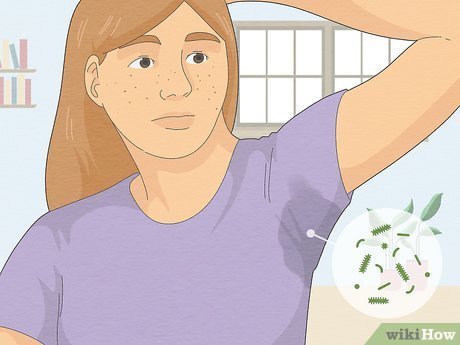
Bacteria breaking down sweat proteins on the skin is why armpits smell like onions to many people. This is usually a natural biological process and rarely indicates a serious health issue. You can confirm if this is the cause by checking for a combination of high-intensity exercise and specific types of apocrine gland sweat, which often produces this distinct, sharp scent when it reacts with common skin bacteria.
Why armpits smell like onions

You can often identify the source of body odor by observing your daily habits and the specific quality of the scent. While everyone has a unique body chemistry, certain triggers consistently lead to this specific onion-like smell.
| What you notice | What it usually means | What to do first |
|---|---|---|
| Sharp smell after exercise | High bacterial activity | Shower with antibacterial soap |
| Smell appears immediately | Diet high in sulfur | Reduce intake of onions/garlic |
| Yellow stains on shirts | High apocrine gland sweat | Use clinical strength antiperspirant |
| Odor persists after shower | Bacteria trapped in hair | Trim or shave armpit hair |
| Sudden change in smell | Hormonal or medication shift | Track your daily medications |
| Constant strong onion scent | Potential skin microbiome shift | Consult a dermatologist |
If the scent lingers specifically on your clothing even after washing, the issue is likely trapped oils rather than your skin. In this case, soak garments in a solution of white vinegar and water before laundering to strip the residue.
Distinguish between systemic odor and surface bacteria by checking your breath. If your breath carries the same sharp scent as your sweat, the cause is dietary or metabolic. If your breath is neutral, the odor is strictly a surface-level interaction between sweat and skin flora.
Many people mistakenly scrub their underarms with harsh exfoliants, which actually triggers more oil production. Instead, apply a thin layer of glycolic acid toner to the area as needed based on your skin’s reaction; consult your product’s manual for specific usage guidance.
Bacterial breakdown of sweat
The primary cause of this scent is the interaction between your sweat and the bacteria living on your skin surface. Your body has two types of sweat glands: eccrine and apocrine. While eccrine glands produce mostly water, apocrine glands release a thicker fluid rich in proteins and lipids. When bacteria on your skin consume these proteins, they produce waste products that often carry a pungent, onion-like aroma.
You can confirm this is the cause by smelling your skin directly after a thorough wash versus after a period of activity. If the smell is absent immediately after a shower but returns within an hour of activity, it’s almost certainly a result of bacterial metabolism.
To fix this, use an antiperspirant or deodorant to reduce the moisture that bacteria need to thrive. If you have sensitive skin, choose fragrance-free options to avoid irritation. You’ll know this is working when the intensity of the scent significantly drops within 24 to 48 hours of consistent application.
Dietary influences on body chemistry

What you eat can drastically change the chemical compounds released through your pores. Foods high in sulfur, such as onions, garlic, and certain cruciferous vegetables, contain volatile compounds that travel through your bloodstream and are eventually released through your sweat. When these sulfur-based compounds reach the surface of your armpits, they intensify the existing odor, often resulting in a distinct, sharp onion or garlic smell.
To verify if your diet is the culprit, keep a food journal for three days and note any correlation between consuming high-sulfur meals and the strength of your underarm odor. If you notice a spike in smell, reduce your intake of these specific foods for 72 hours.
If the odor levels off, you have found the cause. If you’re an athlete, you might need more sulfur-rich foods for health, so focus on washing with a pH-balanced cleanser immediately after training to remove the compounds before they sit on your skin.
Impact of hair and clothing
Hair in the underarm area acts as a physical trap for sweat, bacteria, and dead skin cells. This creates a warm, moist environment that encourages the rapid growth of odor-causing microbes. Furthermore, synthetic fabrics like polyester don’t allow sweat to evaporate quickly, which keeps the area damp for much longer than natural fibers like cotton or wool.
If you notice the smell is much stronger when wearing specific shirts, the fabric is likely trapping the moisture against your skin. Try switching to natural, breathable fabrics for a week to see if the odor decreases. If the smell persists, trimming the hair in your armpits can reduce the surface area available for bacteria to colonize.
If you have thick hair, trimming it to a shorter length often provides immediate relief from trapped odors. This is a simple, low-cost adjustment that helps most people manage the problem without needing stronger chemical products or medical intervention.
When to seek professional help

While most body odor is a normal part of human biology, there are times when you should stop trying home remedies and talk to a professional.
Sudden, drastic changes in body odor that don’t respond to hygiene changes may suggest an underlying metabolic condition. If you notice your scent shifting sharply overnight, track it for three days. If it persists, book an appointment.
Persistent, foul odors accompanied by skin rashes or inflammation often require a medical evaluation for infections. Don’t apply medicated creams before your visit, as these can mask the visual markers a doctor needs to identify fungal or bacterial growth.
If you experience excessive sweating that interferes with your daily life, a doctor can discuss clinical treatments or prescription-strength options. If you find yourself changing your shirt more than three times a day, skip the drugstore aisles and seek a specialist.
Any odor that smells like ammonia can indicate kidney or liver issues. These internal systemic failures require immediate blood or urine testing.
If your efforts at home don’t change the situation after two weeks, visit a primary care provider. They can rule out hormonal imbalances that you can’t diagnose yourself.
Related guides
- Can You Use Oil Based Primer Over Latex Paint? The Fix in 2026
- Dog Smells Like Fish From Back End: Causes and Solutions
- How to Remove Gorilla Glue From Wood: A Simple Step-by-Step Fix in 2026
Frequently asked questions
Can stress cause my armpits to smell like onions?
Yes, stress triggers your apocrine glands to produce more sweat, which is the primary food source for odor-causing bacteria. When you’re under pressure, the sudden surge of fluid provides a buffet for microbes on your skin. If you notice the smell is worse during work or social anxiety, stress management is the main solution.
How long does it take for diet-related odors to go away?
Dietary odors typically clear up within 24 to 72 hours after you stop eating high-sulfur foods. This is the time it takes for your body to process and eliminate the volatile compounds through your system. If the smell remains after three days, the cause is likely bacterial activity rather than your recent meals.
Is it safe to use clinical strength antiperspirants daily?
It’s generally safe for most people, but you should monitor your skin for signs of irritation or redness. These products use higher concentrations of aluminum salts to block sweat ducts, which can be drying. If your skin becomes itchy or inflamed, switch to a product with a lower concentration or consult a pharmacist for a gentle alternative.
Does shaving my armpits stop the smell?
Shaving significantly reduces the odor by removing the hair that traps sweat and bacteria. While it doesn’t stop the production of sweat, it makes the area much easier to keep clean and dry. Many people find that a close trim or shave is the most effective way to manage persistent underarm scent.
What happens if I use too much deodorant?
Using too much deodorant can lead to product buildup, which may clog pores and cause skin irritation or rashes. A thin, even layer is sufficient to provide the needed protection throughout the day. If you see white residue on your skin or clothes, you’re applying more than your body can absorb.
Does drinking more water help with body odor?
Drinking more water dilutes your sweat, making it less concentrated with the compounds that bacteria feed on. This supports your body’s natural processes, though it won’t eliminate bacteria already present on your skin.
Conclusion
If the odor doesn’t fade with regular washing, don’t worry too much. It’s often just a sign that your body’s unique chemistry is interacting with common microbes. You shouldn’t hesitate to try a different deodorant or consult a doctor if you’re concerned, as they’ll help you find a simple solution that works.