
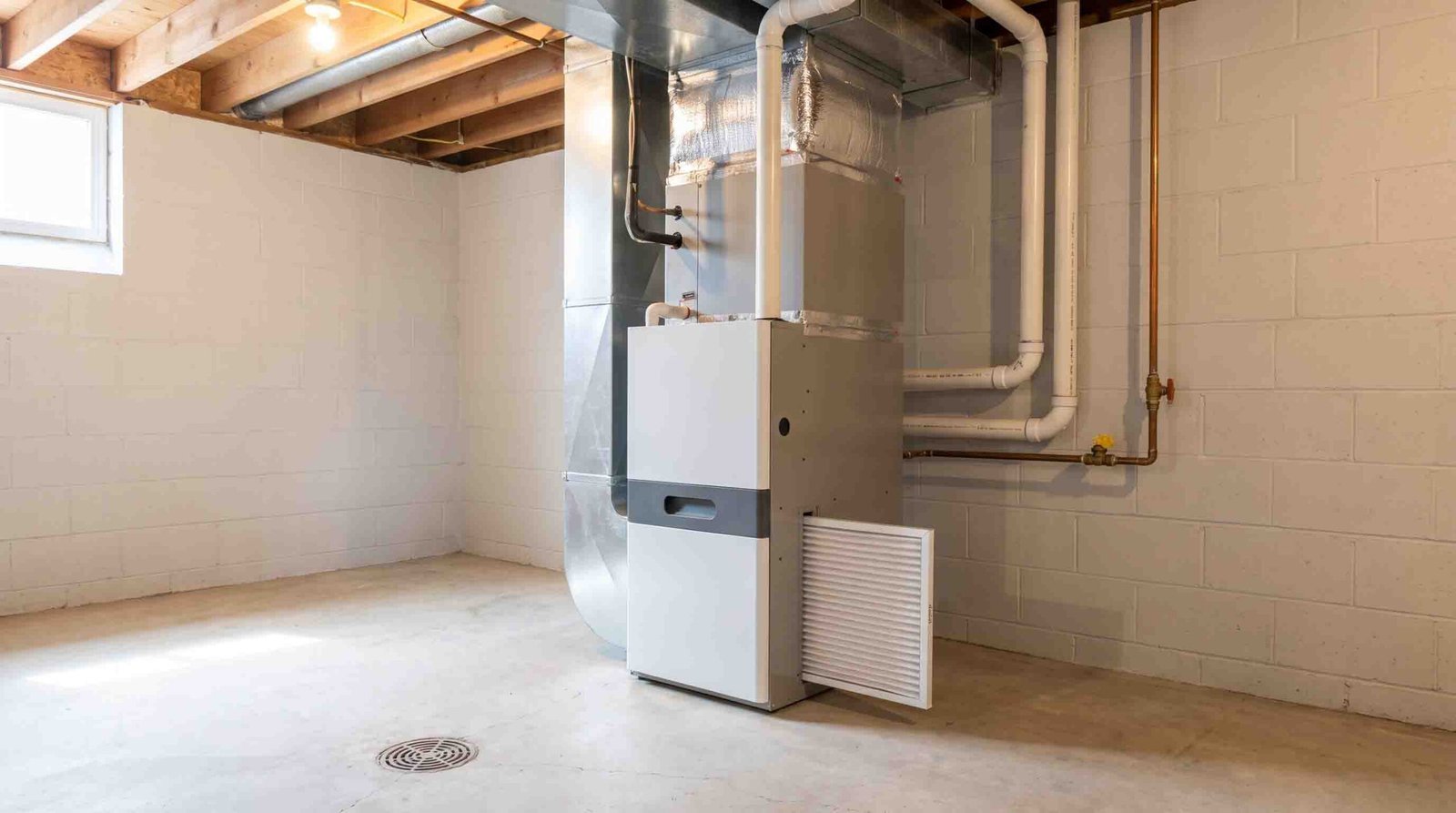
A basement smells like burning usually indicates an electrical issue, a blocked ventilation system, or an overheated motor that requires your immediate attention. You should stop using any appliances in the area and turn off the main power at your circuit breaker if you can’t identify a safe, obvious source of the smell. This action prevents further damage and reduces the risk of an electrical fire starting in your home.
Stop the basement from smelling like burning
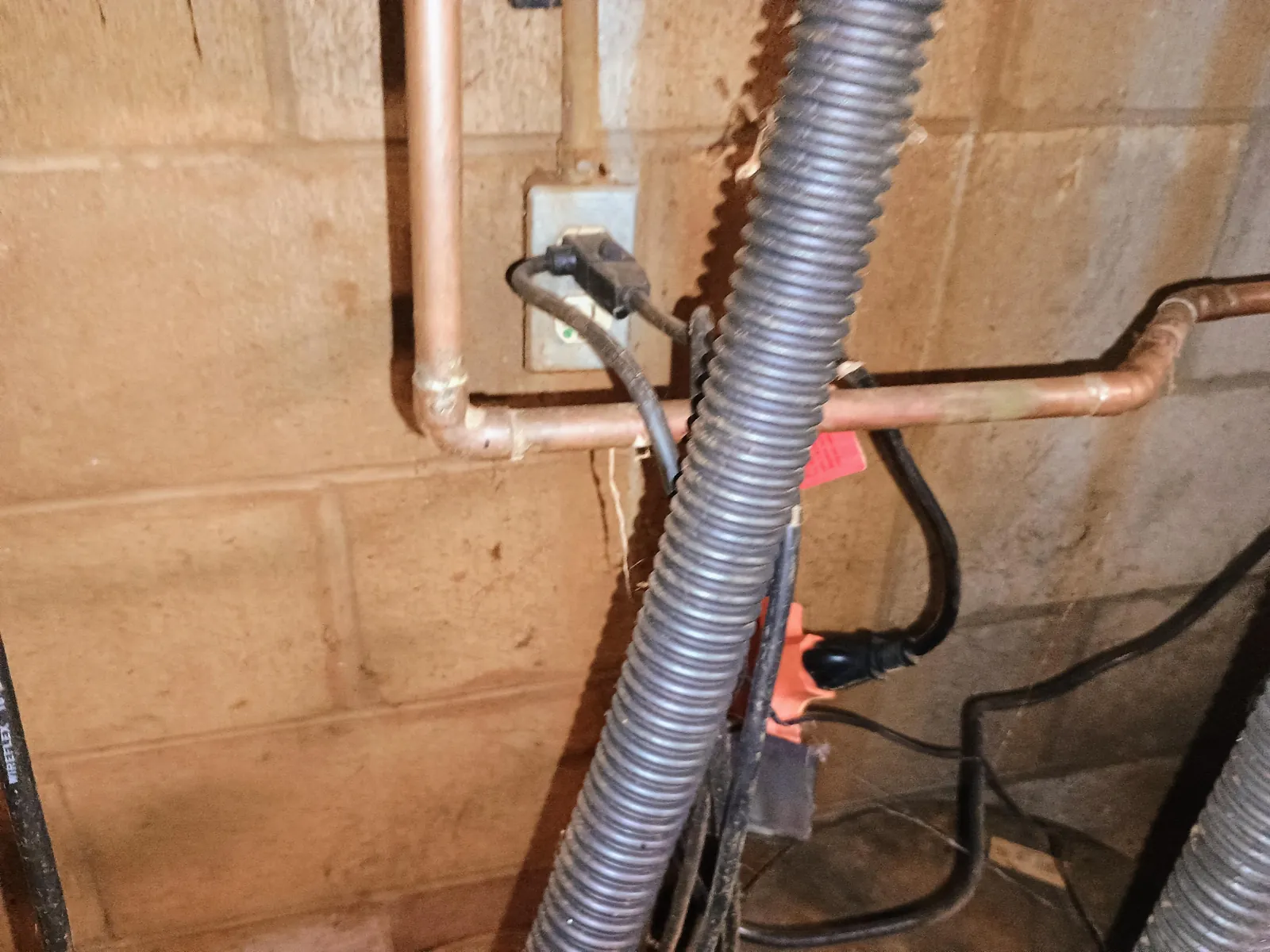
Turn off all lights and unplug portable appliances like dehumidifiers or space heaters immediately. Don’t touch these switches if you hear crackling sounds or see sparks, as these are signs of an active electrical fire.
Locate your main electrical panel and flip the breaker labeled for the basement if the smell is strong or persistent. If you can’t identify the specific circuit, switch off the main power to the entire house.
Open basement windows or doors to allow fresh air to circulate. If the smell is sweet or fishy, don’t attempt to ventilate; this often indicates melting wire insulation, which requires professional intervention.
Move all family members and pets to an upper level. If you feel lightheaded or nauseated, exit the building entirely and call emergency services from outside. Seconds matter when fumes are present, and waiting to investigate the source often leads to preventable smoke inhalation.
Why Your Home Produces These Odors
The burning smell in a basement often results from overheating components, which produce distinct odors as plastic insulation or dust begins to melt. When an electrical circuit carries too much current or has a loose connection, the resistance creates intense heat. This heat quickly degrades the wire casing, releasing a sharp, acrid scent that’s quite different from organic rot or dampness.
Another common source is a failing motor in equipment like a sump pump or an HVAC blower. If a bearing seizes or the motor windings short out, the internal temperature rises rapidly. The smell of burning rubber or hot oil is a sign that the mechanical stress has reached a critical point.
If you detect a fishy odor, check your electrical outlets and light switches immediately. This scent often indicates that plastic components are melting due to arcing, a precursor to an electrical fire. Unlike the transient smell of burning dust, which fades after ten minutes of furnace operation, an electrical smell will intensify as the load on the circuit increases.
Dust buildup on heating elements also causes brief burning odors, but this should dissipate within a few minutes of use. If the smell persists, it’s a warning that an internal component is actively failing. When in doubt, kill the power at the main breaker before investigating further.
Check These, Cheapest First
You should start your investigation by looking for visible signs of heat or damage before you spend any money on repairs.
Check the dehumidifier unit
Look for melted plastic around the power cord or the exhaust vent. If the unit feels hot to the touch or the plastic is discolored, it’s a fire hazard and you must stop using it immediately.
Inspect the sump pump
Listen for unusual grinding or humming noises coming from the sump pit area. A pump that’s working too hard or is stuck will often emit a burning scent as the internal motor reaches dangerous temperatures.
Examine nearby light fixtures
Check for yellowing or darkening on the covers of ceiling lights or wall lamps. Old or high-wattage bulbs can overheat the plastic housing, which creates a burning smell that’s often confused with faulty wiring.
Scan electrical wall outlets
Look for black marks or signs of melting around the plug holes in your wall. If you see discoloration, the outlet is likely sparking internally and needs professional replacement to avoid a fire.
Verify the HVAC vents
Check if the air coming out of your vents smells like burning dust or something more chemical. If the smell is only present when the heat turns on, the issue is likely trapped debris on the internal heating coils.
The Fix for Overheating Equipment
The most effective repair for a burning smell depends on the source, but it always begins with removing the power. If the smell comes from a portable appliance like a dehumidifier or space heater, the fix is to replace the device, as internal electrical components are rarely serviceable by a homeowner.
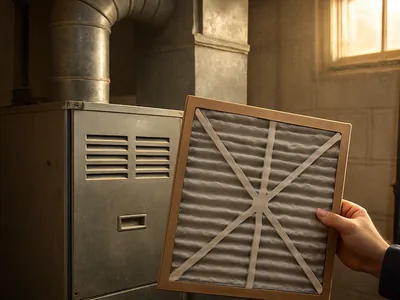
If the smell originates from a light fixture, installing a lower-wattage LED bulb often solves the problem by reducing the heat output. For HVAC-related odors, replacing a dirty air filter can improve airflow and stop the system from overheating during operation.
When the smell comes from a hardwired device, such as a sump pump, the fix is to call a professional to perform a full inspection. You’ll know the fix is successful when the air in your basement remains clear after you restore power and run the system for 30 minutes. If the burning smell returns within a week of your initial check, you must treat it as a recurring electrical fault that requires immediate expert intervention.
When to Call a Professional

If you can’t find a clear, non-electrical source for the smell, you must contact a licensed electrician. You should stop your search and call for help if you see smoke, hear crackling noises inside the walls, or if the main breaker keeps tripping repeatedly. These are signs of a deep-seated electrical fault that can lead to a house fire if ignored.
A professional will use thermal imaging and circuit testing to find hidden failures that you can’t see from the surface. Be prepared to tell them exactly where the smell is strongest and which appliances you have already unplugged.
If the odor persists after you flip the main breaker to the off position, evacuate the building immediately and call emergency services, as there may be an active fire. In this specific case, call your local power provider immediately. Don’t attempt to open the meter base or main service panel yourself, as these areas carry lethal voltage levels regardless of your internal breaker status.
Related guides
- How to Fix a Hole in a Gun Stock: Step-by-Step Repair Guide in 2026
- How to Fix Polyurethane Mistakes: A Step-by-Step Repair Guide in 2026
- Can You Use Oil Based Primer Over Latex Paint? The Fix in 2026
Frequently Asked Questions
Is it safe to stay in the house if I smell burning?
You should evacuate the area immediately if the smell is strong, acrid, or accompanied by visible smoke. Breathing in melting plastic fumes is hazardous to your health, and the presence of such an odor indicates an active electrical fire risk that requires professional assessment before it’s safe to remain.
How do I know if the smell is coming from the wires?
The smell of burning wire is sharp, chemical, and similar to hot plastic or ozone. If you notice this smell even when no appliances are turned on, or if the odor is concentrated around wall outlets and switches, you’re likely dealing with an issue in your home’s fixed wiring.
Can a dirty furnace cause a burning smell?
A dirty furnace often smells like burning dust when you first turn on the heat for the season. This smell should fade within 15 to 30 minutes of operation, but if it stays or smells like burning rubber, you should shut off the system and call a technician for a safety inspection.
How long does it take for the smell to go away?
The odor usually disappears within 30 to 60 minutes after you remove the source of the heat and ventilate the room. If the scent remains after several hours of open windows and fresh air, it’s a sign that the source of the burning is still active or that the material has melted.
Is it okay to use an extension cord in the basement?
You should avoid using extension cords for high-draw appliances like dehumidifiers, as they can easily overheat and create a fire hazard. If you must use one, ensure it’s rated for the correct wattage and unplug it immediately if you notice the cord or the plug feels warm.
What happens if I ignore a burning smell?
Ignoring a burning smell can lead to an electrical fire that spreads rapidly behind your walls. Small, smoldering wires often lead to catastrophic failures, and the cost of repairing a fire-damaged home is significantly higher than the cost of calling an electrician to fix a simple, localized wiring fault.
Conclusion
If you’re still worried after checking your appliances, don’t hesitate to call a licensed electrician. It’s always better to be safe than sorry when it comes to your home’s wiring. They’ll help you find the hidden cause, so you can finally relax and enjoy your living space with total peace of mind.