
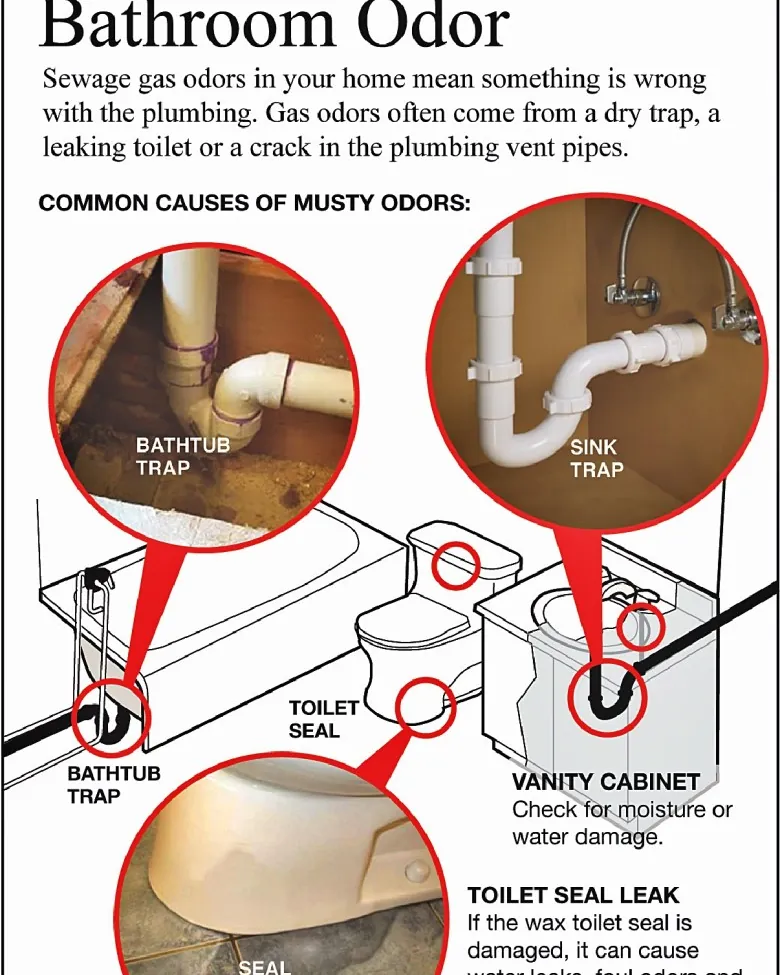
A dry floor drain or a broken wax ring under the toilet is usually why a bathroom smells like sewage, allowing sewer gases to enter your home through the pipes. These odors come from the ventilation system, dried-out traps, or leaks in the plumbing seal. Identifying the source early helps you stop the smell before it becomes a health risk or a major repair cost.
Finding why your bathroom smells like sewage
You can usually find the problem by checking the fixtures for signs of water loss or damage. Use this table to match your symptoms to the likely source of the smell.
| Fixture | What to look for | Why it smells |
|---|---|---|
| Floor drain | No water in trap | Sewer gas escapes |
| Toilet | Loose base or rocking | Broken wax ring seal |
| Sink | Dry or clogged pipe | P-trap has no water |
| Vent pipe | Blocked roof opening | Gas backs up inside |
| Shower | Hair or soap buildup | Bacteria growth in drain |
Dry floor drain
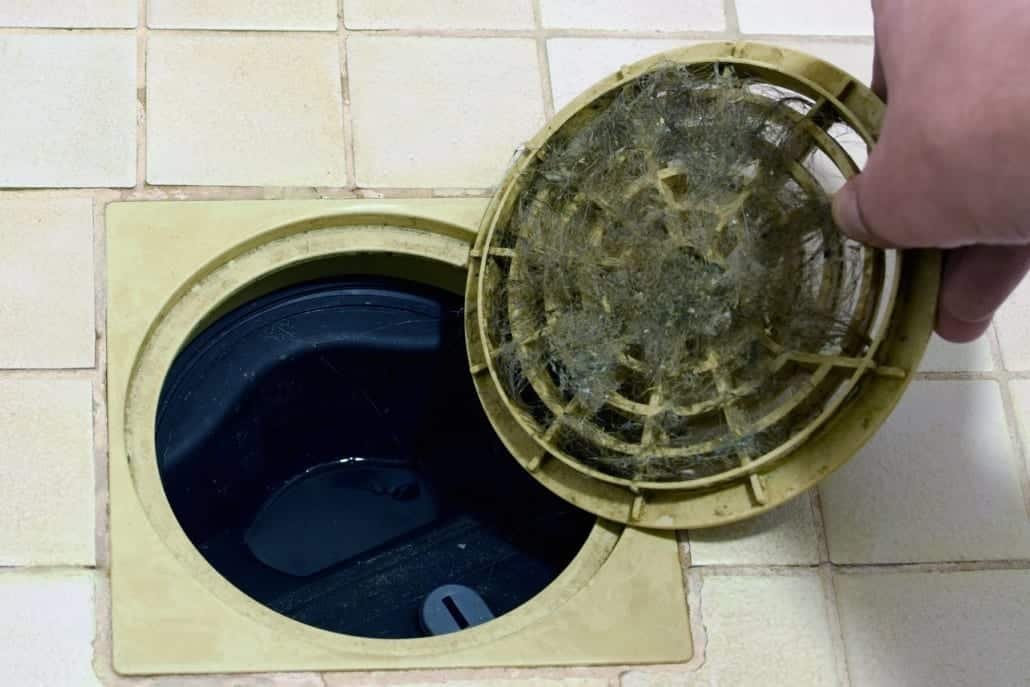
A dry floor drain is a common cause of sewer odors in bathrooms; the frequency of maintenance depends on how quickly the water in the trap evaporates. Every drain has a U-shaped pipe called a trap, which holds a small amount of water to block sewer gases from coming up. If the water evaporates, the seal is broken and gas flows freely into your room.
- Pour 1 quart of water into the floor drain to refill the trap.
- Check the drain cover for debris that might stop water from flowing.
If the smell stays after you refill the trap, the drain might be connected to a damaged line. Test this by placing a damp cloth over the grate; if the smell fades, the air is definitely coming from the pipe.
Broken toilet wax ring
A broken wax ring allows gas to leak from the sewer line directly into the bathroom whenever the toilet is flushed. This ring sits between the bottom of the toilet and the drain pipe in the floor. If the toilet rocks when you sit on it, the seal has likely failed.
- Check for movement by gently pushing the toilet bowl from side to side.
- Look for stains or moisture around the base of the toilet.
- Inspect the floor for any soft spots or rot in the wood underneath.
If the toilet moves, the bolts have likely loosened, or the wax ring has flattened over time. This is a common issue in older homes where the floor may have shifted. If you see water leaking at the base, call a plumber to reset the toilet with a new ring to prevent floor damage.
P-trap issues in sinks

The P-trap under your sink acts as a barrier, but it can fail if the pipe is clogged or if the vent is blocked. When a sink drains, it creates a vacuum that can pull the water out of the trap if the air vent isn’t working correctly. This is known as siphonage and leaves the pipe open to the sewer.
- Clear any hair or soap scum from the sink stopper.
- Check the pipe connections for small drips or loose nuts.
- Listen for a gurgling sound when the sink drains, which suggests a vent problem.
If you find a leak, tighten the slip nuts by hand, but don’t use tools that can crack the plastic. If the smell remains after cleaning, the issue is likely in the wall or the roof vent.
Blocked roof vent
A blocked roof vent prevents air from flowing through your pipes, causing odors to push back into the bathroom. According to the Environmental Protection Agency, proper ventilation is necessary to keep waste gases outside the home. Birds, leaves, or snow can block the opening on the roof and stop the system from working.
- Look for debris near the vent stack on your roof from the ground.
- Check if the smell gets worse when the wind blows in a certain direction.
- Call a professional roofer if you suspect a blockage in the vent stack.
Don’t attempt to climb onto the roof yourself to clear the vent. If you lack the proper safety gear and experience with heights, a professional can clear the obstruction safely without damaging your shingles or risking a fall.
Other sources of odor
- Bacteria buildup: Thick layers of hair and skin cells in the shower drain can rot and smell like sewage. Clean the drain regularly with a brush to remove this buildup.
- Overflow pipes: Some sinks have an overflow hole that collects stagnant water. Flush this hole with a mixture of vinegar and water to kill odor-causing bacteria.
- Cracked pipes: Small cracks in cast iron pipes can leak gas into wall cavities. If the smell is constant and stays near a wall, a camera inspection by a plumber is needed.
How to choose the right fix
Your decision depends on where the smell is strongest and if the fixture is loose. If the smell is near the toilet and the bowl rocks, you need to replace the wax ring. If the smell comes from a drain you rarely use, simply adding water is the correct step.
If you hear gurgling sounds, the issue is with your venting system, which requires a professional inspection. These issues are rarely solved by store-bought drain cleaners, which can damage your pipes and don’t address the source of the gas. You can typically combine these tasks, such as cleaning the drain while also refilling the trap, to ensure the entire system is clear.
Related guides
- How to Fix a Hole in a Gun Stock: Step-by-Step Repair Guide in 2026
- Dog Smells Like Fish From Back End: Causes and Solutions
Frequently asked questions
Can a dry drain cause a sewage smell?
Yes, a dry drain is a frequent cause of sewer gas entering a room. The water in the P-trap creates a seal that blocks gas; once that water evaporates, the pipe is open. Adding 1 quart of water to the drain will restore this seal and stop the odor immediately.
How do I know if the wax ring is broken?
The most common sign is a toilet that rocks or moves when you sit on it. If you see water or smell sewage near the base of the toilet, the wax seal is likely damaged. You should have a plumber replace the ring to prevent water from rotting your bathroom floor.
Why does my bathroom smell only when it rains?
This usually happens because a blocked roof vent forces sewer gas back down the pipes when the air pressure changes. If the vent is clogged by leaves or debris, the gas can’t escape through the roof. A professional roofer can clear the vent stack to fix this airflow issue.
Is it safe to stay in a house that smells like sewage?
It isn’t safe to stay in a room with a strong sewage smell because sewer gas contains methane and other harmful vapors. If you feel dizzy or nauseated, leave the area immediately and open windows to ventilate the home. Call a local plumber to find and fix the leak right away.
Do I need a plumber to fix a sewer smell?
You should call a plumber if you can’t find the source of the smell or if the toilet is leaking at the base. While you can refill a dry drain yourself, a broken wax ring or a cracked pipe requires professional tools. A plumber can use a smoke test to find hidden leaks.
How long does it take to fix a sewage smell?
Most simple fixes, like refilling a dry trap or cleaning a drain, take less than 10 minutes to complete. If the issue is a broken wax ring or a vent blockage, the repair usually takes 1 to 2 hours. Complex pipe repairs in the walls can take much longer depending on the damage.
Conclusion
Start by pouring water into every floor drain in your bathroom to see if the smell fades. If the odor goes away within 30 minutes, you have solved the problem. If the smell persists or you see water leaking near the toilet base, stop using that fixture and contact a licensed plumber to inspect the pipe seals and connections.