
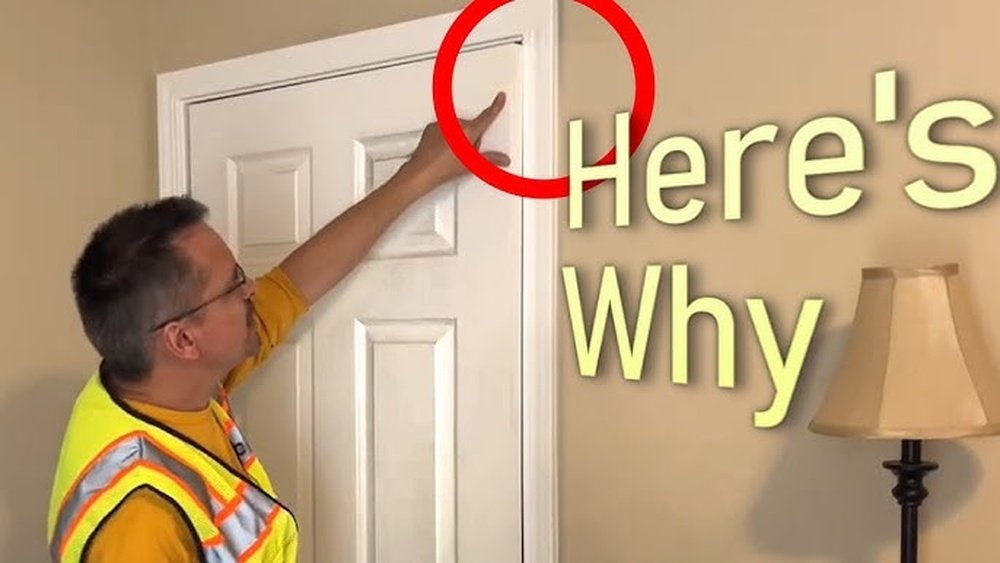
A door that refuses to close properly is more than just an annoyance; it can be a significant security concern, a drafty nuisance, and a daily frustration. Whether it’s a stubborn interior door that sticks, a front door that won’t latch, or a closet door that hangs crooked, the underlying causes are often mechanical and addressable. Understanding why your door isn’t closing smoothly is the first step toward finding a lasting solution. This guide will walk you through the common culprits behind a door that won’t close properly, offering practical troubleshooting steps and repair strategies to restore its functionality and your peace of mind.
Key Takeaways
- Misalignment is the most frequent cause of doors not closing properly, often stemming from loose hinges, warped door frames, or foundation settling.
- Hinges are critical; check for loose screws, bent hinges, or worn-out pins that prevent the door from swinging freely.
- Environmental factors like humidity can cause wood doors and frames to swell, leading to sticking.
- Obstructions such as carpets, doorstops, or debris can physically prevent a door from closing.
- Latch and strike plate issues are common, requiring adjustments to ensure the bolt aligns correctly.
- Warped doors or frames might necessitate more involved repairs or replacements.
- Regular maintenance, including tightening screws and lubricating hinges, can prevent many closing problems.

Credit: www.youtube.com
Common Causes For A Door Not Closing Properly
When a door fails to close flush or latch securely, it’s usually due to a mechanical issue that prevents it from moving freely along its intended arc. These problems can range from simple fixes like tightening a screw to more complex situations requiring professional intervention.
Identifying the exact point of friction or misalignment is key to resolving the issue efficiently.
Hinges: The Foundation Of Door Movement
The hinges are the critical connection points that allow a door to swing open and closed. Any problem with the hinges can directly impact the door’s ability to operate correctly.
Loose Hinges
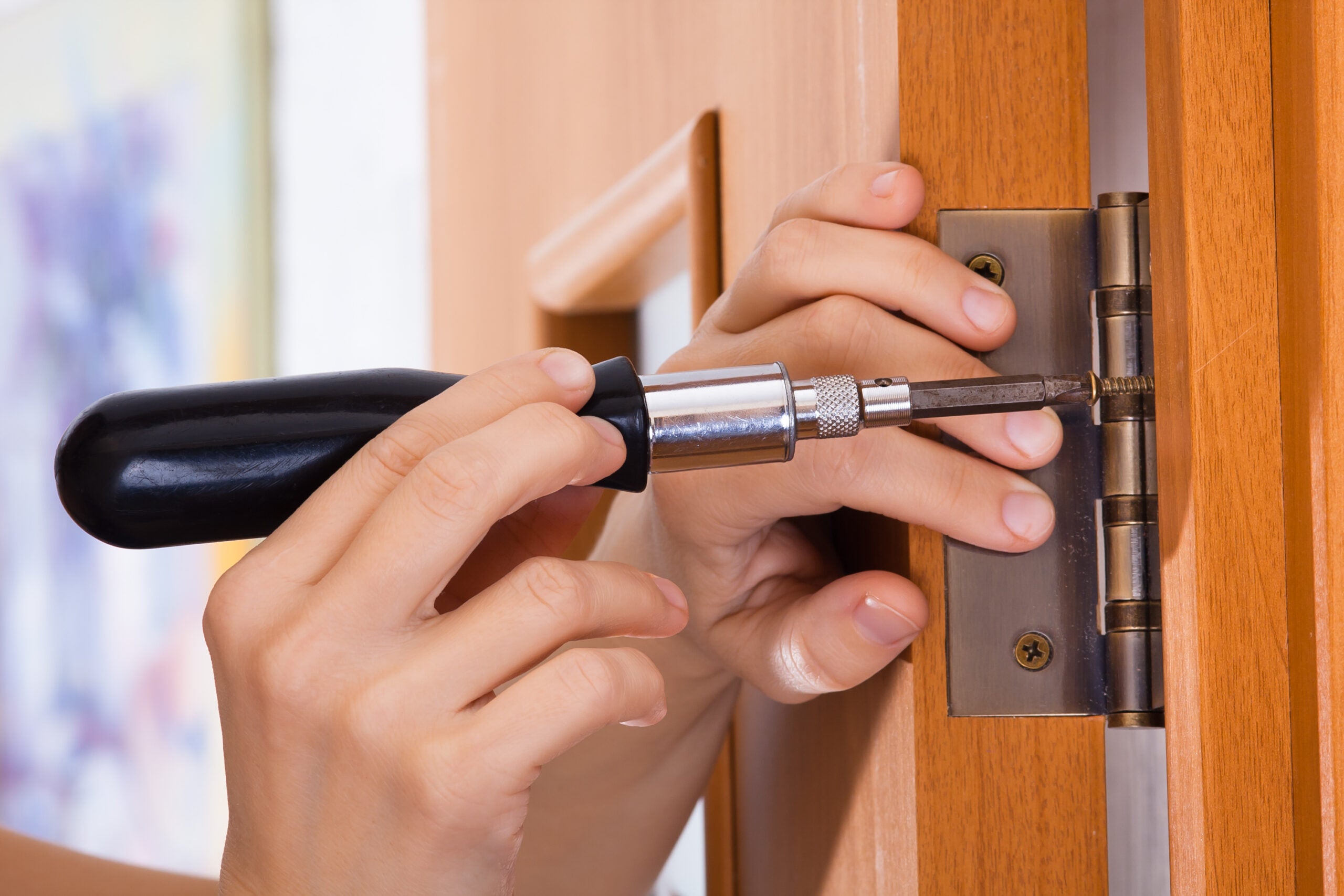
Over time, the screws that attach hinges to both the door and the door frame can loosen. This is especially common in high-traffic areas or with heavier doors.
- Symptoms: The door may sag, appear to be out of plumb, or rub against the door frame at the top or bottom. You might notice a gap widening on one side of the door when it’s open.
- Troubleshooting:
- Open the door slightly.
- Gently try to wiggle the door. If there’s noticeable play in the hinges, the screws are likely loose.
- Use a screwdriver to tighten all screws on each hinge leaf, both on the door and the frame.
- If the screw holes are stripped and the screws no longer tighten, you can try inserting wooden matchsticks or golf tees dipped in wood glue into the hole before reinserting the screw. For a more robust fix, use longer, thicker screws or fill the hole with wood filler or dowels.
Bent Or Damaged Hinges
Hinges can become bent due to excessive force, impact, or simply wear and tear. A bent hinge will prevent the door from aligning properly with the frame.
- Symptoms: The door might bind at a specific point, or you might see a visible bend in one of the hinge leaves or the hinge pin.
- Troubleshooting:
- Carefully inspect each hinge for any signs of bending or damage.
- If a hinge is slightly bent, you might be able to gently tap it back into shape with a hammer and a block of wood, but this is often a temporary fix.
- For significantly bent or damaged hinges, replacement is the best course of action. You’ll need to match the size, screw pattern, and corner radius (square or rounded) of the old hinges.
Worn Hinge Pins
The pin that connects the two leaves of a hinge can wear down over time, creating excessive play and allowing the door to sag.
- Symptoms: Similar to loose hinges, a sagging door that rubs against the frame. You might notice the pin feels loose or can be easily lifted.
- Troubleshooting:
- You can try to remove the hinge pin (usually by tapping it upwards from the bottom with a nail set and hammer).
- If the pin is worn, you can often replace just the pin, which is much cheaper than replacing the entire hinge. Ensure the new pin is the same diameter and length.
Door Frame Issues
The door frame, or jamb, provides the rigid structure into which the door is hung. If the frame itself is compromised, the door’s ability to close will be severely affected.
Warped Door Frame
Wood frames can warp due to moisture, improper installation, or structural shifts. A warped frame means the opening is no longer square, preventing the door from fitting correctly.
- Symptoms: The door may bind or rub against the frame on one side, or there might be an uneven gap between the door and the frame. The door might not close completely even if it swings freely.
- Troubleshooting:
- Check the frame for any visible signs of bowing or twisting. Measure the diagonals of the frame opening; if they are significantly different, the frame is out of square.
- Minor warping might be addressed by shimming hinges or the strike plate to help the door align.
- Severe warping often requires replacing the door frame, which is a more involved carpentry job.
Settling Of The House Foundation
In older homes, or homes built on unstable ground, foundation settling can cause the entire structure, including door frames, to shift.
- Symptoms: This often manifests as doors that were once functional becoming difficult to close, or exterior doors that become difficult to lock. You might notice cracks in the walls or uneven floors.
- Troubleshooting: This is a serious structural issue. It’s crucial to consult a structural engineer or foundation repair specialist. While shimming or adjusting the door might offer temporary relief, the underlying cause needs professional assessment and repair.
Swollen Wood
Wood is a hygroscopic material, meaning it absorbs and releases moisture from the air. Changes in humidity, particularly high humidity, can cause wood doors and frames to swell.
- Symptoms: The door will begin to bind or rub against the frame, often at the top or sides. The problem might be worse at certain times of the year (e.g., humid summer months).
- Troubleshooting:
- Identify where the door is sticking. You might see scuff marks on the frame or door edge.
- Temporary Fix: If the swelling is minor, you can try opening and closing the door repeatedly to wear down the contact point.
- Sanding: For more persistent sticking, you can lightly sand the area where the door is rubbing. You’ll need to identify the exact spot by closing the door to the point of resistance and marking it. Remove the door, sand the edge or frame, and rehang to test. Repeat as needed, but sand sparingly to avoid creating a gap.
- Dehumidification: In areas prone to high humidity, using a dehumidifier can help reduce wood swelling. Ensure proper ventilation in the home.
Obstructions
Sometimes, the simplest explanation is the correct one: something is physically preventing the door from closing.
Carpeting And Flooring
An improperly installed carpet or a new flooring material can raise the floor level, causing the bottom of the door to drag or become stuck.
- Symptoms: The door drags heavily on the floor when closing, or it stops completely before reaching the frame.
- Troubleshooting:
- Check the clearance between the bottom of the door and the floor.
- If the carpet pile is too thick or the flooring is too high, you may need to trim the bottom of the door or adjust the flooring. Trimming a door requires removing it and using a circular saw or handsaw.
Door Stops And Hardware
Door stops (the rubber or metal pieces that prevent a door from swinging too far back) or other protruding hardware can interfere with closing if not properly positioned or if the door is installed incorrectly.
- Symptoms: The door stops short of closing or hits an object before it can latch.
- Troubleshooting:
- Inspect the door’s swing path for any obstructions.
- If a door stop is the issue, adjust its position or remove it if it’s not necessary.
Debris
Small objects like pebbles, dust bunnies, or fallen screws can accumulate in the door track (for sliding doors) or at the threshold, preventing closure.
- Symptoms: The door may feel gritty or stop abruptly.
- Troubleshooting:
- Clean the threshold and the bottom edge of the door.
- For sliding doors, meticulously clean the tracks. A vacuum cleaner with a crevice tool is often effective.
Latch And Strike Plate Misalignment
The latch bolt (on the door edge) and the strike plate (on the door frame) are designed to engage precisely. If they are out of alignment, the door won’t latch or close fully.
Strike Plate Position
The strike plate is a metal plate with a hole that the latch bolt enters to keep the door closed. If the strike plate is installed too high, too low, or too far in or out relative to the latch bolt, it won’t align.
- Symptoms: The latch bolt hits the strike plate and won’t enter the hole, preventing the door from closing and latching. You might need to lift or push the door forcefully to get it to catch.
- Troubleshooting:
- Observe where the latch bolt is hitting the strike plate. You can use lipstick or chalk on the end of the bolt to mark the contact point on the strike plate.
- Minor Adjustments: If the misalignment is small, you can often file the opening of the strike plate slightly to accommodate the latch bolt.
- Repositioning: If filing isn’t enough, you may need to reposition the strike plate. This involves removing the old strike plate, filling the old screw holes, and installing a new strike plate in the correct position. Sometimes, simply moving the strike plate slightly up or down by adjusting the mortise (the cutout in the frame) is sufficient.
- Shimming: You can also use thin cardboard or metal shims behind the strike plate to adjust its depth.
Latch Mechanism Issues
The internal mechanism of the doorknob or handle might be faulty, preventing the latch bolt from extending or retracting fully.
- Symptoms: The latch bolt doesn’t pop out when the door is closed, or it gets stuck partially extended. The doorknob might feel loose or sticky.
- Troubleshooting:
- Remove the doorknob assembly and inspect the internal mechanism for debris, damage, or worn parts.
- Lubricate the mechanism with a graphite lubricant or a light oil.
- If parts are worn or broken, the doorknob assembly will need to be replaced.
Warped Door Slab
Just like the frame, the door itself can warp over time, especially solid wood or hollow-core doors exposed to moisture or extreme temperature fluctuations.
- Symptoms: The door no longer sits flush within the frame. One edge might be further away from the frame than the other, or the door might have a noticeable bow. This can cause rubbing or prevent it from closing at all.
- Troubleshooting:
- Check for Warping: Lay a long straight edge across the face of the door. If there’s a significant gap between the straight edge and the door’s surface, it’s warped.
- Minor Warping: Sometimes, slight warping can be corrected by adjusting the hinges (e.g., using hinge shims to pull the door tighter into the frame on the latch side) or by strategically placing tension screws if the door construction allows.
- Major Warping: If the door is severely warped, it often needs to be replaced. Repairing a warped door slab is rarely a permanent or effective solution.
Troubleshooting Steps: A Systematic Approach
When faced with a door that won’t close properly, a methodical approach will help you pinpoint the problem quickly and efficiently.
Step 1: Visual Inspection
Start with a thorough visual check of the entire door system.
- Door Slab: Look for any obvious signs of damage, warping, or sagging. Check the edges for scuff marks indicating where it might be rubbing.
- Door Frame: Examine the frame for cracks, bowing, or signs of movement. Ensure it appears plumb and level.
- Hinges: Inspect all hinges for loose screws, bent leaves, or worn pins. Open and close the door slowly to observe hinge action.
- Latch and Strike Plate: Check the alignment of the latch bolt and strike plate. Is the bolt hitting the plate? Is the strike plate loose?
Step 2: Check For Obstructions
Physically ensure nothing is preventing the door from closing.
- Clear the Path: Remove any objects from the floor near the door’s swing path, including rugs, toys, or debris.
- Threshold: Inspect the threshold for any buildup or damage.
- Sliding Doors: If it’s a sliding door, check the tracks for debris, dirt, or obstructions.
Step 3: Test The Hinges
Hinges are a common culprit.
- Tighten Screws: Ensure all hinge screws are tight. If holes are stripped, use the wood filler/matchstick trick or longer screws.
- Check for Play: With the door slightly ajar, try to lift and wiggle it. Excessive movement indicates worn hinges or loose screws.
- Hinge Pin: If the door sags, try removing and inspecting the hinge pins for wear.
Step 4: Examine Latch And Strike Plate Alignment
This is crucial for doors that won’t latch.
- Marking: Close the door as much as possible and mark the position of the latch bolt on the strike plate (using lipstick or chalk).
- File or Shim: If the misalignment is minor, file the strike plate opening. For greater adjustments, reposition the strike plate or use shims.
- Latch Bolt Function: Ensure the latch bolt extends and retracts smoothly when the doorknob is operated.
Step 5: Assess Environmental Factors
Consider how humidity or temperature might be affecting the door.
- Swelling: If the door sticks in humid weather, it’s likely due to wood swelling. Sanding the contact points or using a dehumidifier can help.
- Seasonal Changes: Be aware that minor sticking can be seasonal and may resolve itself as conditions change.
Step 6: Consider Structural Issues
If none of the above steps resolve the problem, especially with exterior doors or doors in older homes, structural issues might be at play.
- Foundation Settling: Signs of foundation movement warrant professional assessment.
- Frame Movement: A significantly warped or shifted frame may require professional repair or replacement.

Credit: www.youtube.com
Repair And Maintenance Strategies
Once the cause is identified, you can implement the appropriate repair or maintenance strategy.
Minor Adjustments And Lubrication
Many common issues can be resolved with simple adjustments and regular maintenance.
- Tightening Screws: Regularly check and tighten all hinge screws and the screws holding the strike plate. This is a preventative measure as much as a fix.
- Lubrication: Apply a graphite lubricant or a silicone-based spray to hinges and the latch mechanism annually. This prevents rust and ensures smooth operation. Avoid oil-based lubricants on hinges, as they can attract dust and dirt.
- Sanding: As mentioned, light sanding of rubbing points on the door or frame can resolve minor sticking due to swelling or misalignment. Always sand in small increments and test frequently.
Replacing Parts
Sometimes, worn-out components need replacement.
- Hinges: If hinges are bent, rusted, or worn, replace them. Ensure the new hinges match the size, screw pattern, and corner radius of the old ones. It’s often best to replace all hinges on a door simultaneously for consistent performance.
- Hinge Pins: If only the pins are worn, replacing them is a cost-effective solution.
- Doorknobs and Latch Mechanisms: If the internal mechanism is faulty, replace the entire doorknob set or just the internal latch assembly if available.
- Strike Plates: Damaged or improperly positioned strike plates can be replaced. You can purchase standard strike plates or adjustable ones for easier alignment.
Addressing Warping And Frame Issues
These repairs are more involved and may require professional help.
- Door Slab Warping: For minor warping, sometimes hinge adjustments can compensate. For significant warping, door replacement is usually the most practical solution.
- Frame Warping or Settling:
- Shimming: In cases of minor frame warp, shimming hinges or the strike plate can help realign the door.
- Reinforcing: If the frame is loose, reinforcing it with longer screws into the wall studs might help.
- Professional Repair: For significant frame issues or foundation problems, consult a qualified carpenter or structural engineer. Frame replacement or structural repairs are complex tasks.
Diy Vs. Professional Help
Deciding when to tackle a repair yourself versus calling a professional depends on your skill level, the tools you have, and the complexity of the problem.
- DIY Tasks: Tightening screws, lubricating hinges, minor sanding, replacing standard hinges or doorknobs, and adjusting strike plates are generally manageable DIY projects.
- When to Call a Pro:
- If you suspect foundation issues or significant structural movement.
- If the door frame is severely warped or damaged.
- If the door slab is badly warped and replacement is needed.
- If you’re uncomfortable with carpentry tasks like mortising for a new strike plate or trimming a door.
- If multiple attempts to fix the issue have failed.
A professional carpenter has the expertise and tools to diagnose complex problems accurately and perform repairs like frame replacement or door trimming with precision.
Credit: www.boston.com
Door Maintenance Tips For Prevention
Preventing problems before they start is always the best strategy. Regular maintenance can save you time, money, and frustration.
- Regularly Tighten Screws: Make it a habit to check and tighten hinge and strike plate screws at least twice a year, perhaps during spring and fall.
- Lubricate Hinges and Mechanisms: Apply lubricant to hinges and doorknob mechanisms annually.
- Keep Doors Clean: Regularly clean the door edges, frames, and thresholds to prevent debris buildup. Pay special attention to sliding door tracks.
- Monitor Humidity Levels: In areas prone to high humidity, use dehumidifiers or ensure good ventilation to minimize wood swelling.
- Address Minor Issues Promptly: Don’t ignore small problems like slight sticking or loose hardware. Addressing them early can prevent them from escalating into major issues.
- Use Doors Gently: Avoid slamming doors or forcing them shut. This reduces stress on hinges and frames.
By incorporating these simple maintenance steps into your routine, you can significantly extend the lifespan of your doors and ensure they continue to function smoothly for years to come.
Frequently Asked Questions
What Is The Most Common Reason A Door Won’t Close Properly?
The most frequent cause is misalignment, often stemming from loose hinges. As screws loosen over time, the door can sag, causing it to rub against the frame or prevent the latch from engaging the strike plate.
Can Humidity Really Cause A Door To Stop Closing?
Yes, wood is susceptible to moisture. In humid conditions, wood doors and frames can absorb moisture and swell. This swelling can make the door bind against the frame, especially along the top or side edges, preventing it from closing fully or smoothly.
How Do I Fix A Door That’s Dragging On The Floor?
If the door is dragging on the floor, first check if something is obstructing the path, like a rug or debris. If not, the issue is likely sagging hinges or improper door height. Tighten hinge screws first. If that doesn’t help, you might need to adjust the hinges with shims or, in more severe cases, trim the bottom of the door itself.
My Exterior Door Is Hard To Lock. What Could Be The Problem?
Difficulty locking an exterior door is often due to misalignment between the latch bolt and the strike plate on the frame. This can be caused by loose hinges, a shifting door frame, or foundation settling. Check hinges for tightness, and inspect the alignment of the strike plate. If the problem persists, especially in an older home, it might indicate a more significant structural issue.
How Often Should I Lubricate My Door Hinges?
It’s advisable to lubricate door hinges at least once a year. Doing so helps prevent rust, reduces wear and tear, and ensures smooth operation. You can use a graphite-based lubricant or a silicone spray. Avoid using oil-based lubricants, as they can attract dust and grime, potentially making the hinges stickier over time.
A door that refuses to close properly is a solvable problem, often requiring nothing more than a screwdriver and a bit of patience. By understanding the common causes, from loose hinges and misaligned strike plates to environmental factors like wood swelling, you can systematically diagnose the issue.
Many repairs, such as tightening screws, lubricating mechanisms, or minor sanding, are well within the scope of DIY enthusiasts. However, for more complex problems involving warped frames, significant structural shifts, or severely damaged door slabs, consulting a professional carpenter is often the