
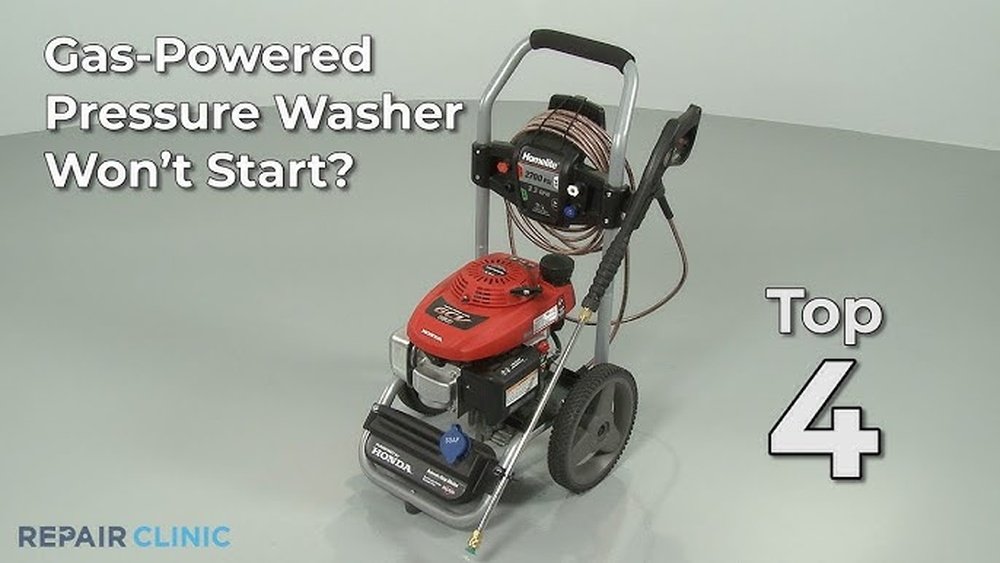
A Honda pressure washer is a powerful tool for tackling tough cleaning jobs, from grimy driveways to mildewed siding. However, like any complex machine, it can encounter issues. One of the most frustrating problems is when your Honda pressure washer simply won’t start.
This can bring your cleaning project to a grinding halt and leave you wondering what went wrong. Fortunately, many common reasons why a Honda pressure washer won’t start are relatively straightforward to diagnose and fix.
This comprehensive guide will walk you through the most frequent culprits behind a no-start Honda pressure washer, offering step-by-step troubleshooting advice. We’ll cover everything from fuel and spark plug issues to more complex mechanical problems, empowering you to get your machine back up and running efficiently.
Whether you’re a seasoned homeowner or new to pressure washing, understanding these potential issues can save you time, money, and a significant amount of frustration.
Key Takeaways
- Fuel System Issues: Ensure fresh fuel, a clean fuel filter, and a clear carburetor are primary checks.
- Ignition Problems: A dirty or faulty spark plug is a common cause of starting failure.
- Airflow Obstructions: A clogged air filter restricts necessary airflow for combustion.
- Water Pressure & Safety: Verify water supply and ensure safety features (like low oil shutdown) aren’t preventing startup.
- Engine Oil Level: Low oil can trigger safety mechanisms, preventing the engine from starting.
- Prime and Choke Settings: Correctly using the choke and priming the engine is crucial for cold starts.
- Mechanical Issues: While less common, internal engine problems may require professional attention.

Credit: www.bisonindustry.com
Common Honda Pressure Washer Starting Problems And Solutions
When your Honda pressure washer refuses to roar to life, it’s usually due to a handful of predictable issues. Before diving into complex repairs, it’s essential to systematically check the most common and easiest-to-resolve problems. This approach not only saves you time but also prevents unnecessary worry about more serious mechanical failures.
Fuel-related Obstacles
The lifeblood of any gasoline engine is its fuel. If your Honda pressure washer isn’t starting, the fuel system is often the first place to look. Stale fuel, blockages, or incorrect fuel types can all prevent your engine from igniting.
Stale Or Contaminated Fuel
Gasoline, especially ethanol-blended fuel, degrades over time. When left in the tank for extended periods (more than 30 days), it can form gummy deposits and lose its combustibility. This stale fuel can clog fuel lines, the fuel filter, and the carburetor’s tiny jets, preventing the engine from receiving the proper fuel mixture.
Pro Tip: Always use fresh gasoline, ideally purchased within the last 30 days. If you store your pressure washer for longer periods, use a fuel stabilizer or drain the fuel tank and run the engine dry before storage.
If you suspect stale fuel, the solution is to drain the old fuel from the tank and carburetor bowl. You can siphon it out or use a small hand pump. Refill the tank with fresh, high-octane gasoline.
Clogged Fuel Filter
The fuel filter is a small but vital component that traps debris before it reaches the carburetor. A clogged filter restricts fuel flow, starving the engine.
Troubleshooting Steps:
- Locate the fuel filter, usually found inline between the fuel tank and the carburetor.
- Disconnect the fuel line from the filter.
- Inspect the filter for dirt, debris, or a milky appearance.
- If it’s dirty, replace it with a new, compatible filter. Honda pressure washer parts are readily available through authorized dealers or online.
Carburetor Issues
The carburetor is responsible for mixing the correct amount of fuel and air for combustion. If it’s clogged or dirty, it can prevent starting. This is particularly common with stale fuel.
Symptoms of a Clogged Carburetor:
- Engine sputters but won’t start.
- Engine starts but runs rough and dies.
- Engine only runs with the choke on.
Solutions:
- Cleaning the Carburetor Bowl: For minor clogs, you can often remove the carburetor bowl (the small cup at the bottom of the carburetor) and clean out any sediment. Be sure to catch any residual fuel in a suitable container.
- Carburetor Cleaning Spray: After draining the bowl, you can spray carburetor cleaner into the jets and passages.
- Full Carburetor Rebuild/Replacement: For more severe clogs, the carburetor may need to be removed, disassembled, cleaned thoroughly with specialized solutions, or replaced entirely. This can be a complex task best left to experienced individuals or professionals.
Water In Fuel
Accidentally putting water in the fuel tank is a critical issue. Water doesn’t combust and will prevent the engine from running.
Diagnosis: If you suspect water, drain the entire fuel system. You may need to remove the fuel tank or use a siphon to get all the water out. Then, refill with fresh gasoline.
Ignition System Faults
Even with perfect fuel delivery, your Honda pressure washer won’t start if it doesn’t have a spark. The ignition system, primarily the spark plug, is crucial.
Dirty Or Fouled Spark Plug
The spark plug ignites the fuel-air mixture in the cylinder. Over time, it can become fouled with carbon deposits, oil, or fuel, preventing it from creating a strong spark.
Troubleshooting and Replacement:
- Locate the Spark Plug: It’s usually a cylindrical component with a wire (spark plug wire) attached to it, threaded into the engine block.
- Remove the Spark Plug Wire: Gently pull the wire off the spark plug.
- Unscrew the Spark Plug: Use a spark plug socket wrench to remove the plug.
- Inspect the Spark Plug: Look for black, sooty deposits (carbon fouling), oil residue, or a damaged electrode.
- Clean or Replace: If the plug is dirty, you can try cleaning it with a wire brush and carburetor cleaner. However, spark plugs are inexpensive, and replacement is often the most reliable solution. Ensure you get the correct type of spark plug for your specific Honda engine model.
- Check the Gap: New spark plugs need to be gapped correctly according to your engine’s specifications. Use a spark plug gap tool for this.
- Reinstall: Screw the new or cleaned spark plug back in, attach the wire firmly, and try starting the engine.
Faulty Spark Plug Wire Or Coil
Less commonly, the spark plug wire itself or the ignition coil (which generates the high voltage for the spark) could be faulty.
Diagnosis: If a new spark plug doesn’t solve the problem, and you confirm fuel is reaching the cylinder, the issue might lie with the ignition coil or the wire. Testing these components typically requires specialized tools and knowledge, often indicating a need for professional service.
Air Intake Restrictions
An engine needs air to combust fuel. A blocked air intake system will prevent your Honda pressure washer from starting.
Clogged Air Filter
The air filter prevents dirt and debris from entering the engine. A heavily clogged filter restricts airflow, leading to a rich fuel mixture and starting problems.
Troubleshooting and Replacement:
- Locate the Air Filter Housing: This is usually a plastic cover on the side of the engine.
- Remove the Cover: Unscrew or unclip the cover.
- Inspect the Filter: Examine the air filter. If it’s covered in dust, dirt, or oil, it needs attention.
- Clean or Replace: Paper filters can often be replaced. Foam filters can usually be washed with soap and water, dried thoroughly, and then lightly re-oiled with a specific foam air filter oil. Always refer to your Honda manual for specific cleaning instructions.
- Reassemble: Ensure the filter is correctly seated before replacing the cover.
Mechanical And Safety Features
Beyond fuel and ignition, other mechanical factors and built-in safety features can prevent your Honda pressure washer from starting.
Low Engine Oil Level
Most Honda engines are equipped with a low oil shutdown sensor. This safety feature prevents engine damage by automatically shutting off the engine or preventing it from starting if the oil level is too low.
Check and Refill:
- Locate the Oil Dipstick: This is typically a yellow or black cap with a handle, often near the engine’s base.
- Ensure the Engine is Cool: Let the engine cool down before checking the oil.
- Remove and Wipe the Dipstick: Pull out the dipstick and wipe it clean with a lint-free cloth.
- Reinsert and Check: Fully reinsert the dipstick, then pull it out again. Check the oil level against the markings on the dipstick.
- Add Oil if Necessary: If the level is below the minimum mark, add the recommended type and amount of engine oil specified in your Honda pressure washer’s manual. Do not overfill.
Water Supply Issues
While this won’t prevent the engine from *cranking*, it will prevent the pump from operating and can sometimes cause an engine that *does* start to stall if it overheats due to lack of water flow. Always ensure the water supply is adequate and the hose is not kinked.
Safety Interlock Engaged
Some pressure washers have safety interlocks, such as a trigger lock on the spray gun. Ensure these are disengaged before attempting to start the engine.
Starting Procedure Errors
Even with a well-maintained machine, incorrect starting procedures can lead to frustration. Honda pressure washers, particularly those with their GX series engines, have specific startup steps.
Incorrect Choke Setting
The choke restricts airflow to enrich the fuel-air mixture, which is necessary for starting a cold engine.
- Cold Start: Always engage the choke fully for a cold engine. Once the engine starts, gradually move the choke to the ‘run’ or ‘off’ position as the engine warms up.
- Warm Start: If the engine is already warm, do not use the choke, or use it only partially. Using the choke on a warm engine can flood it with too much fuel, preventing it from starting.
Not Priming The Engine
Some models may have a primer bulb. This small rubber bulb is used to manually pump fuel into the carburetor, making it easier to start, especially on a cold engine or after it has been sitting for a while.
- Using the Primer Bulb: Press the bulb several times (usually 3-5) until you feel resistance. This indicates fuel has been delivered to the carburetor.
Flooded Engine
If you’ve tried starting the engine multiple times, especially with the choke on, you may have flooded it. This means there’s too much fuel in the combustion chamber, and the spark can’t ignite it.
How to Clear a Flooded Engine:
- Turn off the choke (move it to the ‘run’ or ‘off’ position).
- Attempt to start the engine. You may need to pull the starter rope several times.
- If it still doesn’t start, wait 10-15 minutes for the excess fuel to evaporate, then try again with the correct choke setting.
- You can also try removing the spark plug, pulling the starter rope a few times to clear excess fuel, then reinstalling the plug and trying to start again.

Credit: www.youtube.com
Advanced Troubleshooting For Honda Pressure Washers
If the basic checks haven’t resolved your starting issue, it’s time to consider more in-depth troubleshooting. These steps might require a bit more mechanical aptitude or specialized tools.
Checking For Spark
Confirming you have a spark is a crucial diagnostic step.
How to Test for Spark:
- Disconnect the spark plug wire from the spark plug.
- Remove the spark plug using a spark plug socket.
- Reconnect the spark plug wire to the removed spark plug.
- Carefully hold the metal body of the spark plug against a clean, unpainted metal part of the engine block. Ensure you are not touching the spark plug terminal or wire.
- Have someone pull the starter rope (or engage the electric start if applicable) while you watch the spark plug gap.
- You should see a strong, blue spark jump across the gap.
Interpreting the Results:
- Strong Blue Spark: Indicates the ignition system is likely working. The problem is probably fuel or compression related.
- Weak Yellow/Orange Spark: Suggests an issue with the spark plug wire, ignition coil, or a grounding problem.
- No Spark: Points to a faulty ignition coil, a bad spark plug wire, a faulty ignition switch, or a problem with the engine’s internal ignition components.
Assessing Engine Compression
Compression is the pressure built up inside the cylinder when the piston moves up. Without adequate compression, the fuel-air mixture cannot be ignited effectively. Low compression can be caused by worn piston rings, a damaged cylinder wall, or leaking valves.
How to Test Compression (Requires a Compression Tester):
- Remove the spark plug.
- Screw a compression tester into the spark plug hole.
- Ensure the fuel valve is open and the choke is in the ‘run’ position.
- Pull the starter rope several times (typically 5-6 pulls) with consistent effort.
- Read the pressure indicated on the tester’s gauge.
Interpreting the Results:
- Consult your Honda pressure washer’s service manual for the specific compression specifications for your engine model. Generally, a reading below 70-80% of the specified value indicates a compression problem.
- If compression is low, it often signifies internal engine wear or damage, which may require professional repair.
Examining The Fuel Lines And Tank
Beyond the filter, the fuel lines themselves can become blocked or kinked. The fuel tank can also accumulate sediment over time.
Steps:
- Disconnect the fuel line from the carburetor.
- Point the disconnected end into a suitable container.
- Turn on the fuel valve (if separate from the tank cap).
- Observe the fuel flow. You should see a steady stream of fuel. If the flow is weak, intermittent, or nonexistent, the problem lies further upstream (fuel tank sediment, kinked line, faulty fuel valve).
- If the flow is good, the issue is likely within the carburetor or ignition system.
Checking For Blocked Exhaust
A severely blocked exhaust can create backpressure and prevent the engine from running or starting. This is less common but can occur if the muffler becomes internally damaged or if debris obstructs the outlet.
Diagnosis: Visually inspect the exhaust outlet for any obvious blockages. If you suspect an internal issue, it may require disassembling the muffler for inspection, which is usually a job for a mechanic.

Credit: www.allpartsinc.com
When To Seek Professional Help
While many Honda pressure washer starting issues can be resolved with DIY troubleshooting, some problems are beyond the scope of basic maintenance. If you’ve exhausted the common solutions or are uncomfortable performing more complex diagnostics, it’s time to call in the experts.
Signs You Need Professional Assistance:
- Lack of Spark: If you’ve replaced the spark plug and still have no spark, the ignition coil or other electrical components may be faulty.
- Low Compression: As mentioned, this indicates internal engine wear or damage (piston rings, valves, cylinder).
- Persistent Carburetor Problems: If cleaning the carburetor doesn’t resolve the issue, it may require a professional rebuild or replacement.
- Engine Knocking or Strange Noises: Unusual sounds during attempted startup often signal serious mechanical problems.
- You’re Unsure or Uncomfortable: Safety is paramount. If you’re not confident in your ability to diagnose or repair the issue, it’s always best to consult a qualified technician.
Honda power equipment is known for its reliability, but even the best machines can develop faults. A local Honda power equipment dealer or a small engine repair shop will have the specialized tools, diagnostic equipment, and expertise to pinpoint and fix complex issues.
They can also source genuine Honda parts to ensure your pressure washer runs as intended.
Maintenance Tips To Prevent Starting Issues
The best way to deal with a Honda pressure washer that won’t start is to prevent the problem from occurring in the first place. Regular maintenance is key to ensuring reliable performance.
Regular Fuel Management
- Use Fresh Fuel: Always use gasoline that is less than 30 days old.
- Fuel Stabilizer: If you store fuel for longer periods or your pressure washer will sit unused for more than a month, add a fuel stabilizer.
- Drain for Storage: For long-term storage (over winter), drain the fuel tank and run the engine until it stops to empty the carburetor.
Air Filter Care
- Inspect Regularly: Check the air filter every few uses, especially if operating in dusty conditions.
- Clean or Replace: Clean foam filters or replace paper filters as needed. A dirty air filter is a common cause of poor performance and starting difficulty.
Spark Plug Maintenance
- Inspect Annually: Remove and inspect the spark plug at least once a year.
- Replace as Needed: Replace the spark plug every 100-200 hours of operation or if it shows signs of wear or fouling.
Oil Level Checks
- Check Before Each Use: Ensure the engine oil level is correct before operating the pressure washer.
- Regular Oil Changes: Change the engine oil according to the manufacturer’s recommendations (usually every 50-100 hours of use or annually).
Keeping It Clean
- General Cleaning: Keep the exterior of the pressure washer clean, especially around the engine and pump. Remove dirt and debris that could clog air intakes or cooling fins.
By adhering to these simple maintenance practices, you can significantly reduce the likelihood of encountering starting problems with your Honda pressure washer and ensure it’s ready to go whenever you need it.
Frequently Asked Questions
Why Does My Honda Pressure Washer Start With The Choke On But Die When I Move It To ‘run’?
This is a classic symptom of a lean fuel mixture, often caused by a partially clogged carburetor. The choke enriches the mixture, allowing it to run, but once the choke is opened and more air enters, the engine can’t get enough fuel and stalls.
It could also indicate a vacuum leak in the fuel system or intake manifold.
Can I Use Regular Car Gasoline In My Honda Pressure Washer?
Yes, you can use regular unleaded gasoline (87 octane or higher). However, it’s crucial to use fresh gasoline. Many modern gasoline blends contain ethanol, which can absorb moisture and degrade over time, leading to starting problems and carburetor damage. If your pressure washer will be stored for an extended period, it’s best to use a fuel stabilizer or drain the fuel.
How Often Should I Change The Oil In My Honda Pressure Washer Engine?
Refer to your specific Honda model’s owner’s manual for the exact interval. Generally, for most Honda GX series engines used in pressure washers, an oil change is recommended every 50 to 100 hours of operation, or annually, whichever comes first.
Frequent use in dusty conditions may necessitate more frequent changes.
My Honda Pressure Washer Is Making A Clicking Noise When I Try To Start It, But It’s Not Turning Over. What Could Be Wrong?
A clicking noise often indicates a problem with the starter mechanism or, if it’s an electric start model, a weak battery or faulty starter solenoid. For pull-start models, it might suggest the recoil starter is engaged but the engine isn’t rotating, possibly due to internal engine damage or a seized component.
It’s advisable to stop trying to start it to prevent further damage and have it inspected by a professional.
Is It Normal For My Honda Pressure Washer To Require Pulling The Starter Rope Many Times To Start?
No, it’s not ideal. While a cold engine might require a few firm pulls, especially if it hasn’t been run recently, consistently needing numerous pulls suggests an underlying issue. This could be related to fuel delivery, ignition, or compression. If starting becomes difficult, it’s a sign to investigate the potential problems discussed earlier, starting with fuel and spark.
Regular maintenance and a methodical approach to troubleshooting are your best allies when dealing with a Honda pressure washer that won’t start. By understanding the common causes and following these steps, you can often resolve the issue yourself and get back to your cleaning tasks efficiently.