
The excitement of moving into a brand-new home is often unparalleled. The fresh paint, the gleaming floors, and the promise of a space designed for you are incredibly appealing. However, for many new homeowners, this initial joy can be short-lived when they start noticing small, hairline cracks appearing in their walls and ceilings. While it’s easy to panic and assume the worst, cracks in new construction are surprisingly common and often a normal part of the building’s settling process. Understanding why these cracks form is the first step to addressing them effectively and preserving the beauty and integrity of your new home.
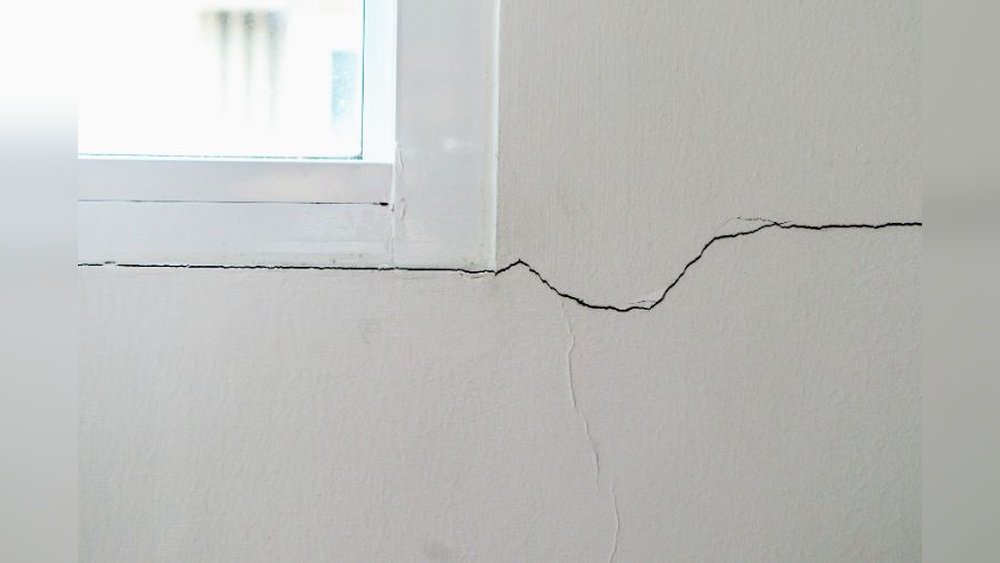
These minor imperfections can range from thin fissures in drywall corners to slightly wider gaps along trim. They can appear in various locations, including around windows and doors, at ceiling and wall junctions, or even across larger wall surfaces. The root cause is almost always related to the natural processes a newly constructed house undergoes as it matures.
From the drying of materials to the subtle shifts in the foundation, several factors contribute to these cosmetic issues. This article will explore the primary reasons behind wall cracks in new homes, differentiate between minor settling and more serious structural concerns, and provide guidance on how to manage and repair them.
Key Takeaways
- Settling is Normal: New homes experience natural settling as materials dry and the structure adjusts to its environment, leading to minor cracks.
- Material Expansion/Contraction: Temperature fluctuations and humidity changes cause building materials like wood and drywall to expand and contract, stressing joints and creating cracks.
- Moisture Content: Excess moisture in newly installed materials, especially wood framing, can shrink as it dries, pulling joints apart and causing cracks.
- Foundation Movement: While less common for minor cracks, significant foundation shifts due to soil conditions or poor construction can cause more substantial wall damage.
- Drywall Installation: Techniques like improper joint taping or mudding can lead to cracks, particularly at seams and corners.
- Distinguishing Serious Cracks: Diagonal cracks, those wider than a dime, or cracks accompanied by uneven floors or sticking doors may indicate structural issues requiring professional assessment.
- Repair Strategies: Minor cracks are typically repaired with spackling compound and paint, while larger or structural cracks need more involved solutions.

Credit: garrattsdamp.com
The Science Of Settling: Why New Houses Shift
A new house is a dynamic structure, especially in its first few years. It’s not a static object but a collection of materials that are still undergoing changes. The most significant factor contributing to cracks is the natural settling of the building. This process is a combination of several physical phenomena that occur as the house establishes itself on its foundation and its components acclimatize to their surroundings.
Drying And Shrinkage Of Structural Materials
One of the primary drivers of settling is the moisture content in the building materials themselves. Wood, the primary framing material for most modern homes, is typically kiln-dried before use, but it still contains residual moisture. When lumber is used in construction, it continues to dry out and shrink as it acclutes to the ambient humidity and temperature of the finished house. This shrinkage is not uniform across all pieces of lumber, and it can cause slight movements in the framing.
For instance, studs, joists, and rafters might shrink at different rates. As these wooden components subtly change dimension, they can pull away from nails or screws, or exert pressure on adjacent materials like drywall. This movement is often imperceptible to the naked eye but is enough to stress the joints in drywall, particularly at corners and where different planes meet.
Think of it like a piece of wood slowly drying out and warping; a house frame is a much larger, more complex version of this. The cumulative effect of many small movements across the entire structure can manifest as visible cracks.
Foundation Compression And Soil Consolidation
The foundation of a house is its base, and it rests on the soil. When a new house is built, the weight of the structure compresses the soil beneath it. This soil consolidation is a gradual process, especially in soils with high clay content, which can hold a lot of water and compress significantly. As the soil compacts, the foundation can sink ever so slightly.
While modern foundations are designed to minimize this effect, even minor, uniform settling of the foundation can cause stresses to travel up through the walls. If the foundation settles unevenly, the stresses become more pronounced and can lead to more significant cracking.
The extent of foundation movement is heavily influenced by the type of soil, local groundwater levels, and the quality of the foundation engineering and construction. In most cases, the settling is minimal and results in only superficial cracks, but it’s a crucial part of the initial aging process for any new home.
Thermal Expansion And Contraction
Building materials are subject to the laws of physics, and one of the most fundamental is thermal expansion and contraction. Nearly all materials expand when heated and contract when cooled. In a house, this happens daily and seasonally. Wood, metal, concrete, and even drywall will expand and contract with changes in temperature.
When different materials are joined together, their differing rates of expansion and contraction can create internal stresses. For example, wood framing might expand more than drywall during a hot summer day. This can push drywall outwards, and as it cools in the evening, it contracts, potentially pulling away from the framing or causing stress at the joints.
Over time, these repeated cycles of expansion and contraction can widen small gaps or create new ones, leading to the appearance of cracks, especially in areas where materials meet at right angles, such as corners or around windows and doors.
Credit: gosmartbricks.com
Common Culprits: Where And Why Cracks Appear
Understanding the general principles of settling is helpful, but pinpointing the specific locations where cracks commonly appear in new homes can offer further insight into their cause. Different locations are susceptible to particular types of stress.
Cracks At Drywall Joints And Corners
Perhaps the most frequent type of crack in new homes appears at the seams between drywall panels or in the internal and external corners of rooms. Drywall panels are typically joined together, and the resulting seam is covered with joint tape and multiple layers of joint compound (mud). This process is designed to create a smooth, seamless surface.
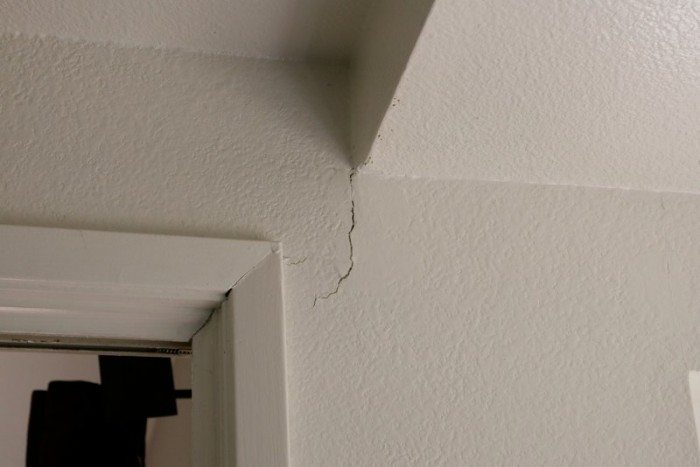
However, the tape and mud are relatively thin materials. If the underlying wood framing shrinks or shifts, it can cause the tape to pull away from the drywall, or the mud to crack. In corners, especially where two walls meet, or where a wall meets a ceiling, the movement of the framing can create shear forces that exceed the tensile strength of the joint compound, leading to characteristic cracks that run along the tape line. In external corners, the stress is often more pronounced.
Cracks Around Windows And Doors
Windows and doors are openings in the wall structure, and they are typically framed with wood. The framing around these openings, known as the buck or jamb, is crucial for structural integrity and for supporting the load from above. As the house settles and the framing materials dry and shrink, the buck can shift slightly.
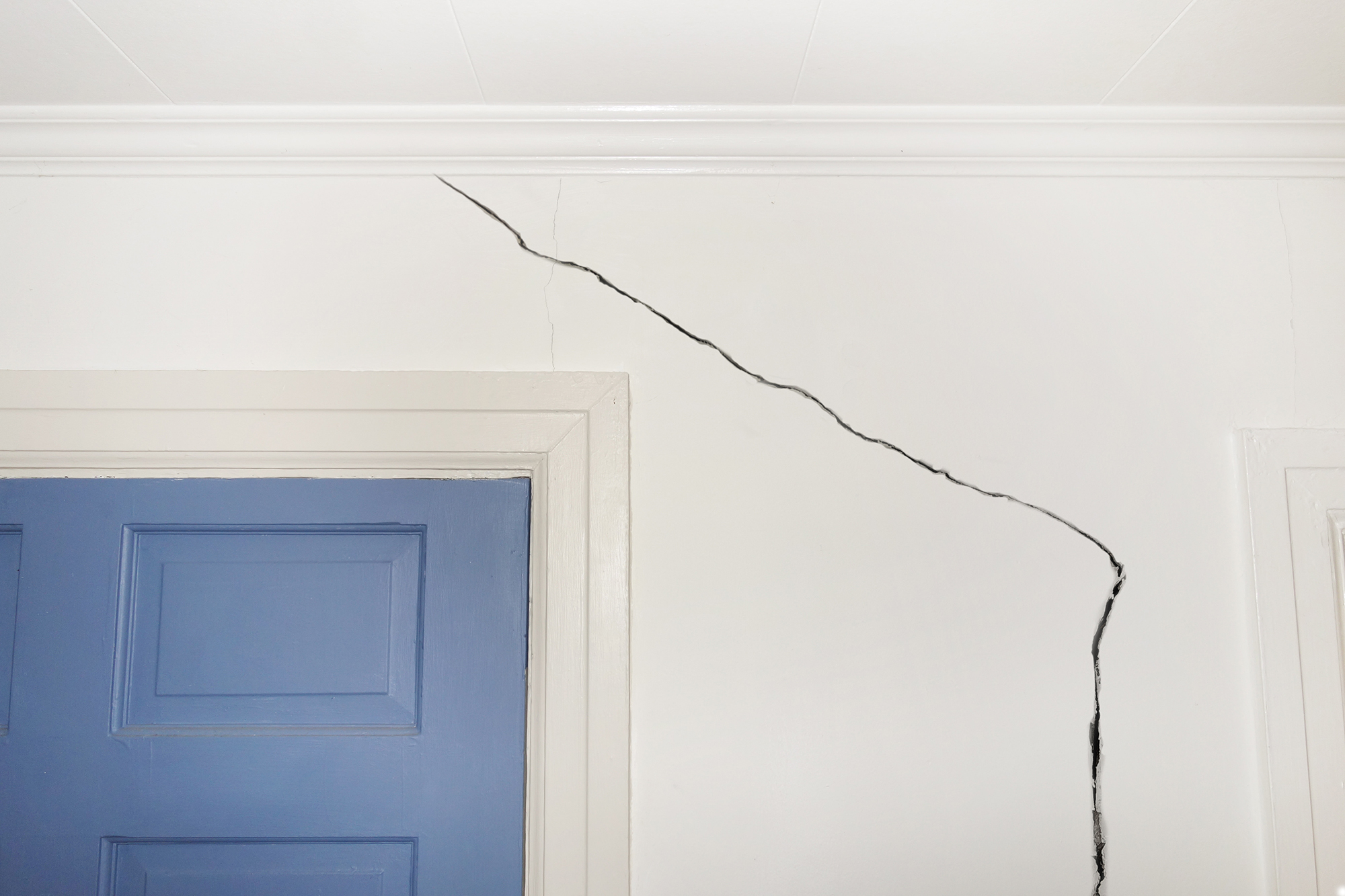
This movement can cause cracks to appear in the drywall adjacent to the window or door frames. Often, these cracks will run diagonally from the corners of the frames, following the path of least resistance. The trim around windows and doors can also become loose if the underlying framing moves, creating a gap that might be mistaken for a crack in the wall itself.
Ceiling Cracks
Ceilings are particularly susceptible to cracks due to the weight of the materials above and the way they are supported. Ceiling joists, like wall studs, are made of wood and can shrink. Additionally, if there’s an attic or second floor above, the weight can cause the ceiling joists to deflect slightly.
Cracks on the ceiling often appear along the junction where the wall meets the ceiling, similar to corner cracks in walls. They can also appear in the middle of the ceiling, particularly if there are two drywall panels joined together. If there are any imperfections in the drywall installation, such as inadequate support or improper staggering of seams, these can become points of weakness that develop into cracks as the house settles.
Hairline Cracks On Large Wall Surfaces
Occasionally, you might notice very fine, hairline cracks appearing across large, flat expanses of drywall. These are often less dramatic than corner or joint cracks and can be caused by a variety of factors, including:
- Inconsistent Drying: If the drywall sheets themselves were installed with slightly different moisture levels, or if they dry out unevenly in the home, it can cause minor surface stresses.
- Impact or Stress: Even minor impacts during the construction or finishing process, or stress from furniture leaning against a wall, can create micro-fractures that become visible over time.
- Paint Film Stress: The paint layer itself can sometimes develop fine cracks if it’s applied too thickly, or if it’s subjected to rapid temperature changes before it has fully cured. These are typically very superficial and only affect the paint layer.
Credit: www.homesandgardens.com
Beyond Settling: Other Contributing Factors
While settling is the most common reason for cracks in new homes, other factors can contribute to or exacerbate the problem. Understanding these can help in diagnosing the issue and determining the appropriate course of action.
Moisture Issues
Excess moisture during or immediately after construction is a significant contributor to cracking. If lumber framing is installed while still very wet, its subsequent shrinkage will be more pronounced. This is especially true if the house is closed up tightly during construction, trapping humidity.
- Rain Intrusion: Leaks from rain during construction, or from improperly sealed windows and doors, can saturate framing members and drywall. As these areas dry out, the shrinkage can be significant, leading to larger cracks.
- Plumbing Leaks: Although less common in brand-new construction, a small plumbing leak behind a wall can introduce moisture, causing materials to swell and then shrink, leading to cracks.
- High Humidity: If a new home is not properly ventilated, particularly in bathrooms and kitchens, or if there are issues with HVAC systems, high indoor humidity can cause materials to swell, and then contract as the humidity drops, stressing joints.
Construction Quality And Techniques
The quality of workmanship plays a crucial role in how well a house withstands the settling process. Even with the best materials, poor construction techniques can lead to a higher incidence of cracks.
- Drywall Installation: Improperly installed drywall tape is a common culprit. If the tape isn’t embedded properly in the joint compound, or if it’s applied too loosely, it’s much more likely to crack as the framing moves. Over-sanding or applying too much pressure can also weaken the tape.
- Fastening: If drywall is not adequately fastened to the studs, or if screws are overdriven (which can tear the paper face of the drywall), it creates weak points.
- Mudding and Taping: Applying joint compound too thinly, or not allowing adequate drying time between coats, can lead to premature cracking. The mud needs to form a solid, cohesive layer to bridge the gaps between drywall panels effectively.
Soil And Site Conditions
The ground on which the house is built has a profound impact on its stability. Certain soil types are more prone to movement than others.
- Expansive Soils: Soils with a high clay content, like bentonite, can absorb large amounts of water and swell significantly. When they dry out, they shrink just as dramatically. This constant cycle of expansion and contraction can cause substantial movement in the foundation, leading to more pronounced wall cracks.
- Poor Drainage: If the site is not properly graded, or if drainage systems are inadequate, water can pool around the foundation. This constant saturation can lead to soil expansion and hydrostatic pressure against the foundation walls, potentially causing movement and cracks.
- Compaction: If the soil beneath the foundation was not adequately compacted before construction, it will continue to settle over time, leading to a more significant and prolonged settling process for the house.
When To Worry: Distinguishing Minor Cracks From Structural Issues
While most cracks in new homes are cosmetic and related to settling, it’s essential to know when a crack might signal a more serious structural problem. Early detection and intervention are key to preventing minor issues from becoming major, costly repairs.
Characteristics Of Serious Cracks
Several indicators suggest a crack is more than just a cosmetic annoyance:
- Width: Cracks wider than 1/8th of an inch (about the thickness of a dime) are generally considered more serious. Hairline cracks (less than 1/16th of an inch) are typically normal settling.
- Diagonal Orientation: Cracks that run diagonally across a wall, especially from the corners of windows or doors upwards or downwards, can indicate that the foundation or framing is shifting.
- Stair-Step Cracks: In brick or block construction, stair-step cracks that follow the mortar lines are often a sign of foundation movement or differential settling.
- Cracks That Widen Over Time: If you notice a crack that is steadily getting larger, or if it reappears after being repaired, this suggests an ongoing issue that needs professional attention.
- Associated Problems: Cracks are more concerning if they are accompanied by other symptoms of structural distress, such as:
- Doors or windows that stick or don’t close properly.
- Uneven or sloping floors.
- Gaps appearing around door or window frames.
- Cracks in the foundation itself.
- Visible bowing or sagging of walls or ceilings.
Examples Of Structural Crack Patterns
Let’s consider a few scenarios:
Scenario 1: Normal Settling Crack
A thin, hairline crack appears along the top corner of a door frame, running about 12 inches up the wall. It’s only visible when the light hits it at a certain angle. This is likely due to minor shrinkage of the wood framing around the door opening.
Scenario 2: Potential Structural Issue
A crack, approximately 1/4 inch wide, runs diagonally from the top corner of a large living room window all the way to the ceiling. Simultaneously, the door on the opposite side of the room has started to stick, and you notice a slight dip in the floor near the center of the room.
This combination of symptoms suggests a more significant issue, possibly related to foundation settlement or framing stress.
Scenario 3: Brickwork Concern
In a brick veneer house, you observe several cracks that follow the mortar lines in a stair-step pattern across a section of the exterior wall. This is often indicative of the foundation beneath that section of the wall settling more than the surrounding areas.
When To Call A Professional
If you observe any of the characteristics of serious cracks, or if you have multiple cracks that are concerning you, it’s wise to consult a qualified professional. This could be:
- A Structural Engineer: They can assess the integrity of your home’s structure and identify the root cause of significant cracking.
- A Reputable Contractor: Experienced contractors, particularly those specializing in foundation repair or structural issues, can diagnose problems and recommend solutions.
- Your Home Builder: In the first year or two, your builder may be responsible for addressing certain types of defects under warranty. Review your warranty documents carefully.
Managing And Repairing Cracks In New Homes
Fortunately, most cracks that appear in new homes are cosmetic and can be repaired relatively easily. The key is to address them at the right time and with the appropriate methods.
The “wait And See” Approach
For very fine, hairline cracks, especially those that appear within the first year of ownership, a common recommendation is to wait and see. The house will continue to settle and acclimatize for the first 1-2 years. If you repair a crack too early, it’s quite possible that the underlying movement will cause the crack to reappear shortly after.
Once the house has settled for a while (often around the first anniversary), and you notice the cracks have stabilized and are no longer widening, then it’s a good time to consider repairs. This approach allows the majority of the natural movement to occur before you invest time and money in cosmetic fixes.
Diy Repair For Minor Cracks
For most cosmetic cracks, a simple DIY repair is often sufficient. The process typically involves:
- Cleaning the Crack: Remove any loose debris or paint from the crack using a putty knife or utility knife.
- Sanding: Lightly sand the area around the crack to create a smooth surface for the filler.
- Applying Filler: Use a good quality spackling compound or joint compound (mud). For hairline cracks, a lightweight spackle is often adequate. For slightly wider cracks, a vinyl-based joint compound might be more durable. Apply the compound with a putty knife, pressing it firmly into the crack to ensure it’s filled completely. For wider cracks, you might need to apply multiple thin coats, allowing each to dry and lightly sanding between coats.
- Taping (for wider cracks): If the crack is wider than 1/8 inch, consider embedding a piece of drywall tape (paper or fiberglass mesh) into the first coat of joint compound. This provides reinforcement.
- Sanding Smooth: Once the compound is completely dry, sand the repaired area smooth with fine-grit sandpaper until it’s flush with the surrounding wall.
- Priming and Painting: Apply a coat of primer to the repaired area to seal it and ensure even paint coverage. Then, paint the wall with matching paint. You may need to paint the entire wall from corner to corner to avoid noticeable patches.
Professional Repair For Larger Or Recurring Cracks
If cracks are wider, more extensive, or if they repeatedly reappear after DIY repairs, it’s time to call in the professionals.
- Drywall Specialists: For issues related to drywall joints, corners, or larger surface cracks, a skilled drywall contractor can re-tape, re-mud, and ensure a smooth, durable finish. They have the experience to identify underlying causes of recurring cracks related to drywall installation.
- General Contractors: For more complex issues that might involve minor framing adjustments or more significant plaster repair, a general contractor can manage the project.
- Structural Engineers: As mentioned, if there’s any suspicion of a structural problem, a structural engineer is the first point of contact. They will provide a detailed report and recommendations, which can then be given to contractors for execution.
Preventative Measures And Maintenance
While you can’t entirely prevent settling cracks in a new home, some preventative measures and good maintenance practices can minimize their occurrence and impact.
Proper Ventilation And Humidity Control
Maintaining consistent indoor humidity levels is crucial. Use exhaust fans in bathrooms and kitchens, and consider a dehumidifier in humid climates or a humidifier in dry ones. Aim for a relative humidity between 30% and 50%. This helps to minimize the expansion and contraction of building materials.
Regular Inspections
Periodically inspect your walls and ceilings, especially during the first few years. Look for new cracks or widening of existing ones. Pay attention to areas around windows, doors, and ceiling/wall junctions. Early detection makes repairs easier and less costly.
Addressing Water Intrusion Promptly
Ensure that gutters are clean and directing water away from the foundation. Check for any signs of leaks around windows, doors, and plumbing fixtures. Promptly address any water intrusion issues, as moisture is a significant enemy of building materials.
Understanding Your Warranty
Familiarize yourself with your new home warranty. Many builders offer a warranty that covers structural defects for several years. Understanding what is covered and for how long can be invaluable if you encounter more serious issues. Typically, there’s a period for cosmetic defects (often within the first year) and longer periods for structural components.
Frequently Asked Questions
What Is The Typical Lifespan Of A New Home Warranty For Cosmetic Issues?
Most new home warranties cover cosmetic issues, such as minor drywall cracks and nail pops, for a limited period, typically the first year of ownership. This period is designed to allow for the initial settling and acclimatization of the house. After the first year, these types of issues are often considered the homeowner’s responsibility to repair.
Can Painting A New House Prevent Cracks?
While a fresh coat of paint can sometimes bridge very fine hairline cracks temporarily, painting does not prevent cracks caused by structural settling or material movement. In fact, painting too early, before the house has had a chance to settle, can sometimes lead to cracks appearing *through* the paint layer. It’s generally recommended to wait for the majority of the settling to occur before undertaking significant painting projects, or to be prepared for touch-ups.
Are Cracks In New Construction Covered By Insurance?
Standard homeowner’s insurance policies typically do not cover damage caused by normal settling, wear and tear, or poor maintenance. They are designed to cover sudden, accidental, and external events like fire, windstorms, or vandalism. If a crack is caused by a covered peril (e.g., a major foundation shift due to an earthquake or flood), then insurance might apply, but the underlying cause is critical. Always check your specific policy details.
How Long Does It Take For A New House To Stop Settling?
The most significant settling typically occurs within the first 1-2 years after construction. During this period, the building materials dry out, the soil beneath the foundation consolidates, and the structure adjusts to its environment. While some minor settling might continue for longer, most noticeable movement and the associated cracks will usually stabilize within this initial timeframe.
What Is The Difference Between Drywall Tape And Joint Tape?
In the context of home construction, drywall tape and joint tape are often used interchangeably, referring to the material used to cover seams between drywall panels. There are different types, including paper tape (which is embedded in wet joint compound) and fiberglass mesh tape (which is often self-adhesive and applied before the joint compound). Both serve the purpose of reinforcing the joint and preventing cracks.
The appearance of cracks in a new home can be unsettling, but understanding the underlying causes, primarily the natural settling process, can alleviate much of the anxiety. Most cracks are minor, cosmetic issues that arise as a house matures and its