
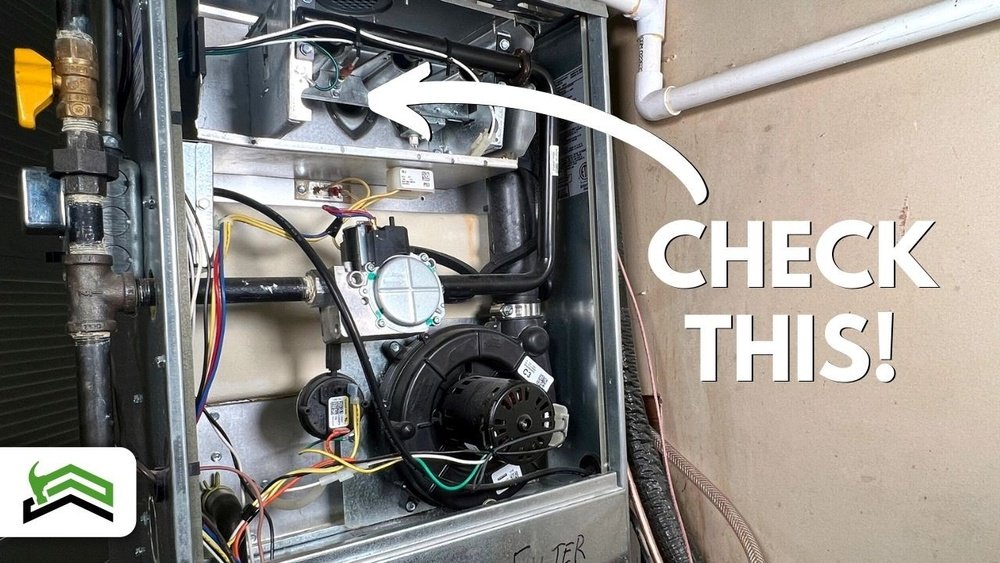
A sudden chill can be more than just uncomfortable; it can be a sign of a serious problem with your home’s heating system. When your furnace fails to turn on, it leaves you in the dark, or rather, the cold.
This is a common household issue, especially during the peak of winter, and understanding the potential causes can save you time, money, and a lot of inconvenience. From simple tripped breakers to more complex mechanical failures, a furnace that won’t ignite requires a systematic approach to diagnose and resolve.
This guide aims to equip you with the knowledge to troubleshoot your furnace when it decides to go on strike. We’ll explore the most frequent culprits behind a furnace that refuses to start, offering step-by-step solutions for homeowners and highlighting when it’s time to call in the professionals.
By understanding the inner workings and common pitfalls of your heating system, you can better assess the situation and ensure your home stays warm and cozy throughout the colder months.
Key Takeaways
- Power Supply Issues: The most common reason a furnace won’t turn on is a lack of power, often due to a tripped circuit breaker, a blown fuse, or a faulty switch.
- Thermostat Problems: A malfunctioning thermostat, incorrect settings, or low batteries can prevent the furnace from receiving the signal to heat.
- Safety Features: Furnaces have built-in safety mechanisms, like a tripped limit switch or a blocked flue, that will prevent operation if a dangerous condition is detected.
- Ignition System Failures: Problems with the pilot light, ignitor, or flame sensor can stop the furnace from igniting the gas.
- Airflow Blockages: Dirty air filters or blocked vents can trigger safety shutdowns or prevent the system from cycling properly.
- Mechanical Component Failure: Internal parts like the blower motor, inducer motor, or gas valve can fail, requiring professional repair.
- When to Call a Pro: Minor issues like resetting a breaker or changing a filter can often be handled by a homeowner, but complex electrical or mechanical problems necessitate calling a qualified HVAC technician.
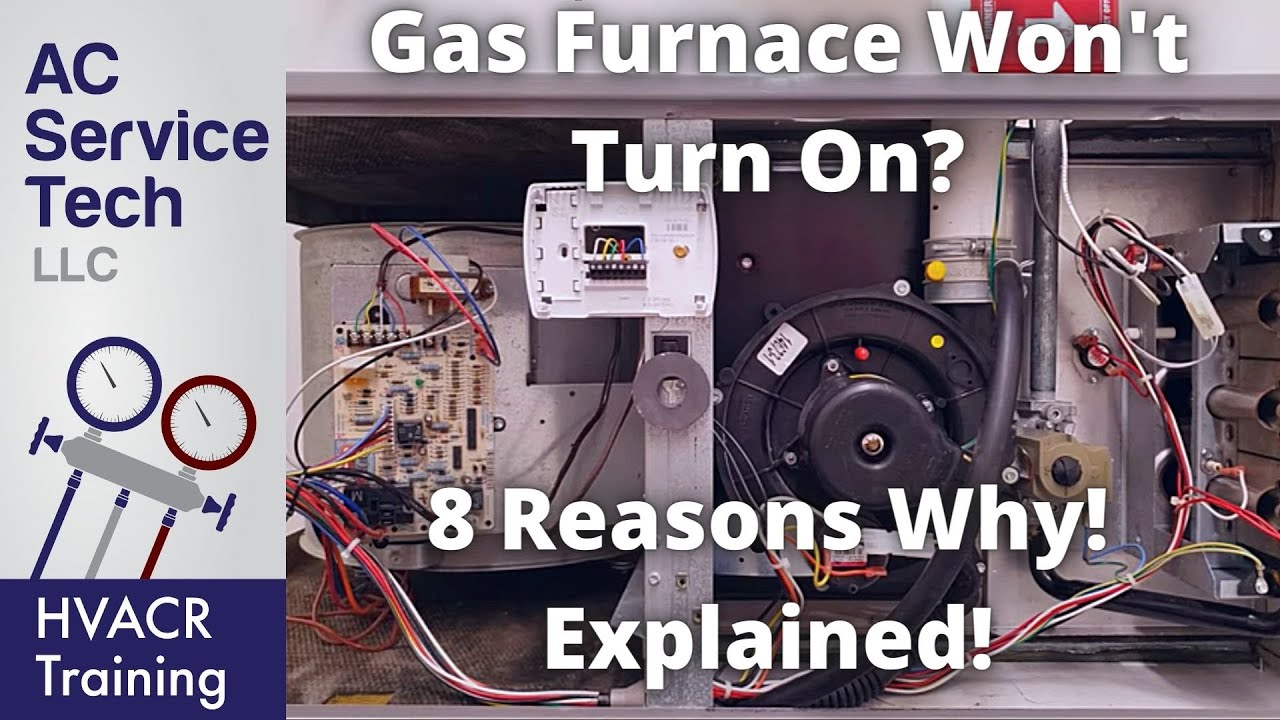
Credit: www.youtube.com
Power Supply: The First Check
The most straightforward reason your furnace might not be turning on is a simple interruption in its power supply. Before diving into more complex diagnostics, it’s crucial to rule out any issues with the electricity reaching your heating system. This is often the easiest fix and can save you the cost of a service call.
Checking The Circuit Breaker Or Fuse
Furnaces, like other major appliances, are typically connected to a dedicated circuit breaker or fuse in your home’s electrical panel. Over time, power surges or system malfunctions can cause this breaker to trip or the fuse to blow, effectively cutting off power to the furnace.
How to Check:
- Locate Your Electrical Panel: This is usually found in a basement, garage, utility room, or hallway closet.
- Identify the Furnace Breaker: Look for a breaker labeled “Furnace,” “Heating,” “HVAC,” or a similar designation. Sometimes, it might be grouped with other appliances. If you’re unsure, you can try flipping breakers one by one, but be cautious.
- Inspect the Breaker: A tripped breaker will typically be in a middle position between “On” and “Off,” or it might appear to be in the “Off” position. If it’s tripped, firmly push it to the “Off” position, and then flip it back to the “On” position.
- Check Fuses (if applicable): Older homes might have fuses instead of breakers. If you find a blown fuse (the wire inside will be broken or discolored), replace it with a new one of the exact same amperage. Never use a fuse with a higher rating, as this is a fire hazard.
Pro Tip: If the breaker trips again immediately after resetting, or if you repeatedly blow fuses, this indicates a more serious electrical problem within the furnace or its wiring that requires professional attention. Do not keep resetting it, as this can cause further damage or pose a safety risk.
Inspecting The Furnace Power Switch
Many furnaces have a separate power switch, often located on the unit itself or on an adjacent wall. This switch is usually a simple on/off toggle or a pull-chain switch. It’s designed to provide a local disconnect for safety during maintenance.
How to Check:
- Locate the Switch: This is typically found near the furnace itself, often on the side of the unit or on a nearby wall. It might be a standard light switch or a red emergency shut-off button.
- Ensure it’s in the “On” Position: If the switch is off, simply flip it to the “On” position.
- Listen for the Furnace: After turning the switch on, listen to see if the furnace begins its startup sequence.
Warning: If this switch has been accidentally bumped or turned off, it’s an easy fix. However, if it’s consistently in the “Off” position without explanation, there might be an underlying issue that caused it to be shut down.

Credit: www.hurleyanddavid.com
Thermostat Troubles: The Brain Of Your System
The thermostat is the command center for your heating system. If it’s not functioning correctly, or if it’s set improperly, your furnace will never receive the signal to turn on, even if all other components are working perfectly.
Incorrect Thermostat Settings
This might sound obvious, but it’s a surprisingly common oversight. People often forget to adjust their thermostat settings after a period of not using the heat, or they might inadvertently change a setting.
How to Check:
- Verify the Mode: Ensure the thermostat is set to “Heat” mode, not “Cool” or “Fan Only.”
- Check the Temperature Setting: Make sure the desired temperature is set higher than the current room temperature. For example, if it’s 68°F in your home and you set the thermostat to 65°F in heat mode, it won’t turn on because the desired temperature has already been reached. Increase the setpoint to a warmer temperature (e.g., 72°F) to initiate heating.
- Look for a Schedule: If you have a programmable or smart thermostat, check its schedule. It’s possible that the current time falls within a scheduled “off” or “eco” period. You may need to temporarily override the schedule or adjust it.
Low Or Dead Thermostat Batteries
Many modern thermostats, especially digital and smart models, rely on batteries to maintain their settings and operate. If these batteries are low or dead, the thermostat may not be able to communicate effectively with the furnace.
How to Check:
- Look for a Battery Indicator: Most digital thermostats have a battery icon that shows the charge level. If it’s flashing or empty, the batteries need replacing.
- Replace Batteries: Carefully remove the thermostat cover (it usually snaps off or has small screws). Replace the old batteries with new ones of the correct type and size.
- Test the System: After replacing the batteries, allow the thermostat a minute to power up, then set it to heat and check if the furnace responds.
Example: I once visited a client in the middle of a blizzard who claimed their furnace was dead. After checking the breaker and verifying the thermostat settings, I noticed the low battery indicator. Swapping out two AA batteries took less than a minute, and the heat immediately kicked back on, much to their relief.
Faulty Thermostat
If the settings are correct, the batteries are fresh, and the thermostat is still not calling for heat, the thermostat itself might be malfunctioning. The internal components can wear out over time, or a wiring issue could be present.
How to Check (Advanced Homeowner/Professional):
- Check for Power: Many thermostats have a common wire (C-wire) that provides continuous power. If this connection is loose or broken, the thermostat might not function.
- Test Thermostat Signals: A qualified HVAC technician can use a multimeter to test if the thermostat is sending the correct voltage signals to the furnace when calling for heat.
If you suspect a faulty thermostat, replacement is usually the solution. For smart thermostats, ensure it’s properly connected to your Wi-Fi network and that the app is functioning correctly.
Safety First: Furnace Safety Mechanisms
Modern furnaces are equipped with numerous safety features designed to prevent damage to the unit and, more importantly, to protect your home and family from potential hazards like gas leaks or carbon monoxide. When these safety devices detect an issue, they will prevent the furnace from operating.
The Limit Switch
The limit switch, or high-limit switch, is designed to prevent the furnace from overheating. It monitors the temperature inside the furnace’s heat exchanger. If the temperature exceeds a safe threshold, the limit switch will shut off the furnace to prevent damage.
Common Causes for Tripped Limit Switch:
- Blocked Airflow: A dirty air filter or blocked vents can restrict airflow, causing the furnace to overheat.
- Faulty Blower Motor: If the blower motor isn’t circulating air properly, heat can build up inside the exchanger.
- Over-Sized Furnace: A furnace that is too powerful for the home can heat up too quickly, triggering the limit switch.
How to Check (After Addressing Potential Causes):
- Check Air Filter and Vents: Ensure your air filter is clean and that all supply and return vents are open and unobstructed.
- Listen to the Blower: When the furnace *should* be running, listen for the blower motor. If you don’t hear it, or if it sounds strained, it might be the culprit.
- Resetting the Limit Switch: In some cases, the limit switch can be manually reset. It often looks like a small button on the switch itself. However, it’s crucial to identify and fix the underlying cause of the overheat before resetting. If the problem persists, the switch itself might be faulty.
The Flame Sensor
The flame sensor is a critical safety component that ensures gas is only flowing when a flame is present. It sits in the path of the pilot light or main burner flame. If it detects a flame, it sends a signal to the gas valve allowing gas to continue flowing.
If it doesn’t detect a flame (e. g. , the pilot light is out, or the burners aren’t igniting), it will shut off the gas supply.
Common Causes for Flame Sensor Issues:
- Dirty or Fouled Sensor: Soot or debris can accumulate on the flame sensor, preventing it from accurately detecting the flame.
- Misalignment: The sensor might be slightly out of position, not directly in the flame.
- Faulty Sensor: The sensor itself may have failed.
How to Check and Clean:
- Locate the Flame Sensor: It’s usually a thin metal rod positioned directly in front of the main burner assembly or pilot light.
- Carefully Remove: Gently unscrew or unclip the sensor from its bracket.
- Clean Gently: Use fine-grit sandpaper or a soft cloth with a bit of steel wool to gently clean off any soot or corrosion. Avoid using harsh chemicals.
- Reinstall: Re-secure the sensor in its original position, ensuring it’s properly aligned with the burner.
- Test the System: Turn the furnace back on and see if it ignites.
Warning: If you smell gas at any point during this process, immediately turn off the furnace, leave the area, and call your gas company or emergency services.
Rollout Switch And Vent Safety
Furnaces have safety switches that monitor for “rollout,” which is when the flame incorrectly burns outside the combustion chamber. This can happen due to a blocked flue or a malfunctioning inducer motor. There are also safety checks for the flue itself to ensure proper venting of combustion gases.
How to Check:
- Inspect the Flue: Ensure the exhaust vent pipe (usually on the exterior of your house or on the roof) is not blocked by snow, ice, debris, or animal nests.
- Check the Inducer Motor: This small motor is responsible for drawing exhaust gases out of the furnace and pushing them up the flue. If it’s not running or is making unusual noises, it could be the cause.
If you suspect a problem with the rollout switch or flue venting, it’s best to contact an HVAC professional. These are critical safety systems, and improper venting can lead to dangerous carbon monoxide buildup.

Credit: www.youtube.com
Ignition System Problems: No Spark, No Heat
The ignition system is responsible for lighting the gas that heats your home. If this system fails, the furnace will not produce heat, even if it’s receiving power and calling for heat. There are two main types of ignition systems: standing pilot lights and electronic ignition.
Standing Pilot Light Issues
Older furnaces often use a standing pilot light, which is a small flame that is always on, ready to ignite the main burners when the thermostat calls for heat.
Common Problems:
- Pilot Light Out: The pilot light may have gone out due to a draft, a dirty thermocouple, or a problem with the gas supply.
- Faulty Thermocouple: The thermocouple is a safety device that senses the pilot flame. If it’s dirty, worn out, or misaligned, it won’t signal the gas valve to stay open, and the pilot light will go out or fail to stay lit.
- Dirty Pilot Orifice: The small opening where the pilot gas flows can become clogged.
How to Re-light a Standing Pilot:
- Locate the Pilot Assembly: Find the small gas tube and burner assembly near the main burners.
- Follow Manufacturer Instructions: Most furnaces have instructions printed on a label near the gas control valve. Typically, you’ll need to:
- Turn the gas control knob to “Pilot.”
- Push and hold the knob down to allow gas to flow to the pilot.
- Light the pilot with a long lighter or match.
- Continue holding the knob down for 30-60 seconds after the pilot ignites to heat the thermocouple.
- Slowly release the knob. If the pilot stays lit, turn the knob to “On.”
- If it Won’t Stay Lit: If the pilot light goes out as soon as you release the knob, the thermocouple is likely the issue. It may need cleaning or replacement.
Electronic Ignition Failures
Modern furnaces use electronic ignition systems, which are more energy-efficient as they only ignite the burners when needed. There are two main types:
- Intermittent Pilot Ignition (IPI): A pilot flame is ignited electronically only when the thermostat calls for heat.
- Hot Surface Ignitor (HSI): A silicon carbide or nitride element heats up to a glowing red temperature, igniting the main burners directly. This is the most common type in newer furnaces.
Common Problems with Electronic Ignition:
- Faulty Hot Surface Ignitor: The HSI can crack or burn out over time. When it fails to heat up to the required temperature, it won’t ignite the gas. You might see it glow faintly or not at all.
- Ignition Control Module Failure: This module controls the ignition sequence. If it malfunctions, it can prevent the ignitor from activating or fail to signal the gas valve.
- Flame Sensor Issues (as described above): A dirty or faulty flame sensor can also prevent ignition, even if the ignitor is working.
How to Check an HSI:
- Observe the Startup Sequence: When the thermostat calls for heat, listen and watch. You should hear the inducer motor start, followed by a clicking sound (if applicable) and then the glow of the HSI. After a brief pause, the main burners should ignite.
- Visual Inspection: If the HSI doesn’t glow, or glows very dimly, it’s likely faulty and needs replacement. This is a common DIY replacement for many homeowners, but requires careful handling as HSIs are fragile.
- Professional Diagnosis: If the HSI appears to be working but the burners aren’t igniting, the issue could be with the gas valve, flame sensor, or control board, requiring a technician.
Airflow And Filtration: Keeping Things Moving
Proper airflow is essential for your furnace to operate efficiently and safely. Restricted airflow can lead to overheating, reduced performance, and premature component failure. The most common culprits are dirty air filters and blocked vents.
Dirty Air Filters
The air filter in your furnace traps dust, pollen, and other airborne particles, preventing them from reaching the furnace’s internal components and circulating throughout your home. A clogged filter significantly restricts airflow.
Signs of a Clogged Filter:
- Reduced heating performance (less warm air coming from vents).
- Furnace overheating and shutting off prematurely.
- Visible dirt buildup around the filter housing.
- Increased energy bills due to the furnace working harder.
Replacement Schedule:
- Standard fiberglass filters: Replace every 1-2 months.
- Pleated media filters: Replace every 3-6 months.
- High-efficiency filters: Can last 6-12 months, but check manufacturer recommendations.
How to Replace:
- Turn Off Furnace Power: Always shut off power to the furnace at the breaker or switch before changing the filter.
- Locate the Filter: It’s usually in the return air duct, near the furnace, or sometimes in a wall or ceiling return vent.
- Note Airflow Direction: Filters have an arrow indicating the direction of airflow. Ensure the new filter is installed correctly.
- Remove Old Filter: Slide out the old, dirty filter.
- Install New Filter: Slide in the new filter, making sure it’s snug and the arrow points in the correct direction.
- Restore Power: Turn the furnace power back on.
Data Point: According to the U.S. Department of Energy, regularly changing your furnace filter can improve efficiency by 5% to 15%.
Blocked Vents And Ducts
Even with a clean filter, blocked vents or obstructions in your ductwork can impede airflow. This includes furniture blocking registers, closed dampers, or debris accumulated within the ducts.
How to Check:
- Inspect All Vents: Walk through your home and ensure all supply and return air vents are clear of furniture, rugs, curtains, or any other obstructions.
- Check Dampers: Some duct systems have manual dampers that can be opened or closed. Ensure these are in the open position for heating season.
- Listen for Airflow: Feel the airflow coming from each supply vent. Uneven or weak airflow from multiple vents could indicate a larger ductwork issue.
Blower Motor Issues
The blower motor is responsible for circulating the heated air throughout your home. If the blower motor fails, you won’t get any air movement, even if the furnace heats up.
Signs of Blower Motor Failure:
- No air coming from vents at all.
- Unusual noises (grinding, squealing) from the furnace.
- The furnace heats up, but the blower doesn’t kick on.
Diagnosis and Repair: Blower motor issues often require professional diagnosis. The motor might need cleaning, lubrication, or replacement. Sometimes, a faulty capacitor can prevent the motor from starting.
Internal Component Failures: When Parts Wear Out
Over time, the various mechanical and electrical components within your furnace can wear out or fail. These issues often require specialized knowledge and tools to diagnose and repair.
Gas Valve Malfunction
The gas valve controls the flow of natural gas or propane to the burners. If it fails, it can prevent gas from reaching the burners, even if the ignition system is trying to light it.
Symptoms:
- The ignitor glows or pilot lights, but the burners never ignite.
- A faint smell of gas when the furnace attempts to start (though this can also indicate a leak, which is an emergency).
Diagnosis and Repair: Gas valves are complex and potentially dangerous components. Any suspected issue requires immediate attention from a qualified HVAC technician.
Inducer Motor Failure
As mentioned earlier, the inducer motor is crucial for expelling combustion gases. If it fails, safety switches will typically prevent the furnace from operating to avoid dangerous exhaust gas buildup.
Symptoms:
- The furnace doesn’t start its heating cycle.
- You might hear a clicking sound, but the inducer motor doesn’t spin.
- Error codes displayed on the furnace control board.
Diagnosis and Repair: A technician can test the motor and its electrical connections. Replacement is often necessary if the motor has failed.
Control Board Issues
The control board (or circuit board) is the “brain” of the furnace, orchestrating the entire startup and operation sequence. If it malfunctions, it can cause a wide range of problems, including the furnace not turning on at all.
Symptoms:
- No response when the thermostat calls for heat.
- Furnace starts and stops erratically.
- Error codes displayed (if your furnace has a diagnostic panel).
- Specific components not receiving power.
Diagnosis and Repair: Diagnosing control board issues involves checking voltage signals to various components. Replacement is usually the solution if the board is faulty, and this is a job for a professional.
When To Call A Professional Hvac Technician
While some furnace issues are simple enough for a homeowner to address, many require the expertise of a trained professional. It’s crucial to know when to stop troubleshooting yourself and call in the experts to ensure safety and proper repair.
Safety Concerns
Any situation involving potential gas leaks, electrical shorts, or carbon monoxide concerns should be immediately handled by a professional. If you smell a strong gas odor, evacuate your home and call your