
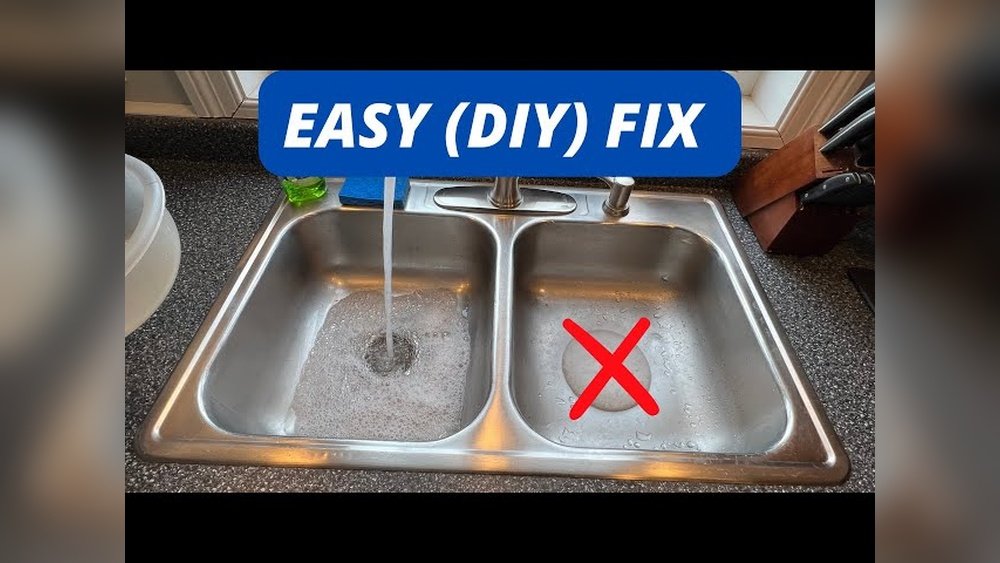
A sink draining slowly but not completely clogged is a common household frustration. It’s that maddening trickle of water that refuses to vanish, leaving you with a murky pool and a growing sense of unease. While a full blockage might be obvious, this semi-clogged state can be more insidious, often developing gradually and leaving homeowners puzzled about the root cause and the best course of action.
Ignoring this symptom can lead to more severe plumbing issues down the line, including potential water damage and more costly repairs.
Understanding why your sink is draining slowly, even when it’s not entirely blocked, is the first step toward a swift and effective solution. This phenomenon typically points to a partial obstruction or a problem with the drainage system’s airflow or slope.
It could be anything from a buildup of soap scum and hair in the trap to a more complex issue with the main drain line or even a vent pipe problem. This article will explore the common culprits behind a slow-draining sink and provide practical, actionable steps to diagnose and resolve the issue, ensuring your plumbing flows freely once more.
Key Takeaways
- Partial Obstructions: Slow draining often indicates a partial blockage caused by grease, food debris, hair, soap scum, or foreign objects accumulating in the P-trap or further down the drainpipe.
- Vent Pipe Issues: A clogged or improperly functioning vent pipe can disrupt airflow, creating a vacuum that impedes water flow and causes slow draining.
- Improper Pipe Slope: If drainpipes aren’t installed with the correct downward slope, gravity can’t effectively carry waste away, leading to slow drainage.
- Garbage Disposal Problems: A malfunctioning or overloaded garbage disposal can contribute to slow draining, especially in kitchen sinks.
- DIY Solutions: Simple remedies like using a plunger, baking soda and vinegar, or a drain snake can often resolve minor slow-drain issues.
- Professional Help: Persistent or complex slow-drain problems may require a plumber to inspect pipes, clear deep blockages, or address vent pipe or slope issues.
Common Causes Of A Slow-draining Sink
When water doesn’t drain as quickly as it should, it’s easy to assume a complete clog. However, many issues can cause a slow drain without a total blockage. These problems often stem from gradual build-up, minor obstructions, or underlying plumbing system faults. Recognizing these causes is crucial for targeted troubleshooting.
The Infamous P-trap Buildup
The P-trap is the U-shaped pipe located directly beneath your sink. Its primary purpose is to hold a small amount of water, creating a seal that prevents sewer gases from entering your home. This design, while effective, also makes it a prime location for debris to accumulate.
- Grease and Food Scraps: In kitchen sinks, grease, oils, and small food particles can solidify and adhere to the inside of the P-trap. Over time, this layer thickens, narrowing the pipe’s diameter and restricting water flow.
- Hair and Soap Scum: Bathroom sinks are notorious for accumulating hair and soap scum. Hair, in particular, acts like a net, catching other debris. Soap scum, a waxy residue from soap, can also build up, creating a sticky barrier.
- Foreign Objects: Small items like jewelry, bottle caps, or even dental floss can accidentally fall into the sink and get lodged in the P-trap, partially obstructing the flow.
When these substances build up, they don’t necessarily create a complete blockage. Instead, they reduce the pipe’s effective diameter, forcing water to navigate through a narrower passage, thus slowing down the draining process significantly.
Hair And Soap Scum In The Vanity Trap
Similar to kitchen sinks, bathroom sinks are highly susceptible to hair and soap scum accumulation. The vanity trap, which is essentially the P-trap for your bathroom sink, can become significantly narrowed over time by these common culprits. Hair, being a strong and fibrous material, can weave itself into a dense mat, trapping soap residue and other small particles.
This creates a semi-solid mass that severely impedes water flow. The waxy nature of soap scum further exacerbates the problem by coating the pipe walls and reducing the available space for water to pass. This is often the primary reason why bathroom sinks drain so slowly after a period of use.
Issues With The Main Drain Line
While the P-trap is the most common culprit for a single slow-draining sink, problems further down the line can also manifest as a slow drain. The main drain line is the larger pipe that collects waste from multiple fixtures in your home and carries it to the sewer or septic system.
- Partial Blockages: If the main drain line has a partial clog, it can affect multiple fixtures. However, sometimes a localized issue within the main line, such as a build-up of sludge or roots intruding into the pipe, can affect the drainage of a specific branch, making a single sink drain slowly.
- Pipe Slope: Drainpipes are designed to be installed with a specific downward slope (typically ¼ inch per foot) to ensure gravity effectively pulls wastewater towards the sewer. If the slope is insufficient, or if the pipe has sagged over time due to ground settling or improper installation, wastewater can pool in low spots, leading to slow drainage and the gradual build-up of debris. This is a more structural issue that often requires professional attention.
Blocked Or Inefficient Vent Pipes
Your home’s plumbing system relies on a network of vent pipes to equalize air pressure. These vents, which typically extend through the roof, allow air to enter the system, preventing a vacuum from forming that would otherwise hinder water flow and cause gurgling sounds.
- Clogged Vents: Leaves, bird nests, or other debris can block the opening of vent pipes on the roof. A blocked vent prevents air from entering the system, creating a vacuum behind the draining water. This vacuum effectively “holds back” the water, causing it to drain slowly.
- Improper Venting: In older homes or after renovations, vent pipes might be improperly installed, too small, or not strategically placed, leading to inadequate airflow.
When a vent pipe is blocked, you might notice other symptoms besides slow draining, such as gurgling sounds from drains, especially after flushing a toilet or running a shower.
Garbage Disposal Malfunctions
For kitchen sinks equipped with a garbage disposal, a malfunctioning unit can be the cause of slow draining.
- Overloading: If too much food waste is put into the disposal at once, or if fibrous or hard materials are ground, the disposal can become jammed or overwhelmed. This can prevent water from passing through it effectively.
- Clogged Grind Chamber: Even if the disposal seems to be running, food particles can accumulate in the grind chamber or the discharge pipe leading from the disposal to the main drain. This partial blockage will slow down the drainage of the sink.
- Motor Issues: A failing motor might not grind food waste effectively, leaving larger particles that can contribute to clogs.
If your garbage disposal is running but the sink is draining slowly, it’s a strong indicator that the issue lies within the disposal itself or its connection to the drainpipe.
Diagnosing The Slow Drain: Step-by-step
Before calling a plumber, several diagnostic steps can help pinpoint the cause of your slow-draining sink. These methods range from simple observation to basic troubleshooting techniques.
Observe The Symptoms Carefully
The first step in diagnosis is to pay close attention to the exact nature of the slow drain.
- Which Fixtures are Affected? Is it just one sink, or are multiple fixtures in the house draining slowly? If it’s only one sink, the problem is likely localized to that fixture or its immediate drainpipe. If multiple sinks, tubs, or toilets are affected, the issue might be with the main drain line or a shared vent.
- When Did it Start? Did the slow draining begin suddenly or gradually? A sudden onset might indicate a foreign object falling into the drain, while a gradual decline usually points to a build-up of grease, hair, or soap scum.
- Are There Other Symptoms? Listen for gurgling sounds from the drain when water is running or when a toilet is flushed. This often indicates an issue with the vent system. Notice any foul odors emanating from the drain? This can also be a sign of trapped waste or sewer gas escaping due to a lack of proper water seal, often related to vent problems.
- Water Backflow: Does water back up into the sink when another fixture (like a dishwasher or washing machine) is used? This is a strong indicator of a blockage in the main drain line.
Test With Water And Observe
A simple test can provide further clues.
- Clear the Sink: Remove any standing water from the sink.
- Run Hot Water: Run hot water directly into the drain for a minute or two. Observe how quickly it drains. If hot water helps significantly, it might suggest a build-up of grease or soap scum that is being softened and partially cleared by the heat.
- Pour a Bucket of Water: Fill a bucket with water and quickly dump it into the sink. If the water drains immediately, the issue might be minor. If it backs up and drains slowly, it indicates a more significant obstruction.
Check The P-trap
The P-trap is the most accessible part of the drain system and a frequent site of blockages.
- Place a Bucket: Position a bucket or large bowl directly underneath the P-trap to catch any water and debris.
- Loosen the Slip Nuts: Most P-traps are connected with slip nuts. Loosen these nuts by hand or with a pipe wrench if necessary. Be gentle, as older pipes can be brittle.
- Inspect and Clean: Once the trap is removed, empty its contents into the bucket. Inspect the trap for any visible obstructions like hair, food particles, or foreign objects. Clean it thoroughly with a brush and hot, soapy water.
- Check Connecting Pipes: While the trap is off, use a flashlight to look into the pipes leading to and from the trap for any visible build-up.
- Reassemble: Reassemble the P-trap, ensuring the nuts are snug but not overly tightened to avoid cracking. Run water to check for leaks.
Examine The Stopper Mechanism
Many sinks, especially bathroom vanities, have pop-up stoppers. These can become entangled with hair and soap scum, hindering drainage.
- Remove the Stopper: Most pop-up stoppers can be lifted straight out after disengaging a clevis strap or pivot rod connected to the drainpipe. This connection is usually located beneath the sink.
- Clean the Stopper and Drain Opening: Clean the stopper thoroughly. Then, use a bent wire hanger or a pair of tweezers to pull out any hair or debris that has accumulated in the drain opening itself.
- Test Drainage: With the stopper removed, run water to see if the drainage improves. If it does, the stopper mechanism or the area around it was the primary issue.
Diy Solutions For Slow Drains
Once you’ve diagnosed the likely cause, you can attempt several DIY methods to clear a slow-draining sink before resorting to professional help.
The Plunger Method
A plunger is a surprisingly effective tool for dislodging partial clogs.
- Create a Seal: Ensure there’s enough water in the sink to cover the rubber cup of the plunger. If it’s a double sink, block the other drain with a wet cloth or stopper to create a strong seal.
- Position the Plunger: Place the plunger cup firmly over the drain opening, creating a tight seal.
- Plunge Vigorously: Push and pull the plunger handle up and down rapidly for about 15-20 seconds. The goal is to use the pressure and suction to dislodge the obstruction.
- Check Drainage: Remove the plunger and see if the water drains faster. You may need to repeat the process several times. If successful, flush the drain with hot water to wash away any remaining debris.
Pro Tip: For sinks with an overflow opening, cover it securely with a wet rag before plunging. This prevents air from escaping and ensures maximum pressure is applied to the clog.
Baking Soda And Vinegar
This classic, eco-friendly combination can help break down grease and soap scum.
- Remove Standing Water: Bail out any standing water from the sink.
- Add Baking Soda: Pour about ½ cup of baking soda directly into the drain.
- Add Vinegar: Follow with about ½ cup of white vinegar. The mixture will immediately start to fizz and bubble.
- Cover the Drain: Immediately cover the drain opening with a stopper or cloth to direct the reaction downwards into the pipe.
- Let it Sit: Allow the mixture to work for at least 30 minutes, or preferably an hour.
- Flush with Hot Water: Remove the cover and flush the drain thoroughly with a pot of boiling or very hot water. This helps to dissolve the loosened grime and flush it away.
This method is best for minor build-ups of grease and soap scum and may need to be repeated.
Using A Drain Snake (auger)
A drain snake, also known as a plumbing auger, is a flexible metal cable that can be fed into the drainpipe to physically break up or pull out obstructions.
- Access the Pipe: You can typically insert the snake through the drain opening or, more effectively, through the removed P-trap.
- Feed the Snake: Gently push the snake into the pipe until you feel resistance. This is likely the clog.
- Work the Clog: Turn the handle of the snake (if it has one) while applying gentle pressure. This helps the auger head to break through or hook onto the obstruction. You might need to retract and re-feed the snake a few times.
- Retrieve Debris: If you feel you’ve hooked something, slowly pull the snake back out, bringing the debris with it.
- Flush the Drain: Once the obstruction is cleared, reassemble any removed parts (like the P-trap) and flush the drain thoroughly with hot water.
Warning: Be careful not to force the snake, as this could damage older pipes or push a clog further down.
Chemical Drain Cleaners (use With Caution)
While readily available, chemical drain cleaners should be used as a last resort for DIY fixes and with extreme caution.
- Potential for Damage: Many chemical cleaners contain harsh acids or alkalis that can corrode pipes, especially older metal or plastic ones, and damage septic systems.
- Safety Hazards: They can cause severe burns to skin and eyes and release toxic fumes. Always wear protective gloves and eyewear, and ensure good ventilation.
- Effectiveness: They are often more effective on complete clogs than partial ones and may not fully resolve slow-draining issues caused by grease or hair build-up.
- Follow Instructions: If you choose to use one, strictly follow the manufacturer’s instructions regarding dosage, application time, and flushing procedures. Never mix different chemical cleaners.
In my experience, chemical cleaners are often a temporary fix at best and can create more problems than they solve. It’s generally better to try mechanical methods first.
:max_bytes(150000):strip_icc()/how-to-unclog-a-kitchen-sink-2718799_sketch_FINAL-6d86f43bcb464f8ca5b61f240c2d8bf9.png)
Credit: www.thespruce.com
When To Call A Professional Plumber
Some slow-drain issues are beyond the scope of simple DIY fixes and require the expertise and specialized tools of a licensed plumber.
Persistent Or Recurring Slow Drains
If you’ve tried multiple DIY methods and the sink continues to drain slowly, or if the problem keeps returning, it indicates a more significant underlying issue. This could be a deep clog in the main line, a problem with pipe slope, or a vent system issue that requires professional diagnosis.
Multiple Fixtures Affected
As mentioned earlier, if several sinks, toilets, or showers in your home are draining slowly or experiencing backups, it strongly suggests a problem with the main sewer line connecting your house to the municipal sewer or your septic tank. Clearing main line blockages often requires professional equipment like powerful drain augers or hydro-jetting services.
Suspected Vent Pipe Problems
If you hear persistent gurgling sounds from drains, experience slow draining accompanied by sewer odors, or notice other plumbing fixtures acting strangely (e. g. , toilets bubbling when the sink is used), it’s highly likely that your plumbing vent system is compromised.
A plumber can inspect vent pipes, clear obstructions, and ensure proper airflow.
Concerns About Pipe Slope Or Damage
If your house is older, or if you suspect recent ground movement, the slope of your drainpipes might be compromised. Improper slope prevents waste from draining effectively, leading to recurring slow drains and build-up. A plumber can assess the pipe slope and recommend solutions, which might involve re-grading or even replacing sections of pipe. Similarly, if you suspect tree root intrusion into your sewer lines, a common cause of main line clogs, a plumber can use specialized cameras to diagnose and remove the roots.
Garbage Disposal Issues Requiring Expertise
While basic troubleshooting of a garbage disposal is possible, more complex problems like motor failure, internal component damage, or persistent clogging after grinding require professional attention. A plumber can diagnose the issue, repair or replace the unit, and ensure it’s correctly connected to the drainage system.
Example: A homeowner in a suburban neighborhood noticed their kitchen sink draining slowly. They tried plunging and the baking soda/vinegar method without success. The problem persisted for several weeks. Upon calling a plumber, it was discovered that tree roots had infiltrated the main sewer line about 30 feet from the house, causing a partial blockage that slowed drainage from all fixtures connected to that line. The plumber used a powerful auger to clear the roots, restoring proper drainage.
Preventative Maintenance For Free-flowing Drains
The best way to deal with a slow-draining sink is to prevent the problem from occurring in the first place. Regular maintenance can save you time, money, and frustration.
Kitchen Sink Best Practices
- Scrape Plates: Scrape food scraps into the trash or compost bin before rinsing dishes.
- Avoid Pouring Grease: Never pour cooking grease, oil, or fats down the kitchen sink. Collect them in a container and dispose of them in the trash once solidified.
- Use a Sink Strainer: A mesh strainer will catch larger food particles, hair, and other debris, preventing them from entering the drain. Empty the strainer regularly.
- Run Cold Water with Disposal: If you use a garbage disposal, always run cold water for about 30 seconds before and after grinding food waste. Avoid putting fibrous materials (celery, corn husks), coffee grounds, eggshells, or grease down the disposal.
- Periodic Flushing: Once a month, pour a pot of boiling water down the kitchen sink to help melt away any accumulated grease.
Bathroom Sink Best Practices
- Hair Catchers: Use a mesh hair catcher over the drain to trap hair before it enters the pipe. Clean it after each use.
- Be Mindful of Small Items: Avoid letting small items like cotton swabs, dental floss, or jewelry fall down the drain.
- Rinse Soap: Rinse soap residue down the drain with water after each use to prevent build-up.
- Occasional Hot Water Flush: Periodically flush the bathroom sink drain with hot water to help dissolve soap scum.
General Plumbing Maintenance
- Regular P-Trap Cleaning: Even without a slow drain, consider removing and cleaning the P-trap of each sink once or twice a year as a preventative measure.
- Check Vent Screens: If you can safely access your roof, check the screens on your plumbing vent pipes for any debris and clear them as needed.
- Professional Inspections: Consider having a plumber perform a routine inspection of your plumbing system every few years, especially in older homes. They can identify potential issues like sagging pipes or early signs of vent blockages.
Comparison: Diy Vs. Professional Solutions
Choosing between tackling a slow drain yourself or hiring a professional involves weighing costs, time, and potential risks.
| Feature | DIY Solutions (Plunger, Baking Soda, Snake) | Professional Plumber |
|---|---|---|
| **Cost** | Low (cost of tools/materials) | Moderate to High (labor + specialized tools) |
| **Time Investment** | Moderate (can take multiple attempts) | Low to Moderate (efficient with expertise) |
| **Effectiveness** | Good for minor clogs/build-ups | High, effective for all types of blockages |
| **Risk of Damage** | Low to Moderate (potential pipe damage) | Very Low (experienced professionals) |
| **Tools Required** | Basic household tools, drain snake | Advanced augers, cameras, hydro-jetters |
| **Best For** | Minor grease, soap scum, hair clogs | Major clogs, main line issues, vent problems |
| **Prevention** | Limited effectiveness | Can advise on and perform preventative maintenance |
Example: A homeowner with a slow bathroom sink drain spent $10 on a drain snake and an hour trying to clear it. They successfully removed a significant amount of hair and soap scum, solving the problem for $10 and one hour of their time. Conversely, another homeowner with a similar issue opted for a plumber, costing $150 for a 30-minute service call that included clearing the hair with a professional auger. While the DIY route saved money, the plumber offered a quicker, guaranteed fix.
Frequently Asked Questions
Why Does My Sink Drain Slowly After Using The Garbage Disposal?
This usually indicates that the garbage disposal itself is not fully clearing the waste, or that debris is accumulating in the disposal’s discharge pipe or the P-trap immediately following it. Food particles, especially fibrous ones, can create