
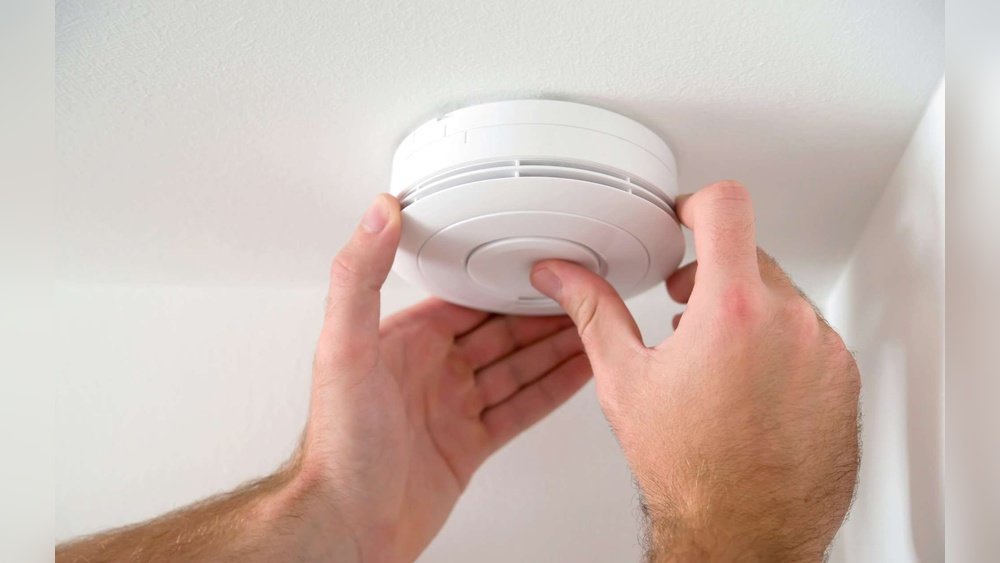
The persistent, piercing chirp of a smoke detector can transform a peaceful home into a scene of escalating frustration. Whether it’s a single, insistent beep every 30 seconds, a rapid series of alarms, or a more complex pattern, a malfunctioning smoke detector is more than just an annoyance; it’s a potential safety hazard.
Understanding why your smoke detector is acting up is the first step toward restoring peace of mind and ensuring your home remains protected. These devices are designed to be sensitive, and their alerts, while sometimes misleading, are ultimately there to safeguard lives.
This guide will walk you through the common reasons behind a smoke detector’s incessant beeping, offering practical solutions and expert advice to help you diagnose and fix the problem. We’ll cover everything from simple battery replacements to more complex issues like sensor malfunctions and environmental factors, ensuring you can confidently address whatever is causing your smoke alarm to sound off.
Key Takeaways
- Battery Issues: Low batteries are the most common cause of smoke detector chirping, often signaled by a single beep every 30-60 seconds. Always replace batteries with high-quality alkaline or lithium types.
- End of Life: Smoke detectors have a lifespan of 8-10 years. A consistent, rapid beeping can indicate the unit needs replacement.
- Environmental Factors: Dust, humidity, steam, and even insects can trigger false alarms. Regular cleaning and proper placement are crucial.
- Power Surges/Outages: Intermittent power can cause battery-powered or hardwired alarms to malfunction and chirp.
- Alarm Interconnection: If alarms are interconnected, one faulty unit can trigger others. Identify the primary source of the alarm.
- Device Malfunction: In rare cases, the detector itself may be faulty and require replacement.
- Testing and Resetting: Regularly test your alarms and know how to reset them after addressing an issue.

Credit: inspiredhousewife.com
Understanding Smoke Detector Chirps Vs. Alarms
It’s crucial to differentiate between a full-blown alarm and a chirping sound. A full alarm is typically a loud, continuous, and urgent series of sounds, indicating the presence of smoke or carbon monoxide. A chirp, on the other hand, is a shorter, intermittent sound, usually occurring every 30 to 60 seconds. This chirp is almost always a trouble signal, alerting you to a condition that prevents the detector from functioning correctly, rather than an immediate fire threat.
The Purpose Of Chirping Signals
Smoke detectors are sophisticated devices designed to monitor air quality. When they detect a problem that compromises their ability to perform their primary function, detecting smoke, they emit a chirp. This signal is a preventative measure. It’s the device’s way of saying, “I’m not working at full capacity, and you need to address this.” Ignoring these chirps means you are potentially disabling your home’s most vital fire safety system.
Common Chirp Patterns And What They Mean
While manufacturers may have slightly different chirp patterns, some are widely recognized:
- Single Chirp Every 30-60 Seconds: This is the most common signal and almost always indicates a low battery. Even if the battery is new, it might be a lower-quality one, or the battery contact might be dirty.
- Rapid, Repeated Chirps (e.g., 3 chirps, pause, 3 chirps): This pattern can sometimes indicate contamination of the sensing chamber (dust, insects) or a malfunction.
- Different Chirp Patterns: Some advanced detectors use distinct chirp patterns to signal specific issues like end-of-life warnings or fault conditions. Always consult your smoke detector’s manual for precise interpretations of its alert sounds.

Credit: www.youtube.com
Why Is My Smoke Detector Chirping? Common Culprits
The reasons behind a smoke detector’s chirping are varied, ranging from simple fixes to more complex issues. Identifying the specific cause is key to resolving the problem effectively.
1. The Low Battery Signal
This is, by far, the most frequent reason for smoke detector chirping. Modern smoke detectors are designed to alert you well before the battery completely dies.
- Battery Depletion: Over time, the battery simply loses its charge. The detector’s internal monitoring system detects this drop in voltage and triggers the chirp to signal the need for a battery replacement. This usually happens every 30 to 60 seconds.
- Battery Type and Quality: Using the wrong type of battery (e.g., rechargeable instead of alkaline, or a low-quality battery) can lead to premature depletion and chirping. Always use high-quality alkaline or lithium batteries as recommended by the manufacturer.
- Battery Connection: Sometimes, a battery might be inserted incorrectly, or the contacts might be dirty or corroded, preventing a good connection. This can mimic a low battery situation.
Pro Tip: When replacing batteries, consider using lithium batteries. They offer a longer lifespan (up to 10 years) and perform better in extreme temperatures, reducing the frequency of battery changes and potential chirping.
2. End-of-life Warning
Smoke detectors, like all electronic devices, have a finite lifespan. The internal components degrade over time, making them less reliable. Most manufacturers recommend replacing smoke detectors every 8 to 10 years.
- Built-in Expiration: Many newer detectors have a built-in mechanism that triggers a specific chirp pattern (often different from the low battery chirp) to indicate they have reached their operational limit. This is a critical safety feature.
- Identifying the Age: Look for a manufacture date or expiration date printed on the back or side of your smoke detector. If the date is 8-10 years or older, replacement is necessary, regardless of other symptoms.
3. Environmental Factors Causing False Alarms Or Chirps
The sensitive sensors in smoke detectors can be triggered or affected by various environmental conditions.
- Dust and Debris: Accumulations of dust, cobwebs, or small insects inside the sensing chamber can obstruct airflow or interfere with the sensor’s ability to detect smoke particles accurately. This can lead to false alarms or malfunction chirps.
- Humidity and Steam: High levels of humidity, such as those found in bathrooms or kitchens during cooking, can sometimes trigger a smoke detector. While this usually results in a full alarm, persistent high humidity or steam can sometimes cause erratic behavior, including chirping.
- Temperature Fluctuations: Extreme temperature changes, especially rapid ones, can affect the performance of the smoke detector’s electronics and sensors, potentially leading to chirping. Avoid placing detectors near heating vents, air conditioners, or in uninsulated attics or garages where temperatures can fluctuate wildly.
- Chemical Fumes: Aerosol sprays, paint fumes, or cleaning products can sometimes trigger the sensor, leading to an alarm or chirp.
4. Power Issues (for Hardwired Alarms)
Hardwired smoke detectors are connected to your home’s electrical system and usually have a battery backup. Issues with the power supply can cause them to chirp.
- Power Surges or Brownouts: Intermittent power supply, such as flickering lights or brief power outages, can cause hardwired alarms to reset or malfunction, often resulting in a chirp.
- Circuit Breaker Tripped: If the circuit breaker controlling the smoke detector has tripped, the unit will lose main power and rely solely on its battery. If the battery is also low, this can lead to consistent chirping.
- Loose Wiring: In older installations, loose wire connections in the junction box or at the detector itself can cause intermittent power loss and chirping. This is a more serious issue requiring professional attention.
5. Interconnected Alarm Systems
Many homes have interconnected smoke detectors, meaning if one alarm detects smoke, all alarms in the system will sound. When one unit chirps, it can sometimes trigger other units to chirp as well, making it difficult to pinpoint the source.
- Identifying the Initiating Unit: Often, the alarm that is experiencing the problem will have a flashing indicator light that is different from the others. The unit that is actually malfunctioning is usually the one that needs attention.
- System-Wide Issues: In rare cases, a fault in the interconnect wiring or a surge affecting the entire system can cause multiple units to chirp.
6. Device Malfunction Or Fault
While less common than battery or environmental issues, the smoke detector itself can simply malfunction.
- Sensor Failure: The photoelectric or ionization sensor within the detector could fail.
- Internal Circuitry Problems: A fault in the electronic components of the device can lead to erratic behavior, including chirping.
- Damage: Physical damage to the unit, such as being dropped or hit, can cause internal issues.
Troubleshooting Steps For A Chirping Smoke Detector
When faced with a chirping smoke detector, a systematic approach can help you pinpoint and resolve the issue.
Step 1: Identify The Chirping Unit
If you have multiple smoke detectors, try to identify which specific unit is chirping.
- Listen Carefully: Walk around your home and listen to pinpoint the source of the sound.
- Look for Flashing Lights: Many detectors have an LED indicator light. A unit that is chirping due to a fault or low battery often has a distinct flashing pattern (e.g., a red light flashing rapidly or slowly). Consult your manual to understand the light codes.
- Isolate the Unit: If you suspect a particular unit, you may need to temporarily remove it from its base or disconnect its power source (if hardwired) to confirm it’s the source of the chirp.
Step 2: Address The Battery
For most battery-powered or battery-backup alarms, the battery is the first suspect.
- Replace the Battery: Even if you think the battery is new, replace it with a fresh, high-quality battery of the type specified by the manufacturer (usually AA or 9V alkaline or lithium).
- Clean Battery Contacts: Remove the battery and gently clean the metal contacts inside the detector and on the battery itself with a pencil eraser or a slightly damp cloth. Ensure they are dry before reinserting the battery.
- Check Battery Installation: Ensure the battery is inserted correctly, with the positive (+) and negative (-) terminals aligned properly.
- Test the Unit: After replacing the battery, press and hold the “Test” button for a few seconds. The alarm should sound loudly. If it doesn’t, there might be another issue.
Step 3: Clean The Smoke Detector
Dust and insects are common culprits for sensor contamination.
- Vacuuming: Use the soft brush attachment of your vacuum cleaner to gently vacuum the exterior vents and openings of the smoke detector. This helps remove loose dust and cobwebs.
- Compressed Air: For more stubborn dust or potential insect intrusion, you can use a can of compressed air. Hold the can upright and spray short bursts into the sensing chamber openings from a distance of a few inches. Never use a vacuum cleaner hose directly on the sensor openings, as this can create static electricity or damage the delicate components.
- Frequency: Clean your smoke detectors at least twice a year, or more often if you live in a dusty environment or have pets.
Step 4: Check Environmental Conditions
Consider the location and environment of the chirping detector.
- Humidity: If the detector is in a bathroom or kitchen, ensure it’s not overly exposed to steam or humidity. Consider relocating it if it’s too close to the shower or stove. Many manufacturers recommend placing alarms at least 10 feet away from cooking appliances.
- Temperature: Ensure the detector is not located near heating or cooling vents, fireplaces, or in areas with extreme temperature fluctuations.
- Airborne Particles: Avoid using aerosol sprays or strong cleaning agents near the detector. If you’ve recently painted or used such products, air out the room thoroughly.
Step 5: Troubleshoot Hardwired Alarms
If your alarm is hardwired, the power source is another area to investigate.
- Check the Circuit Breaker: Locate your home’s electrical panel and check if the breaker for the smoke detector circuit has tripped. If it has, reset it. If it trips again immediately, there’s an electrical fault that requires professional attention.
- Verify AC Power: Ensure the detector’s power indicator light (usually a steady green light) is on, indicating it’s receiving AC power. If it’s off, there might be an issue with the wiring or the power supply.
- Check Interconnection: If you have interconnected hardwired alarms, the issue might be with the interconnect wire. This is a task best left to a qualified electrician.
Step 6: Reset The Smoke Detector
Sometimes, a simple reset can clear temporary glitches.
- Battery-Powered Units: Remove the battery and press the “Test” button for about 15-20 seconds to discharge any residual power. Reinsert the battery and press “Test” again.
- Hardwired Units:
- Turn off the power to the smoke detector at the circuit breaker.
- Remove the detector from its mounting bracket.
- Disconnect the wiring harness.
- Remove the backup battery.
- Press and hold the “Test” button for about 20-30 seconds.
- Reinstall the battery, reconnect the wiring harness, and reattach the detector to its bracket.
- Turn the power back on at the circuit breaker.
- Press the “Test” button to ensure it’s functioning correctly.
Step 7: Consult The Manual And Manufacturer
Every smoke detector model is slightly different. The user manual is your best resource for understanding specific chirp patterns, troubleshooting steps, and maintenance recommendations for your particular device. If you no longer have the manual, you can usually find a digital version on the manufacturer’s website by searching for your model number.

Credit: www.propertyzest.com.au
When To Call A Professional
While many smoke detector issues can be resolved with simple DIY steps, there are times when professional help is necessary.
- Persistent Chirping After All Steps: If you’ve tried all the troubleshooting steps above, including battery replacement, cleaning, and resetting, and the detector continues to chirp, it likely has an internal fault.
- Electrical Issues: If you suspect problems with the wiring, circuit breaker, or AC power supply for hardwired alarms, do not attempt to fix it yourself. Electrical work can be dangerous and should only be performed by a licensed electrician.
- Interconnected System Faults: Diagnosing and repairing faults within an interconnected alarm system can be complex. An electrician or a specialized low-voltage technician can safely address these issues.
- Frequent False Alarms: If your detector frequently goes into full alarm without any visible smoke, it might be faulty, improperly placed, or too sensitive for its environment. A professional can assess the situation and recommend solutions, which might include relocation or replacement with a different type of detector.
- Uncertainty or Discomfort: If you are uncomfortable performing any of the troubleshooting steps or are unsure about the cause of the problem, it’s always best to err on the side of caution and call a professional.
Smoke Detector Types And Their Chirping Tendencies
Different types of smoke detectors operate on different principles and may have unique troubleshooting needs.
Ionization Smoke Detectors
These detectors use a small amount of radioactive material to ionize the air between two electrically charged plates. When smoke particles enter the chamber, they disrupt the flow of ions, triggering the alarm.
- Chirping Causes: Primarily low battery, end-of-life, and contamination. They can be sensitive to rapid temperature changes.
- Troubleshooting: Similar to general guidelines, battery replacement, cleaning, and checking for age.
Photoelectric Smoke Detectors
These detectors use a light beam and a sensor. In a normal state, the light beam shines away from the sensor. When smoke enters the chamber, it scatters the light beam, directing it onto the sensor and triggering the alarm.
- Chirping Causes: Low battery, end-of-life, contamination (dust can obscure the light path or trigger the sensor), and sometimes high humidity.
- Troubleshooting: Battery replacement, thorough cleaning (as dust can be a significant issue), and ensuring proper placement away from kitchens and bathrooms.
Dual-sensor Smoke Detectors
These combine both ionization and photoelectric technologies, offering a broader range of detection capabilities.
- Chirping Causes: Similar to both types, plus potential issues with the electronic integration between the two sensors.
- Troubleshooting: Follow the general guidelines, but pay close attention to the manufacturer’s specific instructions for dual-sensor units.
Carbon Monoxide (co) Alarms Vs. Smoke Detectors
It’s important to distinguish between smoke detectors and combination smoke/CO alarms. While they serve similar purposes, a CO alarm specifically detects the presence of carbon monoxide, a colorless, odorless, and deadly gas.
- CO Alarm Chirping: A chirping sound from a CO alarm (or a combination unit) can indicate low battery, end-of-life, or a malfunction. However, a CO alarm will also typically emit a different, more urgent alarm pattern (often a series of four beeps) if it detects dangerous levels of carbon monoxide.
- Immediate Action for CO Alarms: If your CO alarm sounds, evacuate the premises immediately and call emergency services (like the fire department) from a safe location. Do not attempt to troubleshoot until the area is cleared and deemed safe.
Best Practices For Smoke Detector Maintenance
Regular maintenance is key to ensuring your smoke detectors function correctly when you need them most.
Regular Testing
- Monthly Testing: Test all smoke detectors in your home at least once a month. Press and hold the “Test” button until the alarm sounds. This verifies the battery, electronics, and horn are working.
- After Battery Replacement: Test the unit immediately after replacing the battery.
- After Power Outages: Test hardwired units after any significant power interruption.
Battery Replacement Schedule
- Annual Replacement: Even if your detector doesn’t chirp, it’s a good practice to replace the batteries in all smoke detectors once a year. A common reminder is to do it when you change your clocks for daylight saving time.
- Use Quality Batteries: Always opt for high-quality alkaline or lithium batteries from reputable brands.
Cleaning Schedule
- Semi-Annual Cleaning: Clean your smoke detectors twice a year. Use a vacuum cleaner with a soft brush attachment or compressed air to remove dust and debris from the vents.
Replacement Schedule
- 8-10 Year Replacement: Mark the installation date on your detectors and replace them every 8 to 10 years, or as recommended by the manufacturer. Don’t rely solely on chirping to signal replacement; proactive replacement is safer.
Data: Smoke Detector Usage And Effectiveness
Understanding the impact of smoke detectors highlights their importance. According to the National Fire Protection Association (NFPA):
- In fires where the smoke alarm was present but not functioning, nearly half (46%) of the associated deaths occurred. This underscores the critical need for properly maintained detectors.
- When smoke alarms were present and functioning, nearly two-thirds (62%) of home fire fatalities occurred in homes that did not have working smoke alarms to provide an early warning.
- Battery-operated smoke alarms were found to be twice as likely to fail to function as hardwired alarms, often due to dead or missing batteries. This statistic emphasizes the importance of regular battery checks and replacements.
These figures from a leading fire safety organization like the NFPA clearly demonstrate that working smoke alarms significantly increase survival rates during home fires.
Comparison: Battery Types For Smoke Detectors
| Battery Type | Typical Lifespan (in Smoke Detector) | Pros | Cons | Best For |
|---|---|---|---|---|
| **Alkaline (AA/9V)** | 6-12 months | Widely available, relatively inexpensive | Shorter lifespan, performance degrades in extreme temperatures | Standard replacement, budget-conscious users |
| **Lithium (AA/9V)** | 5-10 years | Very long lifespan, stable voltage output, better in extreme temps | Higher initial cost, less common in some regions | Long-term reliability, reduced maintenance |
| **Rechargeable** | Varies (requires frequent charging) | Reusable | Can lose charge over time, may not provide stable voltage for alarms | Generally **not recommended** for smoke alarms |
Note: Always refer to your smoke detector’s manual for the manufacturer’s recommended battery type. Using the wrong type can lead to malfunction or reduced performance.
Frequently Asked Questions
Why Does My Smoke Detector Chirp Only At Night?
This is often due to temperature fluctuations. As the house cools down overnight, the battery’s performance can be slightly affected, triggering a low-battery chirp. It can also be that the quiet of the night makes the chirp more noticeable. Replacing the battery with a fresh, high-quality one is usually the solution.
Can A Power Flicker Cause My Smoke Detector To Chirp?
Yes, especially for hardwired smoke detectors. A brief power interruption or surge can cause the unit to momentarily lose power or reset, often resulting in a chirp signal. If the unit has a battery backup and the battery is also low, this can exacerbate the issue.