
A toilet not working is more than just an inconvenience; it’s a plumbing emergency that can quickly escalate into a messy and unsanitary situation. Whether it’s a clogged drain, a faulty flush, or a persistent leak, understanding the common culprits and how to address them is crucial for any homeowner. Ignoring these issues can lead to water damage, mold growth, and even structural problems, not to mention the sheer discomfort of a non-functional bathroom. This guide will equip you with the knowledge to diagnose and, in many cases, fix common toilet problems, saving you time, money, and a whole lot of stress.
Key Takeaways
- Identify the Problem: Differentiate between a clogged toilet, a toilet that won’t flush, a running toilet, and a toilet with a weak flush.
- Basic Troubleshooting: For clogs, a plunger or a toilet auger are your first lines of defense. For flushing issues, check the flapper, fill valve, and handle mechanism.
- Running Toilets: Often caused by a worn flapper or an improperly adjusted float.
- Weak Flush: May indicate low water levels in the tank, a partially blocked rim jet, or an issue with the flapper opening.
- When to Call a Professional: Complex blockages, persistent leaks, or if DIY attempts fail are clear indicators to seek expert help.
- Preventative Maintenance: Regular cleaning and awareness of what goes down the toilet can prevent many common issues.

Credit: www.medonemedicalgroup.com
Understanding Common Toilet Problems
When your toilet decides to stop working, it usually falls into one of several common categories. Recognizing the specific symptom is the first step toward an effective solution. Each type of malfunction has its own set of causes and potential fixes, ranging from simple DIY adjustments to more involved repairs requiring professional plumbing expertise.
The Stubborn Clog: When Water Refuses To Go Down
A clogged toilet is perhaps the most frequent and frustrating toilet issue. It occurs when an obstruction prevents waste and water from draining properly through the toilet trap and into the drainpipe. This can be caused by excessive toilet paper, flushing non-flushable items, or even by tree roots intruding into the main sewer line. The immediate sign is water backing up into the bowl, sometimes to the point of overflowing.
The Silent Refusal: Toilet Won’t Flush At All
This happens when you press the handle, and nothing, or very little, happens. The water level in the tank might drop slightly, but the bowl remains stagnant. This usually points to a problem within the toilet tank mechanism. It could be a disconnected flush handle, a faulty chain, or a problem with the flush valve.
The Never-ending Drip: A Running Toilet
A running toilet is characterized by the sound of water constantly refilling the tank, even when it hasn’t been flushed. This isn’t just annoying; it’s a significant water waste issue. According to the Environmental Protection Agency (EPA), a running toilet can waste hundreds or even thousands of gallons of water per month, leading to higher utility bills. The most common causes are a worn-out flapper valve, an improperly set float ball, or a faulty fill valve.
The Feeble Flush: Weak Water Flow
A weak flush means the water doesn’t create enough siphoning action to clear the bowl effectively. This can leave behind waste or require multiple flushes. Causes can include insufficient water in the tank, a partially blocked rim jet (small holes under the bowl rim that direct water into the bowl), or a flapper that doesn’t open fully or stays open for too short a time.
Diagnosing And Fixing Common Toilet Clogs
Clogs are the most common toilet problem, and thankfully, often the easiest to fix yourself. Before reaching for the phone to call a plumber, try these DIY methods.
The Plunger Power Play
The plunger is the most fundamental tool for a clogged toilet. Ensure you have a flange plunger, which has an extra flap designed to create a better seal in the toilet drain.
- Create a Seal: Place the plunger over the drain hole, ensuring it completely covers the opening.
- Add Water (If Needed): If there isn’t enough water in the bowl to cover the plunger, add a bucket of water. This helps create the necessary suction.
- Plunge Vigorously: Push down firmly and then pull up sharply. Repeat this motion 15-20 times. The goal is to create pressure and suction to dislodge the blockage.
- Check the Drain: After plunging, watch to see if the water level drops. If it does, you’ve likely cleared the clog. If not, repeat the process or try another method.
Pro Tip: Never use a chemical drain cleaner as your first resort for a toilet clog. These can be harsh, damage pipes, and are dangerous if they splash. If a plunger doesn’t work, it’s better to move to a mechanical method or call a professional.
The Toilet Auger: For Tougher Obstructions
If plunging fails, a toilet auger (also known as a closet auger) is the next step. This flexible cable is specifically designed to navigate the curves of a toilet trap and break up or retrieve clogs.
- Insert the Auger: Feed the auger head into the toilet bowl drain.
- Crank the Handle: Slowly crank the handle to extend the cable into the drainpipe. You’ll feel resistance when you hit the clog.
- Break Through or Retrieve: Continue cranking to break up the clog or hook onto it so you can pull it out.
- Retract and Flush: Once the clog is cleared, retract the auger and flush the toilet to test.
When To Call A Professional Plumber For Clogs
If neither a plunger nor an auger can clear the clog, the blockage might be further down the line, possibly in your main sewer pipe. This could be due to a more significant obstruction, like a sewer line blockage caused by tree roots or collapsed pipes. In such cases, a professional plumber has specialized equipment like drain snakes and video inspection cameras to accurately diagnose and resolve the issue.
Credit: blog.expertsinyourhome.com
Troubleshooting A Toilet That Won’t Flush
When the flush handle feels loose or the toilet simply doesn’t respond, the problem usually lies within the tank.
Inspect The Handle And Chain
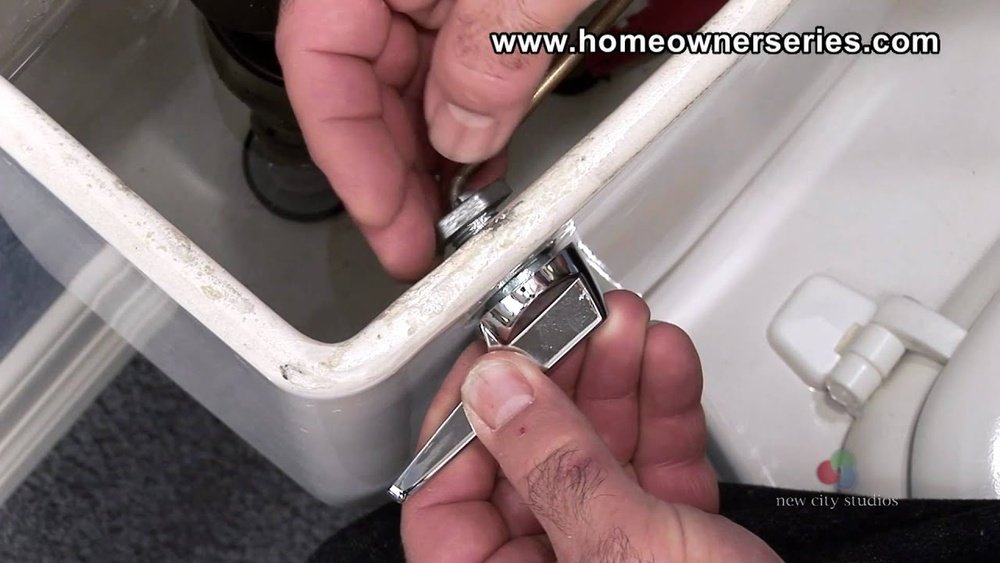
The flush handle connects to a lift arm inside the tank via a chain. This chain lifts the flapper to allow water to rush into the bowl.
- Check for Disconnection: Open the toilet tank lid. See if the chain connecting the handle arm to the flapper has come undone. If so, reattach it.
- Adjust Chain Length: The chain should have a little slack but not be too long. If it’s too long, it might not lift the flapper high enough. If it’s too short, the flapper might not seal properly, leading to a running toilet. Adjust the length by hooking the chain to a different link on the lift arm.
- Examine the Handle Arm: Ensure the arm itself is securely attached to the flush handle and moves freely.
The Flapper Valve: A Common Culprit
The flapper is the rubber or plastic piece at the bottom of the tank that seals the drain hole. When you flush, it lifts to let water out.
- Worn Out: Over time, flappers can become stiff, cracked, or lose their seal. This prevents a full flush or causes leaks.
- Replacement: Replacing a flapper is a straightforward DIY task. Turn off the water supply, empty the tank, unhook the old flapper, and attach the new one. Ensure it creates a tight seal.
The Fill Valve: Regulating Water Input
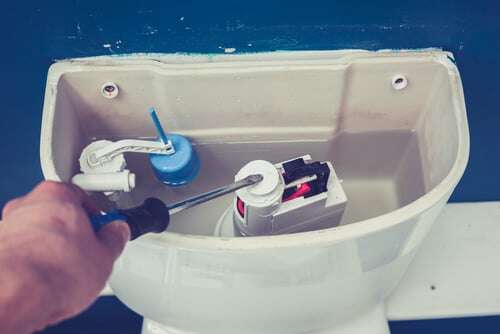
The fill valve (also known as the ballcock) is responsible for refilling the tank after each flush and shutting off the water when the correct level is reached.
- Malfunctions: If the fill valve is faulty, it might not allow enough water into the tank for a proper flush, or it might continuously run.
- Adjustment: Many fill valves have an adjustment screw or mechanism to set the water level. If the water level is too low, adjust it to rise about half an inch below the overflow tube.
- Replacement: If the fill valve is the issue, it can be replaced. This is a slightly more involved DIY project but is well within the capabilities of many homeowners.
:max_bytes(150000):strip_icc()/adjusting-a-toilet-flapper-ball-flush-valve-1824908-hero-ab724b89b3b74f99a5c6eb3140397e19.jpg)
Credit: www.medonemedicalgroup.com
Addressing A Running Toilet
A running toilet is a constant waste of water. The good news is that the most common causes are relatively easy to fix.
The Flapper Seal Problem
As mentioned earlier, a worn or improperly seated flapper is the leading cause of a running toilet.
- Check the Seal: Listen for the sound of running water. If it seems to come from the bottom of the tank, the flapper is the prime suspect. You can also perform a dye test: put a few drops of food coloring in the tank, wait 15-20 minutes without flushing, and check the bowl. If colored water appears in the bowl, the flapper is leaking.
- Clean and Reseat: Sometimes, mineral deposits can prevent the flapper from sealing properly. Clean the flapper and the flush valve seat it rests on.
- Replace if Necessary: If cleaning doesn’t help, replace the flapper.
Float Ball And Fill Valve Height
The float ball (or cup) on the fill valve rises with the water level. When it reaches a certain height, it triggers the valve to shut off the water.
- Low Water Level: If the float is set too low, the tank won’t fill sufficiently for a strong flush, and the water might constantly run if the fill valve mechanism is sticking.
- Adjustment: Most modern fill valves have an adjustment screw or a clip mechanism on the float arm to raise or lower the float. Adjust it so the water level is about 1/2 inch below the top of the overflow tube.
- Sticky Float: Sometimes the float arm can get stuck. Gently tap it or check for obstructions.
The Overflow Tube
The overflow tube is a vertical pipe inside the tank. If the water level rises above the top of this tube, water will spill into it and go down the drain, causing the toilet to run.
- Height Check: As mentioned, ensure the water level is below the top of the overflow tube. If the fill valve is filling the tank too high, adjust the float.
- Cracked Tube: In rare cases, the overflow tube itself might be cracked, though this is less common.
Fixing A Toilet With A Weak Flush
A weak flush can be embarrassing and inefficient. Fortunately, most causes can be addressed with simple adjustments.
Increasing Water Volume In The Tank
A weak flush is often due to insufficient water in the tank.
- Adjust the Fill Valve: As described in the running toilet section, adjust the float mechanism on the fill valve to allow the water level to rise higher in the tank. Aim for a level about 1/2 inch below the overflow tube.
- Check the Flapper Timing: Ensure the flapper is opening fully and staying open long enough for the water to empty from the tank. If it closes too quickly, the flush won’t be strong. You might need to adjust the chain length or replace a stiff flapper.
Cleaning The Rim Jets
Underneath the rim of the toilet bowl are small holes called rim jets. These direct a stream of water into the bowl to help rinse it during a flush.
- Mineral Buildup: Over time, these jets can become clogged with mineral deposits, reducing the water flow and weakening the flush.
- Cleaning Method: Use a small wire or a straightened paperclip to poke into each jet and clear out any debris. You can also spray a cleaner with a vinegar base (which helps dissolve mineral deposits) into the rim and let it sit for a while before scrubbing with a brush.
Checking The Trapway
The trapway is the S-shaped passage at the bottom of the toilet bowl that leads to the drainpipe. While a full clog stops flushing entirely, a partial obstruction can reduce the flush strength.
- Partial Blockages: Small objects or excessive waste can create a partial blockage.
- Auger Use: If you suspect a partial blockage, use a toilet auger to try and dislodge it.
Advanced Issues And When To Call A Professional
While many toilet problems are DIY-friendly, some situations require the expertise of a licensed plumber.
Persistent Blockages And Sewer Line Issues
If you’ve tried plunging and augering multiple times without success, the problem might be beyond your reach.
- Main Line Clogs: Blockages in the main sewer line can affect all the drains in your house, not just the toilet. This often requires specialized equipment to clear.
- Tree Roots: In older homes, tree roots can infiltrate sewer lines, causing significant obstructions. A plumber can often remove them and advise on preventative measures.
- Damaged Pipes: Collapsed or broken sewer pipes are a serious issue requiring professional repair.
Leaks Beyond The Tank
While tank leaks are often simple fixes, leaks originating from the toilet base can indicate a more serious problem.
- Wax Ring Failure: The wax ring at the base of the toilet creates a seal between the toilet and the drainpipe. If this seal fails, water can leak out, causing damage and odor. Replacing a wax ring involves removing the toilet and requires careful reinstallation.
- Cracked Porcelain: Though rare, a crack in the toilet bowl or tank can cause leaks. These are typically not repairable and require a toilet replacement.
Water Pressure And Supply Line Issues
Problems with your home’s main water supply can affect toilet function.
- Low Water Pressure: If your entire home has low water pressure, it will impact the toilet’s ability to fill and flush effectively.
- Shut-off Valve Problems: A partially closed or faulty toilet shut-off valve can restrict water flow into the tank.
When in doubt, call a plumber. Attempting complex repairs without the right knowledge or tools can lead to further damage and more expensive fixes. A professional plumber has the experience, tools, and insurance to handle these situations safely and effectively.
Preventative Maintenance For Your Toilet
The best way to deal with a toilet not working is to prevent it from happening in the first place. Regular maintenance can save you from unexpected emergencies.
What Not To Flush
This is the golden rule of toilet maintenance. Toilets are designed for human waste and a limited amount of toilet paper only. Flushing non-flushable items is the leading cause of clogs and damage. These include:
- Wipes (even “flushable” ones): These do not break down like toilet paper and are a major cause of clogs.
- Paper towels: Stronger and thicker than toilet paper.
- Feminine hygiene products: Designed to absorb liquid and expand.
- Cotton balls and swabs: Do not dissolve.
- Dental floss: Can create a net-like clog.
- Cat litter: Clumps and hardens.
- Grease and oil: Can solidify in pipes.
- Hair: Can accumulate and trap other debris.
Regular Cleaning
A clean toilet is a healthy toilet. Regular cleaning prevents mineral buildup and allows you to spot potential issues early.
- Bowl Cleaning: Use a toilet bowl cleaner and brush regularly.
- Tank Cleaning: Occasionally, clean the inside of the tank to remove sediment and prevent buildup on the fill valve and flapper. A mild cleaner can be used, but avoid harsh chemicals that could damage the tank components.
- Check for Leaks: Periodically inspect the base of the toilet and the water supply line for any signs of moisture.
Water Level Checks
Ensure the water level in your tank is consistently at the manufacturer’s recommended height. This ensures adequate water for a strong flush.
Professional Inspections
Consider having a plumber inspect your plumbing system, including toilets, every few years, especially in older homes. They can identify potential issues before they become major problems. According to the U. S. Department of Energy, fixing leaks promptly can save a significant amount of water.
Frequently Asked Questions
What Is The Most Common Reason A Toilet Won’t Flush?
The most common reason a toilet won’t flush is an issue with the internal tank mechanism. This often involves a disconnected or improperly adjusted flush chain, a worn-out flapper that isn’t lifting, or a problem with the flush handle itself not engaging the lift arm properly. Less frequently, it could be a completely failed fill valve preventing water from entering the tank.
How Can I Tell If My Toilet Is Wasting Water?
The easiest way to check for water waste is the dye test. Add a few drops of food coloring to the toilet tank. Wait for about 15-20 minutes without flushing. If colored water appears in the toilet bowl, it means the flapper is leaking, and water is constantly seeping from the tank into the bowl, indicating a running toilet. You might also hear a faint hissing or running sound from the tank when the toilet isn’t in use.
Can I Fix A Running Toilet Myself?
Yes, many running toilet issues are simple DIY fixes. The most common culprits are a worn-out flapper valve or an improperly adjusted float mechanism on the fill valve. Both are relatively inexpensive parts and can usually be replaced or adjusted with basic tools and a little guidance. If the problem persists after addressing these, it might be time to call a plumber.
What Should I Do If My Toilet Overflows?
If your toilet starts to overflow, the first and most crucial step is to stop the water flow immediately. Locate the shut-off valve on the wall behind the toilet (usually a small oval or round handle) and turn it clockwise until it stops. This will prevent further flooding. Once the water stops rising, you can then assess the cause of the overflow, which is typically a severe clog. After addressing the clog, turn the water supply back on slowly and check for leaks.
How Often Should I Replace My Toilet’s Internal Parts?
The lifespan of toilet internal parts varies depending on water quality, usage, and the quality of the parts themselves. However, a good rule of thumb is to inspect them every 2-3 years. The flapper valve is often the first component to wear out, typically lasting 5-10 years, but sometimes less if exposed to harsh cleaning chemicals. Fill valves can last 10-15 years or more. Regular checks allow you to replace parts proactively before they cause a malfunction.
When your toilet isn’t working, it’s easy to feel overwhelmed. However, by understanding the common issues and employing the troubleshooting steps outlined in this guide, you can often resolve the problem yourself. From mastering the plunger to understanding the mechanics within the tank, many toilet woes are surprisingly manageable.
Remember to prioritize what goes down the drain, perform regular maintenance, and don’t hesitate to call a professional plumber when faced with complex or persistent problems. A well-maintained toilet is a cornerstone of a functional and comfortable home.