
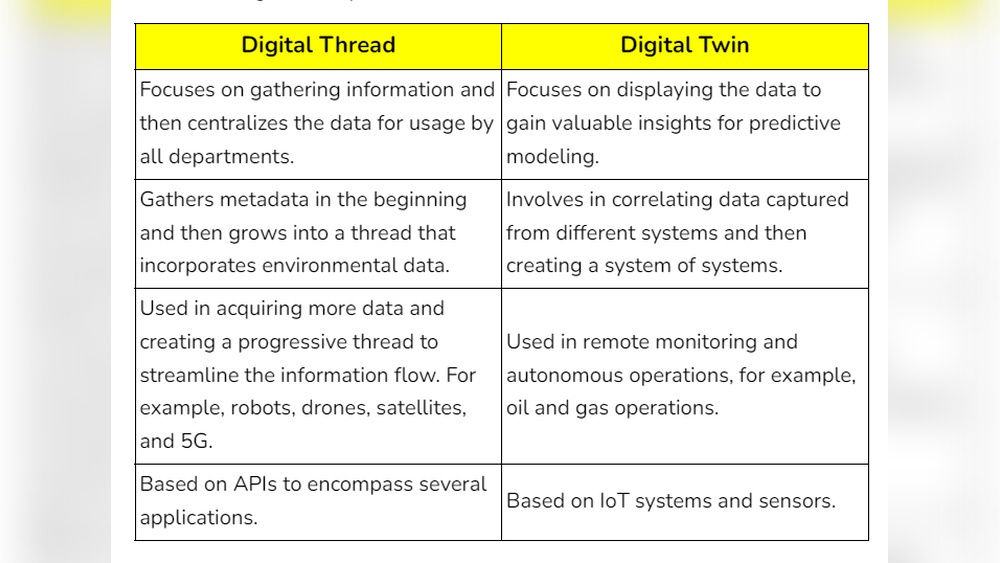
Are you confused about the difference between a digital thread and a digital twin? You’re not alone.
These two terms sound similar but serve very different purposes in your business or project. Understanding how each works can save you time, cut costs, and boost your efficiency. Keep reading to discover which one fits your needs and how you can use them to get ahead.
Digital Thread Basics
The digital thread is a key idea in modern manufacturing and engineering. It helps connect all the data from a product’s start to finish. This connection creates a clear path of information. It improves how teams work and how products develop.
Understanding the digital thread basics helps you see its value. It links design, production, and operation data into one flow. This flow supports better decisions and faster problem solving.
Core Concept
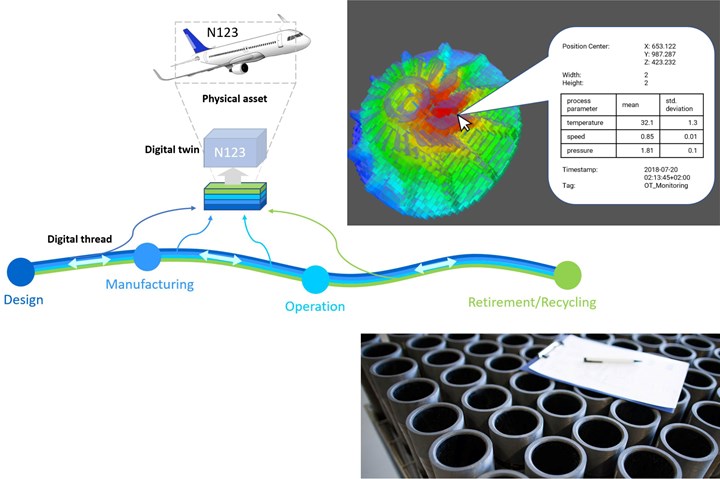
The digital thread is a continuous flow of data across a product’s life. It links every stage, from design to use. This connection ensures all teams share the same information. It reduces errors and speeds up updates.
Data Flow And Integration
Data flows smoothly between systems and tools. The digital thread integrates data from design software, machines, and sensors. This integration creates a full picture of the product. It helps track changes and performance in real time.
Role In Product Lifecycle
The digital thread supports every step of the product lifecycle. It guides design, testing, manufacturing, and maintenance. Teams use this data to improve quality and reduce costs. It makes products more reliable and easier to update.
Credit: www.steptools.com
Digital Twin Basics
Understanding the basics of a digital twin helps clarify its role in technology. A digital twin is a virtual copy of a physical object or system. It allows users to see, analyze, and predict how the real version behaves. This connection between the real and digital worlds supports better decisions and improved outcomes.
Core Concept
A digital twin is a digital model that mirrors a physical item or process. It uses data collected from sensors or other sources to update itself. This model acts like a bridge between the digital and physical worlds. It shows real-time data and simulates possible changes. The twin helps track performance and spot problems early.
Real-time Simulation
Real-time simulation means the digital twin updates instantly with live data. This lets users watch how the object works at any moment. The simulation helps predict what might happen next. It supports testing different scenarios without risking the real system. This saves time and reduces errors in operation or design.
Types Of Digital Twins
There are several types of digital twins, each serving a different purpose. A product twin focuses on a single item, like a machine. A process twin models workflows or factory operations. A system twin connects many parts to show how they interact. Each type helps in specific areas like maintenance or design improvements.
Comparing Digital Thread And Digital Twin
Digital Thread and Digital Twin are key concepts in modern technology. They both help companies manage products and systems better. Understanding their differences helps choose the right tool for each need.
Purpose And Function
Digital Thread connects all data across a product’s lifecycle. It links design, manufacturing, and usage information. This connection helps track changes and improve processes.
Digital Twin is a virtual model of a specific object or system. It mimics real-time behavior and performance. It allows testing and monitoring without affecting the real product.
Data Sources And Usage
Digital Thread uses data from various sources along the product journey. It gathers information from design software, factory machines, and service records. This helps create a full history of the product.
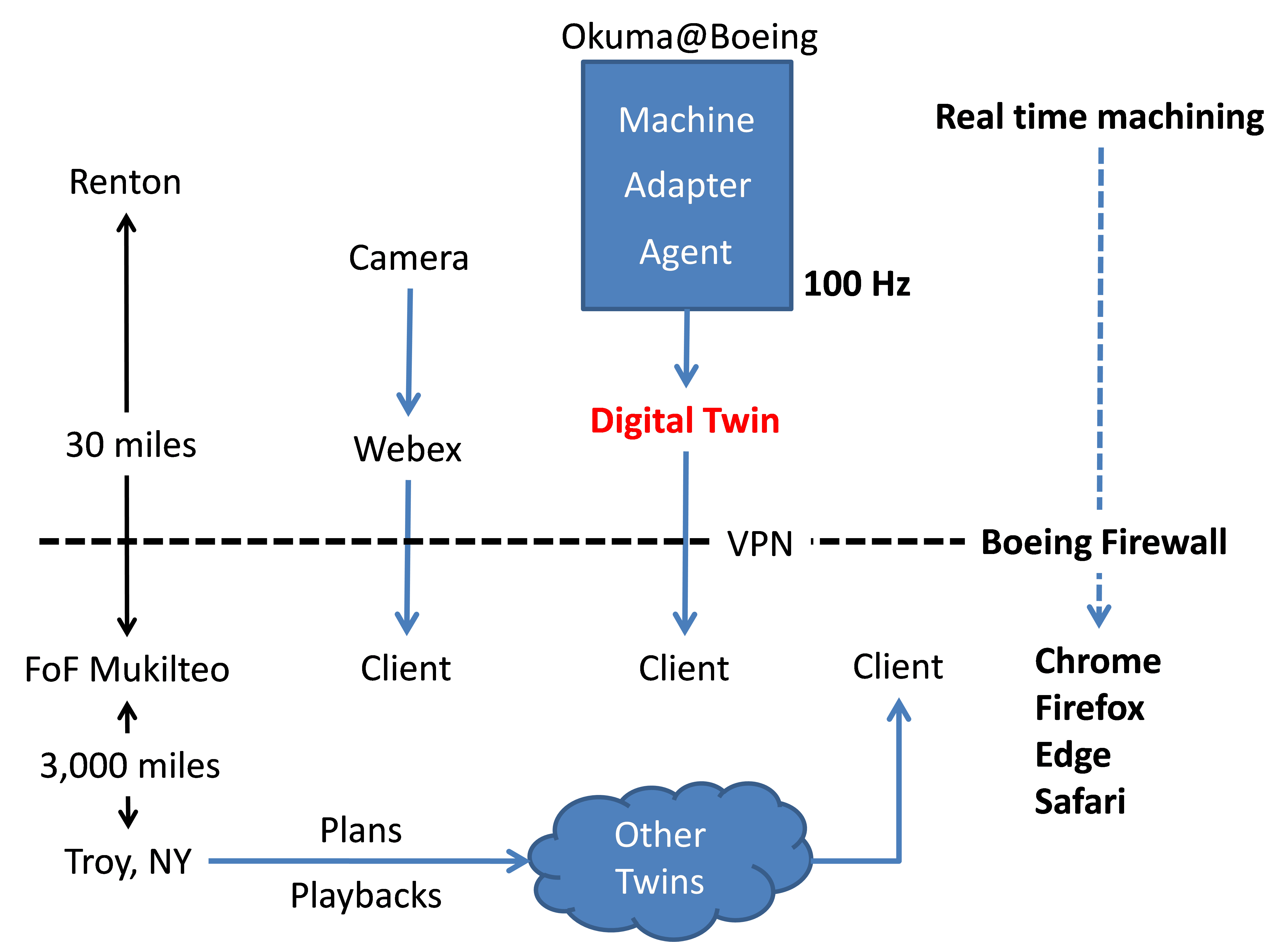
Digital Twin relies on live data from sensors and systems. It collects real-time updates to simulate current conditions. This data helps predict failures and optimize operation.
Scope And Scale
Digital Thread covers the entire lifecycle of many products. It focuses on data flow between departments and stages. This broad scope supports collaboration and traceability.
Digital Twin focuses on one specific product or system. It provides detailed insights into that single item’s status. This narrow scale supports detailed analysis and control.
Credit: www.compositesworld.com
Benefits Of Digital Thread
The digital thread connects data throughout a product’s lifecycle. It creates a clear path from design to manufacturing and beyond. This connection offers many benefits for companies. These benefits improve how teams work and how products are made.
Using a digital thread helps businesses stay organized and efficient. It provides accurate information at every stage. This reduces errors and speeds up decision-making.
Improved Collaboration
Teams can share real-time data easily. Everyone works with the same up-to-date information. This reduces misunderstandings and mistakes. Collaboration between departments becomes smoother. Faster communication leads to quicker problem-solving.
Enhanced Traceability
The digital thread tracks every change in the product. It records who made changes and when. This clear history helps find issues fast. It also supports quality control and compliance. Companies can quickly trace problems to their source.
Streamlined Manufacturing
Manufacturing processes become more efficient with the digital thread. It links design details directly to production steps. This reduces delays and rework. Machines and workers get accurate instructions on time. The result is faster production and less waste.
Benefits Of Digital Twin
Digital twins provide clear benefits for businesses and industries. They create virtual copies of real objects or systems. This helps companies understand, monitor, and improve their operations. Using digital twins leads to better decision-making and cost savings. Here are some key benefits of digital twins.
Predictive Maintenance
Digital twins help predict when machines might fail. They track equipment condition in real time. This allows fixing problems before they cause breakdowns. Predictive maintenance reduces downtime and repair costs. It also extends machine life and improves safety.
Performance Optimization
Digital twins allow testing changes in a virtual environment first. Companies can find the best ways to improve efficiency. They analyze data to spot weak spots and solve issues quickly. This leads to higher productivity and better product quality.
Risk Reduction
Digital twins simulate different scenarios and outcomes. This helps identify risks before they happen. Companies can plan for emergencies and reduce costly mistakes. It also supports safer operations and compliance with regulations.
Challenges In Implementation
Implementing Digital Thread and Digital Twin technologies brings many challenges. These challenges affect how companies collect, use, and manage data. They also impact the cost and technical effort needed to make these systems work well.
Data Management
Handling large amounts of data is a major challenge. Digital Threads and Digital Twins need accurate and updated data. Storing and processing this data requires strong systems. Poor data quality can cause wrong decisions and reduce trust.
Integration Complexity
Linking Digital Threads and Digital Twins with existing tools is difficult. Different systems use different formats and standards. Making these systems work together needs careful planning. It takes time and skilled staff to manage these connections.
Cost And Resources
Building and maintaining these technologies can be expensive. Companies must invest in software, hardware, and training. Small businesses may find these costs hard to afford. Resources must be carefully planned to avoid overspending.
Future Trends And Innovations
The future of Digital Thread and Digital Twin technologies shows exciting growth. These tools will become smarter and more connected. They will help industries work faster and make better decisions. New trends and innovations will shape how these technologies develop.
Advances in AI, IoT, and industry use will drive this change. Each area brings new ways to improve products and processes. Businesses will gain more insights and control than ever before.
Ai And Machine Learning
AI and machine learning will enhance both Digital Thread and Digital Twin. They can analyze large data sets quickly. This helps predict problems before they occur. Machines can learn from past data to improve future actions. AI will allow smarter simulations and real-time monitoring. It will reduce errors and save costs.
Iot Advancements
IoT devices will provide more data to Digital Thread and Digital Twin. Sensors will collect detailed information from machines and products. This will create accurate digital models. Faster communication will enable real-time updates. Better IoT will improve tracking and quality control. It will also support remote monitoring and maintenance.
Industry Adoption
More industries will adopt Digital Thread and Digital Twin technologies. Manufacturing, healthcare, and transportation are leading the way. They see clear benefits in efficiency and product quality. Smaller businesses will also start using these tools. Training and cost reduction will help spread adoption. Widespread use will lead to new applications and improvements.

Credit: www.gardnerweb.com
Frequently Asked Questions
What Is The Difference Between Digital Thread And Digital Twin?
Digital thread links data across a product’s lifecycle. Digital twin is a virtual model of a product or system.
How Does Digital Thread Improve Product Development?
It connects data from design, manufacturing, and use. This helps teams work with up-to-date, consistent information.
Can Digital Twin Predict Product Performance?
Yes, it simulates real-world conditions to test performance. This helps find issues before physical prototypes are made.
Which Industries Use Digital Thread And Digital Twin?
Manufacturing, aerospace, automotive, and healthcare often use both. They improve design, production, and maintenance processes.
How Do Digital Twin And Digital Thread Work Together?
Digital thread provides data that feeds the digital twin. The twin uses this data to stay accurate and useful.
Is Digital Twin A Real-time System?
Mostly yes, it updates as new data arrives. This allows monitoring and quick reaction to changes or problems.
What Are The Benefits Of Using Digital Thread?
It reduces errors, saves time, and improves product quality. Teams get better insights and faster decision-making.
Conclusion
Digital Thread and Digital Twin both help improve products and processes. Digital Thread links data from start to finish in a product’s life. Digital Twin creates a virtual copy of a product or system. Each has its own strengths and uses.
Choosing the right one depends on your goals. Understanding these tools can guide better decisions in business. Both work together to enhance innovation and efficiency. Keep exploring how they fit your needs best.