
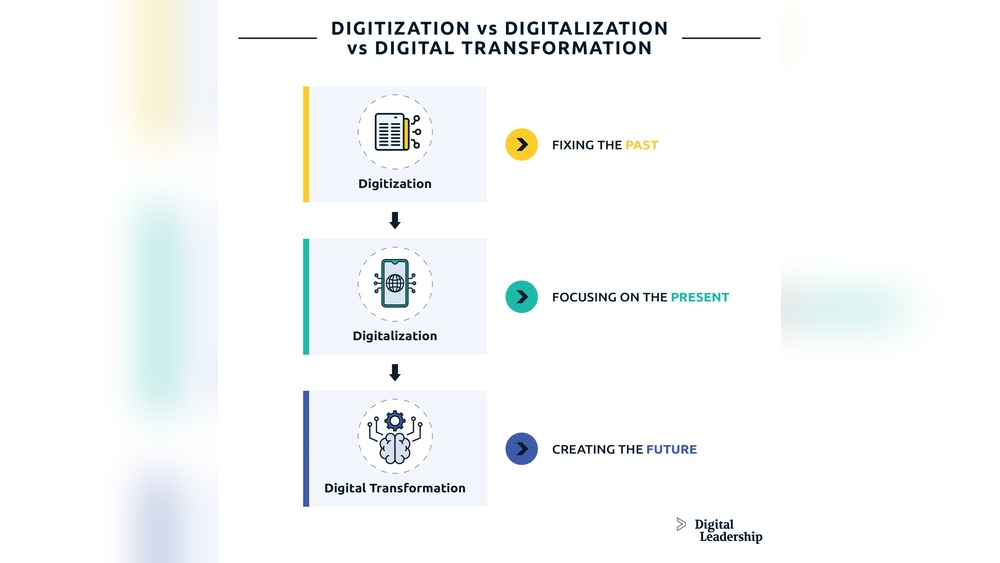
You’ve probably heard the terms “digitalization” and “digitization” used like they mean the same thing. But here’s the truth: they’re quite different, and knowing the difference can change how you approach your business or work.
Understanding these two ideas can help you make smarter decisions, save time, and stay ahead in a fast-moving world. Ready to clear up the confusion and unlock the power behind these terms? Keep reading, because what you learn here could transform the way you think about technology and growth.
Digitalization And Digitization Defined
Digitalization and digitization are terms often mixed up. Both relate to technology but have different meanings. Understanding their differences helps businesses use technology better. This section explains what each term means clearly and simply.
Meaning Of Digitization
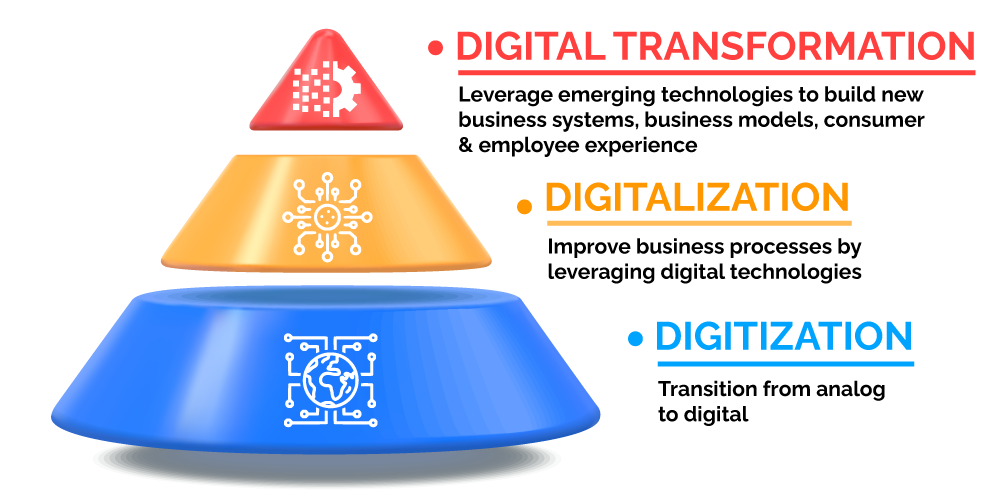
Digitization means turning information into digital form. It converts paper documents, photos, or sounds into computer files. For example, scanning a paper document creates a digital copy. Digitization makes data easy to store and share.
This process does not change how work is done. It just changes the format of information. Digitization is the first step toward using modern technology in business.
Meaning Of Digitalization
Digitalization means using digital technology to change business activities. It improves how work is done, making processes faster and easier. For example, using online tools to manage sales or customer service.
Digitalization transforms how companies operate. It helps them serve customers better and reduce costs. It goes beyond digitization by changing workflows and strategies.

Credit: www.arcweb.com
Core Differences Between Digitalization And Digitization
The core differences between digitalization and digitization shape how businesses evolve in the digital era. Both terms relate to technology but serve distinct roles. Understanding their differences helps companies use them effectively.
Digitalization transforms business models and processes by using digital technologies. Digitization, on the other hand, focuses on converting information from physical to digital form.
Scope And Purpose
Digitization converts analog data into digital formats. Examples include scanning documents or converting paper records to digital files. Its purpose is to make information easier to access and share.
Digitalization goes beyond data conversion. It changes how businesses operate and deliver value. It involves adopting digital tools to improve efficiency and customer experience.
Impact On Business Processes
Digitization improves existing processes by making data digital. It reduces errors and speeds up data handling. It does not change the process itself.
Digitalization redesigns processes using digital technologies. It creates new workflows and methods. This leads to higher productivity and innovation.
Technology Involvement
Digitization uses basic digital tools like scanners and software. These tools focus on data conversion and storage.
Digitalization involves advanced technologies such as cloud computing, artificial intelligence, and automation. These technologies enable smarter decision-making and new business models.
Benefits Of Digitization
Digitization brings many benefits to businesses and individuals. It changes how we handle information. Instead of paper files, data moves to digital forms. This shift makes tasks faster and easier. It also helps reduce errors and saves space. Digitization supports better decision-making and smoother workflows.
Efficiency In Data Management
Digitization speeds up data handling. Digital files are easier to sort and search. It reduces time spent on manual tasks. Automation can organize and update data quickly. Teams access the latest information without delay. This leads to fewer mistakes and better accuracy.
Cost Reduction
Digitization lowers costs by cutting paper use. It also reduces physical storage needs. Businesses save money on printing and shipping. Digital tools often replace expensive manual labor. Maintenance and retrieval of data become less costly. These savings improve overall budget management.
Improved Accessibility
Digital data is accessible from anywhere. Employees can view files on different devices. Remote work becomes easier and more effective. Sharing information happens instantly across teams. Accessibility supports faster responses and collaboration. It breaks down barriers caused by location.
Advantages Of Digitalization
Digitalization offers many benefits for businesses and customers. It changes how companies work and interact with users. This process helps companies become more efficient and competitive. It also improves the overall experience for customers.
Enhanced Customer Experience
Digitalization makes services faster and more accessible. Customers can get help anytime through online channels. Personalization becomes easier, meeting individual needs better. Simple and smooth interactions increase customer satisfaction. Companies can respond quickly to feedback and problems.
Business Model Innovation
Digitalization allows businesses to create new ways to deliver value. It opens doors to offer digital products and services. Companies can explore subscription or pay-as-you-go models. This flexibility helps attract and keep more customers. It also reduces costs by automating many processes.
Competitive Edge
Digitalization helps businesses stay ahead of competitors. It provides real-time data to make smart decisions. Companies can adapt quickly to market changes and trends. Faster innovation keeps products and services fresh. Efficient operations lower costs and improve profit margins.
Common Misconceptions
Many people confuse digitalization and digitization. They think these words mean the same thing. This confusion can cause mistakes in business and technology discussions. Understanding the differences helps make better decisions. Let’s clear up some common misconceptions.
Interchangeable Use Of Terms
People often use digitalization and digitization as if they are the same. Digitization means converting information into a digital format. Digitalization means using digital technology to change business processes. These two are related but not identical. Using them interchangeably can lead to wrong ideas about projects or goals.
Overlapping Technologies
Both digitalization and digitization use similar tools like computers and software. This overlap makes it harder to tell them apart. Digitization is about data conversion. Digitalization involves applying that data to improve work or services. Knowing this difference helps to focus on what technology solves. It also guides how to use technology smartly.
Real-world Examples
Understanding how digitization and digitalization work in real life helps clarify their differences. Examples from various industries show how each process affects daily operations and services. These examples make the concepts easier to grasp and relate to.
Digitization In Healthcare
Hospitals convert paper records into digital files. This change allows faster access to patient information. Doctors can view medical history on computers or tablets. It reduces the time spent searching for physical files. Digitization also helps in storing large amounts of data securely.
Medical images like X-rays and MRIs are digitized. Digital images improve clarity and sharing between specialists. They help doctors make quick and accurate diagnoses. Digitization in healthcare improves record keeping and patient care.
Digitalization In Retail
Retail stores use digital tools to improve customer experience. Online shopping platforms replace traditional stores. Customers browse and buy products using smartphones or computers. Digital payment systems make checkout fast and easy.
Stores analyze online and in-store data to understand customer behavior. This insight helps tailor marketing and inventory management. Digitalization allows retailers to offer personalized promotions and quick delivery. It changes the way stores operate and serve customers.
Future Trends
The future of digitalization and digitization is full of exciting changes. Both continue to shape how businesses and people work and live. Understanding upcoming trends helps companies stay ahead. It also guides investments in technology and training. The next few years will bring new tools and strategies that deepen digital transformation.
Emerging Technologies
New technologies are driving digital change faster than ever. Artificial intelligence is improving decision-making and automation. Cloud computing offers flexible and scalable resources for businesses. Internet of Things (IoT) connects devices and collects valuable data. Blockchain enhances security and trust in digital transactions. These technologies push the limits of what digitization can achieve. They also expand digitalization across entire industries.
Evolving Business Strategies
Businesses are changing how they use digital tools to grow. They focus on customer experience through personalized services and faster responses. Data analytics helps companies understand markets and improve products. Remote work and digital collaboration become standard practices. Companies adopt agile methods to adjust quickly to market shifts. These strategies help firms stay competitive in a digital world.
Credit: quixy.com

Credit: www.yokogawa.com
Frequently Asked Questions
What Is The Difference Between Digitalization And Digitization?
Digitization means converting information into digital form. Digitalization means using digital technology to improve business processes.
Why Is Digitalization Important For Businesses Today?
Digitalization helps businesses work faster and reach more customers. It improves efficiency and saves time and money.
How Does Digitization Help In Data Management?
Digitization makes data easy to store and access on computers. It reduces errors and speeds up information sharing.
Can Digitalization Improve Customer Experience?
Yes, digitalization allows businesses to offer faster and personalized services. It makes customer interactions smoother and more convenient.
What Are Common Examples Of Digitization And Digitalization?
Scanning paper documents is digitization. Using online tools to automate tasks is digitalization. Both help modernize work.
Conclusion
Digitalization and digitization often get mixed up but mean different things. Digitization means changing information into digital form. Digitalization is using digital data to improve business or life. Both help companies grow and work smarter. Understanding their differences helps you make better choices.
Start small, focus on clear goals, and learn as you go. This way, you can use digital tools well and see real benefits. Keep it simple and practical for the best results.