
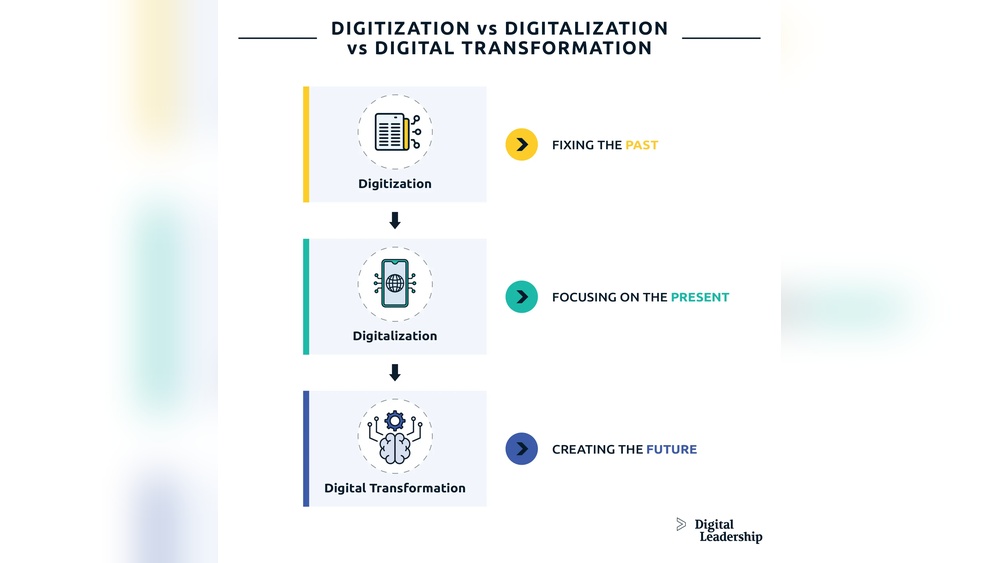
Have you ever wondered what really sets digitalization apart from digitization? These two terms sound similar, but they have very different impacts on how you work and grow your business.
Understanding the difference can unlock new opportunities and help you make smarter decisions. This article will clear up the confusion and show you exactly how each one can change your approach to technology and success. Keep reading, and you’ll discover insights that could transform the way you think about your digital future.

Credit: www.arcweb.com
Digitalization And Digitization Basics
Understanding the basics of digitalization and digitization helps clarify their roles in today’s technology. Many confuse these terms, but they mean different things. Both play a vital role in how businesses and individuals use technology.
Defining Digitization
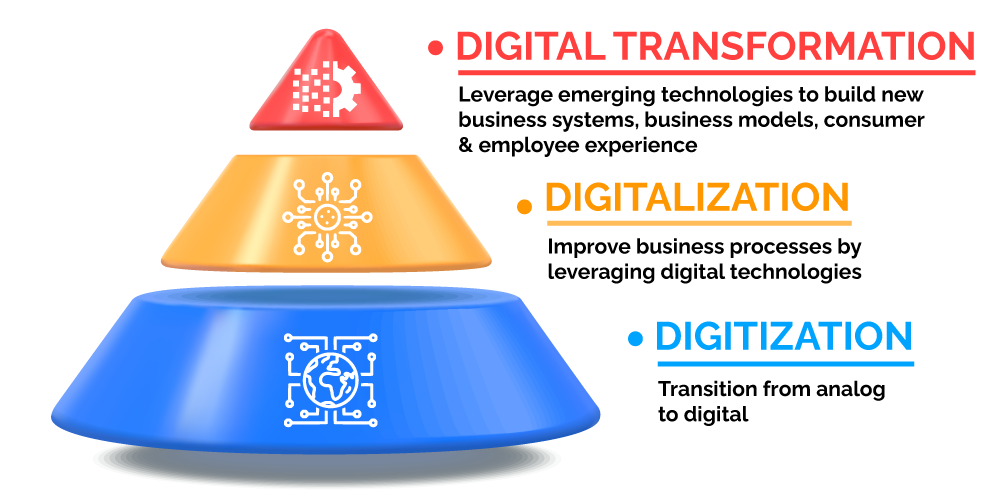
Digitization is the process of converting information from physical to digital form. It means turning paper documents into digital files, like PDFs or images. This step makes data easier to store and share. It does not change how the information is used; it just changes the format.
Defining Digitalization
Digitalization means using digital technology to change how work is done. It improves processes by using digital tools and systems. This can make tasks faster, cheaper, or more efficient. Digitalization often leads to new ways of doing business or serving customers.
Origins And Evolution
Digitization began with the rise of computers and scanners in the late 20th century. It focused on creating digital copies of analog information. Digitalization grew later, as internet and mobile technologies advanced. It now covers broad changes in business models and daily life. Both continue to evolve with new tech innovations.
Core Differences
Understanding the core differences between digitalization and digitization helps businesses make better decisions. Both terms relate to technology but serve different roles. Knowing their distinctions reveals how companies can use them effectively.
Scope And Purpose
Digitization means converting information into digital format. It often involves scanning paper documents or saving data electronically. Digitalization is broader. It means using digital technology to change how work is done and improve processes.
Processes Involved
Digitization focuses on simple tasks like creating digital files. It requires less effort and time. Digitalization needs deeper changes. It involves redesigning workflows and adopting new digital tools. This process is more complex and ongoing.
Impact On Business Models
Digitization improves efficiency by making data easier to access. It does not change business models much. Digitalization can transform business models. It creates new ways to deliver products and services. It often leads to better customer experiences and new revenue streams.
Technologies Driving Each Concept
Technologies play a key role in both digitization and digitalization. Each concept uses different tools and platforms. These technologies help businesses improve processes and services.
Digitization focuses on converting information from physical to digital form. Digitalization uses digital data to change business operations and models. Understanding the technologies behind each concept helps clarify their impact.
Tools For Digitization
Scanning devices capture paper documents as digital files. Optical Character Recognition (OCR) software turns images into editable text. Digital cameras and sensors collect data from physical objects. These tools transform analog information into digital formats quickly and accurately.
Platforms For Digitalization
Cloud computing platforms store and manage digital data securely. Enterprise Resource Planning (ERP) systems integrate business processes digitally. Customer Relationship Management (CRM) platforms enhance customer interactions using digital data. These platforms enable companies to redesign workflows and improve efficiency.
Role Of Automation And Ai
Automation speeds up repetitive tasks using software robots. Artificial Intelligence (AI) analyzes data to support decision-making. Together, automation and AI reduce errors and save time. They drive both digitization and digitalization by making processes smarter and faster.
Benefits And Challenges
Understanding the benefits and challenges of digitization and digitalization helps businesses grow. Both processes improve how work is done but in different ways. Knowing their strengths and risks guides better decisions.
Advantages Of Digitization
Digitization turns paper documents into digital files. It saves space and makes data easy to find. Companies reduce costs by cutting down on printing and storage.
Digital files can be shared quickly. This speeds up communication between teams. It also helps keep records safe from damage or loss.
Advantages Of Digitalization
Digitalization changes business processes using digital tools. It improves efficiency by automating routine tasks. This frees up employees to focus on more important work.
It helps create new services and products. Businesses can respond faster to customer needs. Digitalization often leads to better decision-making with real-time data.
Common Obstacles And Risks
Both digitization and digitalization face challenges. Cost of technology and training can be high. Some employees may resist changes to their work.
Data security is a major concern. Digital systems need strong protection against hacking. Without proper safeguards, companies risk losing sensitive information.
Technical problems can disrupt business operations. Reliable support and maintenance are essential. Planning helps reduce the risks and improve success.
Applications Across Industries
Digitalization and digitization have distinct roles across many industries. Both improve processes but in different ways. Digitization converts information into digital format. Digitalization uses that digital data to change business operations. Many industries apply these concepts to boost efficiency and service quality.
These technologies shape how industries operate today. They help reduce costs and save time. They also improve accuracy and customer experience. Let’s explore key industries and their uses of digitalization and digitization.
Manufacturing And Production
Manufacturing uses digitization to create digital versions of designs. Digitalization helps automate production lines and monitor machines. Factories collect data in real-time to avoid breakdowns. This improves quality and lowers waste. Digital tools speed up product development and delivery.
Healthcare And Medicine
Healthcare digitizes patient records for easy access. Digitalization allows remote monitoring and telemedicine services. Doctors use digital tools to analyze scans and test results. This leads to faster diagnoses and better care. Hospitals improve patient management and reduce errors.
Finance And Banking
Banks digitize documents and transactions for security and speed. Digitalization supports online banking and automated services. Customers access accounts anytime, from anywhere. Fraud detection systems use digital data to protect users. Finance companies analyze data to offer personalized products.
Education And Training
Education digitizes textbooks and learning materials for easier access. Digitalization enables online courses and virtual classrooms. Students learn at their own pace using digital tools. Teachers track progress through digital platforms. This makes education more flexible and inclusive.

Credit: www.yokogawa.com
Future Trends And Predictions
The future of digitalization and digitization holds many exciting possibilities. Both are set to change how businesses and people interact with technology. Trends show rapid growth in technology, workforce changes, and customer demands. Understanding these shifts helps companies stay ahead and serve their customers better.
Emerging Technologies
Artificial intelligence is becoming a key part of digital growth. It helps automate tasks and analyze data quickly. Cloud computing allows easy access to information from anywhere. The Internet of Things connects devices, making data collection smarter. These technologies support both digitalization and digitization efforts. They make processes faster and more efficient.
Shifts In Workforce Dynamics
Workplaces are changing with new digital tools. Remote work is now common due to better online platforms. Employees need new skills to handle digital systems. Training and education focus more on technology use. Teams collaborate across different locations seamlessly. These changes affect how companies organize work and manage talent.
Evolving Customer Expectations
Customers expect faster and more personalized service. They want easy access to information on multiple devices. Digital experiences must be smooth and reliable. People prefer self-service options powered by digital tools. Businesses that meet these demands gain trust and loyalty. Understanding customer needs drives future digital strategies.
Credit: quixy.com
Frequently Asked Questions
What Is The Difference Between Digitalization And Digitization?
Digitization means converting information from analog to digital form. Digitalization uses digital data to improve business processes and services.
How Does Digitization Impact Everyday Business Operations?
Digitization speeds up tasks by changing paper files into digital ones. It helps businesses access and share information easily and quickly.
Why Is Digitalization Important For Modern Companies?
Digitalization helps companies work smarter by using digital tools. It improves customer service and reduces costs through automation.
Can Digitization Happen Without Digitalization?
Yes, digitization can happen alone by scanning documents. But digitalization needs digitized data to change how work is done.
What Are Common Examples Of Digitalization In Daily Life?
Online banking, digital health records, and e-commerce are digitalization examples. They use digital tools to make tasks faster and simpler.
Conclusion
Digitalization and digitization are often mixed but mean different things. Digitization turns information into digital form. Digitalization uses that digital data to change how work gets done. Both play key roles in today’s technology world. Knowing the difference helps businesses choose the right path.
It also makes technology easier to use and understand. Embracing both can lead to smarter and faster processes. The choice depends on your goals and needs. Start small, learn, and grow with digital tools.