Are you wondering how to boost your business and reach more customers online? You’ve probably heard about digital marketing and social media marketing, but do you know the real difference between the two?
Understanding these can change the way you promote your brand and spend your budget. This article will clear up the confusion and help you decide which strategy fits your goals best. Keep reading to discover what works for you and how to get the most out of your marketing efforts.
Credit: peppermintcreate.com
Scope Of Digital Marketing
Digital marketing covers a wide range of activities beyond social media. It uses many channels to reach customers online. This broad scope allows businesses to connect with different audiences in various ways.
Understanding these channels helps clarify how digital marketing differs from just social media marketing. The wide reach and flexibility make digital marketing a powerful tool for businesses.
Channels Beyond Social Media
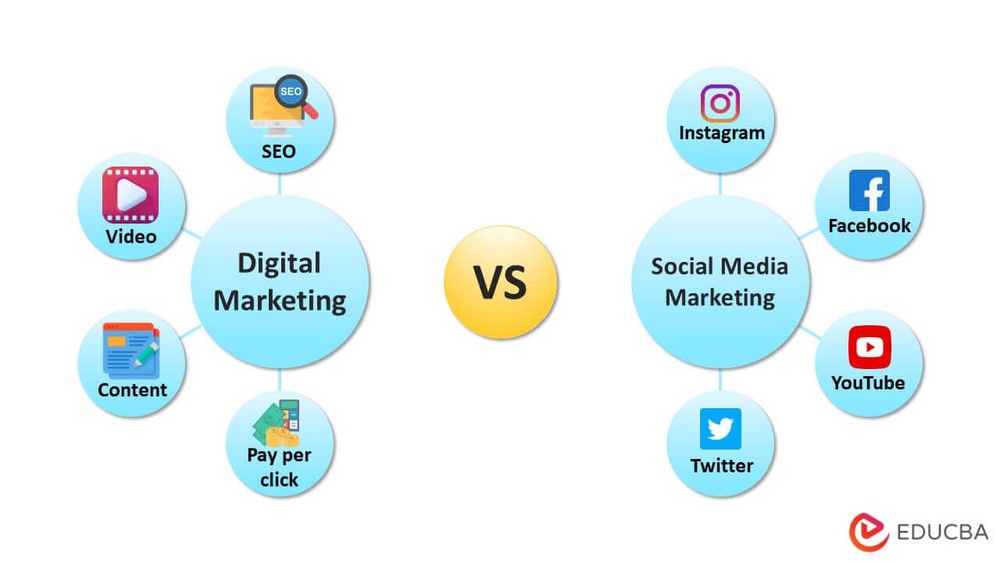
Digital marketing includes search engines, email, websites, and online ads. Search engine optimization (SEO) helps websites rank higher on Google. Email marketing sends messages directly to customers’ inboxes. Pay-per-click ads appear on search results or websites. Content marketing shares useful articles, videos, or blogs. These channels work together to attract and engage customers.
Integration With Traditional Marketing
Digital marketing often connects with traditional marketing methods. TV, radio, and print ads can support online campaigns. Using both online and offline channels builds stronger brand awareness. This mix helps reach people who prefer different types of media. Combining digital and traditional marketing creates a balanced approach.
Focus Areas Of Social Media Marketing
Social media marketing focuses on connecting with audiences through online platforms. It targets specific groups to build relationships and promote brands. Understanding key areas helps businesses use social media effectively.
Popular Social Platforms
Social media marketing uses platforms where people spend time daily. Facebook remains a top choice for wide reach and diverse audiences. Instagram attracts younger users with visual content like photos and videos. Twitter works well for quick updates and real-time conversations. LinkedIn targets professionals, ideal for business networking and B2B marketing. TikTok grows fast with short, creative videos that engage younger users. Choosing the right platform depends on where the audience is active.
Content Types And Engagement
Content drives social media success. Posts include images, videos, text, and stories. Videos capture attention quickly and often get more shares. Images create instant interest and help messages stand out. Stories offer short, temporary content that feels personal and urgent. Engagement happens through likes, comments, and shares. Responding to comments builds trust and encourages more interaction. Polls and questions invite users to join conversations. Good content keeps followers interested and loyal.
Target Audience And Reach
Understanding the target audience and reach is key in digital marketing and social media marketing. Both strategies aim to connect with people but use different methods. Knowing the difference helps businesses spend their budget wisely and get better results.
Broad Vs. Niche Targeting
Digital marketing often targets a broad audience using search engines, websites, and emails. It casts a wide net to attract many potential customers. Social media marketing usually focuses on niche groups with specific interests or demographics. Platforms like Facebook and Instagram allow precise targeting by age, location, and hobbies. This helps brands reach people who are more likely to be interested in their products.
Organic And Paid Strategies
Both digital and social media marketing use organic and paid methods. Organic strategies include content creation and search engine optimization. These methods build trust over time without direct costs. Paid strategies involve ads and sponsored posts. Digital marketing ads appear on search results and websites. Social media ads show up in users’ feeds and stories. Paid ads offer quick reach and precise targeting, while organic methods take longer but create lasting engagement.

Credit: www.springboard.com
Tools And Techniques
Tools and techniques are essential in both digital marketing and social media marketing. They help businesses reach the right audience and measure success. These tools make tasks easier and more efficient. Each marketing approach uses specific tools to achieve its goals.
Analytics And Metrics
Analytics track user behavior and campaign performance. Digital marketing tools analyze website traffic, conversion rates, and user engagement. Social media marketing focuses on likes, shares, comments, and follower growth. Both types of analytics help marketers understand what works and what needs improvement. Data guides future marketing strategies and budget allocation.
Automation And Scheduling
Automation tools save time by handling repetitive tasks. Digital marketing uses email automation and customer relationship management (CRM) systems. Social media marketing relies on scheduling tools to plan posts ahead. These tools ensure consistent communication with the audience. Automation also improves efficiency and reduces human errors.
Budget Considerations
Budget plays a big role in choosing between digital marketing and social media marketing. Knowing the costs helps businesses plan better. It also allows them to use funds wisely for the best results.
Understanding how much each option costs is key. A clear idea of expenses helps avoid surprises. Budget limits often decide which marketing method suits a business.
Cost Variations
Digital marketing costs vary widely. It includes many channels like email, SEO, and pay-per-click ads. Each channel has its own price range.
Social media marketing usually costs less upfront. It focuses on platforms like Facebook, Instagram, or Twitter. Spending depends on ad type and audience size.
Small businesses may find social media marketing cheaper to start. Digital marketing can require larger budgets for full campaigns. Costs also change based on goals and tools used.
Return On Investment
Return on investment (ROI) measures how much profit comes from marketing spend. Digital marketing often shows clear ROI through tracking tools. Businesses can see which campaigns work best.
Social media marketing ROI can be harder to measure. Engagement and brand awareness may grow without immediate sales. Still, it builds customer trust over time.
Both methods can deliver strong ROI. Success depends on strategy, budget, and consistent effort. Wise spending leads to better returns in either case.
Campaign Goals And Objectives
Campaign goals and objectives guide every marketing effort. They define what a business wants to achieve. Digital marketing and social media marketing share some goals but differ in focus and approach. Understanding these differences helps choose the right strategy.
Brand Awareness
Brand awareness means making people recognize a brand. Digital marketing uses many channels like websites, email, and ads. It reaches a broad audience across the internet.
Social media marketing focuses on building brand presence on platforms like Facebook and Instagram. It engages users with posts, stories, and comments. This creates a more personal connection.
Lead Generation And Sales
Lead generation is about attracting potential customers. Digital marketing uses targeted ads, SEO, and email campaigns to collect leads. It tracks data to find the best prospects.
Social media marketing also generates leads through interactive content and direct messages. It can drive quick sales by promoting offers to active users. Both methods support sales but use different tools.
Challenges And Limitations
Digital marketing and social media marketing face various challenges. These hurdles can limit success and affect results. Understanding these issues helps businesses adapt and improve strategies.
Algorithm Changes
Algorithms control what content users see online. Platforms like Google and Facebook often change these rules. Marketers must constantly adjust their tactics. These changes can reduce visibility and reach. It becomes harder to keep audiences engaged. Staying updated with algorithm shifts is a constant task.
Audience Saturation
Many brands compete for attention on the same platforms. This leads to audience saturation. Users see too many ads and posts daily. It makes standing out difficult for marketers. Audiences may ignore or block repetitive content. Marketers need fresh ideas to stay noticed. Overcoming saturation requires creativity and persistence.
Future Trends
The future of digital marketing and social media marketing will change quickly. New tools and habits will shape how brands reach people. Staying updated will help marketers stay effective and relevant.
Emerging Technologies
Artificial intelligence will play a bigger role in marketing. It helps create personalized ads and content fast. Virtual reality and augmented reality will offer new ways to engage customers. Chatbots will improve customer service on social media. Voice search will change how people find information online. Marketers must learn to use these tools well.
Evolving Consumer Behavior
People want more authentic and honest brand messages. They prefer short, clear, and visual content. Mobile use will keep growing, so marketing must be mobile-friendly. Privacy concerns will make consumers cautious about their data. Social media users expect quick responses from brands. Trust and transparency will become key to winning customers.

Credit: www.reliablesoft.net
Frequently Asked Questions
What Is The Main Difference Between Digital Marketing And Social Media Marketing?
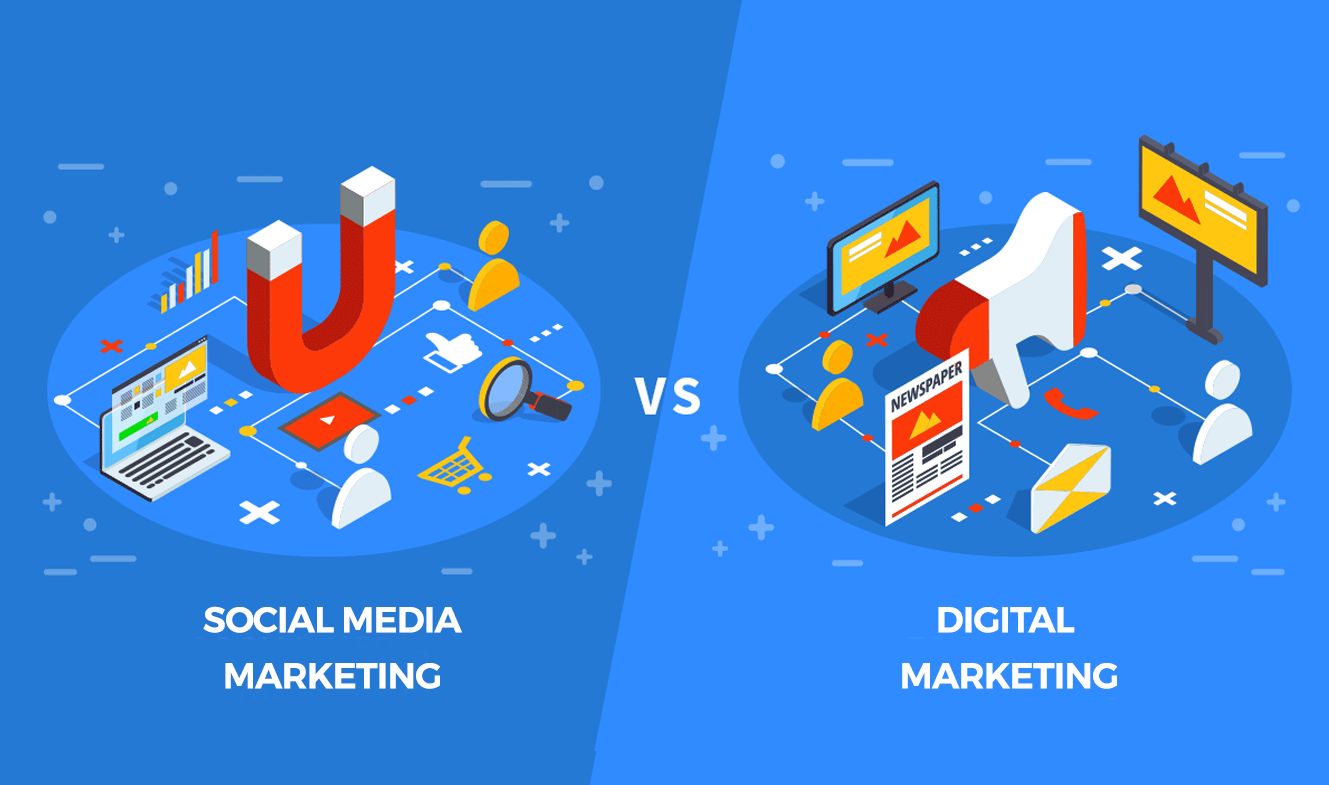
Digital marketing covers all online marketing channels. Social media marketing focuses only on social platforms like Facebook or Instagram.
Can Social Media Marketing Work Without Digital Marketing?
Social media marketing can work alone but digital marketing helps reach more people. They often work best together.
Which Is Better For Small Businesses: Digital Or Social Media Marketing?
Social media marketing is often cheaper and easier for small businesses. Digital marketing offers a wider reach but may cost more.
How Do Digital Marketing And Social Media Marketing Measure Success?
Digital marketing tracks website visits, clicks, and sales. Social media marketing focuses on likes, shares, comments, and followers.
Does Social Media Marketing Include Paid Advertising?
Yes, social media marketing uses paid ads on platforms. Digital marketing also includes paid ads on search engines and websites.
Conclusion
Digital marketing covers many online methods to reach customers. Social media marketing focuses on platforms like Facebook and Instagram. Both help businesses grow but serve different purposes. Choosing the right one depends on your goals and audience. Use digital marketing for broad reach and data tracking.
Use social media marketing to build relationships and engage users. Combining both can create a strong online presence. Think about what fits your business best. Start small, test, and learn as you go. Success comes from using tools that work for you.