
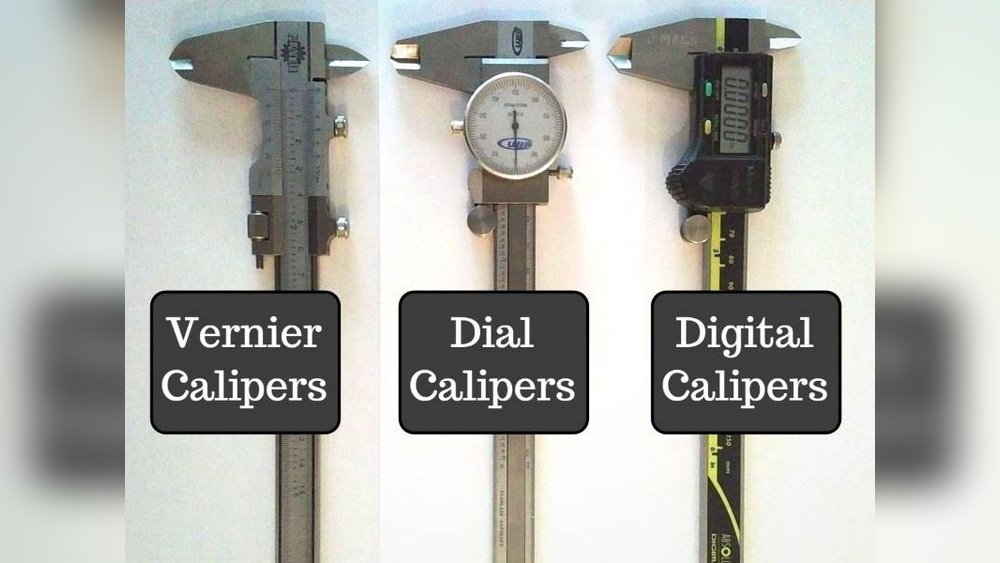
When it comes to measuring with precision, choosing the right tool makes all the difference. You might be wondering whether a dial caliper or a digital caliper suits your needs better.
Both have their strengths, but understanding how each works can save you time, reduce mistakes, and improve your results. You’ll discover the key differences between dial and digital calipers, so you can pick the perfect one for your projects and get the most accurate measurements every time.
Keep reading—you’re about to make your measurements easier and more reliable.

Credit: learn.adafruit.com
Dial Caliper Basics
Dial calipers are precise tools used to measure objects. They show measurements on a dial, which makes reading easier. This tool has been popular for many years in workshops and labs. Understanding dial calipers helps you decide if they fit your needs better than digital calipers.
Design And Components
A dial caliper has several key parts. It includes a main scale and a sliding jaw. The dial is circular and shows the measurement. A needle on the dial moves as the jaw slides. There is also a locking screw to hold the position.
How It Measures
The jaws of the caliper close on the object to measure. The main scale shows the measurement in inches or millimeters. The dial needle moves to show fractions of a unit. This allows for precise readings down to thousandths of an inch. The user reads both the scale and dial for the final measurement.
Common Uses
Dial calipers are used in many fields. Mechanics use them to measure engine parts. Woodworkers check thickness and depth. Metalworkers use them for small, precise measurements. They work well where battery power is not reliable. Their durability makes them good for tough workshop environments.
Digital Caliper Basics
Digital calipers have become popular tools for precise measurement. They offer clear, quick readings. These tools are easy to use even for beginners. Understanding their basics helps in choosing the right caliper for tasks.
Design And Features
Digital calipers usually have a stainless steel body. They include a digital screen for easy reading. The screen shows measurements in inches or millimeters. Some models have buttons for zeroing or switching units. Their jaws measure inside, outside, and depth dimensions. The design focuses on accuracy and user comfort.
Measurement Technology
Digital calipers use electronic sensors to measure distances. The sensors detect the position of the sliding jaw. This data converts into digital numbers shown on the screen. They provide precise readings, often up to 0.01 millimeters. Battery power is needed to run the digital display. This technology reduces human error in reading measurements.
Popular Applications
Digital calipers are widely used in many fields. They help in metalworking and woodworking for exact cuts. Engineers use them to check parts during manufacturing. Hobbyists find them useful for model building and crafts. Their accuracy makes them suitable for quality control tasks. Anyone needing precise measurements can benefit from digital calipers.
Accuracy And Precision
Accuracy and precision are key factors in choosing between dial and digital calipers. These tools measure objects, but their reliability varies. Understanding their strengths helps pick the right tool for the job. The focus here is on how consistent their measurements are, the typical errors you might see, and their calibration needs.
Measurement Consistency
Dial calipers use a mechanical dial to show measurements. This can cause slight variations each time you measure. Digital calipers display numbers on a screen, reducing guesswork. They usually give the same reading for repeated measures. Digital models often offer better consistency for precise tasks.
Error Margins
Dial calipers have small mechanical parts that can wear out. This wear causes tiny errors in reading. Digital calipers have electronic sensors that reduce these errors. Their error margins are often smaller than dial calipers. Still, both types can have errors if not handled carefully.
Calibration Needs
Dial calipers need regular manual calibration. This keeps their dial and scale aligned correctly. Digital calipers also require calibration but less often. Some digital models reset automatically when turned on. Proper calibration ensures accurate and precise measurements every time.
Ease Of Use
Ease of use is a key factor when choosing between a dial and a digital caliper. Each type has its own way of showing measurements and interacting with the user. Some users find one tool simpler than the other. Understanding these differences helps you pick the right caliper for your needs.
Reading Measurements
Dial calipers use a circular dial with a needle. The needle points to the measurement on a scale. This can be tricky for beginners. You must carefully read the dial and the main scale. Digital calipers show numbers on a screen. The numbers are clear and easy to read. No need to guess or interpret. Digital readouts reduce mistakes in measurement.
User Interface
Dial calipers have a physical dial and a sliding scale. You turn a small wheel to move the jaws. The interface feels mechanical and tactile. Digital calipers have buttons to turn on, zero the display, and switch units. The buttons are simple and quick to use. Digital tools offer more convenience with fewer steps.
Learning Curve
Dial calipers require practice to read correctly. Beginners may find it confusing at first. It takes time to get used to the needle and scale. Digital calipers are easier to learn. The clear digital numbers mean less guesswork. Users can start measuring accurately almost immediately. Digital calipers suit those new to measuring tools.
Durability And Maintenance
Durability and maintenance play a big role in choosing between dial and digital calipers. Both tools face wear and tear from daily use. Knowing how to care for each type helps them last longer and perform better.
Material And Build Quality
Dial calipers usually have metal bodies. This makes them strong and hard to break. The dial part is often covered with glass or plastic. Digital calipers often use metal or plastic. Plastic models are lighter but less durable. Metal ones hold up better under rough use. Check the quality before buying to match your needs.
Battery And Power Considerations
Dial calipers do not need batteries to work. This makes them reliable anytime. Digital calipers run on small batteries. These batteries last a long time but will need changing. Some digital models turn off automatically to save power. Keep spare batteries handy to avoid downtime.
Cleaning And Care
Dust and dirt can affect both caliper types. Wipe the measuring surfaces with a clean cloth. Use a little oil on metal parts to stop rust. Avoid water on digital screens and dials. Store calipers in cases to protect from damage. Regular care keeps measurements accurate and tools ready.
Cost Comparison
Comparing the cost of dial and digital calipers helps decide the best tool for your needs. Costs vary based on features, quality, and brand. Understanding these differences can save money and ensure you get the right caliper.
Initial Purchase Price
Dial calipers usually cost less than digital ones at first. Basic dial calipers are simple tools with fewer parts. Digital calipers have electronic parts, which raise their price. The price gap can be significant for casual users.
Long-term Expenses
Dial calipers have low ongoing costs because they don’t need batteries. Digital calipers require battery replacements over time. Repairs may cost more for digital calipers due to complex electronics. Dial calipers are easier and cheaper to fix if broken.
Value For Money
Dial calipers offer good value for simple measuring tasks. Digital calipers provide faster and easier reading, saving time. For frequent use, digital tools may justify their higher price. Choose based on how often and precisely you measure.
Choosing The Right Caliper
Choosing the right caliper is important for accurate measurements. Different types serve different needs. Both dial and digital calipers have their strengths. Understanding your needs helps you pick the best tool.
Task Requirements
Consider the type of measurement you need. Dial calipers are great for quick, simple readings. Digital calipers provide precise results and easy-to-read numbers. For complex tasks, digital calipers may be better. For basic work, dial calipers work well.
Work Environment
Think about where you will use the caliper. Digital calipers need batteries and can be sensitive to dirt. Dial calipers are more durable in rough environments. For clean, controlled spaces, digital calipers shine. For dusty or oily places, dial calipers last longer.
Personal Preference
Your comfort with the tool matters. Some prefer the classic feel of dial calipers. Others like the quick digital readout. Try both types before buying. Choose the one that feels easier to use. This helps avoid mistakes during measurement.

Credit: woodworking.stackexchange.com
Tips For Accurate Measurements
Accurate measurements are key for both dial and digital calipers. Small errors can lead to big problems in your work. Follow simple steps to get precise readings every time. These tips help you avoid mistakes and keep your tools reliable.
Proper Handling
Hold the caliper firmly but gently. Avoid pressing too hard on the object. Keep the jaws clean and free from dirt or dust. Always measure on a flat surface to get steady results. Store the caliper in its case after use to prevent damage.
Regular Calibration
Check calibration often to maintain accuracy. Use a gauge block or standard to test the tool. Adjust the caliper if readings are off. Digital calipers may need battery checks for consistent performance. Calibration keeps measurements true over time.
Avoiding Common Mistakes
Do not rush your measurements. Take your time to align the jaws correctly. Avoid measuring curved or uneven surfaces. Read the scale or display carefully. Never force the caliper jaws closed; this can damage the tool and affect accuracy.

Credit: woodworking.stackexchange.com
Frequently Asked Questions
What Is The Main Difference Between Dial And Digital Calipers?
Dial calipers use a mechanical dial to show measurements, while digital calipers display numbers on an LCD screen. Digital calipers are often easier to read. Dial calipers do not need batteries.
Which Caliper Type Is More Accurate, Dial Or Digital?
Digital calipers generally provide more precise readings with less chance of error. Dial calipers can be accurate but depend on reading the dial carefully. Both types can measure in millimeters or inches.
How Easy Is It To Read Measurements On Dial Vs Digital Calipers?
Digital calipers show clear numbers on a screen, making them easier to read quickly. Dial calipers require reading a small dial, which can be harder for some users. Digital calipers reduce mistakes in reading.
Can Dial Calipers Work Without Batteries Like Digital Calipers?
Yes, dial calipers work mechanically without any batteries. Digital calipers need batteries to power the LCD screen. This makes dial calipers more reliable if batteries run out.
Which Caliper Is Better For Beginners, Dial Or Digital?
Digital calipers are usually better for beginners due to their easy-to-read display. Dial calipers may require practice to read the dial correctly. Beginners often prefer digital for faster and clearer measurements.
Conclusion
Choosing between a dial and digital caliper depends on your needs. Dial calipers offer clear, mechanical readings without batteries. Digital calipers provide quick, easy-to-read measurements and extra features. Both tools measure accurately when used right. Consider your budget, ease of use, and work type.
Either option will help you measure with confidence. Simple, precise tools for your projects.