
Your washing machine smells like mildew because dampness sits inside the drum, the door seal, or the detergent drawer long enough for mold to grow. Run an empty hot-water cycle with two cups of white vinegar in the detergent drawer, then wipe the door seal dry and leave the door open after every wash. The single most common cause is leaving wet clothes inside after the cycle ends.
Why washing machines smell like mildew
Mildew grows where moisture stays trapped. Front-loading washers seal tightly, so water lingers in the rubber door gasket and the drain hose. Detergent and fabric softener residue builds up over time, creating a nutrient-rich film that feeds mold in warm, damp corners.
Using too much detergent accelerates this process because the machine can’t rinse the excess away. If you find slimy gray streaks on your clothes or a sour odor when you open the door, you’re likely overdosing your cycles. Aim for no more than two tablespoons of high-efficiency detergent per load.
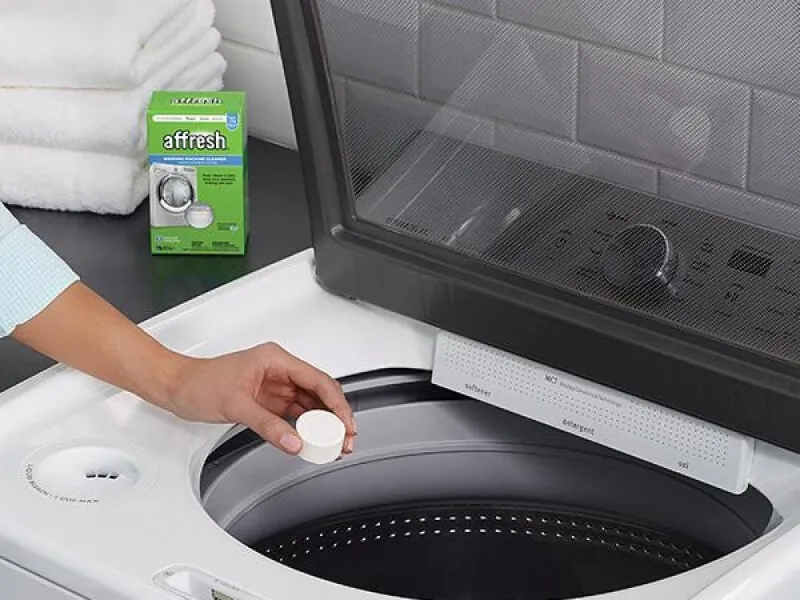
If your machine has a “tub clean” cycle, run it once a month using a specialized cleaner or a cup of white vinegar. Always leave the door and detergent drawer slightly ajar between loads to allow airflow. If you live in a high-humidity climate, keep a small fan pointed at the open drum to speed up the drying process.
Safety: Inside a mains-powered machine, the parts behind the outer cover can hold a dangerous electrical charge even after it has been unplugged — that’s why they sit behind a cover. Opening the housing, or testing or replacing anything behind it, is a job for a qualified technician, never a home repair.
Run a hot-water cleaning cycle
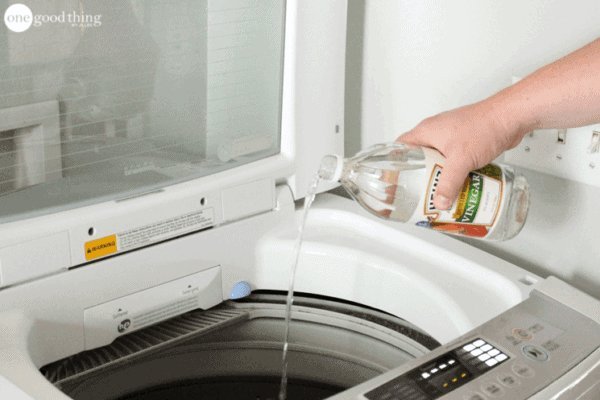
This fix is for a machine that already smells and needs the drum flushed out. Set the washer to its hottest cycle, or use the “clean washer” or “tub clean” setting if your model has one. Pour two cups of white vinegar into the detergent drawer and run the cycle empty.
If your washer is aging, add a half-cup of baking soda directly into the drum before starting. This creates a mild abrasive reaction that helps scrub away mineral buildup and soap scum trapped in the outer tub.
When the cycle finishes, wipe the inside drum and the rubber door seal with a dry cloth. Pay close attention to the folds of the gasket, as stagnant water often hides there. Leave the door open until everything is completely dry.
If the musty odor persists after this cycle, the drain filter is likely clogged with debris. Check the small access panel on the lower front of the unit. You’ll know the cleaning worked when the seal smells neutral rather than sour. Never mix bleach with vinegar, as this creates dangerous chlorine gas.
Clean the door seal and detergent drawer
This fix targets the parts where mildew actually hides. Pull the rubber door seal back gently and wipe out any slime, hair, or stuck fabric with a damp cloth. If you find stubborn black spots, use a mixture of one part white vinegar to four parts water. Avoid bleach, as it can degrade the rubber and lead to premature cracking.
Remove the detergent drawer if your model allows it, scrub it with warm water and a brush, then dry it before sliding it back in. Many people forget to clean the ceiling of the drawer housing, where residue builds up and causes mold to drop directly into your wash. Use an old toothbrush to reach the top corners of this cavity.
Do this once a month, or whenever you notice a sour smell. If the seal is torn or mold has grown deep underneath the rubber, that’s beyond a home fix. Contact the manufacturer or a repair technician to replace the gasket before the leak damages your floor.
Leave the door open after every wash
This is the one for harder cases where the smell keeps coming back. It’s worth the extra effort because it lets the drum and seal dry fully between loads, which stops mildew from returning.
If your laundry area is small and the open door gets in the way, wipe the seal dry with a towel after every load and run a hot cleaning cycle with vinegar as needed based on your usage, referring to the owner’s manual for specific guidance instead. This manual drying prevents the stagnant water that triggers mold growth in tight spaces.
Never force a damaged door seal back into place. If the machine leaks or shows mold you can’t reach, call a technician rather than taking anything apart yourself. A small tear in the rubber gasket creates a pocket where water pools indefinitely, making any amount of drying ineffective. If you find visible black spots embedded deep within the seal’s folds, the rubber has likely become porous and requires a professional replacement to stop the odor permanently.
Don’t mask the smell with more detergent
Adding extra detergent to mask odors creates a compounding problem. Excess soap leaves a waxy residue on the drum walls that traps organic debris, effectively feeding mildew colonies and accelerating their growth. If your laundry feels stiff or filmy after drying, you have already crossed the threshold into detergent buildup.
Running only cold-water cycles prevents soap from fully dissolving. This creates a sludge that clings to the outer tub, hidden from view. If you wash exclusively in cold water, perform a monthly maintenance cycle using the hottest setting available on your machine to help dissolve soap residue.
Leaving wet clothes in the drum overnight invites rapid fungal proliferation. The combination of darkness and trapped moisture turns the machine into an incubator.
Spraying perfume inside the drum only masks the symptoms while adding unnecessary moisture. This provides a temporary fix that masks the smell for minutes but leaves the underlying mold untouched.
Finally, ignoring a damp gasket is the most common oversight. Wipe the seal dry after every load; if it stays wet, mildew will return within forty-eight hours.
What to change and what to keep doing
| If you’re doing this | Do this instead | Why |
|---|---|---|
| Closing the door right after a wash | Leave the door open until dry | Trapped moisture feeds mildew |
| Using extra detergent for every load | Use the amount the manual recommends | Less residue means less mold food |
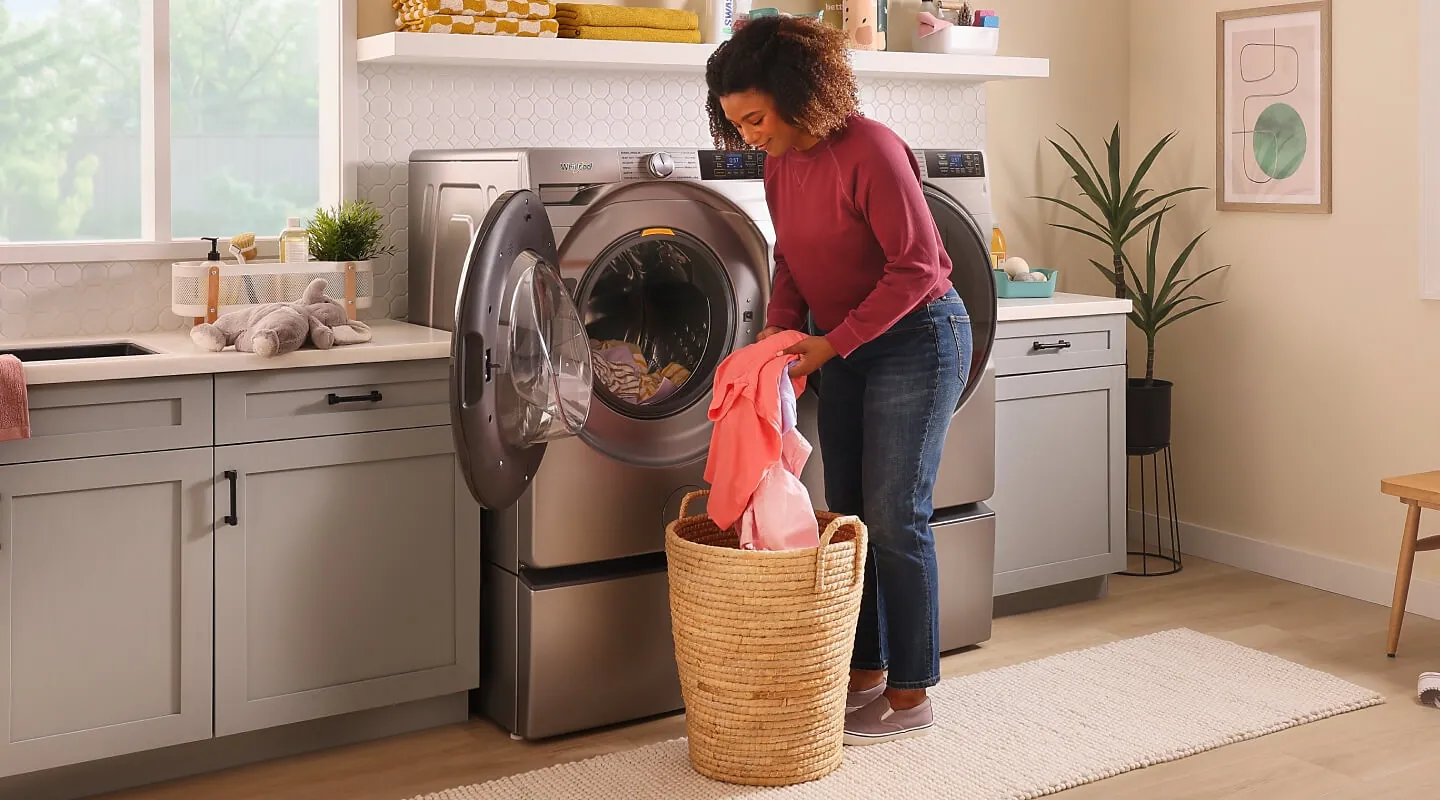
| Leaving wet clothes inside after the cycle | Move clothes to the dryer right away | Damp fabric keeps the drum wet |
| Running only cold washes | Run a hot cleaning cycle monthly | Heat and vinegar flush out buildup |
| Never touching the door seal | Wipe the seal dry once a week | A dry seal can’t grow mildew |
Related guides
- How to Seal Burnt Wood: Step-by-Step Guide for a Clean Finish in 2026
- How to Use Mineral Spirits on Wood for Cleaning and Prep in 2026
- How to Clean Polyurethane Brush: The Best Solvent Methods in 2026
Frequently asked questions
Can I use bleach instead of vinegar?
Yes, but only if your washer’s manual says bleach is safe for the drum and seal. Bleach can damage rubber gaskets on some front-loaders, so check the maker’s instructions first.
Why does my front-loader smell worse than my top-loader?
Front-loaders use less water and seal tightly, so moisture stays trapped in the door gasket longer. Top-loaders drain more freely and usually dry faster between loads.
How long does the vinegar cleaning cycle take?
It takes as long as your washer’s hottest or tub-clean cycle runs, usually one to two hours depending on the model. Check your owner’s manual for the exact time.
Is it safe to keep using a washer that smells like mildew?
It’s safe for washing clothes, but the odor can transfer to your laundry. Clean the machine first, and call a technician if you see mold growing under the door seal or inside parts you can’t reach.
What happens if I never clean the washer?
Mildew will keep growing, your clothes may come out smelling sour, and buildup can eventually clog the drain or damage the door seal enough to need replacement.
How often should I clean the washing machine?
Run a cleaning cycle about once a month, or whenever you notice a musty smell. Wipe the door seal dry after every load to stop mildew from coming back.
Conclusion
Your washer smells like mildew because moisture and soap residue stay inside long enough for mold to grow. Run a hot empty cycle with vinegar, wipe the seal and detergent drawer, and leave the door open after every wash. If the seal is torn or the smell returns after several cleanings, contact the manufacturer or a repair technician rather than taking the machine apart yourself.