
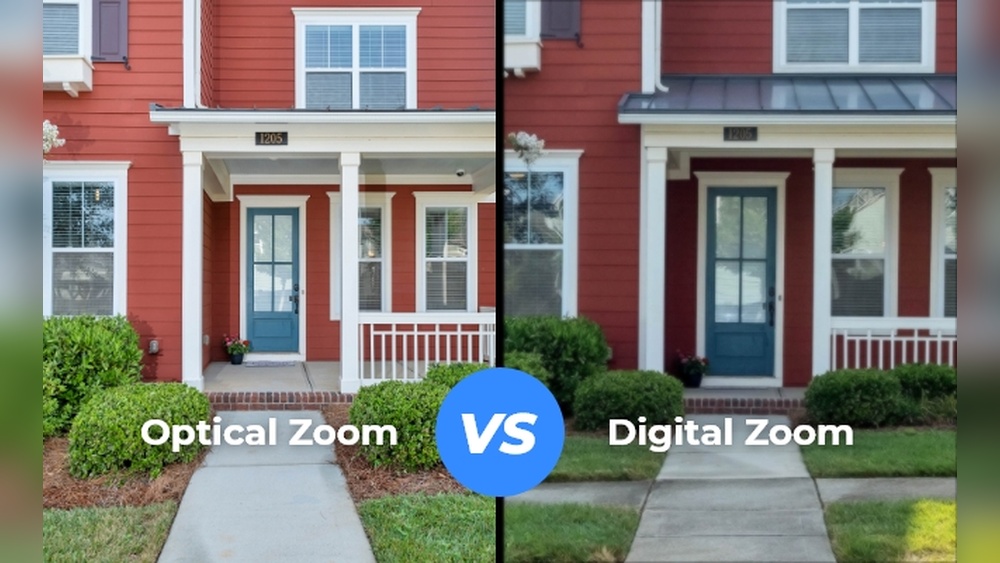
When you’re trying to get closer to a subject with your camera, you might have noticed two types of zoom: optical zoom and digital zoom. But which one should you rely on to capture the best photo?
Understanding the difference can make a huge impact on your pictures, whether you’re snapping memories or shooting for a project. If you want to know how each zoom works and why one might be better for your needs, keep reading.
This simple guide will help you zoom in smarter and take your photography skills to the next level.
Optical Zoom Basics
Optical zoom is a key feature in many cameras and smartphones. It lets you get closer to your subject without losing image quality. Understanding how it works helps you take better photos.
How Optical Zoom Works
Optical zoom uses the camera’s lens to magnify the subject. The lens moves physically to bring the subject closer. This process captures more detail and sharpness. It does not cut or enlarge pixels. The zoom range depends on the lens design.
Benefits Of Optical Zoom
Optical zoom keeps the image clear and sharp. It allows you to zoom in without losing resolution. This is perfect for wildlife or sports photography. It also works well in low light conditions. Photos look natural and detailed with optical zoom.
Limitations Of Optical Zoom
Optical zoom lenses can be bulky and heavy. The zoom range is limited by the lens size. High zoom levels may require expensive lenses. Zooming too close might reduce brightness. Not all cameras have strong optical zoom features.

Credit: www.e-consystems.com
Digital Zoom Explained
Digital zoom is a feature found in many cameras and smartphones. It helps users get closer to a subject without moving physically closer. Unlike optical zoom, digital zoom uses software to enlarge the image.
This type of zoom can be helpful for quick shots or when optical zoom is unavailable. It works by cropping and enlarging the center part of the image. Understanding how digital zoom works helps to use it better.
Mechanics Of Digital Zoom
Digital zoom cuts out a smaller area from the photo. Then, it enlarges that area to fill the frame. This process uses pixels already in the image. The camera or phone stretches these pixels to make the image appear closer.
This zoom does not change the lens or optics. It is purely a digital process done after the photo is taken. This method can lead to a loss in image quality.
Advantages Of Digital Zoom
Digital zoom is easy to use and always available. It does not require special lenses or hardware. It allows users to zoom in beyond the limits of the camera lens. This can be useful for capturing distant subjects quickly.
Digital zoom also works well for small prints or social media photos. It is a convenient option when carrying extra equipment is not possible.
Drawbacks Of Digital Zoom
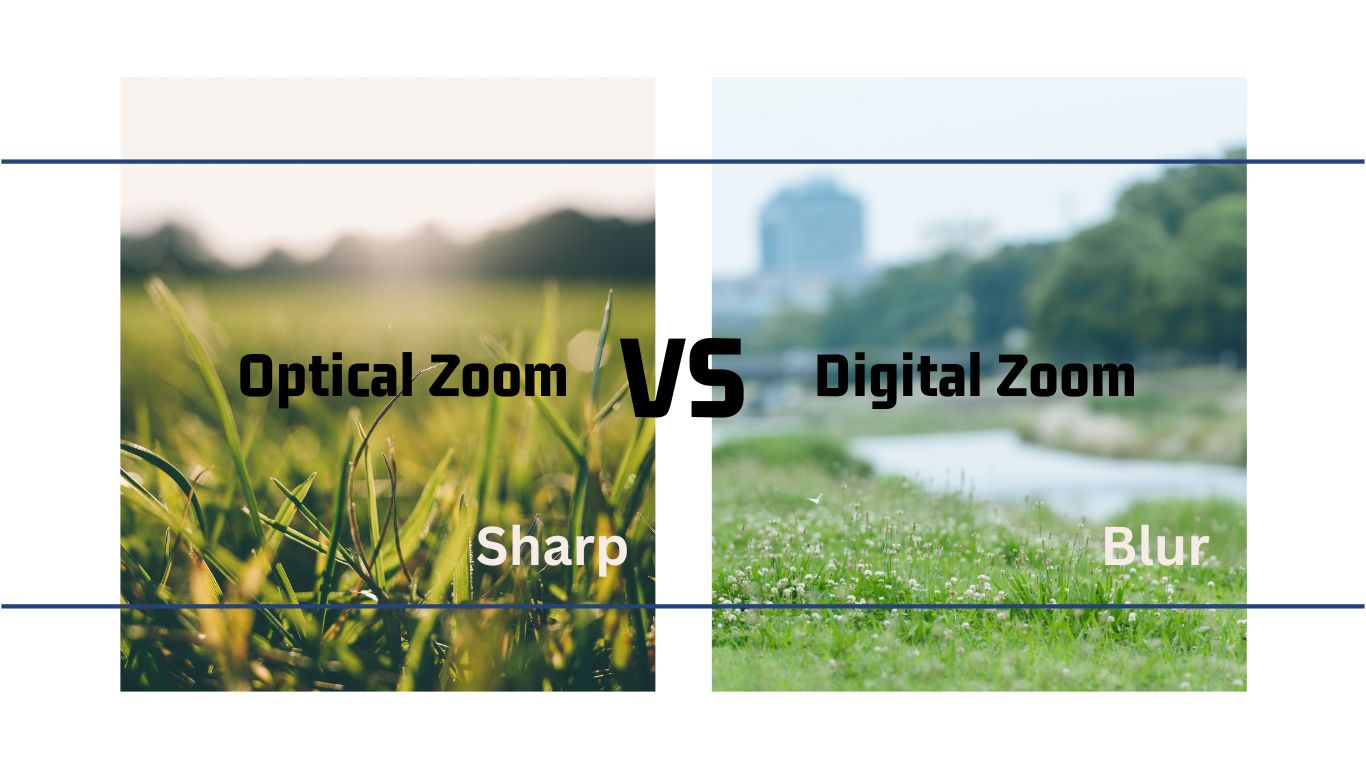
Digital zoom reduces image quality as it enlarges pixels. The photo may look blurry or pixelated at higher zoom levels. Details become less sharp and colors may fade. This can affect the overall appearance of the picture.
It is not ideal for professional or high-quality photography. The loss in clarity can be noticeable, especially on large screens. Users should balance zoom level and image quality for the best results.
Image Quality Comparison
Comparing image quality between optical zoom and digital zoom reveals clear differences. These differences affect how sharp, colorful, and clean your pictures will look. Understanding these factors helps you choose the right zoom type for better photos.
Sharpness And Detail
Optical zoom uses the camera’s lens to bring subjects closer. This method keeps images sharp and full of detail. Digital zoom crops and enlarges the image digitally. It often causes blurriness and loss of fine details.
Color Accuracy
Optical zoom preserves original colors since it captures the subject directly. Colors remain vibrant and true to life. Digital zoom can distort colors. It may cause faded or unnatural tones in photos.
Noise And Artifacts
Optical zoom produces cleaner images with minimal noise. It maintains image quality even at high zoom levels. Digital zoom increases noise and artifacts. The image may look grainy and pixelated after zooming in.
When To Use Optical Zoom
Optical zoom lets you get closer to your subject without losing image quality. It uses the camera’s lens to magnify the scene. This keeps photos sharp and clear. Knowing when to use optical zoom helps take better pictures.
Best Scenarios For Optical Zoom
Optical zoom works best for distant subjects. Wildlife photography benefits a lot from it. Animals stay far away, and optical zoom captures them well. Sports events also need optical zoom. It brings the action closer without blurring the image. Landscape shots with far objects gain depth using optical zoom. Portraits taken with optical zoom keep details sharp. It avoids the pixelation common in digital zoom.
Equipment Considerations
Not all cameras have strong optical zoom. Check your lens zoom range before shooting. DSLR and mirrorless cameras often have better optical zoom. Smartphones vary, but many now include optical zoom lenses. Remember, optical zoom depends on lens quality. A good lens means clearer images at high zoom. Optical zoom also keeps image colors true and sharp. It uses the camera’s glass, not software, for zooming.
When To Rely On Digital Zoom
Digital zoom is often seen as less sharp than optical zoom. Yet, it has its own place in photography. Knowing when to trust digital zoom helps capture moments without missing details. It works well in certain cases where convenience and speed matter more than perfect image quality.
Situations Favoring Digital Zoom
Digital zoom is helpful when you cannot physically move closer to the subject. It allows quick framing changes without changing lenses or settings. This makes it ideal for spontaneous shots or crowded places. It also helps when you want to crop photos after taking them. Sometimes, a small loss in clarity is acceptable to get the right composition.
Smartphone And App Enhancements
Modern smartphones use software to improve digital zoom results. Apps apply sharpening and noise reduction to keep images clear. Some phones combine multiple photos to create a sharper zoomed-in image. These tools make digital zoom more useful for everyday photography. They provide a good balance between zoom and picture quality for casual users.

Credit: blog.camcloud.com
Hybrid Zoom Technologies
Hybrid zoom technology blends the strengths of optical and digital zoom. It aims to provide better zoom results than either method alone. This tech helps capture distant subjects with clearer details. It is common in modern smartphones and cameras. Hybrid zoom offers a balance between zoom range and image quality.
Combining Optical And Digital Zoom
Hybrid zoom first uses optical zoom to magnify the image. Optical zoom adjusts the camera lens to zoom in physically. After reaching the optical zoom limit, digital zoom takes over. Digital zoom crops and enlarges the image digitally. The camera software then improves the image using algorithms. This combination extends the zoom range beyond what optics alone can do.
Impact On Image Clarity
Hybrid zoom generally improves image clarity compared to digital zoom alone. Optical zoom preserves image sharpness by capturing more detail. Digital zoom can cause pixelation and blur as it enlarges the image digitally. Smart software in hybrid zoom reduces these problems. It enhances edges and reduces noise to keep images clear. Still, image quality depends on the camera’s sensor and software power.
Tips For Maximizing Zoom Quality
Getting the best zoom quality takes some care. Not all zooms are equal. Optical zoom keeps the image sharp. Digital zoom can lose detail and look blurry. Some simple steps help keep your photos clear and crisp. Small changes in how you use your camera make a big difference.
Camera Settings Optimization
Start by using the highest resolution on your camera. This saves more image detail. Avoid zooming digitally when possible. Use optical zoom first. Hold your camera steady to stop shaking. Use a tripod or rest your arms on a solid surface. Set a fast shutter speed to reduce blur. Check focus carefully before taking the shot. Use manual focus if your camera allows it. Turn off digital zoom in settings to avoid quality loss.
Post-processing Techniques
Editing your photos can improve zoom quality. Use photo editing software to sharpen images lightly. Avoid over-sharpening, which adds noise. Adjust brightness and contrast for clearer details. Crop images instead of digital zooming in post-edit. Noise reduction tools help smooth grainy areas. Save photos in high-quality file formats like TIFF or PNG. Avoid saving repeatedly in JPEG to prevent quality loss. Small edits improve zoomed photos without ruining them.
Credit: www.zetronix.com
Frequently Asked Questions
What Is The Difference Between Optical And Digital Zoom?
Optical zoom uses camera lenses to magnify the image. Digital zoom enlarges the image by cropping and resizing pixels.
Which Zoom Type Gives Better Photo Quality?
Optical zoom keeps photos clear and sharp. Digital zoom lowers image quality and makes pictures blurry.
Can Digital Zoom Replace Optical Zoom In Cameras?
Digital zoom cannot fully replace optical zoom because it reduces image quality. Optical zoom is better for close-up shots.
How Does Optical Zoom Work In Smartphones?
Optical zoom in smartphones moves the lens inside the camera. This changes the focal length to zoom without losing clarity.
Is Digital Zoom Useful For Video Recording?
Digital zoom can help zoom in during videos but lowers quality. Optical zoom is best for smooth and clear video zooming.
Conclusion
Optical zoom keeps your image sharp and clear when you zoom in. Digital zoom can make photos look blurry and pixelated. Choose optical zoom for better photo quality. Digital zoom works only when you need to get closer quickly. Understanding the difference helps you take better pictures.
Use this knowledge to pick the right camera or phone. Clear photos matter for memories and sharing moments. Keep it simple: optical zoom is quality, digital zoom is convenience.