

A fridge smells like rotten eggs because hydrogen sulfide gas is building up inside. That gas usually comes from spoiled food, a drip pan full of standing water, or a drain line blocked with gunk. Before you do anything else, take every shelf and drawer out and look for anything that has gone bad — rotten meat, old eggs, or forgotten leftovers are the most common source, and removing them is often the whole fix.
What causes a fridge to smell like rotten eggs

The smell comes from hydrogen sulfide gas. Bacteria produce this byproduct as they break down sulfur-rich proteins found in meat, eggs, and dairy. If you notice the scent only when opening the freezer, check the drain line first. This tube often clogs with slime or food debris, forcing stagnant water to pool inside the cabinet rather than draining into the pan.
The drip pan itself is a frequent culprit. If the water inside doesn’t evaporate quickly enough, it becomes a breeding ground for mold. You can test this by pulling the pan out; if it smells like sulfur, wash it with a mixture of bleach and water.
If the fridge was recently unplugged while full, the insulation may have absorbed liquid spills. In these cases, cleaning the interior isn’t enough.
Safety: Inside a mains-powered machine, the parts behind the outer cover can hold a dangerous electrical charge even after it has been unplugged — that’s why they sit behind a cover. Opening the housing, or testing or replacing anything behind it, is a job for a qualified technician, never a home repair.
Throw out spoiled food
This fix is for anyone who finds rotten food inside. Take all the food out and check every item. Toss anything past its date, anything that looks slimy or discolored, and anything that smells off. Meat, eggs, dairy and cooked leftovers go first.
If you find nothing spoiled, move to the next fix. Clean the shelves and drawers with warm soapy water, dry them, and put them back. Leave the door open for fifteen minutes so the air clears. If the smell was from food, it should be gone within a day.
Most people fail by leaving a single open jar of pickles or a forgotten condiment bottle in the back corner. If the odor persists after a deep clean, check the drip pan underneath the unit. A stagnant pool of water there creates a permanent stench. If food spoils again quickly, your fridge may not be cold enough; verify it holds forty degrees Fahrenheit or below.
Clean the drip pan and drain line

This fix is for a smell that stays after the food is gone. The drip pan sits under the fridge, usually behind a grille at the front or back. Pull the fridge out, unplug it, and remove the pan. Empty it, wash it with soapy water, and dry it. The drain line runs from inside the freezer or fridge down to that pan.
Flush it with a mixture of warm water and baking soda, using a turkey baster or a squeeze bottle. Reassemble everything, plug the fridge back in, and wait a day. If the pan was full of slime or the line was blocked, the smell should fade as the fridge runs. If you can’t reach the pan or line safely, call an appliance repair person — they can reach parts most home users shouldn’t open.
Replace the water filter
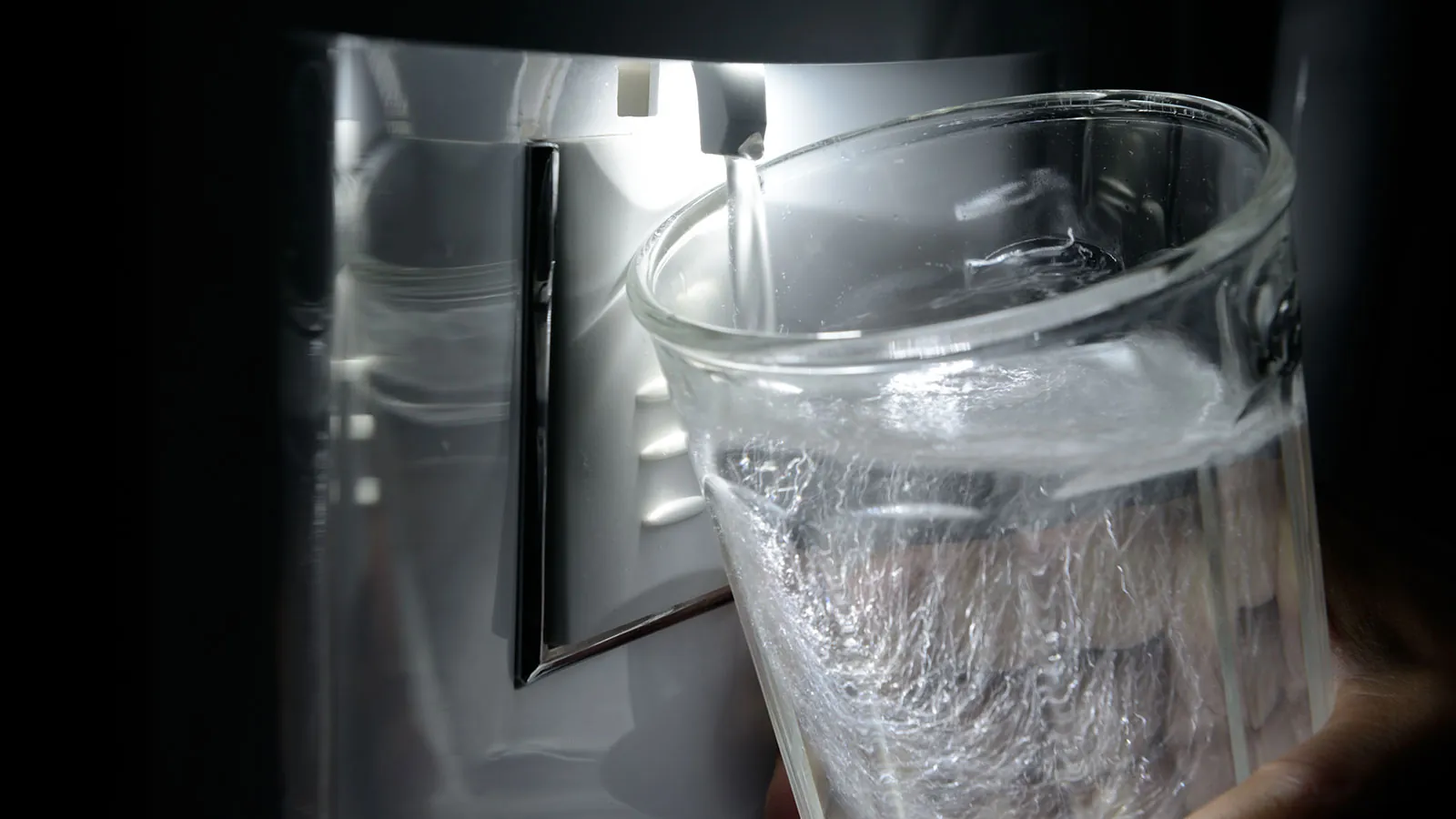
You can fix fridges with a water dispenser or ice maker by replacing the filter, as old material can grow bacteria that put a sulfur smell into the water and ice. Change the filter based on your usage and the manufacturer’s recommendations in the owner’s manual, or sooner if the water smells bad.
After the new filter goes in, run several gallons of water through the dispenser and throw away the first few batches of ice. If the smell was in the water, this clears it. If your fridge has no water dispenser, skip this fix entirely. Filter changes are a home-user job, but if you’re unsure which filter fits, check the manufacturer’s website or call their support line.
Popular advice that makes it worse
Masking the smell with coffee grounds or baking soda left open only masks the symptom. These powders absorb ambient moisture, but they do nothing to neutralize the bacterial colonies thriving in the fridge’s hidden crevices. If the odor persists after twelve hours, you have a localized infection, not a general air quality issue.
Running the fridge empty with the door shut traps stagnant air and accelerates mold growth. You must leave the doors propped open with a wedge to allow for consistent airflow.
Spraying heavy cleaners inside without a thorough water rinse leaves a toxic film. This residue will eventually leach into porous foods like butter or open leftovers. If you see standing water at the bottom, stop cleaning and clear the drain line. A blocked line is the most common cause of recurring rot.
Keep the smell from coming back
If you’re leaving spoiled food in the fridge, throw it out the day it goes bad. If you’re wiping shelves but never checking the drip pan, pull out the pan and wash it every few months. If you’re using the same water filter for a long time, replace it based on your usage and the guidance provided in your owner’s manual. If you’re letting spills sit, clean them up immediately with warm soapy water. If you’re unplugging the fridge for a trip, leave the door propped open so air can move.
| If you’re doing this | Do this instead | Why |
|---|---|---|
| Leaving rotten food inside | Toss spoiled food promptly and check weekly | Removes the source of the gas |
| Never cleaning the drip pan | Wash the pan every few months | Stops standing water from turning sour |
| Keeping the same filter for a year | Prevents bacteria in the water line | |
| Letting spills sit for days | Wipe spills right away with soapy water | Food residue feeds odor-causing bacteria |
| Closing the door on an unplugged fridge | Prop the door open when the power is off | Lets trapped air escape instead of turning stale |
Related guides
- Dog Smells Like Fish From Back End: Causes and Solutions
- How to Remove JB Weld: Proven Removal and Cleaning Methods in 2026
- How to Use Mineral Spirits on Wood for Cleaning and Prep in 2026
Frequently asked questions
Why does my fridge smell like rotten eggs?
Hydrogen sulfide gas from bacteria breaking down spoiled food or standing water in the drip pan or drain line. Find and remove the source, then clean the area.
Can a water filter cause a rotten egg smell?
Yes, an old filter can grow bacteria that put a sulfur smell into the water and ice. Replace it according to your usage and the owner’s manual, and flush the dispenser after installing a new one.
Is it safe to keep using the fridge while it smells?
No, not until you find the source. Spoiled food can carry bacteria that make you sick, so empty the fridge and check everything before using it again.
How long does it take for the smell to go away?
Usually within twenty-four hours after you remove the spoiled food and clean the shelves, drip pan and drain line. If it lasts longer, something is still hidden inside or the drain is blocked.
What happens if I ignore the smell?
The gas keeps forming and the source keeps rotting, so the smell gets stronger and can spread to other food. A blocked drain can also leak water onto your floor.
Is it safe to clean the drip pan myself?
Yes, if you can reach it without opening the fridge housing. Unplug the fridge first, wear gloves, and wash the pan with soapy water. Call a repair person if the pan or drain line is hard to reach.
When should I call a professional instead of fixing it myself?
Call an appliance repair person if the smell continues after you remove all food, clean the drip pan and drain line, and replace the water filter — the problem may be inside the sealed system or insulation, which a home user shouldn’t open.
Conclusion
The smell usually comes from something you can find and remove yourself: spoiled food, a dirty drip pan, or a clogged drain line. Check the food first, then the pan and line, then the water filter if your fridge has one. If the odor survives all three, book an appliance repair person rather than opening anything inside the fridge.