
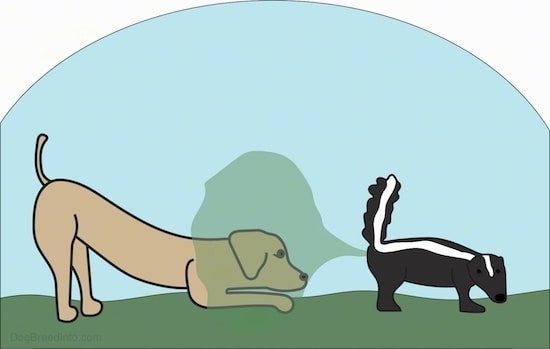
Discovering that your dog smells like skunk is an experience every pet owner dreads. The pungent, oily spray emitted by a skunk can permeate a dog’s fur, skin, and even your home’s upholstery within seconds. While the scent is incredibly potent and difficult to eradicate, you can neutralize the odor using common household ingredients or specialized commercial products. Acting quickly is the most effective way to prevent the oils from setting deeper into your pet’s coat.
Key Takeaways
- Avoid wetting your dog with water immediately, as this can spread the skunk oil across the fur.
- Check your dog’s eyes for redness or irritation, as skunk spray is a potent chemical irritant.
- Use a mixture of hydrogen peroxide, baking soda, and dish soap for a chemical neutralization method.
- Wear gloves and old clothing while bathing your dog to prevent the persistent odor from transferring to your own skin or clothes.
- Consult your veterinarian if your dog shows signs of lethargy, vomiting, or excessive sneezing after the encounter.
Why Do Skunks Spray Dogs?
Skunks are generally docile, nocturnal creatures that prefer to avoid conflict. They view a curious or aggressive dog as a threat, triggering their natural defense mechanism. The spray is a sulfur-based compound called thiols, which is stored in specialized anal glands. When a dog approaches too closely or tries to play, the skunk releases this oily substance, which is designed to be disorienting and repelling to predators.
Immediate Steps to Take
The moment you realize your dog has been sprayed, keep them outside. Allowing a smelly dog into your house will trap the molecules in carpets, curtains, and furniture. Check your dog for any physical injuries, such as bites or scratches, which might require professional medical attention. If your dog is rubbing their face on the ground, try to gently wipe the area with a damp cloth, but avoid getting the liquid into their eyes or mouth.
The Neutralization Chemistry Explained
The reason soap and water often fail to remove the smell is that the oils are hydrophobic, meaning they resist water. You need a solution that oxidizes the thiols, effectively changing their chemical structure so the scent disappears rather than just being masked. According to the American Veterinary Medical Association, you should flush the eyes with cool water or a sterile saline solution immediately if they appear irritated or red.
Household Solutions for a Dog That Smells Like Skunk
You likely have the ingredients for an effective de-skunking bath in your kitchen cabinet. This mixture works by breaking down the chemical bonds of the skunk oil.
| Ingredient | Amount | Purpose |
|---|---|---|
| Hydrogen Peroxide (3%) | 1 Quart | Oxidizes the sulfur compounds |
| Baking Soda | 1/4 Cup | Helps neutralize the acid |
| Liquid Dish Soap | 1-2 Teaspoons | Cuts through the oily residue |
Warning: Never store this mixture in a closed container, as the chemical reaction can cause the bottle to burst from pressure buildup.
How to Bathe Your Dog
Once you have mixed your solution, apply it to your dog’s dry fur, starting from the neck and working toward the tail. Avoid the face, as the peroxide mixture can sting sensitive tissues. Use a washcloth to carefully dab the solution around the muzzle and ears, ensuring you don’t get any inside the ear canals. Let the mixture sit for about five minutes before rinsing thoroughly with lukewarm water.
Commercial Skunk Odor Removers
If you prefer a pre-mixed solution, there are many specialized enzymatic cleaners available at pet supply stores. These products are often safer for sensitive skin and are formulated to target the specific proteins found in skunk spray.
- Nature’s Miracle Skunk Odor Remover
- Skunk-Off Liquid Soaker
- De-Skunk Odor Eliminator Shampoo
- Buddy Splash Deodorizing Spray
Managing the Lingering Scent
Even after a thorough bath, you might notice a faint smell, especially when your dog gets damp from rain or a bath. This happens because the oils can linger deep within the undercoat. You can use a natural enzymatic spray to help break down any remaining residue. Don’t use heavy perfumes or colognes, as these often mix with the remaining thiols to create a much worse, more nauseating odor.
Can You Use Tomato Juice?
Many people swear by the old wives’ tale of bathing a dog in tomato juice. However, this is largely ineffective. Tomato juice doesn’t neutralize the odor; it merely masks it temporarily by overwhelming the nose. Furthermore, the acidic nature of the juice can stain light-colored fur and leave your dog feeling sticky. It’s far better to stick with the peroxide-based solution or a professional cleaner that chemically alters the molecules.
Troubleshooting After the Bath
If your dog still smells strongly, you may need to repeat the process. Ensure you’re getting down to the skin, as the oils cling to the hair follicles. If the smell persists for more than a week, consider taking your dog to a professional groomer. They have access to industrial-grade products and high-velocity dryers that can help push out the remaining scent particles from the deep layers of the coat.
Protecting Your Home

If the smell has entered your home, you’ll need to treat the affected areas. Wash all bedding, towels, and clothing in hot water with a cup of baking soda. For carpets and upholstery, use an odor-neutralizing spray designed for pet accidents. Opening windows and using a high-quality air purifier with a HEPA filter can also help remove airborne particles that contribute to the lingering stench.
Related guides
Frequently Asked Questions
Is skunk spray toxic to dogs?
While not typically lethal, the spray is highly irritating. It can cause temporary blindness, excessive drooling, vomiting, and sneezing. If your dog was sprayed directly in the face, monitor their breathing and eye health closely. If you notice persistent swelling or difficulty breathing, contact your emergency veterinarian immediately, as some dogs may have an allergic reaction to the chemical compounds found in the spray.
How long does the smell last?
If left untreated, the scent can linger for several weeks or even months. With proper treatment using an oxidizing agent, you can significantly reduce the smell in one or two sessions. However, even after a successful bath, the odor may temporarily reappear if your dog gets wet, as moisture can reactivate trace amounts of the oil trapped in the deep coat.
Should I shave my dog?
Shaving your dog is generally unnecessary and could leave their skin exposed to further irritation. The smell is on the surface of the fur and skin, not inside the hair shaft itself. Focus on thorough, repeated washing with the correct chemical agents rather than cutting the hair. If the spray is concentrated in a specific area, you might trim the long fur carefully, but avoid shaving close to the skin.
Can I use vinegar instead of peroxide?
Vinegar is a mild acid and can help neutralize odors in laundry, but it isn’t as effective as hydrogen peroxide for breaking down the sulfur-based thiols in skunk spray. Peroxide is an oxidizing agent, which is the key to chemically destroying the odor molecules. Stick to the recommended peroxide, baking soda, and soap recipe for the best results when cleaning your pet’s coat.
What if my dog was bitten?
A skunk bite is a serious concern that goes beyond the odor. Skunks are a primary carrier of rabies, a fatal viral disease. If you suspect your dog was bitten or scratched, you must contact your veterinarian immediately. They will need to verify your dog’s vaccination status and may recommend a booster shot or a period of quarantine to ensure the safety of your pet and your family.
Conclusion
The most important step after addressing the immediate odor is to ensure your dog is up to date on all vaccinations, particularly rabies. Keep a close eye on their behavior over the next few days to ensure no hidden wounds are becoming infected. If the smell persists despite your best efforts, consult a professional groomer who can provide a deep, thorough cleaning to restore your home and pet to normalcy.