
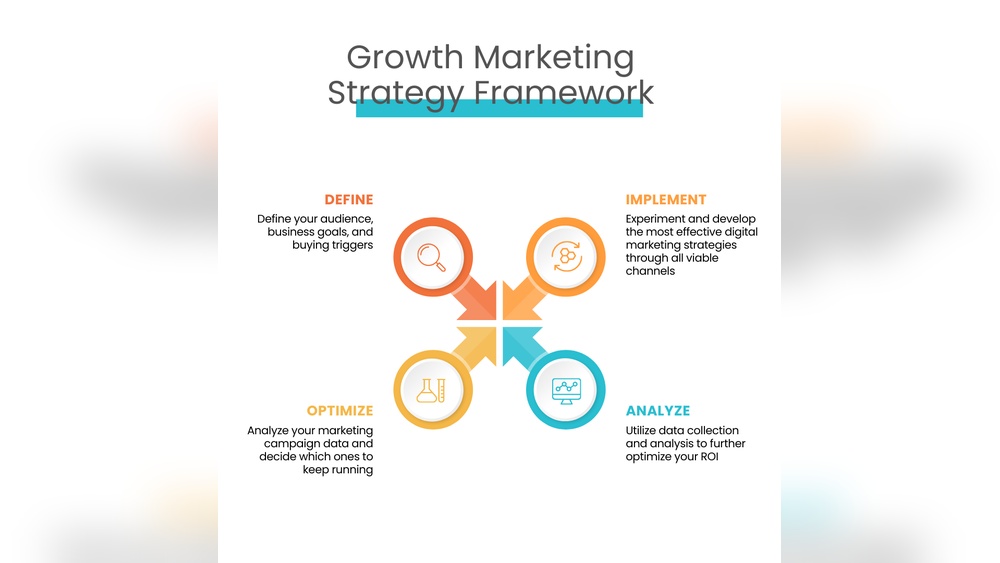
Are you confused about the difference between a Digital Marketing Manager and Growth Marketing? You’re not alone.
These roles sound similar but have very different goals and responsibilities. Understanding what each role focuses on can help you decide where to invest your time, budget, or career efforts. You’ll discover the key responsibilities that set these two marketing approaches apart.
By the end, you’ll know exactly how each one can impact your business growth and marketing success. Keep reading to clear up the confusion and make smarter marketing decisions.
Credit: pro.kudoswall.com
Digital Marketing Manager Role
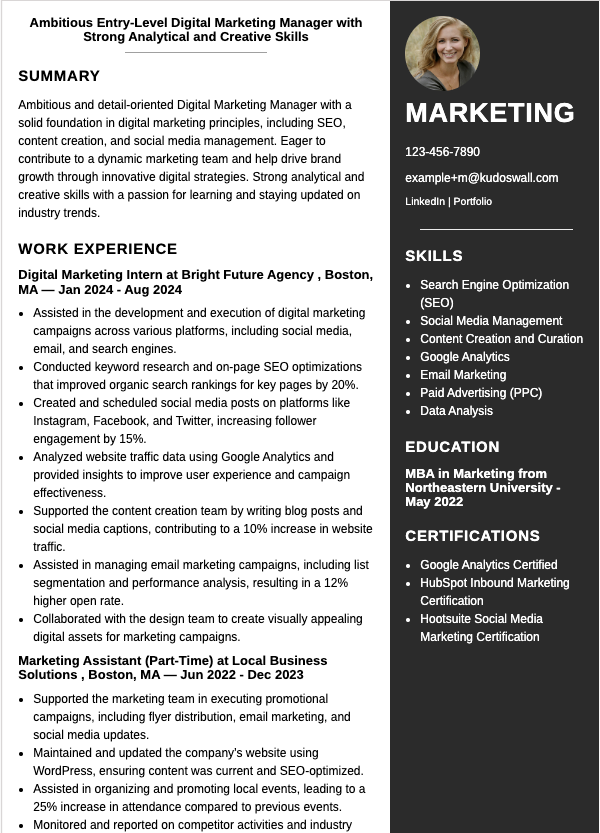
The Digital Marketing Manager role is vital for growing a brand online. This position oversees all digital marketing efforts. The goal is to increase brand awareness, drive traffic, and boost sales.
Digital Marketing Managers plan and execute campaigns. They coordinate with different teams to ensure smooth delivery. Understanding customer behavior and market trends is key.
Core Responsibilities
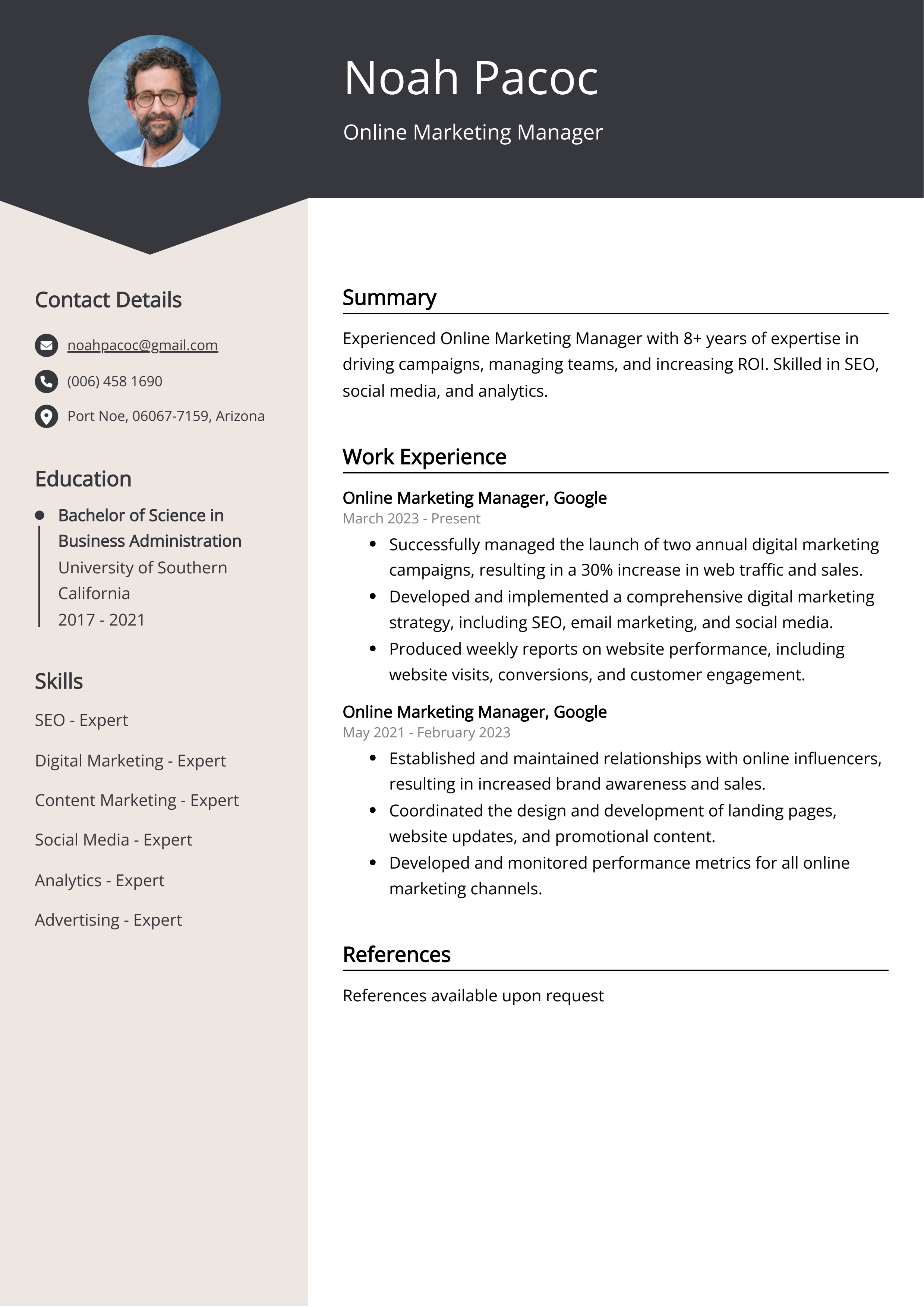
Digital Marketing Managers create strategies for online growth. They manage social media, email, and paid ads. Monitoring campaign performance and adjusting tactics is essential. They also analyze data to improve results. Collaborating with content creators and designers is common. Budget management and reporting to stakeholders are regular tasks.
Skill Set And Expertise
Strong communication skills help Digital Marketing Managers lead teams. Analytical skills are needed to interpret data correctly. Creativity supports campaign development and problem solving. Knowledge of SEO and SEM improves website visibility. Project management skills keep campaigns on track. Basic understanding of design and copywriting helps coordination.
Tools And Technologies Used
Digital Marketing Managers use tools like Google Analytics for tracking. Email platforms such as Mailchimp help manage campaigns. Social media management tools like Hootsuite organize posts. SEO tools such as SEMrush improve search rankings. Paid ad platforms, including Google Ads and Facebook Ads, are common. Project management software like Trello or Asana keeps work organized.
Credit: resumaker.ai
Growth Marketing Role
The growth marketing role focuses on expanding a company’s customer base and increasing revenue. It combines data analysis with creative marketing strategies. Growth marketers test new ideas quickly to find what works best. They aim for measurable results and continuous improvement.
Primary Focus Areas
Growth marketers focus on customer acquisition and retention. They optimize user experience to boost engagement. They analyze data to improve marketing campaigns. Testing and experimentation are key parts of their work. Growth marketers also work across channels, such as social media, email, and paid ads.
Essential Skills
Strong analytical skills help growth marketers understand data. Creativity allows them to design effective campaigns. Technical knowledge supports the use of marketing tools. Communication skills enable collaboration with other teams. Adaptability is important to adjust strategies quickly.
Growth Marketing Tools
Tools like Google Analytics track website traffic and user behavior. Email platforms such as Mailchimp help manage campaigns. A/B testing tools like Optimizely allow experiment comparisons. CRM software supports customer relationship management. Social media tools assist in scheduling and monitoring posts.
Comparing Strategies
Comparing strategies between a Digital Marketing Manager and a Growth Marketer reveals key differences. Both aim to boost business success but take different paths. Their methods, goals, and tools vary significantly.
Campaign Approaches
Digital Marketing Managers plan broad campaigns. They focus on brand awareness and long-term engagement. These campaigns run on multiple channels like social media, email, and ads.
Growth Marketers prefer quick, targeted experiments. They test small changes to find what works best. Their focus is on fast results and scaling successful tactics.
Customer Acquisition Methods
Digital Marketing Managers use traditional methods like SEO, paid ads, and content marketing. They aim to attract a wide audience over time.
Growth Marketers rely on data-driven tactics. They use referral programs, viral loops, and personalized messaging. Their goal is rapid user growth.
Data Analysis And Metrics
Digital Marketing Managers track overall metrics like brand reach and engagement rates. They focus on tracking performance over longer periods.
Growth Marketers dive deep into specific metrics such as conversion rates and user retention. They analyze data quickly to optimize campaigns constantly.
Team Collaboration
Team collaboration is vital for both Digital Marketing Managers and Growth Marketers. They work with many teams to achieve marketing goals. Good teamwork improves project success and speeds up problem-solving. Each role requires different ways to collaborate, based on their focus and tasks.
Cross-functional Interaction
Digital Marketing Managers often work with creative, sales, and analytics teams. They help coordinate campaigns and share marketing data. Growth Marketers connect with product, data, and engineering teams more. Their goal is to test and improve growth strategies quickly. Both roles need clear communication and respect for other teams’ expertise.
Leadership And Decision Making
Digital Marketing Managers lead marketing projects and guide team members. They make decisions on budgets and campaign plans. Growth Marketers lead experiments and decide which ideas to try or stop. They use data to support their choices. Both roles require confidence and the ability to motivate others toward shared goals.
Impact On Business Goals
Understanding the impact of different marketing roles on business goals is crucial. Digital Marketing Managers and Growth Marketers both aim to drive success. Their approaches, however, often target different outcomes. This difference shapes how each role influences a company’s growth and stability.
Short-term Vs Long-term Objectives
Digital Marketing Managers often focus on short-term objectives. They run campaigns that boost brand visibility and engagement quickly. These efforts create immediate traffic and leads.
Growth Marketers look at long-term objectives. They build strategies that sustain growth over time. Their work includes testing, optimizing, and scaling marketing channels for lasting impact.
Revenue And Growth Targets
Revenue targets for Digital Marketing Managers tend to be more predictable. They rely on established marketing tactics to meet monthly or quarterly goals.
Growth Marketers chase aggressive growth targets. They experiment with new ideas to find scalable ways to increase revenue. Their success depends on agility and innovation.
Career Path And Progression
Choosing between a Digital Marketing Manager and a Growth Marketer affects your career path. Both roles offer unique opportunities and challenges. Understanding their career progression helps you plan your future.
Typical Career Trajectories
Digital Marketing Managers often start as marketing coordinators or assistants. They gain skills in campaign management and digital tools. Over time, they move up to senior marketing manager roles. Some become directors of marketing or chief marketing officers.
Growth Marketers usually begin in entry-level roles focused on analytics or user acquisition. They learn to use data to drive business growth. Growth Marketers advance to roles like growth lead or head of growth. Many transition into product or business strategy positions.
Opportunities For Advancement
Digital Marketing Managers can advance by expanding their expertise in new channels. Skills in SEO, social media, and content marketing increase their value. Leadership and project management skills open doors to executive roles.
Growth Marketers find advancement by mastering data analysis and experimentation. Success in driving growth can lead to leading bigger teams. Their skills are valuable in startups and tech companies aiming for rapid expansion.
Credit: resumaker.ai
Frequently Asked Questions
What Are The Main Duties Of A Digital Marketing Manager?
A Digital Marketing Manager plans and runs online marketing campaigns. They handle SEO, social media, email marketing, and paid ads. Their goal is to increase brand awareness and sales.
How Does Growth Marketing Differ From Traditional Marketing?
Growth Marketing focuses on rapid and sustainable business growth. It uses data, testing, and creativity to find the best ways to grow. Traditional marketing often aims more at broad brand promotion.
Which Skills Are Key For A Growth Marketing Role?
Growth marketers need data analysis, creativity, and testing skills. They must understand customer behavior and use tools to track results. Adaptability and problem-solving are also important.
Can A Digital Marketing Manager Also Handle Growth Marketing?
Yes, some Digital Marketing Managers manage growth strategies too. It depends on the company size and team setup. Growth Marketing often requires more focus on experiments and data.
Why Is Data Important In Growth Marketing?
Data helps find what works and what doesn’t in campaigns. It guides decisions to improve customer acquisition and retention. Without data, growth efforts may be less effective.
Conclusion
Digital Marketing Managers focus on overall campaigns and brand presence. Growth Marketers target specific tactics to increase user engagement and sales. Both roles require data analysis and creativity. Understanding these differences helps companies choose the right fit. Each role plays a key part in business success.
Choose based on your goals and team needs. Clear roles lead to better marketing results. Both paths offer valuable skills for career growth.