
You can clear shower drain smells by pouring a mixture of one cup of baking soda and one cup of white vinegar down the pipe. This odor usually comes from organic debris like hair, skin cells, and soap scum trapped in the trap. If the smell persists, the water seal inside the P-trap may have evaporated or become blocked.
Why shower drain smells happen
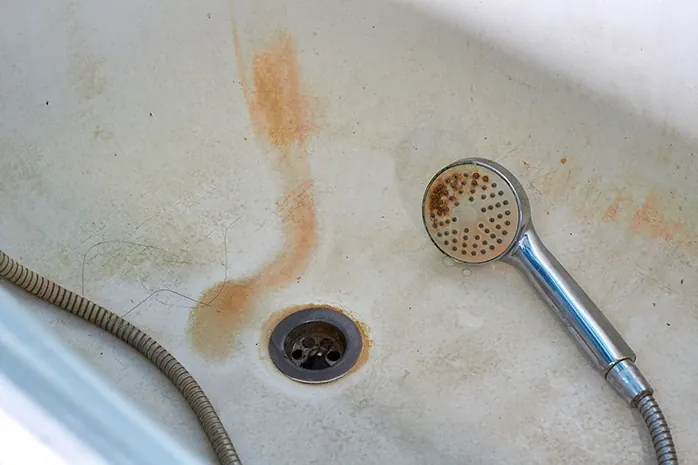
The primary reason for bad smells is the buildup of biofilm inside the drain pipe. Biofilm is a slimy layer created by bacteria feeding on soap residue, hair, and body oils. When this organic matter sits in the dark, damp environment of the pipe, it begins to decay and releases sulfur-based gases. These gases travel back up through the drain and into your bathroom.
Another common cause is a dry P-trap. The P-trap is the U-shaped section of pipe under your drain designed to hold a small amount of water. This water acts as a barrier that prevents sewer gases from entering your home.
If a shower isn’t used for several weeks, the water in this trap can evaporate. Once that barrier is gone, the air from the sewer line flows freely into the room. If you notice the smell immediately after a heavy rain, it might indicate a vent blockage rather than a simple clog.
Clear the drain with a plunger
If the drain is moving slowly and smells, a plunger is often the most effective first step. Start by removing the drain cover with a screwdriver so you can reach the pipe opening. Fill the shower base with enough water to cover the head of the plunger. Place the rubber cup firmly over the drain to create a tight seal and pump up and down vigorously for 30 seconds.
This action forces air and water through the trap, which can dislodge clumps of hair or soap that are trapping odors. If the water suddenly drains away quickly, you have likely cleared the blockage.
If you have a shower with a complex overflow or a specialized drain assembly, be careful not to force the seal too hard, as this can damage older plastic connections. If the smell remains after plunging, you’ll need to move on to a deeper manual cleaning of the P-trap area.
Remove debris from the drain assembly
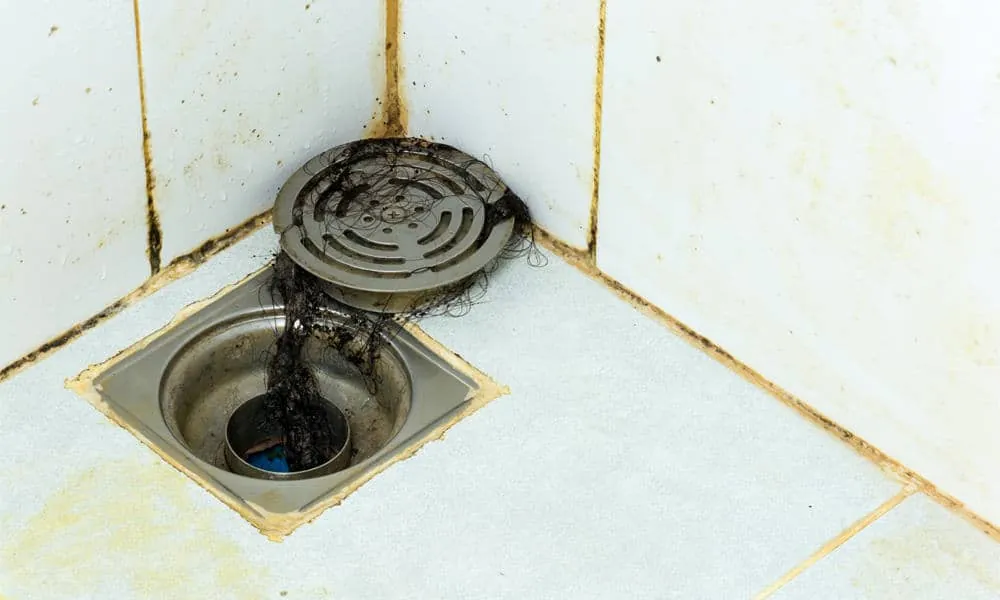
For persistent odors, you must physically remove the gunk stuck in the drain components. Use a pair of needle-nose pliers or a small plastic drain snake to reach into the pipe and pull out any hair or debris. This is often where the most stubborn biofilm hides. Once you remove the visible material, scrub the inside of the drain opening with a stiff-bristled nylon brush and a mild detergent.
This process is for those who are comfortable working with basic plumbing parts. If you have a deep-seated clog that a short snake can’t reach, you may need a professional plumber to avoid damaging your pipes. If you accidentally drop a piece of hardware into the pipe while cleaning, don’t run water; call a plumber to retrieve it before it causes a major backup. Always wear rubber gloves when touching drain debris to avoid contact with bacteria.
Use hot water and enzyme cleaners
If the drain is clear of debris but still smells, use an enzyme-based drain cleaner to break down remaining biofilm. Unlike harsh chemical acids, enzyme cleaners use bacteria to digest organic material safely. Pour the amount recommended on the product label down the drain and let it sit for the time stated, usually several hours or overnight. After the wait, flush the pipe with a kettle of hot water to wash away the digested residue.
This method is ideal for ongoing maintenance rather than emergency clogs. If your home has a septic system, verify the product label states it’s septic-safe before you use it. If you have extremely old metal pipes, check with a local plumber before using strong cleaners, as some chemicals can corrode aging copper or iron lines over time. This approach isn’t for people who need an instant fix for a complete pipe blockage.
Common mistakes that worsen odors
Pouring bleach down the drain often fails to penetrate thick biofilm. Worse, it reacts violently with residual ammonia or acidic cleaners to create toxic chloramine gas. If your drain smells like rotten eggs, bleach will only mask the scent for an hour while creating a chemical hazard.
Using wire hangers to clear clogs is a common mistake that costs hundreds in plumbing repairs. A metal hanger easily scratches or punctures thin plastic pipes, leading to slow, hidden leaks behind your drywall. If the clog resists a simple plunger, stop immediately and use a plastic drain snake instead.
Many people ignore the overflow hole, where soap scum and hair stagnate to cause persistent, hidden smells. Use a small, flexible brush to scrub this area monthly.
Keeping your shower fresh long-term
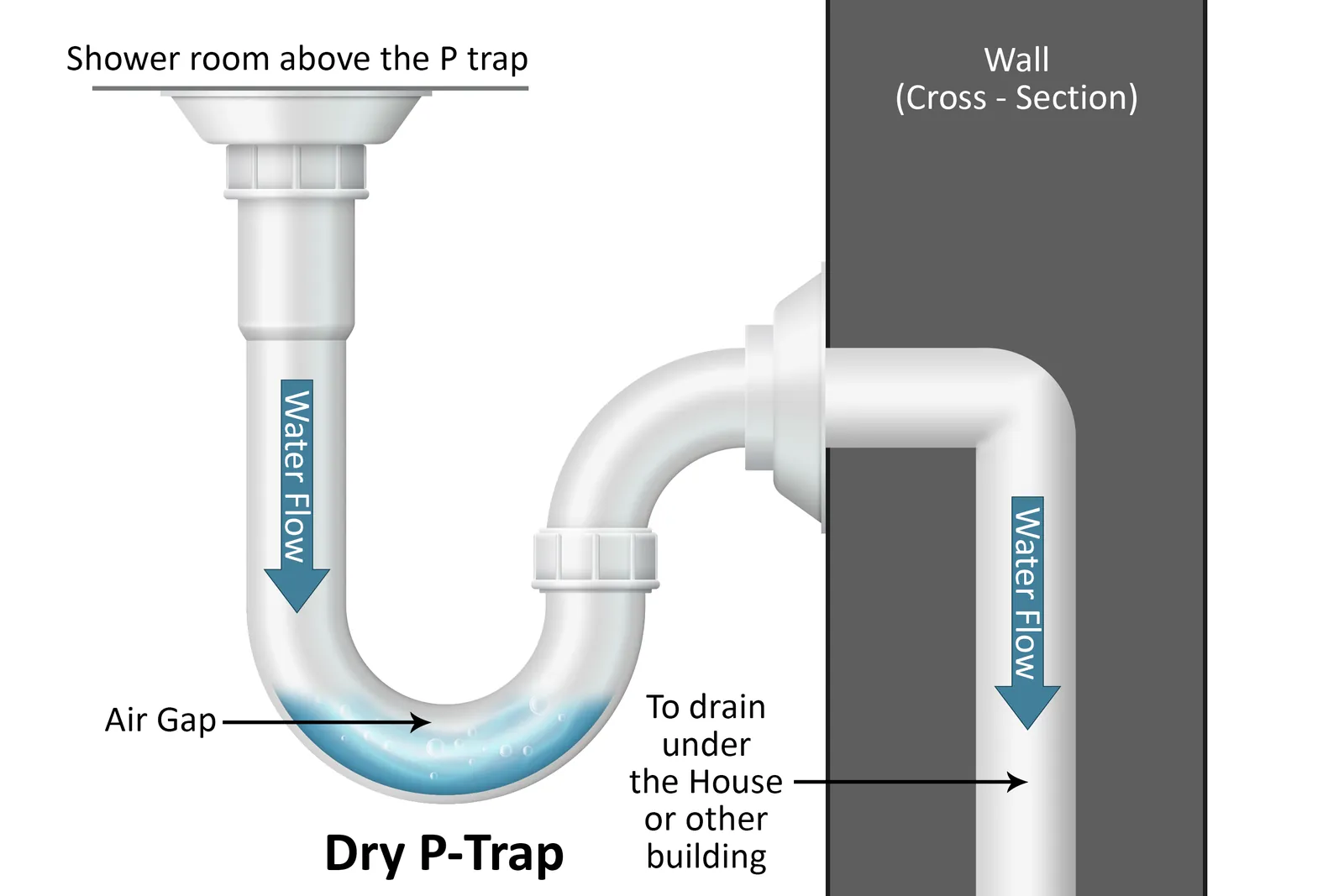
To prevent future smells, establish a routine of flushing your drains. If you don’t use a shower regularly, run the water for one minute every week to keep the P-trap full.
| If you’re doing this | Do this instead | Why |
|---|---|---|
| Ignoring slow drainage | Use a hair catcher | Prevents debris buildup |
| Pouring grease down pipes | Wipe grease into trash | Grease hardens and traps odor |
| Leaving hair in the drain | Remove hair after showering | Stops biofilm formation |
| Using chemical drain openers | Use enzymes or a snake | Protects pipe integrity |
Related guides
Frequently asked questions
How long does it take for a P-trap to dry out?
It usually takes three to four weeks of no use for a standard P-trap to dry out completely. If your shower is in a guest room that sits empty for a month, the water seal will likely evaporate. You can prevent this by running the water for one minute once every two weeks to keep the trap barrier full and effective.
Is it safe to use vinegar and baking soda?
Yes, this mixture is safe for most household plumbing because it’s non-corrosive and won’t damage plastic or metal pipes. The reaction creates carbon dioxide gas, which can help dislodge light surface debris. It won’t clear a hard, physical clog, but it’s an excellent tool for neutralizing mild odors caused by soap scum and light buildup.
Why does my shower smell like rotten eggs?
A rotten egg smell usually indicates that sewer gas is escaping into your bathroom. This happens when the water seal in the P-trap is empty or if the plumbing vent on your roof is blocked by leaves or debris. If the smell is constant, check your roof vent; if it only happens after long periods of inactivity, it’s the trap.
Can a blocked vent cause drain smells?
Yes, a blocked roof vent stops air from moving through the plumbing system, which can pull the water out of your P-traps. If the water is sucked out of the trap, sewer gas flows directly into your room. If you suspect a vent issue, it’s best to have a professional plumber inspect the roof stack to ensure it’s clear.
How often should I clean my shower drain?
You should remove hair and debris from the drain cover at least once a month to prevent buildup. If you have long hair or use heavy hair products, you may need to check it every two weeks. Regular cleaning prevents the organic material from hardening into a biofilm, which is the primary source of persistent, foul odors in bathroom pipes.
Conclusion
Regular maintenance is the best way to keep your bathroom smelling fresh. By keeping the P-trap full and clearing hair before it travels deep into the pipe, you prevent the most common causes of drain odors. If you try these steps and the smell remains, it may be time to call a professional to check for deeper ventilation issues or pipe leaks.