
You can remove trash can smells by deep cleaning the bin with a mixture of hot water and mild dish soap. This process eliminates the bacteria and organic buildup that cause odors to linger in your kitchen. If you use a plastic liner, it’s important to replace it immediately if you notice any leaks to prevent fluids from reaching the bottom of the container.
Supplies to stop trash smells
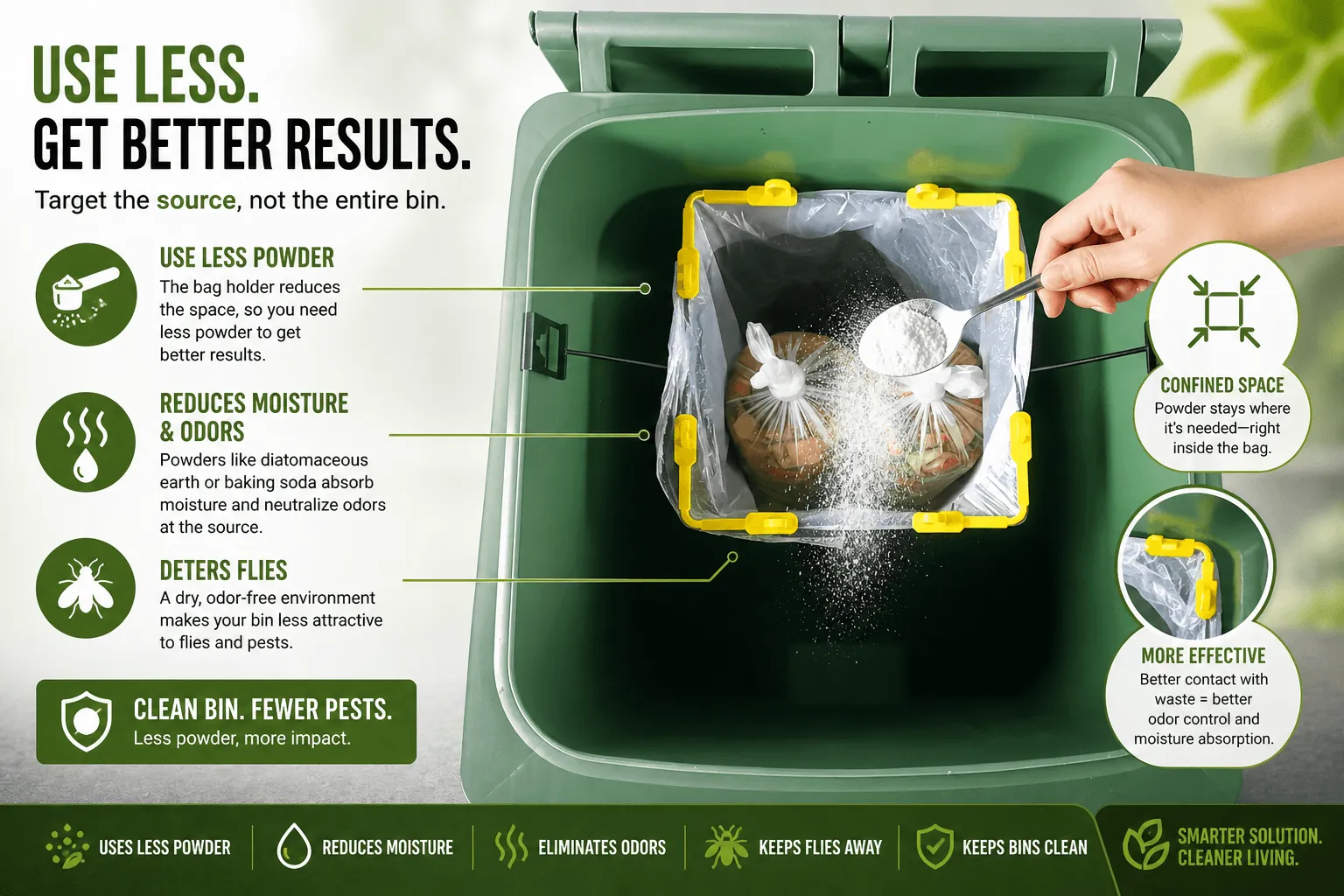
You need the right tools to break down trapped residue and sanitize the plastic or metal surfaces. Having these items ready prevents you from spreading bacteria to your countertops or sink area while you work.
| Item | How much | Why it’s needed | A substitute |
|---|---|---|---|
| Dish soap | 2 tablespoons | Cuts through kitchen grease | None — don’t swap this |
| White vinegar | 1 cup | Neutralizes stubborn acidic odors | Lemon juice in equal parts |
| Scrub brush | 1 unit | Reaches into tight corners | Old toothbrush for seams |
| Microfiber cloth | 2 units | Dries surfaces to stop mold | Paper towels for one-time use |
| Rubber gloves | 1 pair | Protects skin from bacteria | None — don’t swap this |
Before you start the cleaning
Before you begin, move the bin to an outdoor area or a utility sink to avoid splashing dirty water onto your kitchen floor. Empty all trash and remove the liner, then check the bottom of the bin for any hardened debris.
If the bin has an electronic sensor lid, remove the batteries first to prevent water damage to the internal motor. You should never submerge an electronic lid in water; instead, wipe it with a damp cloth as directed by the United States Environmental Protection Agency regarding household surface sanitation.
Steps to sanitize your bin
- Rinse the empty bin thoroughly using a garden hose or a high-pressure kitchen sprayer to remove loose debris and food particles from the interior walls.
- Mix 2 tablespoons of mild dish soap into 1 gallon of hot water in a bucket or directly inside the bin if it’s watertight.
- Scrub the entire interior and exterior surfaces with a stiff-bristled brush, paying close attention to the bottom corners and the underside of the lid where residue builds up.
- Pour the dirty water into a utility drain and rinse the bin again with clean water to remove all remaining soap suds and loosened food.
- Apply a mixture of 1 cup of white vinegar and 1 quart of water to the interior surfaces to help neutralize odors and remove mineral deposits.
- Let the solution sit on the surfaces for 5 minutes to help break down residue before rinsing.
- Rinse the bin one final time with fresh water to remove the vinegar scent and any remaining organic material.
- Dry the bin completely with a clean cloth, ensuring no moisture remains in the bottom, as standing water will cause new odors to develop quickly.
- Place a fresh, high-quality trash bag inside the bin once it’s bone-dry to protect the surface from future spills and leaks.
Identifying when the odor is gone
You’ll know the cleaning was successful when the bin has no visible residue and a neutral scent after drying. If you still detect a sour or musty smell, it means bacteria remain trapped in deep scratches or porous plastic seams. In this case, you must repeat the process, focusing specifically on the bottom corners where liquids often pool.
If the odor persists after a second deep cleaning, the plastic may have absorbed the smell permanently, which often happens with older, scratched bins. You can verify the cleanliness by running a dry paper towel along the interior; if the towel comes away clean and odorless, the bin is ready for use.
Troubleshooting common odor problems
| What happened | Why | What to do |
|---|---|---|
| Persistent sour smell | Deeply embedded bacteria | Soak with vinegar solution |
| Sticky residue remains | Dried food buildup | Use a plastic scraper |
| Lid hinge smells | Trapped food particles | Clean hinge with toothbrush |
| Mold spots visible | High humidity environment | Spray with diluted bleach |
| Bin smells even clean | Scratched plastic surface | Apply baking soda paste |
If the sour smell persists after two vinegar soaks, the odor is likely trapped in the plastic’s porous surface rather than the surface itself. In this case, move the bin to direct sunlight for four hours. UV rays naturally neutralize bacteria that chemical cleaners miss.
Avoid using metal tools to remove sticky residue. A metal blade leaves microscopic gouges in the plastic, creating new homes for bacteria. Use a plastic putty knife instead.
If you notice a metallic or chemical scent, you’re likely dealing with a reaction between acidic food waste and the bin’s lining. Replace the liner immediately and switch to a thicker, heavy-duty bag. Thin bags often leak invisible amounts of liquid that settle into the bottom seams, where they remain unreachable by standard wiping. Always dry the interior completely after cleaning to prevent recurring mold.
Managing your cleaning schedule
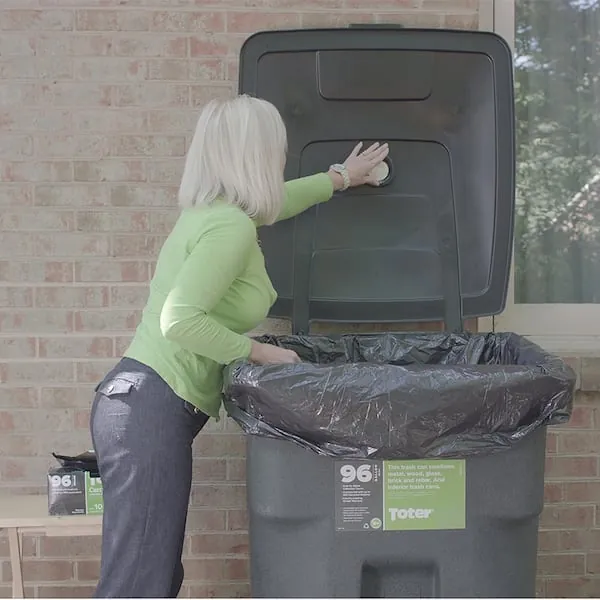
You should deep clean your bin once every month to keep odors from becoming unmanageable. The frequency changes based on two factors: the types of waste you discard and the local temperature in your home. If you throw away raw meat scraps or vegetable peels, you should clean the bin every 2 weeks to stop bacteria growth.
If you live in a warm climate, high temperatures speed up decomposition, meaning you should increase cleaning frequency to every 1 week to prevent strong, foul-smelling gases from forming inside the container. Always adjust your schedule if you notice visible spills or if the bin feels damp.
Related guides
- How to Clean Acrylic Paint Brushes: A Simple Step-by-Step Guide in 2026
- How to Use Mineral Spirits on Wood for Cleaning and Prep in 2026
- How to Clean Polyurethane Brush: The Best Solvent Methods in 2026
Frequently asked questions
Can I use bleach to clean my trash can?
Yes, you can use a diluted bleach solution, but you must mix 1/4 cup of bleach per gallon of water for safety. Never mix bleach with vinegar or ammonia, as this creates dangerous fumes in your home. Always rinse the bin thoroughly after using bleach to ensure no chemical residue touches your new trash bags or future waste.
How do I stop my trash can from smelling between cleanings?
You can prevent odors by placing a small, open container of baking soda at the bottom of the bin under the trash bag. This absorbs moisture and neutralizes acidic smells before they spread throughout your kitchen. Always ensure your trash bag is tied securely to prevent leaks from reaching the bin base.
Is it safe to leave my trash can in the sun to dry?
Yes, leaving your bin in direct sunlight for 1 to 2 hours is an effective way to dry it completely and kill lingering bacteria. The ultraviolet rays provide a natural way to sanitize the surface after you have washed it with soap and water. Ensure you remove the lid during this time to allow for maximum airflow.
Why does my trash can smell after I empty it?
Your trash can smells because liquids from food waste have leaked through the bag and dried into the plastic floor of the bin. This organic matter provides a food source for bacteria, which continue to release odors even after the main bag is removed. Scrubbing the bottom corners with a stiff brush usually solves this issue.
How long does it take for a trash can to dry?
It takes about 30 to 60 minutes for a trash can to air dry completely if you leave it in a well-ventilated area. If you need to use the bin immediately, wipe the interior thoroughly with several dry paper towels until no moisture remains. Never insert a new bag into a damp bin, as trapped moisture creates the perfect environment for mold.
Does the material of the trash can affect the smell?
Plastic trash cans hold onto odors more than stainless steel because the material is porous and prone to scratching. These scratches trap bacteria that cause persistent smells, whereas stainless steel surfaces are non-porous and easier to sanitize. However, even stainless steel bins require regular cleaning around the interior rim to remain odor-free.
Conclusion
Keeping your kitchen smelling fresh doesn’t have to be a chore if you stay consistent. Try sprinkling a little baking soda at the bottom of the bin whenever you put in a new bag. It’s a simple trick that’ll absorb moisture and keep those unwanted scents from coming back again.